
 Joko Widodo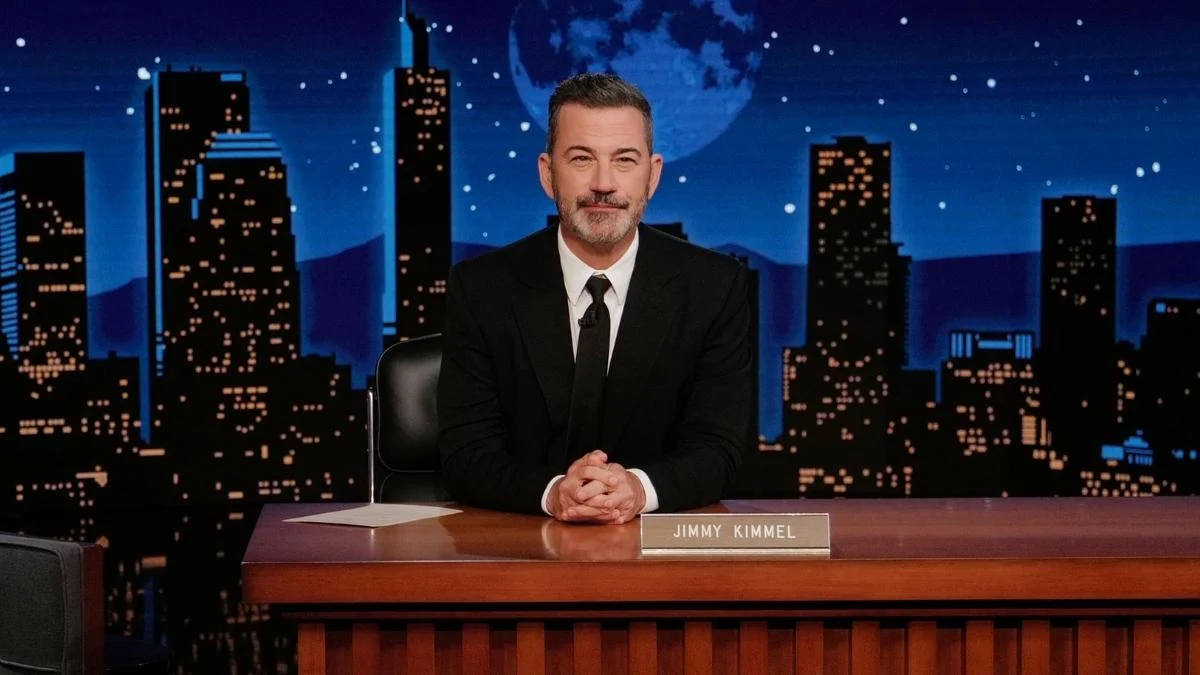
The Kennedy Center, a preeminent institution dedicated to the performing arts in Washington, D.C., has found itself at the center of a peculiar political storm, drawing the attention and sharp wit of late-night television host Jimmy Kimmel. The controversy stems from what appears to be a determined effort by former President Donald Trump to assert his influence over the venue, a move that has been met with both legal challenges and public ridicule. Kimmel, in a recent broadcast, offered a scathing and humorous critique of Trump’s actions, proposing a new, politically charged moniker for the esteemed cultural landmark. This situation is not an isolated incident but rather the latest chapter in a series of high-profile clashes between Trump and established cultural and governmental institutions, raising questions about the politicization of the arts and the boundaries of presidential influence.
The Genesis of a Cultural Clash: Trump’s Ambitious Bid
The saga began with a controversial decision by a board, reportedly appointed by Trump, to rename the John F. Kennedy Center for the Performing Arts. The move aimed to append Donald Trump’s name to the building, a proposition that swiftly encountered significant legal and institutional resistance. Critics argued that such a rebranding would necessitate congressional approval, given the Kennedy Center’s federal charter and its symbolic connection to the legacy of President John F. Kennedy.
A judicial ruling ultimately blocked this attempt, citing the lack of proper authorization. Undeterred, Trump’s supporters on the board then seemingly retaliated by voting to close the institution for renovations. This action was widely interpreted as a strategic maneuver, intended to create leverage in the ongoing dispute. The implication was clear: if Trump’s name was not officially recognized, the much-needed renovations might be indefinitely postponed, effectively holding the center "hostage," as characterized by Kimmel.
The timeline of these events highlights a deliberate sequence of actions and reactions. The initial proposal to rename the center, though not widely publicized in its early stages, surfaced as a significant point of contention. Following the judicial block, the board’s swift vote to close the center for renovations occurred almost immediately, underscoring the perceived retaliatory nature of the decision. This sequence of events unfolded over a relatively short period, amplifying the sense of urgency and political maneuvering.
Kimmel’s Comedic Barrage: A New Name for a Contested Landmark
Jimmy Kimmel, known for his incisive political commentary delivered through humor, seized upon the unfolding drama. During an episode of Jimmy Kimmel Live!, he dedicated a segment to what he termed "the president’s war – not the one in Iran, the one on the Kennedy Center." He meticulously laid out the sequence of events: the judicial setback, the board’s subsequent vote to close the venue, and Trump’s alleged ultimatum to the Supreme Court.
Kimmel’s punchline, delivered with characteristic deadpan delivery, was a satirical suggestion for a new name: "They really should call it the Melania Trump Kennedy Center." This moniker, while facetious, served a dual purpose. Firstly, it subtly highlighted the perceived ego-driven nature of the renaming effort by associating it with a prominent figure, albeit indirectly. Secondly, it underscored the absurdity of the situation, framing Trump’s actions as an overreach driven by personal vanity rather than genuine artistic or national interest. The joke resonated with many viewers who viewed Trump’s attempts to assert his name on public institutions as an affront to established norms and historical legacies.
Broader Political Undertones: Midterm Maneuvers and Fiscal Promises
The Kennedy Center controversy, while a focal point of Kimmel’s mockery, was not the sole political issue addressed. He also drew parallels between Trump’s actions regarding the arts and his broader political strategies, particularly in the context of upcoming midterm elections. Kimmel pointed to instances where Republican lawmakers reportedly "skipped town" to avoid votes on contentious issues, such as the potential impeachment of Pete Hegseth, whom Kimmel sarcastically dubbed the "secretary of war." This observation served to paint a picture of a political party perceived as evading accountability and difficult decisions.
Furthermore, Kimmel critiqued Trump’s fiscal promises, specifically a pledge to provide $5,000 to every adult if Republicans secured a victory. He characterized this as "crazy," questioning the logic of offering citizens their own money as a supposed gift. This critique tapped into a broader debate about fiscal responsibility and the perceived populism of such promises, especially coming from a political faction that often champions fiscal conservatism and rails against "handouts." The implication was that these promises were more about vote-buying than sound economic policy. Kimmel’s commentary suggested a pattern of behavior where political expediency and personal ambition trumped substantive policy and established institutional integrity.
The Stakes: Art, Legacy, and Presidential Power
The conflict surrounding the Kennedy Center has several significant implications beyond the immediate political theater. Firstly, it highlights the vulnerability of cultural institutions to political interference. The Kennedy Center, as a federally chartered organization, relies on a delicate balance of public funding, private donations, and artistic autonomy. When political figures attempt to exert undue influence, it can jeopardize this balance, potentially impacting the center’s ability to function and fulfill its mission.
Secondly, the episode raises questions about the preservation of historical legacies. The Kennedy Center is intrinsically linked to the memory and ideals of President John F. Kennedy, a figure often associated with a spirit of public service and cultural aspiration. Attempts to supplant this legacy with the name of a contemporary political figure can be seen as an erasure of history and a distortion of national memory.
Thirdly, the situation reflects a broader trend of politicization in American public life, where even institutions dedicated to the arts are not immune to partisan battles. The use of cultural venues as political pawns can erode public trust and discourage engagement with the arts, which are vital for fostering dialogue, understanding, and national identity.
Fact-Based Analysis and Supporting Data
To contextualize the events, it is important to consider the operational and financial landscape of the Kennedy Center. The center receives a significant portion of its funding from federal appropriations, though it also relies heavily on private philanthropy and earned revenue from performances. In fiscal year 2022, for instance, the Kennedy Center reported federal appropriations of approximately $32.5 million, alongside significant private contributions and ticket sales. Any disruption to its operations, such as prolonged closure for renovations, could have a substantial financial impact, affecting artists, staff, and the broader cultural ecosystem.
The legal challenge to renaming the center was rooted in its federal charter, which established it as a living memorial to President Kennedy. Amendments to this charter, particularly those concerning its name or fundamental structure, would typically require congressional action. This legal precedent underscores the institutional framework that Trump’s appointees attempted to circumvent.
Furthermore, the historical context of presidential engagement with the arts provides a contrast. While presidents have historically patronized and supported the arts, the direct attempt to rename a major cultural institution after oneself represents a departure from established norms of presidential conduct and respect for institutional independence.
Official Responses and Broader Implications
While direct official statements from Donald Trump’s team regarding Kimmel’s specific jokes are unlikely to be formally recorded in a news report, the broader narrative of Trump’s engagement with the Kennedy Center has been characterized by his public statements and actions, often amplified through his preferred communication channels. His administration previously signaled a desire to assert more direct control over federal arts funding and institutions, reflecting a broader ideological stance on the role of government in cultural affairs.
The implications of this ongoing saga extend to the public perception of both the Kennedy Center and the former president. For the Kennedy Center, the controversy risks overshadowing its artistic achievements and its role as a unifying cultural force. For Donald Trump, these actions, regardless of their ultimate success, contribute to a public image that is often perceived as contentious and driven by personal grievances.
The pressure exerted on the Supreme Court to intervene in what is essentially a dispute over institutional renaming and renovation scheduling highlights the extraordinary nature of the situation. Legal scholars and political observers have noted that such interventions are rare and typically reserved for matters of significant constitutional or national importance, raising questions about the appropriateness of involving the highest court in such a matter.
In conclusion, the Kennedy Center controversy, as satirized by Jimmy Kimmel, is a microcosm of larger trends in contemporary American politics: the intersection of art and power, the challenges of preserving institutional integrity in an era of heightened partisanship, and the enduring influence of media figures in shaping public discourse. The resolution of this particular dispute, whether through continued legal battles or political negotiation, will likely offer further insights into the evolving relationship between public institutions, political leadership, and the cultural landscape of the United States. The ongoing saga serves as a potent reminder of how even seemingly apolitical cultural landmarks can become entangled in the complexities of political ambition and ideological conflict.




 Lina Irawan
 Yuyun Lusiyani
 Jia Lissa
 Pevita Pearce
 admin
admin