
 Lina Irawan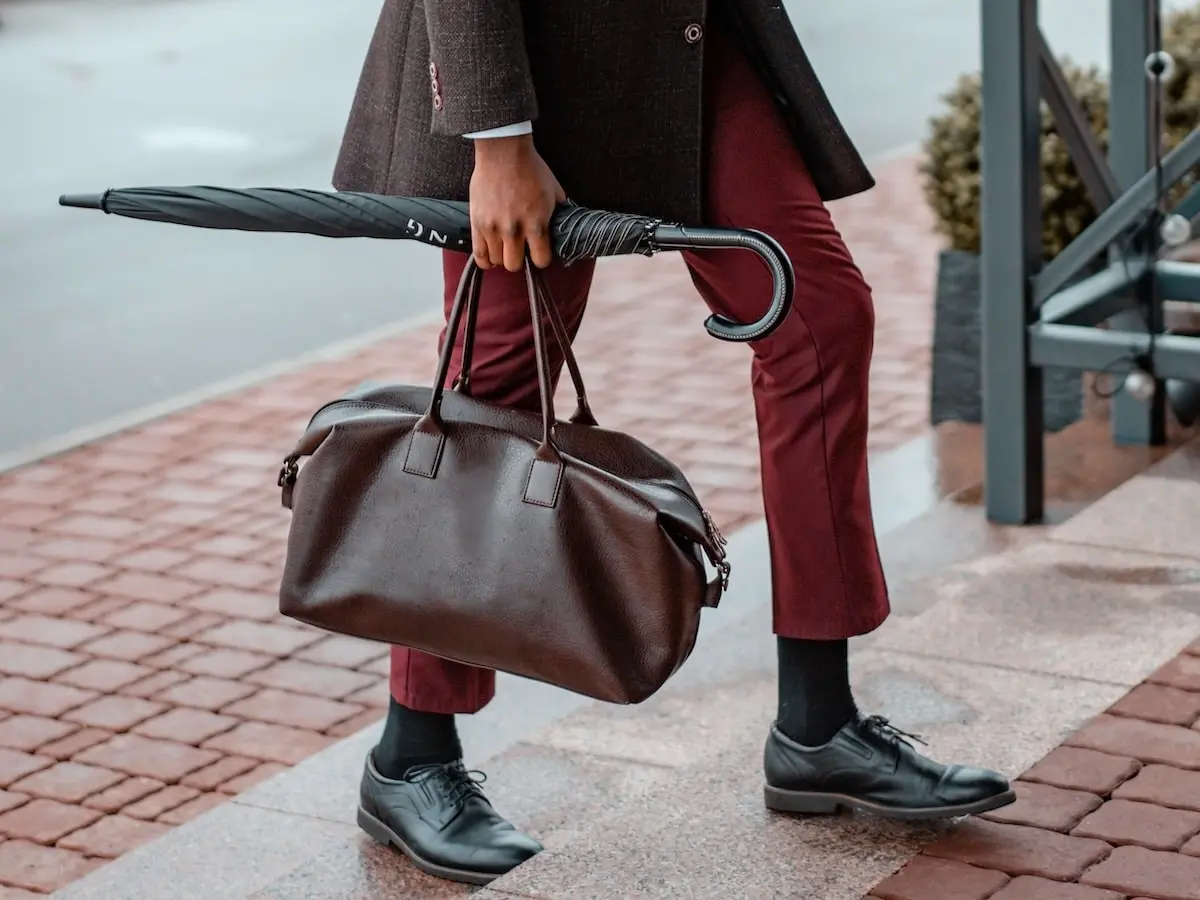
The transition from utilitarian, youth-oriented backpacks to sophisticated overnight luggage marks a significant milestone in the professional and personal development of the modern traveler. As global travel patterns shift toward shorter, more frequent "bleisure" trips—a hybrid of business and leisure—the demand for high-quality, versatile overnight bags has reached unprecedented levels. Industry analysts at Statista project the global luggage market to reach a valuation of approximately $22.8 billion by 2025, driven largely by a consumer shift toward premiumization and multifunctional gear. For the contemporary man, an overnight bag is no longer merely a vessel for transport; it is a critical component of a curated professional image and a reflection of personal efficiency.
The Evolution of the Modern Weekender
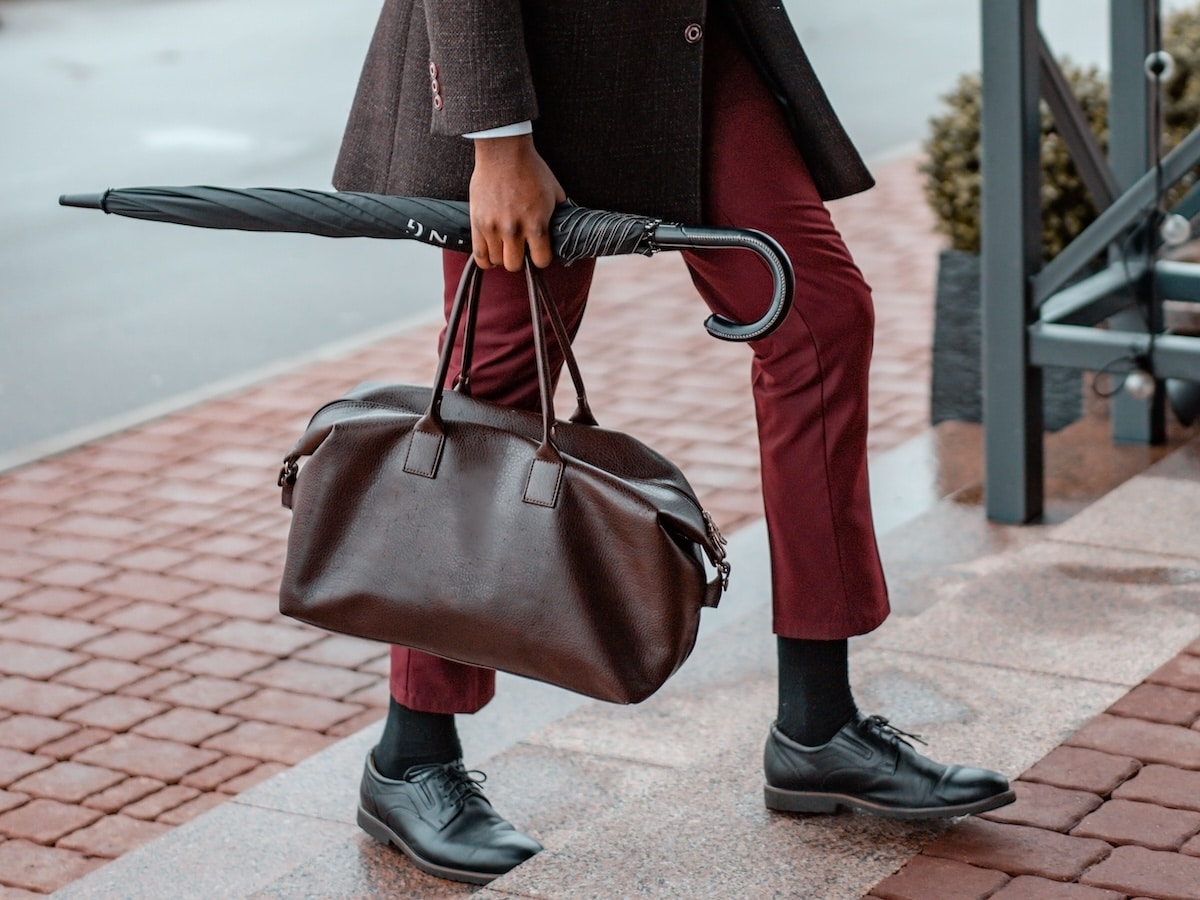
Historically, the concept of the "weekender" or overnight bag evolved from the rigid trunks of the 19th century and the canvas "duffel" bags of the mid-20th century. The term "duffel" itself originates from Duffel, Belgium, where the thick cloth used to make the bags was originally produced. However, the 21st-century iteration of the overnight bag has undergone a radical transformation. Today’s designs integrate aerospace-grade materials, ergonomic research, and digital-first features such as RFID-blocking pockets and padded laptop sleeves.
This evolution is a response to the "One Bag" travel movement, which prioritizes mobility and the avoidance of checked luggage fees. Consumer data indicates that 60% of travelers now prefer to travel with carry-on luggage only for trips lasting three days or fewer. This trend has forced manufacturers to innovate, balancing the limited internal volume with maximum organizational efficiency.

Top 12 Overnight Bags for Men: A Comprehensive Market Analysis
The following selection represents the pinnacle of the current market, categorized by their specific utility, material composition, and value proposition.
1. July Carry All Split Weekender
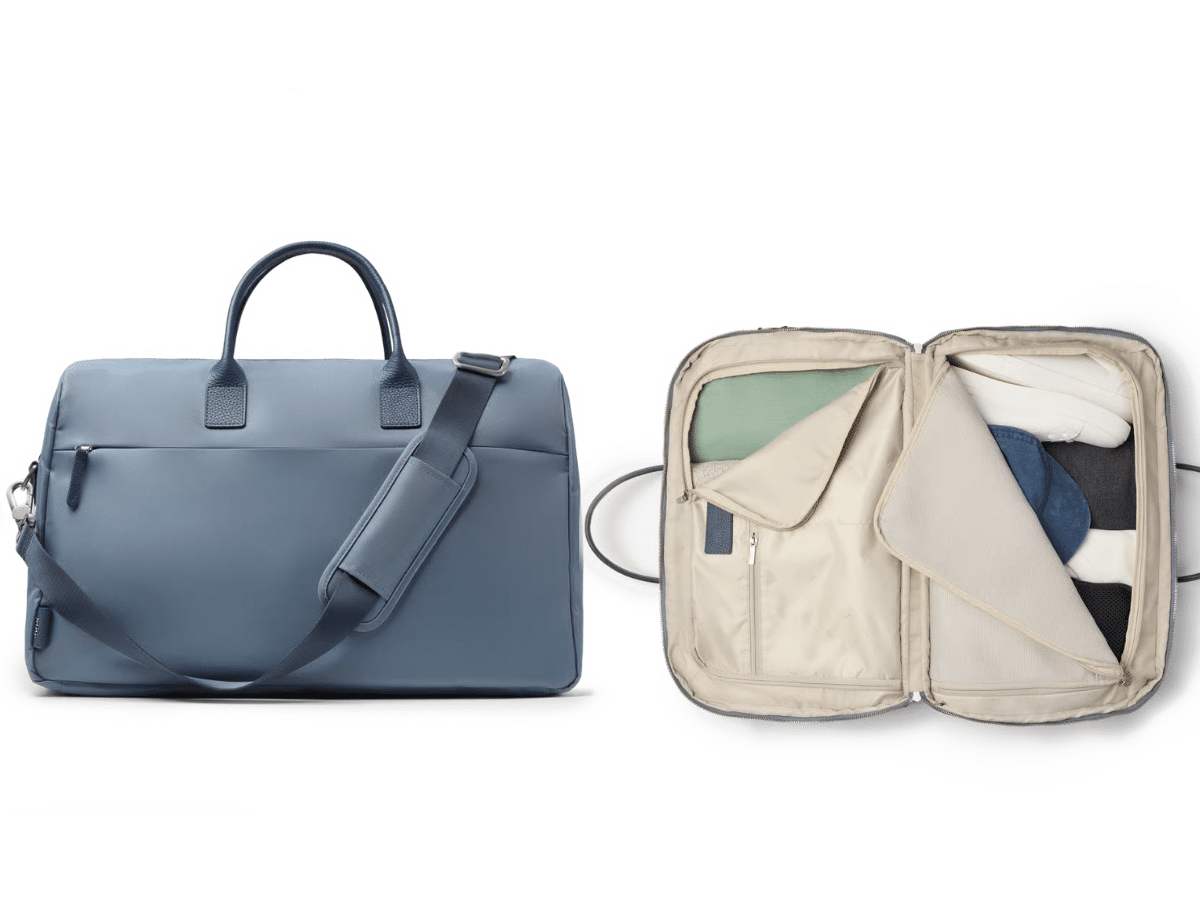
Australian luggage disruptor July has gained significant market share by addressing a common pain point: the "bottomless pit" syndrome of traditional duffels. The Carry All Split Weekender utilizes a clamshell opening similar to a hard-shell suitcase. This design allows for a 180-degree flat lay, enabling travelers to organize garments without deep-diving into a single compartment. With a 28-liter capacity, it fits within the "personal item" dimensions for most major airlines, making it an ideal choice for the high-frequency flyer.
2. Bellroy Lite Duffel
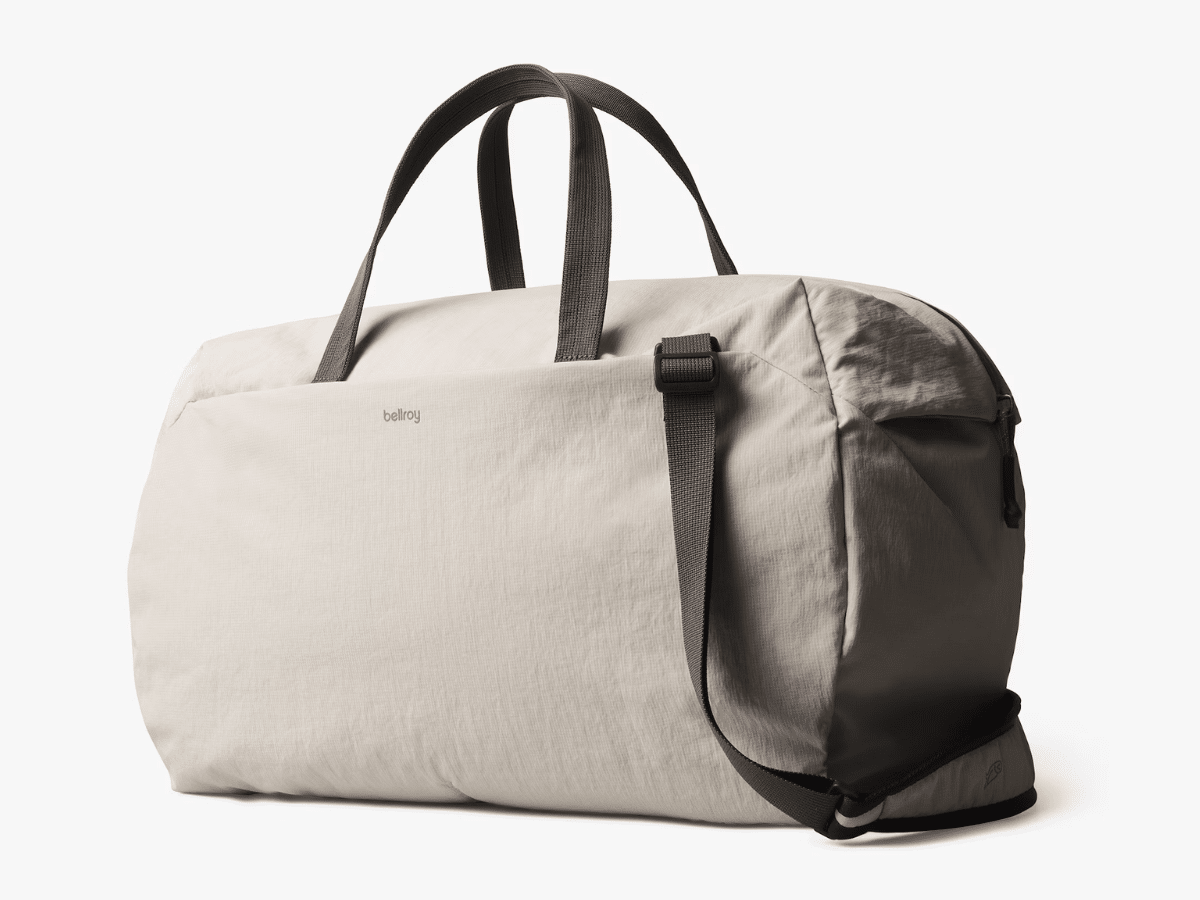
Based in Melbourne, Bellroy has become a leader in the sustainable accessories space. The Lite Duffel is constructed from 100% recycled PET plastic bottles, transformed into a durable, water-resistant ripstop fabric. Its primary advantage is weight-to-volume ratio; the bag can be folded or rolled when empty, making it a perfect secondary bag for travelers who anticipate returning with more than they took.
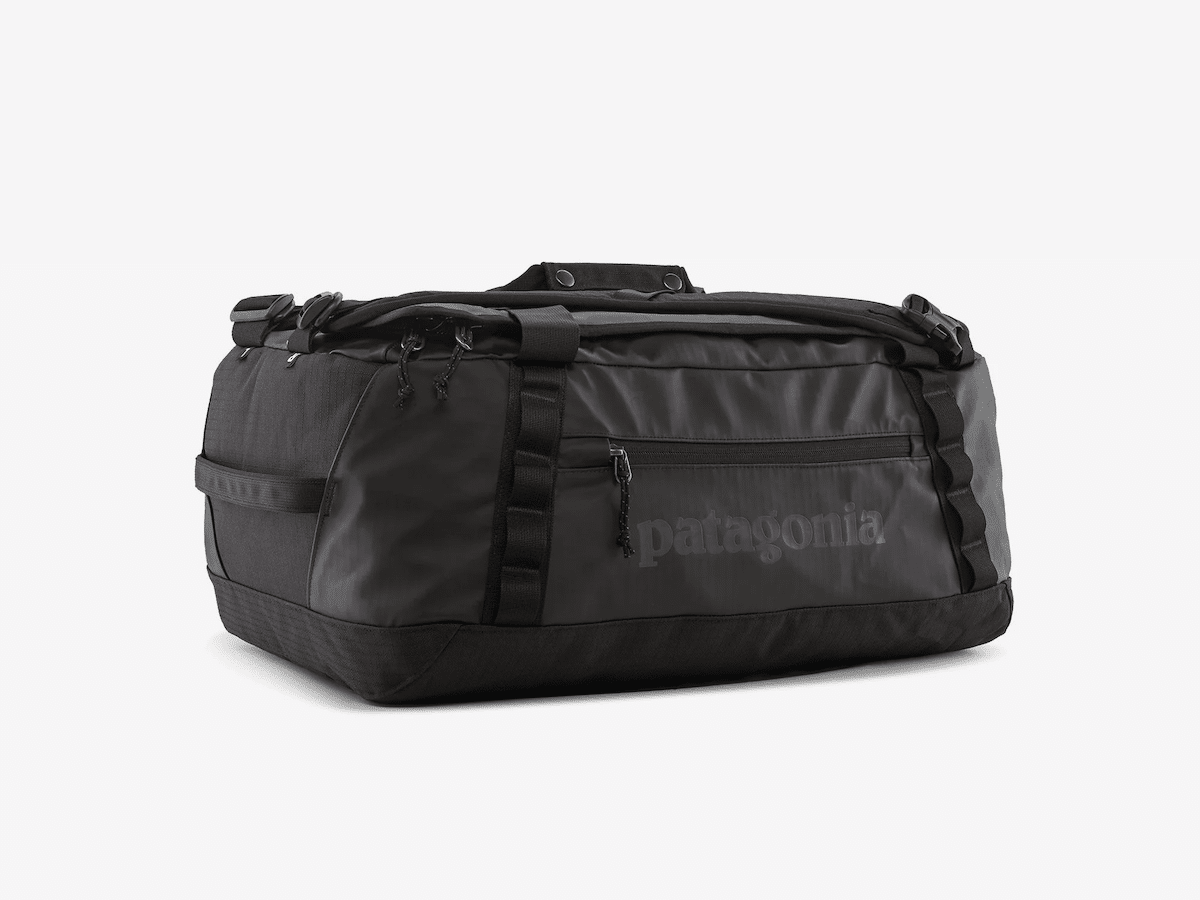
3. Patagonia Black Hole Duffel 40L
For the adventure-focused demographic, the Patagonia Black Hole series remains the industry benchmark. The 40L version is engineered from post-consumer recycled polyester ripstop with a TPU-film laminate, providing extreme weather resistance. In 2023, Patagonia updated the line to feature 100% recycled body fabric and webbing, aligning with the growing consumer demand for transparent supply chains and environmental accountability.
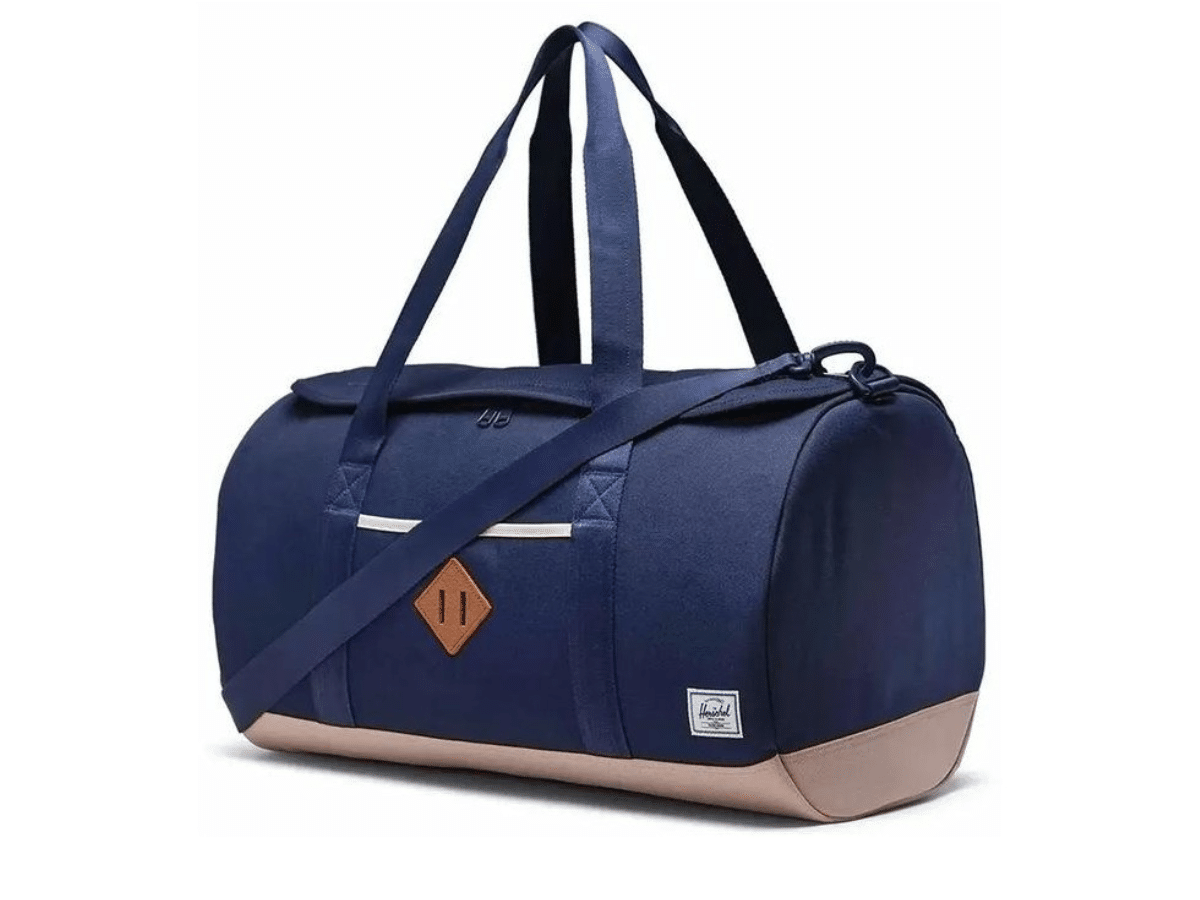
4. Herschel Heritage Duffle
Herschel Supply Co. has successfully occupied the mid-market "entry-level luxury" niche. The Heritage Duffle emphasizes a classic aesthetic—utilizing signature striped liners and reinforced handles—at a price point accessible to young professionals. While it lacks the technical modularity of higher-end competitors, its durability and timeless silhouette provide significant long-term value.
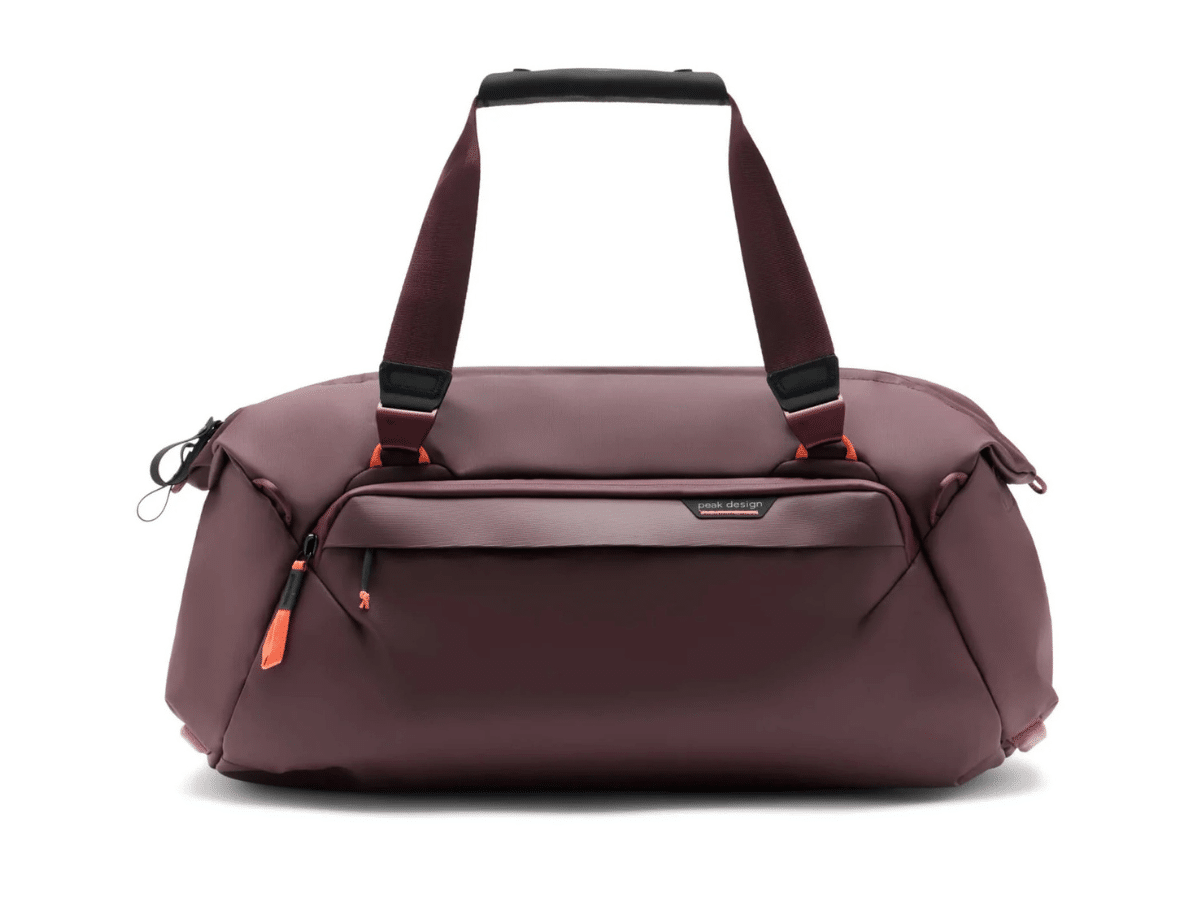
5. Peak Design Travel Duffel 35L
Peak Design, originally a photography equipment manufacturer, has applied "design thinking" to the luggage sector. The 35L Travel Duffel features an extra-long zip path that provides significantly wider access than traditional bags. Its integration with the brand’s "Packing Tool" ecosystem allows users to customize the interior for camera gear, electronics, or apparel, making it the preferred choice for digital nomads and creative professionals.
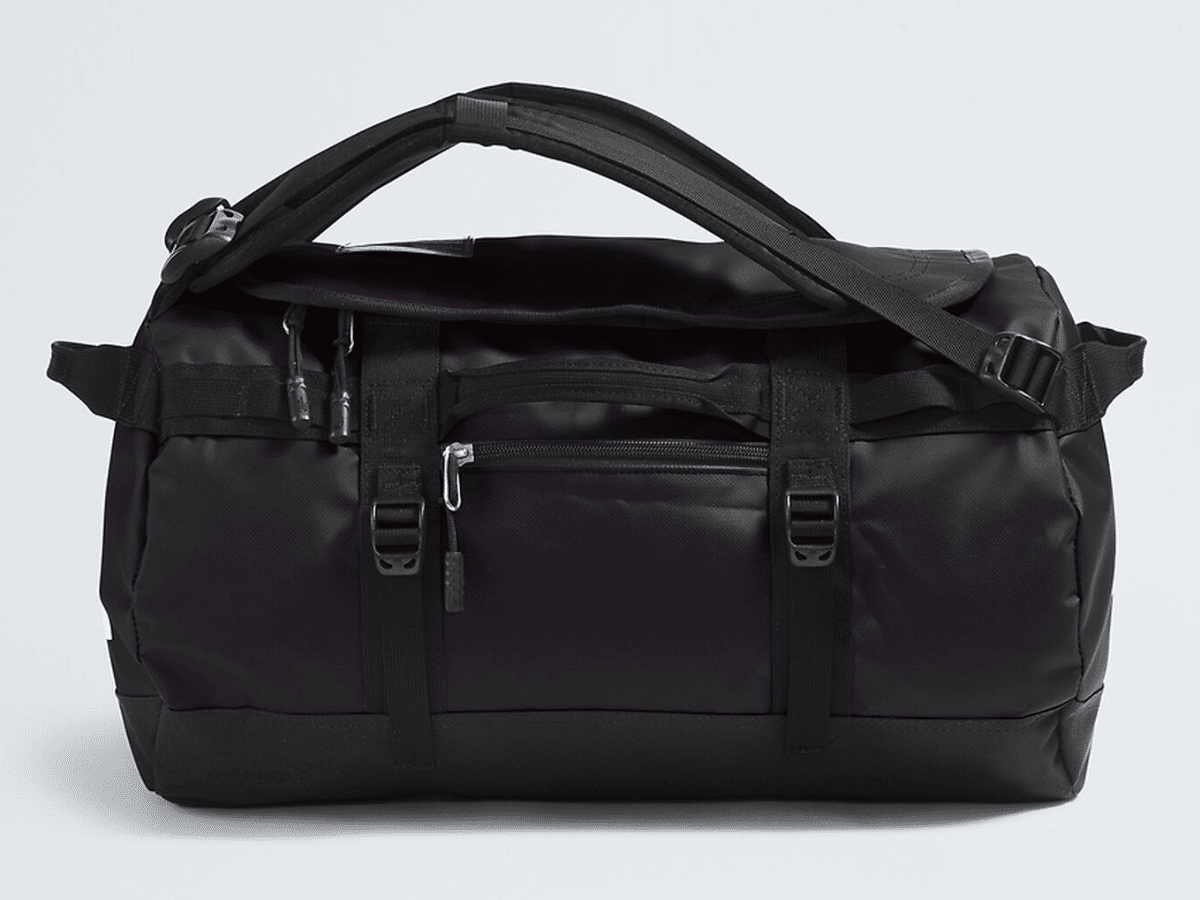
6. The North Face Base Camp Duffel (Size XS)
Often cited as the most durable bag in the world, the Base Camp Duffel is built from water-resistant ballistic nylon with double stitching and extra bartacks. The 31-liter "Extra Small" version is specifically sized for overnight urban use, providing the ruggedness of expedition-grade gear in a format suitable for overhead bins and gym lockers.
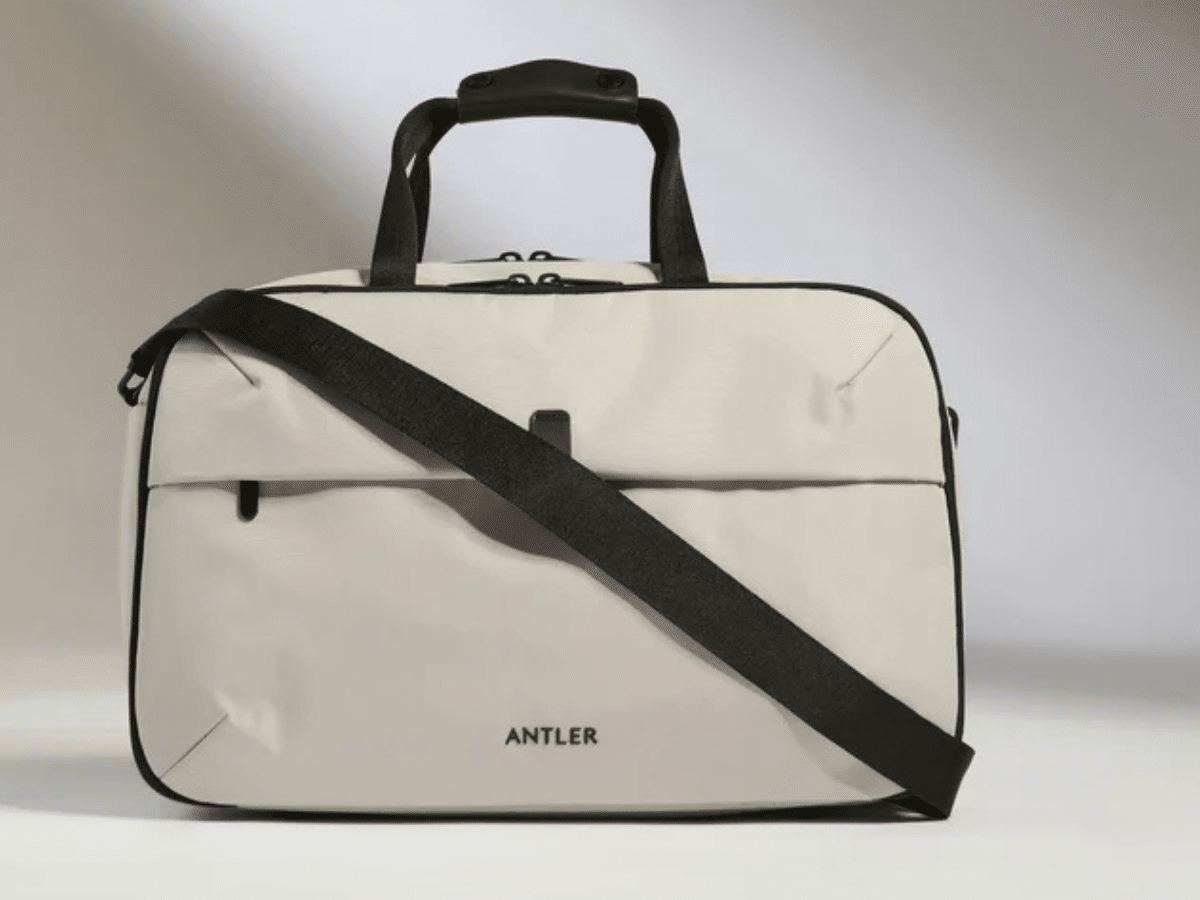
7. Antler Urban Light Overnight Bag
British heritage brand Antler, established in 1914, has modernized its offering with the Urban Light range. This 25-liter bag is designed for the "minimalist executive." Its lightweight construction (under 1kg) addresses the increasingly stringent weight limits imposed by budget carriers in Europe and the Asia-Pacific region.
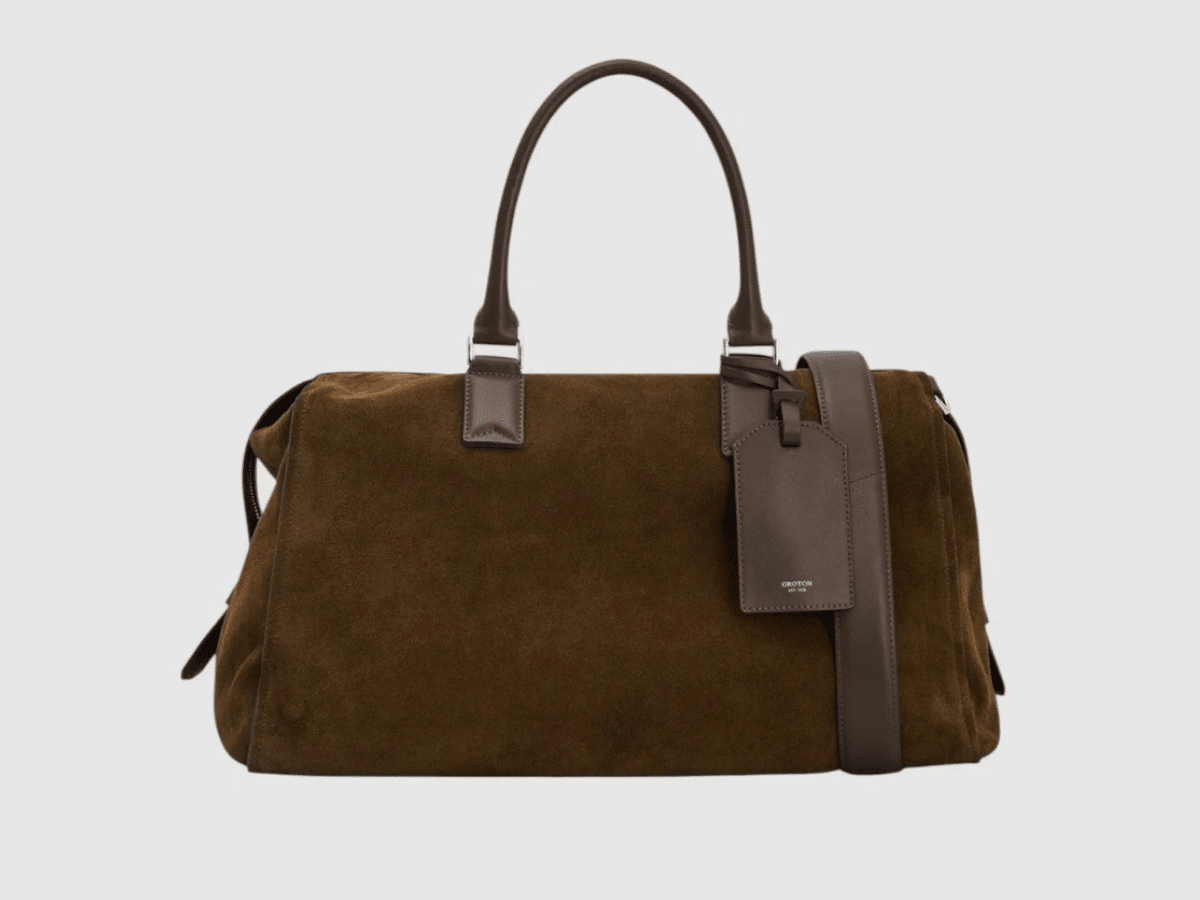
8. Oroton Paxton Suede Weekender
Representing the luxury leather segment, the Oroton Paxton utilizes premium cow suede. While synthetic materials dominate the "performance" sector, high-end leather remains the standard for formal business travel. The 33-liter capacity ensures that a suit and dress shoes can be transported with minimal creasing, provided proper packing techniques are employed.
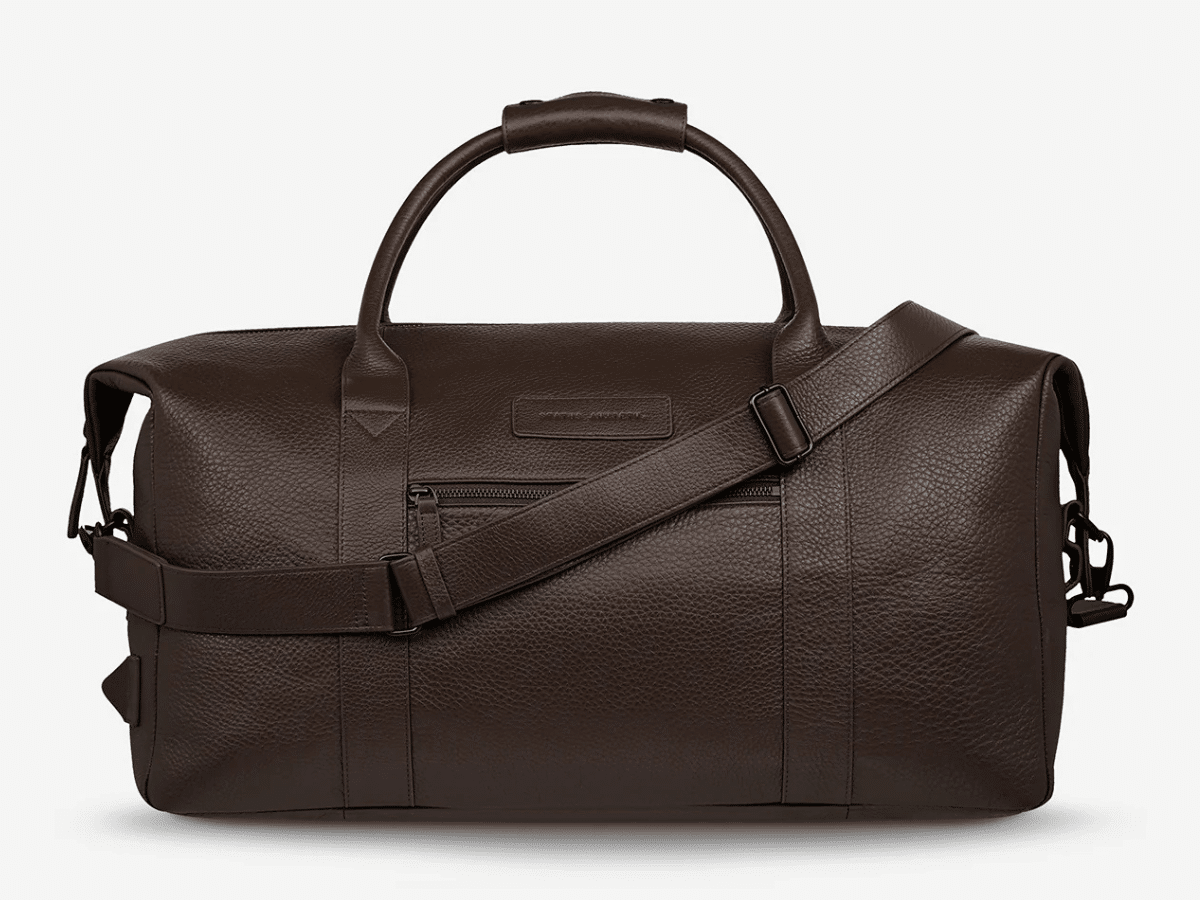
9. Status Anxiety Everything I Wanted
Status Anxiety focuses on "pebbled" leather, which is more resistant to visible scratching than smooth hides. This bag bridges the gap between casual and formal, offering a relaxed structure that adapts to the volume of its contents. It serves as a case study in the "slow fashion" movement, where durability and timelessness are prioritized over seasonal trends.
10. Maverick & Co. Vista Waterproof Weekender
As the vegan leather market is projected to reach $97 billion by 2030, Maverick & Co. has positioned the Vista as a high-performance synthetic alternative. The bag is entirely waterproof, making it a strategic choice for travelers in tropical or high-precipitation climates. Its 25.5-liter capacity is strictly optimized for 24-hour trips, emphasizing a "carry-what-you-need" philosophy.
11. Monos Metro Carry-All Duffel
Monos has built its reputation on "mindful travel." The Metro Carry-All features a unique "QuickSnap" modular pocket system, allowing the front pouch to be detached and used as a separate tech organizer. This innovation reflects a broader industry trend toward modularity, where a single bag can be deconstructed to serve different purposes throughout a journey.
12. Republic of Florence Beltrami Weekender
Handcrafted in Italy, the Beltrami Weekender represents the traditionalist’s choice. Using vegetable-tanned full-grain leather, the bag is designed to develop a "patina"—a natural aging process that enhances the leather’s character over decades. This bag is frequently cited in "Buy It For Life" (BIFL) communities as a sustainable alternative to the "disposable" luggage cycle.
Technical Specifications and Capacity Metrics
Selecting the appropriate bag requires an understanding of volume metrics. For an overnight stay, a capacity of 20 to 30 liters is generally sufficient for a single change of clothes, a wash bag, and a laptop. However, if the itinerary includes a formal event requiring a second pair of shoes or a suit jacket, a 35 to 40-liter bag is recommended.
| Bag Model | Capacity | Primary Material | Best Use Case |
|---|---|---|---|
| July Carry All | 28L | Nylon/Leather trim | Frequent Flyers |
| Patagonia Black Hole | 40L | Recycled TPU Ripstop | Outdoor/Adventure |
| Antler Urban Light | 25L | Recycled Polyester | Short-haul Commuting |
| Republic of Florence | 38L | Full-grain Leather | Formal/Luxury Travel |
The "Bleisure" Impact and Professional Image
The psychological impact of luggage on professional perception is a documented phenomenon in corporate sociology. A 2022 survey of executive recruiters suggested that "attention to detail in personal equipment" is often correlated with organizational skills. As such, the transition from a worn-out gym bag to a structured weekender is viewed by many as a "career-stage" investment.
Furthermore, the rise of "bleisure" travel has created a need for bags that do not look out of place in a boardroom or a hotel bar. This has led to the "stealth wealth" aesthetic in luggage—bags that lack overt branding but are identifiable by the quality of their hardware (YKK zippers) and the grain of their fabric.
Material Science and Sustainability Trends
The luggage industry is currently undergoing a materials revolution. Beyond traditional leather and nylon, manufacturers are experimenting with:
- Cordura Eco: A fabric made from recycled waste that retains the abrasion resistance of virgin nylon.
- Vegan Leathers: Derived from pineapple fibers (Piñatex), mushrooms (Mylo), or recycled plastics.
- Carbon Neutrality: Brands like Monos and Patagonia have committed to carbon-neutral shipping and manufacturing, reflecting a shift in consumer values where the "cost" of a bag includes its environmental footprint.
Strategic Buyer’s Guide: Key Considerations
When investing in a premium overnight bag, consumers should evaluate four critical factors:
- Aperture Type: Top-loading bags are better for "stuffing" soft items, while clamshell openings are superior for maintaining the fold of formal shirts.
- Hardware Quality: The zipper is the most common point of failure. Look for "self-repairing" coil zippers or weather-guarded zippers from reputable manufacturers like YKK.
- Ergonomics: As weight increases, the quality of the shoulder strap becomes paramount. Look for contoured, padded straps with high-quality metal carabiners rather than plastic clips.
- Regulatory Compliance: IATA (International Air Transport Association) guidelines for carry-on luggage are generally 56 x 45 x 25 cm. Ensuring a bag stays within these dimensions prevents the inconvenience of gate-checking.
Conclusion: The Future of Men’s Travel
The overnight bag has transcended its role as a simple utility item to become a sophisticated tool for the modern man. Whether through the rugged sustainability of Patagonia or the artisanal craftsmanship of Republic of Florence, the market in 2024 offers a solution for every travel profile. As technology continues to integrate with textile science, the next generation of bags will likely feature smart-tracking capabilities and even lighter, stronger composite materials, further refining the art of the short-term escape. For now, the 12 bags listed above represent the gold standard in balancing form, function, and the demanding requirements of 21st-century mobility.



 Yuyun Lusiyani
 Ana Megawati
 Joko Widodo
 Eva Lovia
 Jia Lissa
 Pevita Pearce