
 Joko Widodo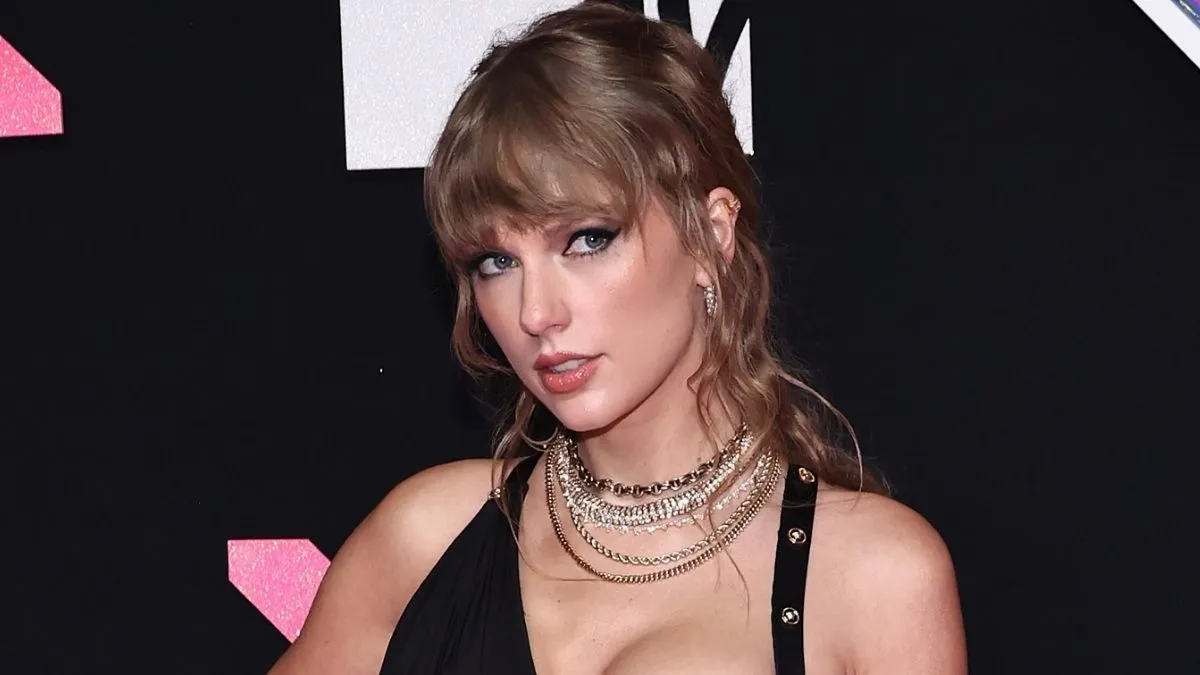
The recent unveiling of Taylor Swift’s cover art for her highly anticipated new single, "Patient Zero," has ignited a fervent debate across social media platforms, with a significant segment of her fanbase and online observers leveling accusations of excessive photo editing and potential AI manipulation. The striking image, released on September 22nd, showcases the global superstar in a dramatic side-profile pose, leaning against a textured wall. Swift is depicted with a high-neck, seemingly backless dress, her fringe artfully falling across her forehead, drawing immediate attention to her kohl-lined eyes that gaze directly into the camera. While the visual aimed to capture a mood of enigmatic allure, the execution has instead drawn scrutiny regarding its digital fidelity.
The artwork has rapidly become a focal point of online discussion, garnering millions of views and an avalanche of comments. Swifties, the devoted fanbase of the Grammy-winning artist, have expressed a spectrum of reactions, ranging from unreserved admiration to pointed critique. However, a discernible undercurrent of concern has emerged, centered on the perceived artificiality of the image. Critics contend that the visual presentation deviates from Swift’s natural appearance, suggesting a heavy reliance on digital retouching tools. This has led to widespread speculation about the extent of post-production applied to the photograph, with some users questioning the competence of the creative team involved.
Fans Raise Concerns Over Digital Alteration
The core of the controversy lies in the detailed examination of the "Patient Zero" cover art. Fans and social media users have meticulously dissected the image, highlighting specific areas that they believe indicate digital manipulation. The profile of Swift’s face, the texture of her skin, and the overall rendering of her features have been cited as evidence of what they deem to be over-editing. This has fueled a narrative that the image is not an authentic representation but rather a digitally constructed ideal.
Social media platforms, particularly Instagram and X (formerly Twitter), have become the primary arenas for these discussions. On Instagram, comments under the official announcement post have voiced bewilderment and disappointment. One widely circulated comment articulated a sentiment shared by many: "So I’m not the only one? I saw this earlier and thought gosh who is this photographer. I hate to throw shade at anybody, but this honestly isn’t up to par." This sentiment underscores a feeling that the quality of the image fails to meet the high standards expected from an artist of Swift’s caliber and her association with top-tier creative professionals.
The critique extends beyond mere dissatisfaction with aesthetic choices. Many commenters have gone further, suggesting the use of Artificial Intelligence (AI) in the editing process. The rapid advancements in AI-powered image generation and editing tools have made such accusations more prevalent in discussions surrounding celebrity imagery. The perceived "smoothness" and "perfection" of certain elements within the "Patient Zero" artwork have led some to believe that AI algorithms were employed to achieve an unnatural level of polish, potentially at the expense of genuine human artistry. Another Instagram user lamented, "It feels so fake and rushed," encapsulating the impression that the artwork lacks authenticity and was perhaps produced with haste.
Even staunch supporters, identifying themselves as "huge Swifties," have admitted to reservations. One fan confessed, "I’ve been a huge Swiftie for years, but this new single artwork just didn’t look right to me." This indicates that the concerns are not solely from casual observers but also from those deeply invested in Swift’s career and image. The lack of immediate visual authenticity has, for some, tarnished the excitement surrounding the new single’s release.
Chronology of the Controversy
The controversy surrounding the "Patient Zero" cover art began to unfold immediately following its official release on September 22nd. The announcement, made through Swift’s official social media channels, was met with an initial wave of excitement from her global fanbase. However, this initial enthusiasm quickly gave way to detailed scrutiny of the accompanying artwork.
September 22nd: Taylor Swift unveils the cover art for her new single, "Patient Zero." The image, featuring her in a distinctive side profile, is posted across her social media platforms.
Within hours of release: Initial reactions emerge, with many fans expressing delight. Simultaneously, a counter-narrative begins to form as some users start questioning the image’s authenticity and suggesting digital alteration.
Over the following days: Discussions intensify across Instagram, X, and other social media platforms. Hashtags related to "Taylor Swift Photoshop" and "Patient Zero AI" begin to gain traction. Numerous posts and threads are dedicated to dissecting the artwork, with users sharing screenshots and highlighting perceived inconsistencies.
Specific criticisms surface: Users point to the texture of Swift’s skin, the rendering of her hair, and the overall luminescence of the image as evidence of heavy editing. Comparisons are drawn to previous, seemingly more natural, promotional images.
AI accusations gain momentum: The concept of AI manipulation becomes a prominent theory, with users attributing the perceived artificiality to advanced AI editing tools.
Media outlets begin reporting: The growing online debate attracts the attention of entertainment news websites and blogs, leading to broader coverage of the Photoshop and AI allegations.
September 25th: The single "Patient Zero" is officially released, with the cover art now irrevocably linked to the ongoing public discussion about its visual treatment.
Throughout this period, Taylor Swift herself has maintained a public silence regarding the accusations. Her team has also not issued any official statements addressing the fan concerns. This lack of direct comment has, in some instances, further fueled speculation, as fans seek official clarification or acknowledgment of their observations.
Supporting Data and Context
The context of the "Patient Zero" artwork controversy is deeply rooted in the broader landscape of celebrity image management and the evolving role of digital technology in visual media. In the digital age, where images are easily manipulated, the line between enhancement and outright fabrication can become blurred. For public figures like Taylor Swift, whose image is meticulously curated for public consumption, the scrutiny over her visual presentation is particularly intense.
Historical Precedent: Accusations of photo editing are not new to the music industry or to Swift herself. Many artists across genres have faced similar criticisms for the use of retouching in promotional materials. This has led to a heightened awareness among consumers about the prevalence of digitally altered imagery. In recent years, there has been a growing movement advocating for greater transparency in image manipulation, with some publications and brands pledging to disclose when images have been significantly altered.
The Rise of AI in Creative Fields: The proliferation of sophisticated AI tools has added a new layer to this discussion. AI can now generate photorealistic images, seamlessly remove blemishes, alter facial features, and even create entirely new visual content based on textual prompts. This technological advancement has made it increasingly difficult for the average viewer to distinguish between human-generated and AI-assisted imagery. When an image appears unnaturally perfect or exhibits subtle inconsistencies that suggest algorithmic intervention, AI becomes a plausible explanation.
Swift’s Extensive Visual Branding: Taylor Swift has built a formidable brand that is heavily reliant on compelling visual storytelling. Her album covers, music videos, and promotional photography are often integral to the thematic narrative of her music. The artwork for "Patient Zero" is intended to set a tone for the single, and its perceived flaws have the potential to inadvertently shape the initial perception of the song itself. The pressure to produce visually striking and memorable imagery is immense for artists at the pinnacle of their careers.
The "Patient Zero" Title and Theme: While the specific lyrical content of "Patient Zero" has not been fully revealed at the time of this report, the title itself evokes themes of origin, beginnings, and perhaps contagion or spread. This could imply a visual aesthetic that aims for a raw, impactful, or even slightly unsettling quality. However, if the execution of this aesthetic is perceived as artificial, it could detract from the intended thematic resonance.
Engagement Metrics: The sheer volume of engagement with the "Patient Zero" artwork, exceeding 7 million views, underscores the significant public interest in Swift’s new releases. This widespread attention, while positive in terms of reach, also amplifies any criticisms or controversies that arise. The intense focus from her fanbase means that any perceived misstep in visual presentation is likely to be amplified and debated extensively.
Broader Impact and Implications
The controversy surrounding Taylor Swift’s "Patient Zero" single artwork, while seemingly focused on a single image, carries broader implications for artists, their creative teams, and the public’s perception of authenticity in the digital age. The intensity of the fan reaction highlights a growing demand for transparency and a desire to connect with artists in a more genuine way.
Erosion of Trust: When a significant portion of an artist’s fanbase perceives their promotional materials as heavily manipulated or artificial, it can lead to a subtle erosion of trust. While fans understand that some level of retouching is standard, excessive alteration can create a disconnect, making the artist appear less relatable or authentic. This is particularly relevant for artists like Swift, who have cultivated a strong personal connection with their audience.
The Role of AI in Artistic Integrity: The debate over AI in image editing raises fundamental questions about artistic integrity. If AI tools are used to create or significantly alter an image, to what extent can it still be considered the artist’s or photographer’s original vision? The perceived use of AI in the "Patient Zero" artwork could spark a wider conversation about the ethical boundaries of AI in creative industries and how to maintain a balance between technological advancement and human artistry.
Brand Management and Public Relations: For Swift’s management and public relations team, this controversy presents a challenge. The lack of an official response leaves the situation open to interpretation and continued speculation. Future strategies for image release may need to consider the heightened sensitivity of fans and the public to digitally altered visuals. A proactive approach, perhaps involving greater transparency about editing processes or showcasing behind-the-scenes content that highlights the human element of photography, could be beneficial.
Fan Expectations and Digital Literacy: The intense scrutiny from Swift’s fanbase also speaks to a growing level of digital literacy. Fans are increasingly adept at spotting inconsistencies and identifying signs of digital manipulation. This suggests that artists and their teams must be more diligent in their post-production efforts, aiming for enhancements that maintain naturalism rather than striving for an unattainable level of digital perfection.
Impact on the Single’s Reception: While it is difficult to definitively quantify, the negative discourse surrounding the cover art could potentially influence the initial reception of the "Patient Zero" single. The artwork serves as a visual gateway to the song, and if the first impression is one of artificiality or controversy, it might color listeners’ expectations or even their willingness to engage with the music. Conversely, for some, the controversy might simply add another layer of buzz to the release.
In conclusion, the "Patient Zero" artwork controversy serves as a potent reminder of the complex relationship between celebrity, visual media, and public perception in the digital era. As technology continues to evolve, the conversations around authenticity, artistic integrity, and the ethical use of digital tools in creating and presenting public images will undoubtedly become even more critical. The sustained dialogue surrounding this particular artwork underscores the discerning eye of Taylor Swift’s global audience and their deep investment in the visual narrative of their favorite artist.




 Yuyun Lusiyani
 Jia Lissa
 Pevita Pearce
 admin
admin
