
 Joko Widodo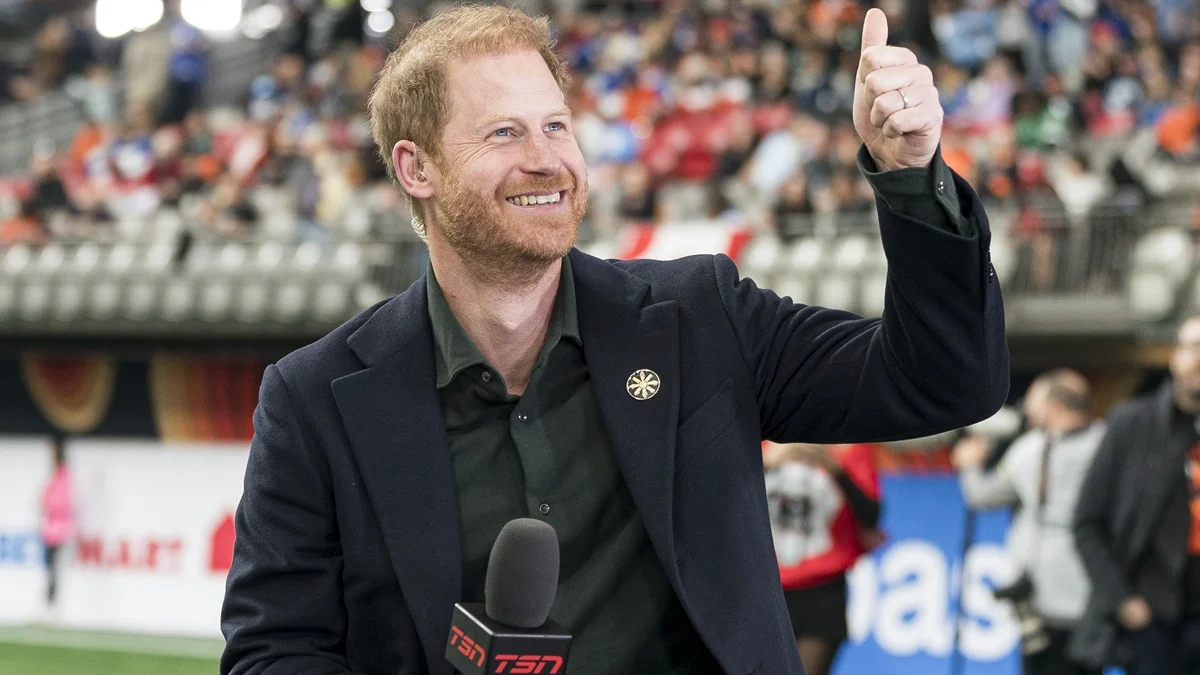
Recent visits to the United Kingdom have reportedly offered Prince Harry a profound sense of renewed independence and clarity, according to a close source. Since stepping back as a senior working royal in 2020 alongside his wife Meghan Markle, the Duke of Sussex has embraced a lifestyle characterized by greater autonomy over his schedule and charitable endeavors. His latest return to British soil, with Meghan and their children, Prince Archie and Princess Lilibet, has reportedly underscored the value he places on this newfound control, a stark contrast to the structured and often scrutinized life within the Royal Family.
A Deliberate Shift Towards Autonomy
"Being back in the U.K. has really highlighted how different things are in his life now; he’s his own boss, and he has no intention of giving that up," the source told Closer magazine. This sentiment suggests a deep-seated satisfaction with the decision to forge a new path, one where personal interests and philanthropic passions can be pursued without the inherent constraints of royal protocol and public expectation. The insider elaborated that Harry deeply appreciates the ability to select the causes he champions, unburdened by a preordained royal calendar. "He has a huge amount of freedom now, which is exactly what he wanted," the source added, emphasizing the deliberate nature of their transition.
This freedom extends to their ability to choose projects that genuinely resonate with them, work on their own timelines, and adopt approaches to their commitments that differ significantly from those of active working royals. This divergence allows the Sussexes to tailor their philanthropic efforts and commercial ventures to align with their personal values and evolving interests, a flexibility that was not available to them in their previous roles.
Building Momentum on Charitable Foundations
During his recent UK stays, Prince Harry has been actively engaged in building a schedule of charitable engagements. These appearances have often been connected to causes close to his heart, such as the Invictus Games, the adaptive sports competition he founded for wounded, injured, and sick service personnel and veterans, and Scotty’s Little Soldiers, a charity supporting bereaved British Armed Forces children. These engagements are not merely symbolic; they represent a continuation and expansion of his long-standing commitment to military families and veterans’ welfare.
The source indicated that these recent appearances have injected fresh momentum into Harry’s charitable initiatives. "He’s saying he’s going to build on the momentum that he had when he was last in the U.K.," the insider claimed. This suggests a strategic approach to his philanthropic work, aiming to leverage existing platforms and public interest to further amplify the impact of his chosen causes. This proactive stance indicates a desire to not only maintain but also grow the influence and reach of his charitable endeavors, independent of any royal mandate.
Navigating Familial Echoes and Public Perception
However, Harry’s presence in the UK inevitably brings renewed attention to his relationship with the Royal Family. While the Duke seeks to project an image of independent success, the echoes of his past role and the ongoing dynamics within the monarchy remain a significant backdrop. Reports have emerged, such as a letter from the Lord Chamberlain reportedly characterizing Harry and Meghan as private citizens with commercial and charitable interests, which underscores the formal separation from their former royal duties. This distinction, while clarifying their new status, also serves as a constant reminder of the chasm that has formed.
The couple has also faced public discussion and commentary, including a recent comedy sketch that humorously referenced their Netflix deal, their royal status, and their complex relationship with King Charles. Such public discourse, while often lighthearted, highlights the ongoing fascination and scrutiny that the Sussexes attract, even as they strive for a more private and self-directed existence.
Despite these headlines and the inherent public interest in their family dynamics, the source maintains that Prince Harry remains resolutely focused on his charitable plans. "Harry says the reception he’s had has been overwhelmingly positive," the insider stated. This claim suggests an optimistic outlook, with Harry choosing to interpret interactions and public sentiment through the lens of his current priorities and personal achievements.
Security Concerns and the Enduring Quest for Independence
Prince Harry’s return to the UK also occurs amid persistent attention surrounding the security arrangements for Meghan and their children. The matter of their UK security situation remains a subject of public discussion, a complex issue intertwined with their decision to step back from royal duties and their subsequent relocation to the United States. The debate over state-funded security for non-working royals is a contentious one, raising questions about precedent, responsibility, and the evolving definition of royal protection.
Fundamentally, Harry reportedly continues to deeply value the independence he gained after stepping back as a senior working royal in 2020. This independence is not merely about personal freedom; it represents a fundamental redefinition of his public and private life. "He and Meghan can choose the things that genuinely resonate with them, do it on their own timeframe and approach it all in a much more relaxed way," the source concluded. This perspective paints a picture of a Duke who has found contentment in a life that allows for greater authenticity and personal fulfillment, a stark departure from the pressures and expectations of his former life.
The Broader Context: A Shifting Royal Landscape
Prince Harry’s embrace of independence and his focused pursuit of charitable work occur within a broader context of a rapidly evolving Royal Family. The reign of King Charles III has seen a deliberate emphasis on a slimmed-down monarchy, with fewer working royals carrying out official duties. This strategic shift, while aimed at modernization and efficiency, has also created a more defined space for those who choose to step away from the core institution. Harry and Meghan’s departure, therefore, can be seen as an early, and perhaps definitive, example of this new model, where individuals can carve out their own roles and responsibilities outside the traditional framework.
The financial implications of their independent ventures are also a significant factor. The Sussexes have pursued lucrative deals with Netflix and Spotify, aiming to build a sustainable career and fund their philanthropic activities. This commercial success allows them to maintain a lifestyle and undertake projects that might otherwise be impossible without royal patronage or funding. The ability to generate their own income streams is central to their claim of autonomy and self-sufficiency.
Historical Precedents and Future Implications
While Harry and Meghan’s situation is unique in its modern context, the desire for personal freedom and a different path has precedents within royal history. Individuals have, at various times, sought to redefine their roles or step back from public life to pursue personal interests or escape the constraints of royal duty. However, the digital age and the pervasive nature of media scrutiny amplify these decisions today, making a truly private life almost unattainable.
The long-term implications of Prince Harry’s current trajectory remain to be seen. His continued engagement with charitable causes, particularly those related to veterans and mental health, positions him as a significant advocate in these areas. His ability to leverage his global profile for these causes, independent of the Crown, could prove to be a powerful force for good. However, the ongoing tensions with the Royal Family, coupled with public curiosity and occasional criticism, will undoubtedly continue to shape his narrative and influence. The source’s claims suggest a Duke who is not only enjoying his independence but actively cultivating it, building a future defined by his own choices and driven by his personal passions. The challenge will be to navigate this path while maintaining a constructive relationship with his family and a positive public perception, a delicate balancing act that will continue to be a central theme in his post-royal life. The emphasis on "control over his own schedule and charitable work" highlights a desire for agency, a fundamental human need that, for Prince Harry, has evidently become the cornerstone of his present happiness and future aspirations.




 Yuyun Lusiyani
 Jia Lissa
 Pevita Pearce
 admin
admin
