
 Eva Lovia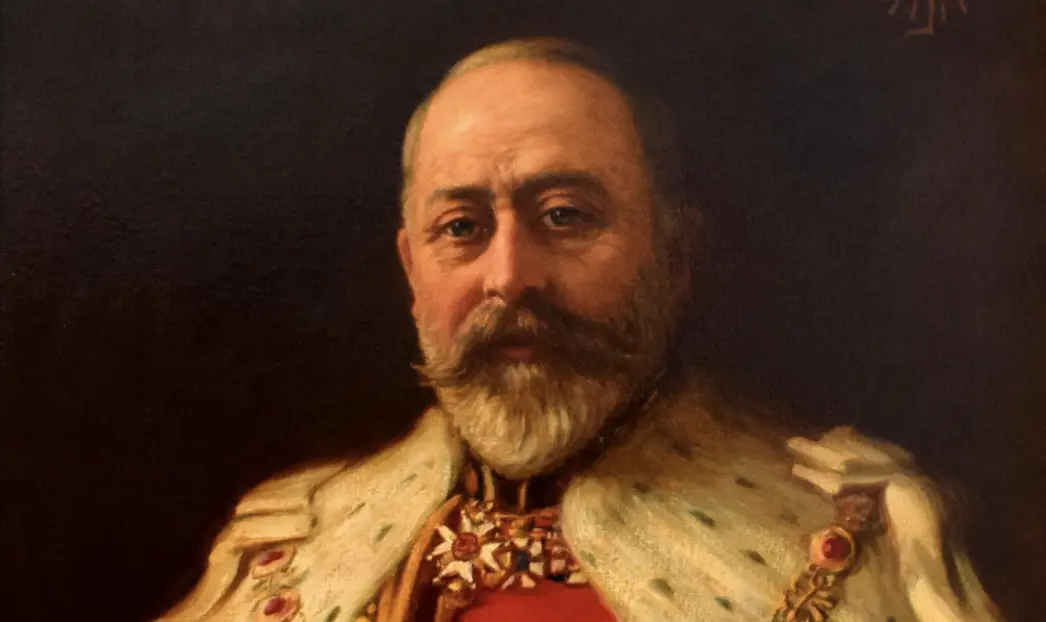
A significant piece of British culinary and royal history has been permanently preserved for future generations with the donation of Rules, London’s oldest restaurant, to the National Trust. This esteemed establishment, a cornerstone of Covent Garden’s vibrant cultural landscape, has been a favoured dining destination for centuries, witnessing the ebb and flow of society, from clandestine royal rendezvous to modern-day celebrity patronage. The generous donation by its current owner, J-P Mayhew, ensures that the building, its celebrated interior, and the rich tapestry of stories it holds will be safeguarded indefinitely.
A Legacy Steeped in Royalty and Refinement
Established in 1798, Rules first opened its doors during the reign of King George III. However, it was his great-grandson, King Edward VII, who truly cemented the restaurant’s reputation as a discreet haven for aristocratic indulgence. Edward VII, known for his flamboyant lifestyle and numerous extramarital affairs, frequently patronized Rules to entertain his mistresses. Among his notable paramours were the celebrated actress Lily Langtry and the influential society hostess Daisy Greville, Countess of Warwick. These liaisons, conducted away from the prying eyes of the public and the strictures of royal protocol, contributed to Rules’ aura of exclusivity and discretion. The restaurant’s prime location in Maiden Lane, Covent Garden, offered the perfect setting for such clandestine meetings, allowing patrons to blend seamlessly into the bustling theatre district.
The historical significance of Rules extends beyond its association with Edward VII. Over its more than two centuries of operation, the restaurant has hosted a remarkable array of prominent figures. From literary giants like Charles Dickens and Arthur Conan Doyle to cinematic legends such as Charlie Chaplin, and even Hollywood A-listers like Harrison Ford and Madonna in more recent times, the guest book reads like a who’s who of British and international culture. This continuous patronage underscores Rules’ enduring appeal and its ability to adapt while retaining its core identity.
The Generous Donation: Securing a Storied Past
The decision by J-P Mayhew, the current proprietor, to entrust Rules to the National Trust marks a pivotal moment in the restaurant’s long history. The donation encompasses not only the freehold of the building itself but also the annual rent derived from the restaurant’s operations. This comprehensive transfer of ownership provides the National Trust with the means to ensure the long-term preservation and maintenance of the property.
The collection of historical artefacts accompanying the donation is equally invaluable. Old signs, menus, and visitor books, some bearing the signatures of royalty and luminaries from bygone eras, offer tangible links to the past. These items will allow the National Trust to not only protect the physical structure of Rules but also to curate and share its rich narrative with the public. This approach aligns with the Trust’s mission to conserve places of historic or natural importance for the benefit of the nation.
A Chronology of Culinary and Cultural Significance
The journey of Rules from its inception to its current protected status can be traced through key historical periods:
- 1798: Rules is founded by Thomas Rule, an ambitious restaurateur, in the heart of Covent Garden. Initially, it served as an oyster bar, a popular delicacy of the era.
- Late 19th Century – Early 20th Century: Under the patronage of King Edward VII and other members of the aristocracy, Rules gains a reputation for discretion and fine dining. The King’s frequent visits with his mistresses become a well-known, albeit discreet, aspect of its history.
- World Wars I and II: Despite the upheavals of global conflict, Rules continues to operate, providing a sense of continuity and normalcy for its patrons. The resilience of the establishment during these tumultuous times further cements its place in the nation’s heritage.
- Mid-20th Century Onwards: Rules continues to attract a diverse clientele, including prominent figures from the arts, literature, and film industries. It evolves with the times, adapting its menus and ambiance while striving to maintain its historical character.
- Late 20th Century – Early 21st Century: J-P Mayhew takes ownership and embarks on a dedicated effort to restore and preserve the restaurant, recognizing its unique historical value.
- March 2023: J-P Mayhew formally donates Rules to the National Trust, securing its future for generations to come.
Official Reactions and Future Implications
The announcement of the donation has been met with widespread acclaim from heritage organizations and individuals passionate about preserving British history. Hilary McGrady, Director-General of the National Trust, expressed her profound gratitude and highlighted the significance of the acquisition: "Mr. Mayhew’s extraordinary generosity, and the care he has poured into Rules over many decades, mean this beloved place has a future measured not in years but generations. This place is an outstanding piece of living history, with its corners where kings dined and writers and politicians plotted, and the traditions it kept alive through wars and upheaval."
McGrady’s statement emphasizes the National Trust’s commitment to safeguarding the unique atmosphere and historical integrity of Rules. The Trust views the restaurant as more than just a building; it is a repository of stories, traditions, and a tangible link to pivotal moments in British social and cultural history. The intention is to maintain Rules as a functioning restaurant, allowing visitors to experience its heritage firsthand while ensuring its physical and atmospheric preservation.
J-P Mayhew articulated his trust in the National Trust’s ability to fulfil this stewardship: "The Trust will protect this place in a way that no-one else could, safeguarding its bricks and mortar, its famous interior and its invisible atmosphere, too. I am grateful to them for believing in this idea and for protecting this building and two centuries’ worth of stories for people to enjoy forever." His sentiment reflects a deep personal connection to the establishment and a desire for its legacy to endure.
Broader Impact: A New Chapter for the National Trust
The inclusion of Rules in the National Trust’s portfolio marks a significant development. It represents the first historic restaurant to be housed within a National Trust property. This expansion of the Trust’s remit into the realm of culinary heritage opens new avenues for interpretation and public engagement. It suggests a growing recognition that places of cultural and social significance are not limited to grand houses and gardens but can also encompass establishments that have played a vital role in the daily lives and social fabric of the nation.
This acquisition is likely to have several implications:
- Enhanced Public Access to Heritage: The National Trust’s expertise in conservation and interpretation will ensure that the history of Rules is made accessible to a wider audience. This could involve guided tours, exhibitions, and educational programs that delve into the restaurant’s past, its famous patrons, and its role in London’s social history.
- New Model for Heritage Preservation: The successful preservation of a working restaurant could serve as a model for safeguarding other historic commercial establishments that are integral to a place’s identity and heritage.
- Economic Sustainability: By integrating Rules into its operational framework, the National Trust can leverage its resources and expertise to ensure the restaurant’s continued economic viability, a crucial factor for the preservation of any living heritage site.
- Strengthened Covent Garden’s Heritage Narrative: The National Trust’s stewardship will further solidify Covent Garden’s reputation as a district rich in history and culture, drawing attention to its unique past and its enduring appeal.
The donation of Rules to the National Trust is a triumph for heritage conservation. It ensures that this venerable institution, a silent witness to centuries of British history, will continue to offer its unique blend of gastronomy and history to future generations, allowing them to dine, as kings and celebrities once did, within its storied walls. The decision by J-P Mayhew is a testament to his foresight and dedication, guaranteeing that the echoes of royal dalliances, literary discussions, and countless celebratory meals will resonate within Rules for centuries to come.




 Ana Megawati
 Joko Widodo
 Pevita Pearce
 admin
admin
 Yuyun Lusiyani