Eva Lovia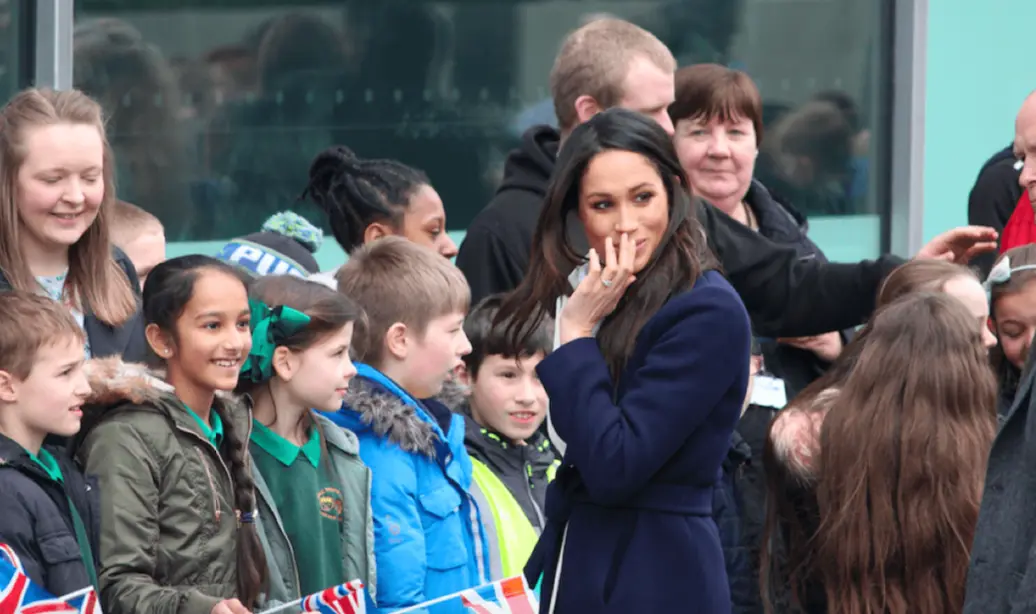
The Duke and Duchess of Sussex’s recent visit to Nottingham has ignited a debate about the nature of royal engagements and the evolving public roles of non-working members of the Royal Family. While the couple engaged in activities that bore a striking resemblance to traditional royal tours, their status as individuals who have stepped back from official duties on behalf of the Crown raises pertinent questions about representation, responsibility, and the perception of their public activities. This analysis delves into the context of the visit, explores the nuances of royal protocol, and examines the broader implications of the Sussexes’ approach to public life.
Nottingham Visit: A Familiar Spectacle
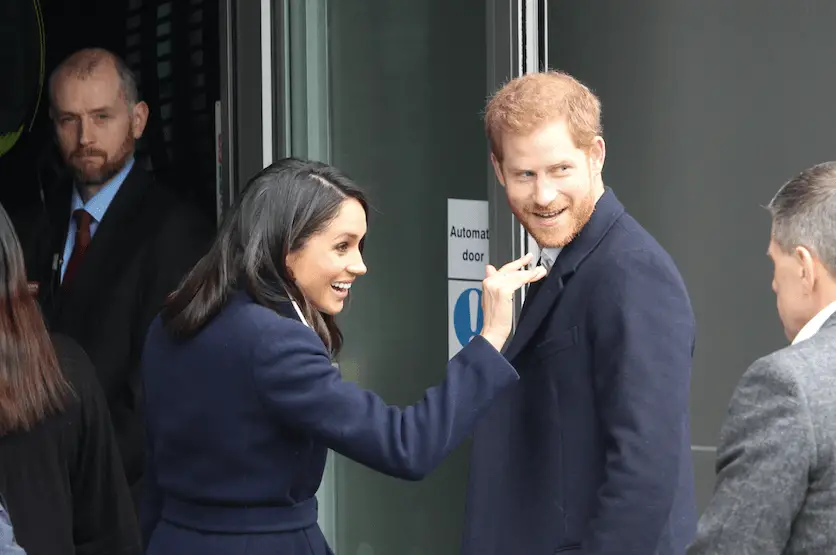
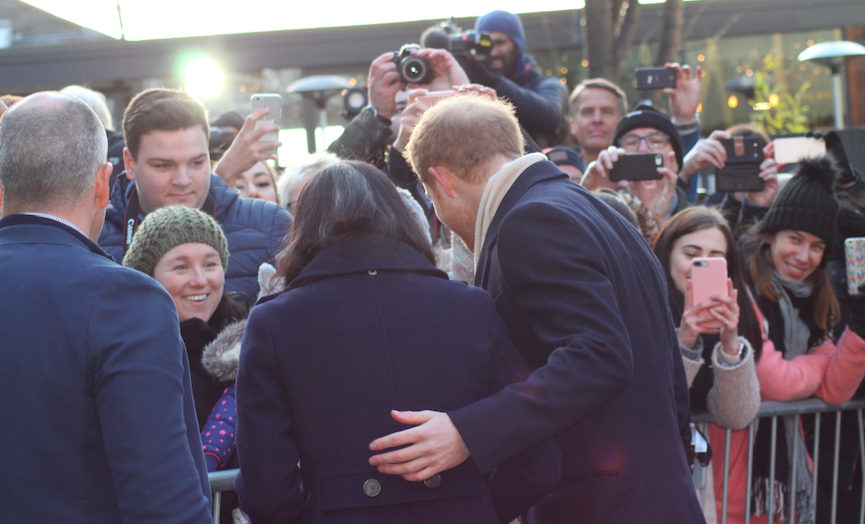
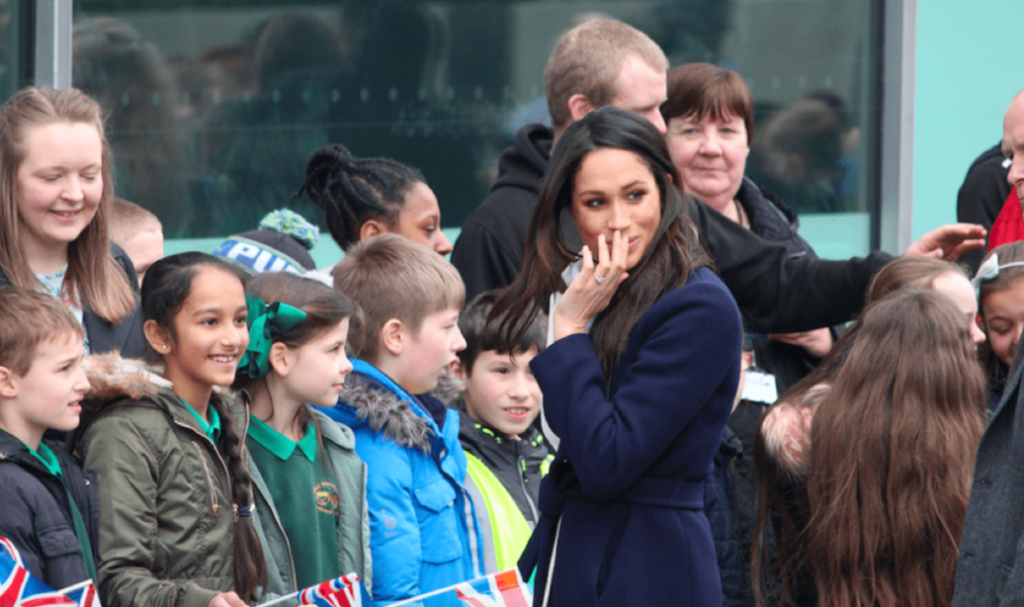
The Duke and Duchess of Sussex, Prince Harry and Meghan Markle, arrived in Nottingham on a Thursday, drawing considerable public attention. Reports indicated they were met by cheering crowds, offered bouquets of flowers, and individuals eager to catch a glimpse of them. Their itinerary included visits to community organisations, interactions with young people, participation in various activities, and a series of carefully orchestrated public appearances. This pattern of engagement is, on the surface, remarkably similar to what has historically defined a royal visit.
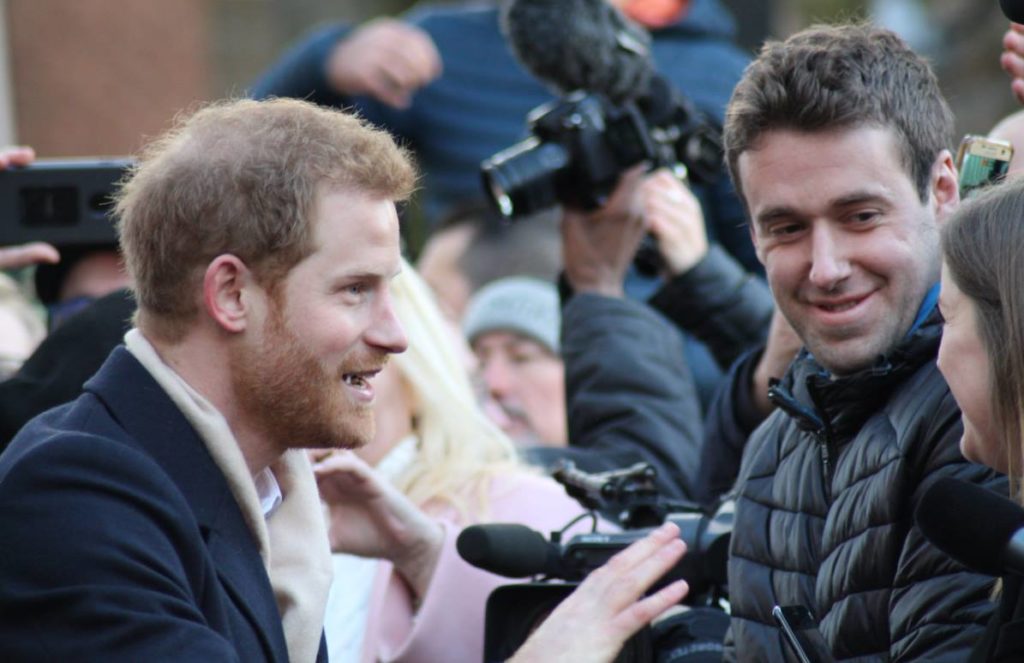
The visual and programmatic elements of the day – the walkabouts, the greetings from well-wishers, the carefully planned schedule of engagements – all contribute to an atmosphere reminiscent of official royal duties. Meghan was reportedly overheard expressing her delight, stating it was "great to be back," while Prince Harry engaged in conversations with schoolchildren. The couple moved between different venues, with each appearance attracting significant media coverage, a hallmark of royal tours.
The Core Discrepancy: Status and Representation
The crux of the discussion, however, lies in a fundamental distinction: Harry and Meghan are no longer working members of the Royal Family. Having chosen to step back from their senior royal roles, they no longer carry out official duties on behalf of His Majesty the King. This means they are not officially representing the Crown. Yet, their engagements in Nottingham, and indeed in other public appearances, often mirror the outward presentation of working royals.
This situation presents a curious paradox: undertaking a series of engagements that appear to emulate the royal life they consciously opted to leave behind. This has led to the characterisation of their current public activities as operating within an "increasingly curious world of royal appearances without royal responsibilities."
Entitlement to Engage, but the Manner Matters
It is crucial to acknowledge that Prince Harry and Meghan Markle retain the right to visit any location they choose and to support charitable causes or champion issues they deem important. There is no requirement for royal permission for them to engage in such activities. They are free to visit community organisations, meet young people, and participate in beneficial initiatives.
However, the central point of contention is not their entitlement to engage, but the manner in which these visits are presented and perceived. The issue is not simply about whether they are allowed to visit a recording studio or a food bank; of course, they are. The concern arises from the presentation of these visits, the attention they command, and the undeniably "royal" character of the spectacle.
The narrative surrounding their Nottingham visit suggests it transcended a simple private visit by a couple to a local charity. The arrival to eager crowds, the posing for photographs, the greeting of well-wishers, and the structured itinerary across multiple organisations all align with the conventions of official royal engagements.
The Missing Element: The Crown’s Authority
A particularly telling detail from the reports of the Nottingham visit was the absence of a Lord-Lieutenant greeting the couple as the King’s representatives. This distinction is significant. A Lord-Lieutenant is an official appointed by the Crown to represent the monarch in a specific county. Their involvement is an integral part of the constitutional and ceremonial framework that underpins the monarchy.
Harry and Meghan were not visiting Nottingham in their capacity as representatives of the King. They were there in their own capacity as private individuals, albeit individuals with royal titles and a global profile. While there is nothing inherently wrong with this, the article argues for the importance of making this distinction abundantly clear. The difference between an official royal engagement and a visit by internationally recognised former senior royals is not merely semantic; it carries weight in terms of institutional authority.
A Blurring of Lines: Independent Figures vs. Working Royals
Prince Harry remains the King’s son, and Meghan remains his wife. They retain their titles, which inherently link them to the institution of the monarchy. However, these facts do not equate to them being working royals, nor do their activities automatically acquire the status of official royal engagements.
The article posits that the Sussexes cannot "have it both ways." They cannot disengage from the operational machinery of the monarchy and then expect their public appearances to be treated as if they are still operating within that established framework. This creates a situation where they are perceived to be occupying an "awkward space between the two" – independent public figures who retain the visibility and prestige associated with royalty while operating outside its formal structure.
The "Shadow Royal Family" Conundrum
The term "shadow royal family" has been used to describe this phenomenon, suggesting a parallel existence that, while perhaps not intentionally orchestrated, creates a degree of ambiguity. The question arises: what precisely are Harry and Meghan attempting to be in the public sphere?
They are not ordinary private citizens. Their titles, considerable wealth, international prominence, and established connections ensure that their activities attract extraordinary attention. They possess the ability to command crowds and generate headlines in a manner few others can achieve.
Conversely, they are not working royals. They do not undertake official engagements on behalf of the King, nor do they represent the Crown in any formal capacity.
Nottingham as a Case Study
The Nottingham visit served as a vivid illustration of this dynamic. The Sussexes were able to undertake a programme of charitable visits, receive a public welcome, and generate media coverage typically associated with senior royals. Yet, this was not an official visit conducted on behalf of the Crown; it was presented as a "Sussex visit." The article contends that this distinction should not be obscured by the familiar language of royal reporting.
There is a fundamental difference between an individual supporting a charity and conducting what appears to be a royal tour. There is a distinction between being a celebrated public figure and representing the monarchy. Furthermore, possessing a royal title is not synonymous with carrying out royal duties.

The article suggests that while Harry and Meghan may be comfortable operating within this "grey area," the public should not be expected to disregard the inherent contradictions.
The Double-Edged Sword of Royal Identity
The supporters of the Duke and Duchess of Sussex will rightly point out that their activities often highlight important charitable work and champion worthy causes. Organisations supporting young people, addressing food poverty, and providing opportunities deserve attention. Their work, in its own right, is commendable.
However, the article argues that charitable causes should not be used as a shield to deflect legitimate questions about the Sussexes’ public role. Good intentions, while present, do not resolve the underlying contradiction.
The British monarchy operates on a clear distinction between the monarch, those who represent him, and other members of the Royal Family who may retain connections without undertaking official duties. This distinction, while sometimes complex, is crucial. Working royals have defined obligations, their engagements are embedded within an established institutional framework, and their public roles carry expectations that extend beyond mere public appearances.
Harry and Meghan’s decision to pursue a different life, a decision they were fully entitled to make, inevitably means accepting that their future public activities would differ from those who remain within the working monarchy. They cannot, the article suggests, selectively recreate the most visible elements of royal life when it suits them.
If their desire is to operate as independent philanthropists, they should be free to do so and encouraged in their support of charities. If they wish to visit places like Nottingham, no one should impede them. However, the argument is that there is no need to frame these activities as a substitute for an official royal operation.
The Impact on Charitable Endeavours and Public Perception
The organisations visited by the Sussexes in Nottingham have important work to do, and their efforts should be the primary focus. However, the arrival of Harry and Meghan inevitably shifts the spotlight towards the couple themselves – their return to Britain, their relationship with the monarchy, the size of the crowds, the photographs, and speculation about their future plans.
This phenomenon risks reducing the charitable work to a mere backdrop for a larger "Sussex narrative." The danger lies in a public role built on celebrity and royal identity rather than a clearly defined institutional purpose. Each visit risks becoming another chapter in the story of Harry and Meghan, rather than solely an opportunity to highlight the individuals and organisations they have come to support.
There is a discernible irony in the situation: the couple has spent years striving to establish their independence from the Royal Family, yet their continued public appeal relies heavily on their royal identity. If stripped of their titles, royal connections, and the public fascination with their relationship with the Crown, they would be recognised as two famous individuals visiting charities. While this in itself is not problematic, it is the royal dimension that elevates these visits into major news events. The article suggests it is unreasonable to expect the benefits of royal identity to be discarded when inconvenient and then reasserted when advantageous.
A Call for Clarity in Public Roles
Prince Harry and Meghan Markle are entirely free to construct their future as they see fit. They can choose to be philanthropists, campaigners, entrepreneurs, or influential public figures. They have the right to support causes both in Britain and internationally. Their decision to step back from royal duties does not obligate them to withdraw from public life entirely.
However, the British public is entitled to ask for clarity regarding the nature of their public activities. The critical question remains: are these visits private charitable activities undertaken by two independent public figures, or are they an attempt to establish a parallel royal role outside the institution they have left?
It is a factual assertion that the Sussexes are not the King’s representatives, nor are they undertaking official royal duties. Their visit to Nottingham, therefore, was not an official royal engagement, regardless of how familiar its outward appearance may have been. This distinction, the article argues, should be the foundational element for any discussion of their public work.
Harry and Meghan have every right to forge their own paths and make their own lives. They do not possess a monopoly on charitable endeavours, nor do they need to emulate the working monarchy to make a meaningful contribution. If their aspiration is independence, then they should embrace that independence fully and unequivocally.
The core argument concludes with a definitive statement: Britain already has a Royal Family. It does not require a second, unofficial version operating in parallel, one that seemingly borrows the spectacle of royal life while conspicuously leaving the accompanying responsibilities behind. This distinction, the article implies, is essential for maintaining clarity and integrity in the public perception of royal and quasi-royal activities.


 Yuyun Lusiyani
 Joko Widodo
 admin
admin