
 Eva Lovia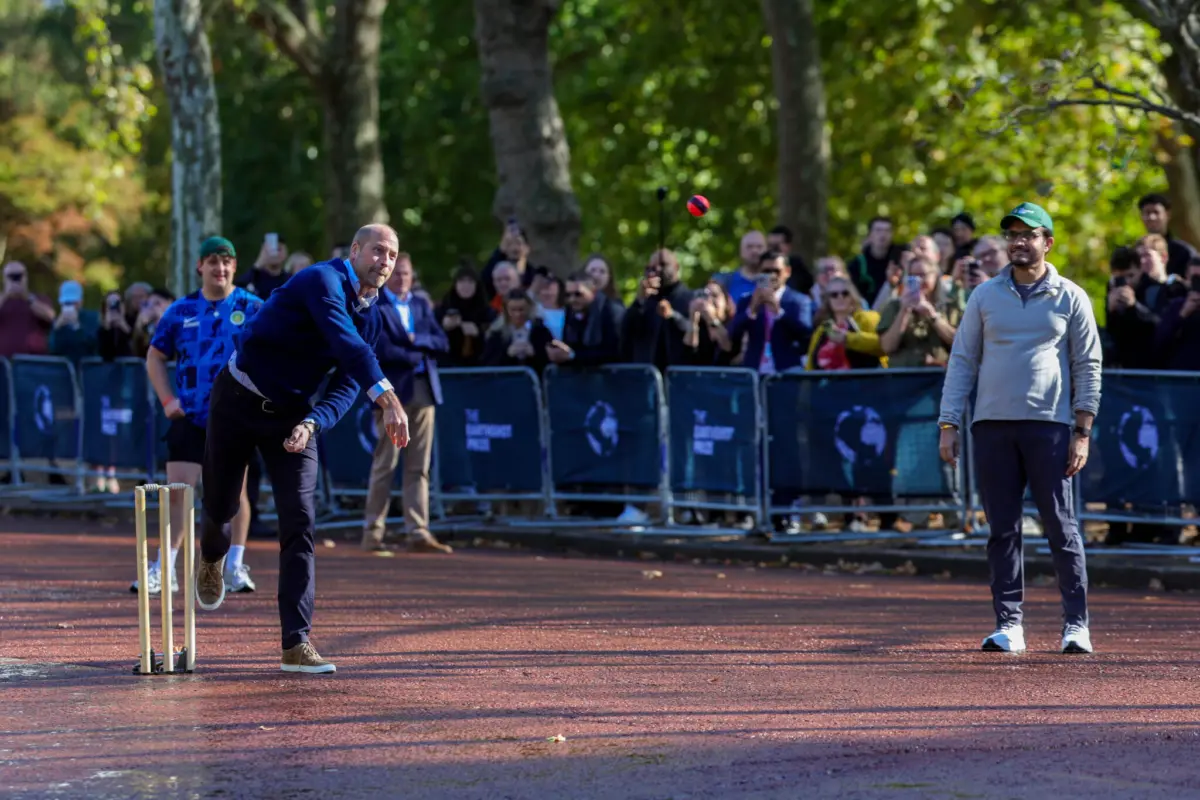
Prince William, the Prince of Wales, brought a significant stretch of London traffic to a standstill in a symbolic and engaging event held just outside the iconic Buckingham Palace. The occasion marked a pivotal moment in the final countdown to the Earthshot Prize, an ambitious global environmental initiative championed by Prince William. To underscore the deepening relationship between the United Kingdom and India, a nation poised to host the prestigious awards ceremony for the first time, His Royal Highness participated in a spirited game of cricket, a sport deeply ingrained in the cultural fabric of both countries.
This unique event served as a prelude to the Earthshot Prize’s upcoming ceremony in Mumbai in November, where Prince William will present five awards, each carrying a substantial £1 million prize. These awards are dedicated to recognizing and funding innovative projects dedicated to sustainability and environmental protection, aiming to find and scale solutions to the world’s greatest environmental challenges. The choice of India as the host nation for this year’s ceremony underscores the global reach and collaborative spirit of the Earthshot Prize, and the cricket match was a deliberate and visually striking way to celebrate this partnership.
A Royal Wicket: Bridging Nations on the Green
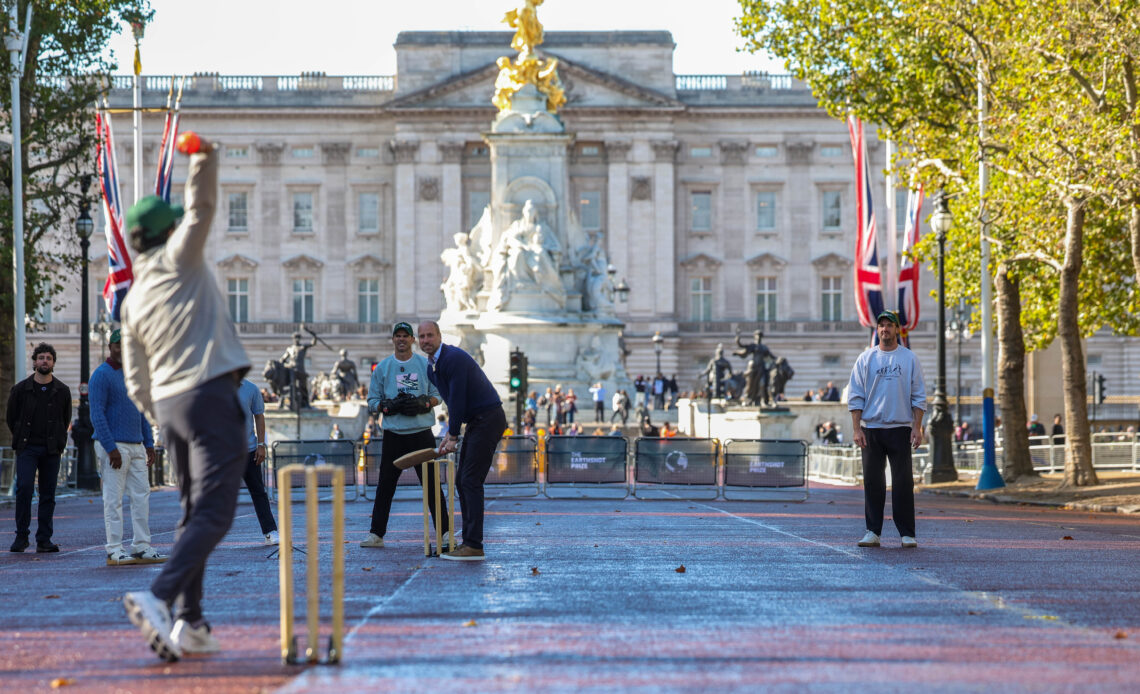
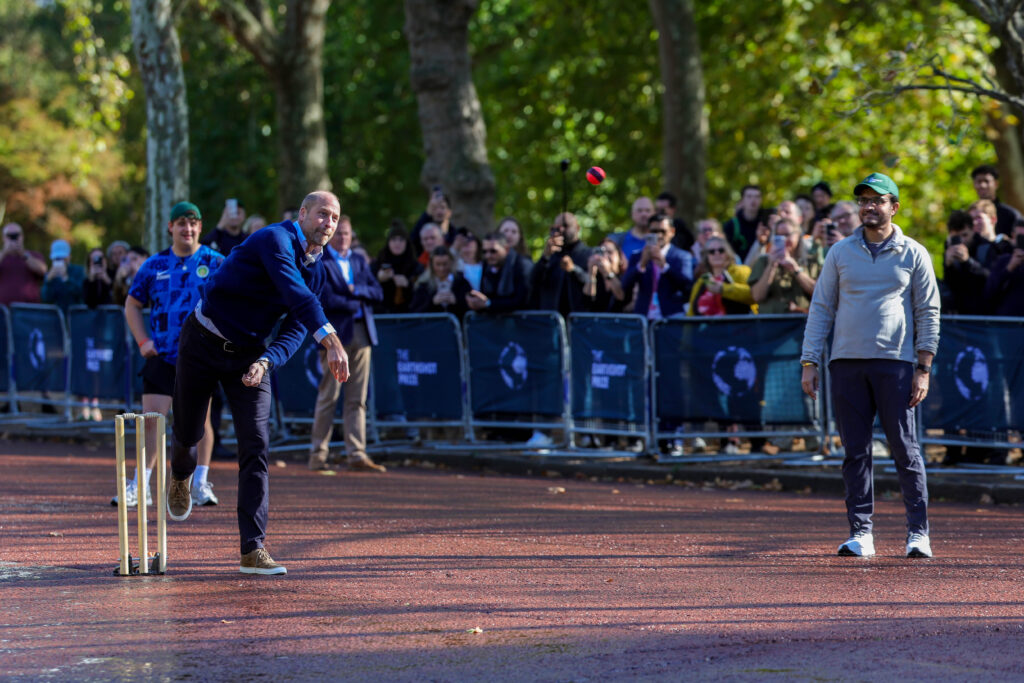
The sight of Prince William actively participating in a cricket match on the very grounds adjacent to Buckingham Palace was a powerful visual statement. The heir to the throne, known for his dedication to environmental causes, donned cricketing attire and stepped up to the crease, demonstrating both his commitment to the Earthshot Prize’s mission and his willingness to engage in culturally significant activities to foster international relations. He was seen bowling and batting, engaging with the spirit of the game that has long served as a cultural bridge between the UK and India.
The match itself was not merely a symbolic gesture; it brought together some of the most prominent figures in the world of cricket. Joining Prince William were esteemed cricketers who lent their star power to the event. Among them were Joe Root, the current England Test captain, and Ajinkya Rahane, a former captain of the Indian cricket team. The legendary former Indian captain Sourav Ganguly also took part, alongside Nat Sciver-Brunt, the captain of the England Women’s cricket team. Players from the popular cricket podcast "Tailenders," including the veteran England bowler Sir James Anderson, further enriched the lineup, adding an element of camaraderie and contemporary relevance to the occasion. The informal match was organized by "Backyard Cricket," an initiative that aims to promote the sport in accessible and engaging ways, aligning perfectly with the Earthshot Prize’s goal of inspiring widespread action.
Prince William appeared completely at ease and in his element as he took his turn at bat, with the majestic Memorial to Queen Victoria, his great-great-great-great-grandmother, serving as a poignant backdrop. The renowned vista of Buckingham Palace, a symbol of British heritage and the enduring presence of the monarchy, was clearly visible, adding a layer of historical gravitas to the modern environmental initiative. The autumn setting provided a picturesque stage for this fusion of royal duty, sporting tradition, and environmental advocacy.
Context and Significance: The Earthshot Prize and UK-India Relations
The Earthshot Prize, launched by Prince William in 2020, is inspired by the Moonshot challenge of the 1960s, which aimed to put a man on the moon within a decade. The Earthshot Prize’s ambitious goal is to find and scale solutions that can help repair our planet within this decade, offering a more hopeful and action-oriented approach to the climate crisis. The prize is awarded annually to five recipients, each addressing one of five "Earthshots": Protect and Restore Nature, Climate and Energy, Nature-Positive Innovation, Circularity and Waste, and Clean Air. Each winner receives £1 million in prize money to help scale their solutions, along with tailored support from a network of experts and partners.
India’s role as the host nation for the 2024 Earthshot Prize ceremony is particularly significant. India is a nation grappling with profound environmental challenges, from air pollution and water scarcity to the impacts of climate change on its vast agricultural sector. However, it is also a hub of innovation and a leader in renewable energy adoption, with ambitious targets for solar power and a growing commitment to sustainability. Hosting the Earthshot Prize in India provides a platform to showcase the ingenuity and resilience of Indian environmental solutions and to foster greater collaboration between India and the UK on these critical issues.
The shared love for cricket between the two nations provides a unique and powerful cultural link. Cricket is more than just a sport in India; it is a national passion that transcends social, economic, and religious divides. Its popularity in the UK further cements its status as a common ground. By choosing to celebrate this shared heritage through a cricket match involving prominent figures from both countries, Prince William effectively leveraged a universally understood and cherished activity to highlight the importance of the Earthshot Prize and the UK-India partnership. This approach demonstrates a sophisticated understanding of soft diplomacy, using cultural touchpoints to build stronger international relationships and garner broader support for environmental action.
Chronology of Engagement: From Launch to London Pitch
The journey leading to this event has been a consistent effort by Prince William to champion environmental causes. The Earthshot Prize was officially launched in October 2020 with a high-profile virtual ceremony. Since then, the initiative has grown in scope and influence, with previous award ceremonies held in London (2021) and Boston (2022). The announcement of India as the host for the 2024 ceremony was made in early 2023, signaling a strategic expansion into a key global region.
The selection of Mumbai as the host city for the upcoming ceremony reflects India’s dynamic urban landscape and its growing role in global environmental discussions. The preparations for the event have been underway for months, involving extensive planning, scouting for potential laureates, and engaging with stakeholders across India and the world. The cricket match outside Buckingham Palace can be seen as a significant milestone in this preparatory phase, generating public interest and reinforcing the thematic elements of the prize.
The participation of distinguished cricketers like Joe Root, Ajinkya Rahane, Sourav Ganguly, and Nat Sciver-Brunt is indicative of the broad appeal and recognition the Earthshot Prize has garnered. These athletes, who often serve as role models, lending their voices to important causes can significantly amplify the message of environmental stewardship to a wider audience, including younger generations who are deeply engaged with cricket.
Broader Implications: Beyond the Boundary
The implications of Prince William’s involvement in such a high-profile event extend beyond mere ceremonial engagement. This cricket match serves as a potent symbol of the growing recognition that environmental action requires a multifaceted approach, encompassing scientific innovation, policy change, and public engagement. By using a beloved sport as a vehicle for promoting environmental awareness, the Prince of Wales is tapping into the emotional and cultural resonance of cricket to build broader support for the Earthshot Prize’s objectives.
Furthermore, the event underscores the increasing importance of international cooperation in tackling climate change. The Earthshot Prize’s global scope and its focus on scalable solutions highlight the need for collaboration across borders. India’s hosting of the ceremony is a testament to this global interconnectedness, and the cricket match was a visible manifestation of the strong bilateral ties that can be leveraged for common environmental goals.
The decision by King Charles III not to occupy Buckingham Palace full-time, opting instead for Clarence House, and the confirmation that he and Queen Camilla will not move into the Palace even after renovations are complete, signifies a shift in how the working royal residence is utilized. While Buckingham Palace remains a vital working royal residence and a symbol of the monarchy, its operational use is evolving. This context subtly highlights how institutions, like the monarchy and its principal residences, are adapting to contemporary needs and priorities, much like the Earthshot Prize seeks to adapt solutions for a changing planet.
The mention of Prince William’s family potentially relocating to Forest Lodge on the Windsor estate, a move that would bring them closer to their children’s schools, Lambrook and Eton, also provides a glimpse into the evolving personal lives of the senior royals. This grounding in family life, juxtaposed with their global responsibilities, adds a relatable dimension to their public service. While this personal aspect is secondary to the core message of the Earthshot Prize, it contributes to the overall narrative of the royal family’s engagement with contemporary issues and their commitment to both national and international well-being.
The cricket match outside Buckingham Palace was more than just a sporting event; it was a carefully orchestrated moment designed to capture public imagination, strengthen international bonds, and elevate the urgency of environmental action as the Earthshot Prize embarks on its next critical phase in India. It demonstrated Prince William’s adeptness at using cultural touchstones to advance vital global causes, ensuring that the call for environmental solutions resonates far beyond the traditional spheres of policy and science.


 Yuyun Lusiyani
 Ana Megawati
 Joko Widodo
 Jia Lissa
 Pevita Pearce