Lina Irawan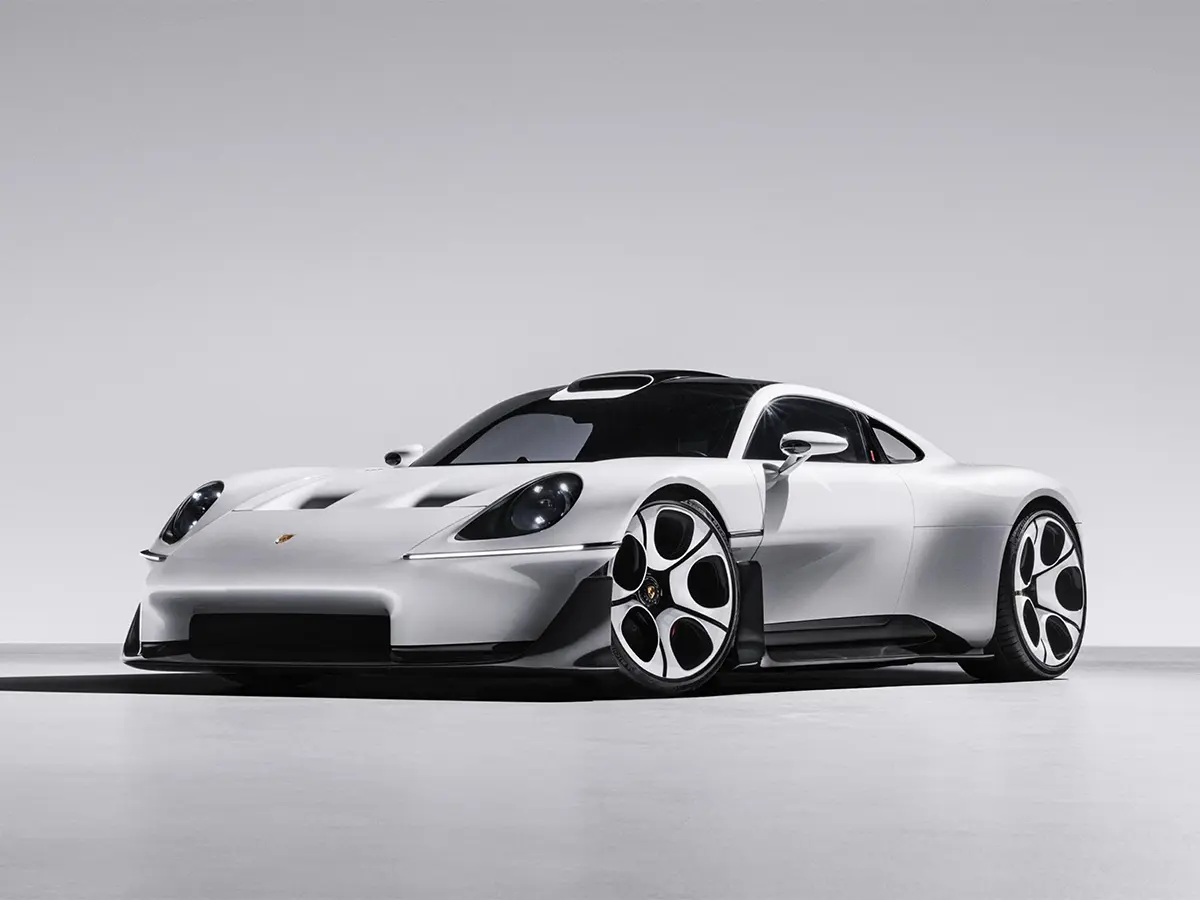
The German luxury automotive manufacturer Porsche has officially introduced the Mission S vision model, a conceptual blueprint that signals a significant evolution in the brand’s design language and product strategy. Unveiled during a global debut in Queens, New York, the Mission S represents the first tangible result of the "Sportwagenschmiede 35" strategic realignment, an internal initiative aimed at refining the company’s identity for the next generation of high-performance vehicles. Unlike previous concept studies that served as singular technology demonstrators, Porsche executives have confirmed that the Mission S is intended to transition into a permanent, series-production mid-engined platform positioned above the iconic 911.
The selection of the reveal site carries immense historical weight for the Stuttgart-based firm. The presentation took place at the exact location in Queens where, in 1953, the original Porsche 550 Spyder was first photographed on American soil. By returning to this specific pier, Porsche bridges its mid-century racing heritage with its future ambitions, underscoring a commitment to the mid-engine proportions that defined its early successes in motorsport. The Mission S serves as a successor to the brand’s "Mission" lineage of concepts, though it represents a notable pivot in powertrain philosophy and market positioning compared to its immediate predecessor.
The Strategic Shift from Mission X to Mission S
The arrival of the Mission S provides a definitive answer to long-standing questions regarding Porsche’s supercar trajectory. In 2023, the company unveiled the Mission X, an all-electric hypercar concept designed with the explicit goal of becoming the fastest road-legal vehicle around the Nürburgring Nordschleife. While the Mission X garnered significant acclaim, it remained a conceptual study that was never officially greenlit for series production.
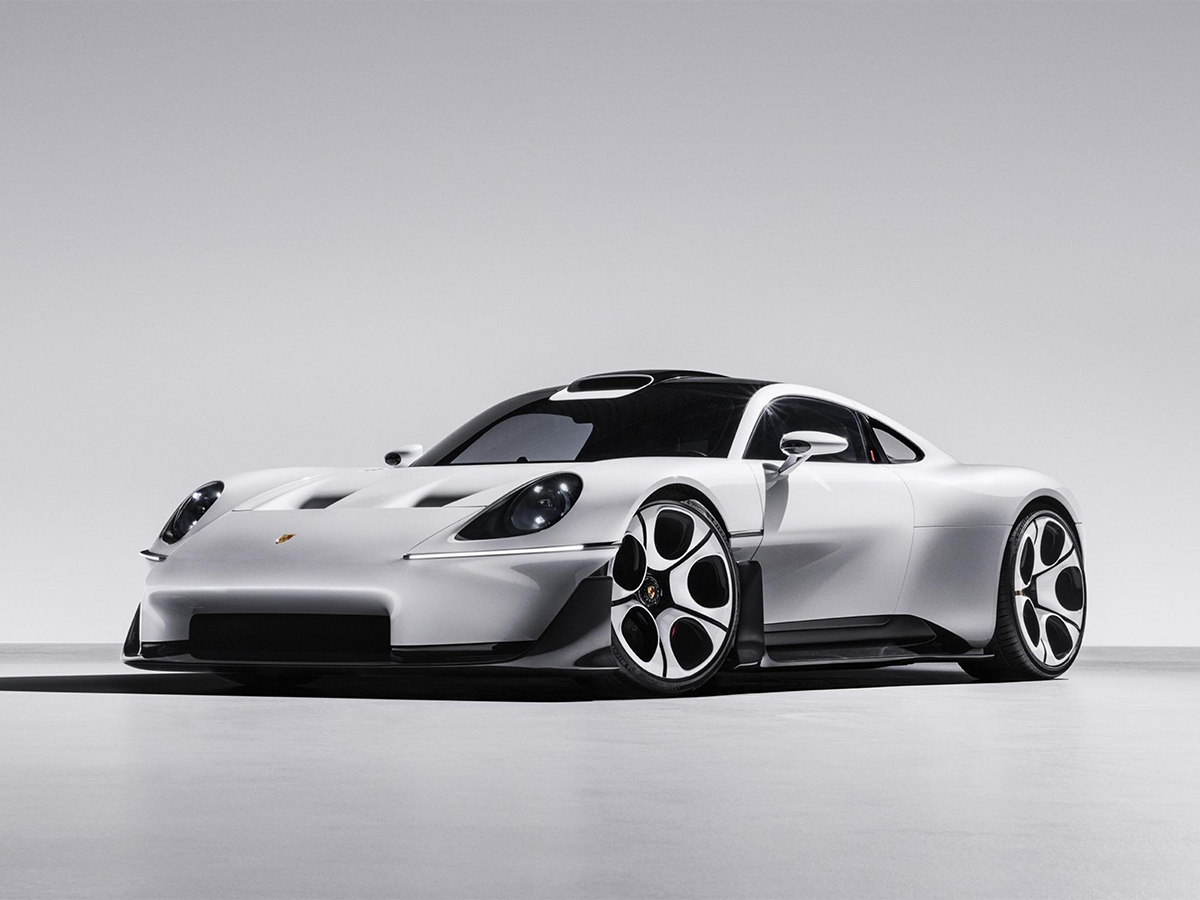
With the debut of the Mission S, Porsche has effectively pivoted away from the limited-run electric hypercar format in favor of a more versatile, internal combustion-based (ICE) or hybridized platform. Dr. Michael Leiters, Chairman of the Executive Board of Porsche AG, emphasized during the launch that the Mission S is not intended to be a one-off halo car. Instead, it is designed to be a permanent expansion of the commercial lineup. This move addresses a specific market segment between the 911 Turbo S and the top-tier hypercars, offering a mid-engined alternative for customers seeking a dedicated super sports car experience without the exclusivity or price ceiling of a "1-of-500" production run.
Chronology of the Porsche Mission Concept Series
The Mission S is the latest entry in a decade-long series of "Mission" concepts that have historically predicted Porsche’s production shifts:
- 2015: Mission E – The precursor to the Taycan, establishing Porsche’s entry into the battery-electric vehicle (BEV) market.
- 2018: Mission E Cross Turismo – A concept that eventually became the Taycan Cross Turismo, blending electric performance with utility.
- 2021: Mission R – A vision for customer GT racing, utilizing a high-performance electric drivetrain and sustainable materials.
- 2023: Mission X – A high-downforce electric hypercar concept intended to showcase the pinnacle of EV performance.
- 2024: Mission S – The current vision model, reintroducing the mid-engined ICE/Hybrid platform as a core pillar of the future lineup.
This timeline illustrates a broadening of Porsche’s approach. While the earlier Mission concepts focused heavily on the transition to electrification, the Mission S suggests a "multi-pathway" strategy, acknowledging the continued demand for internal combustion and hybrid performance in the super sports car segment.
Technical Design and Exterior Architecture
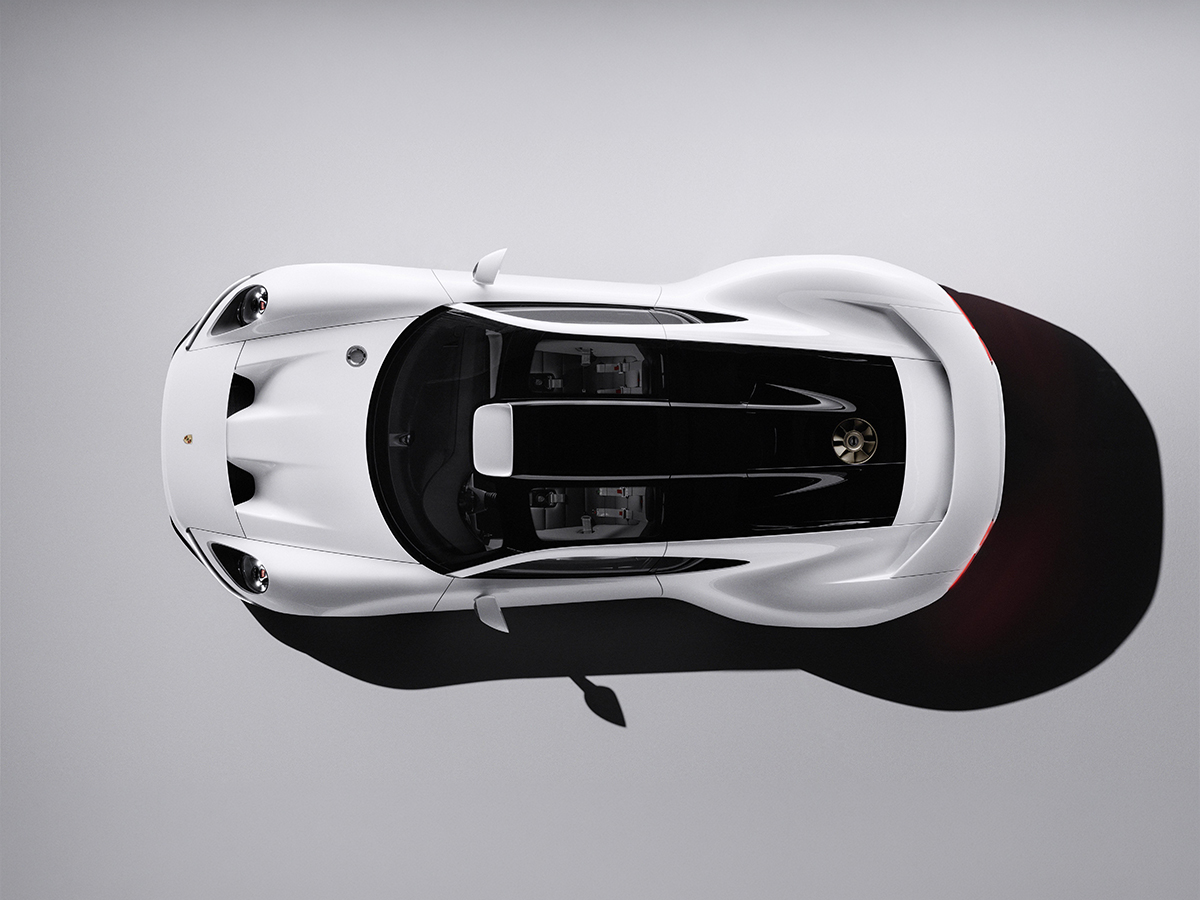
Designed under the direction of Tobias Sühlmann, Head of Style Porsche, the Mission S utilizes a "technical sculptural" appearance characterized by floating volumes. The exterior design is a meticulous blend of Porsche’s most celebrated historical cues, reimagined through modern manufacturing techniques.

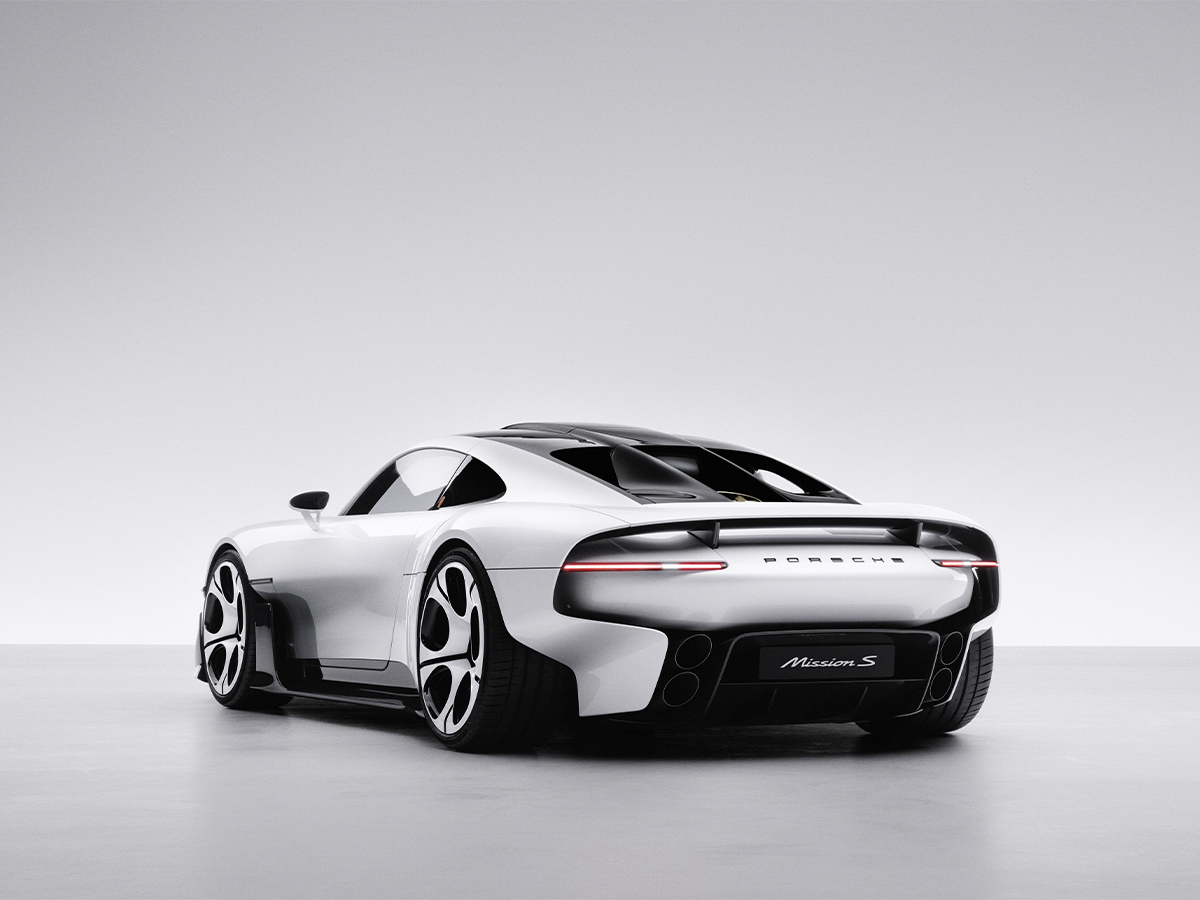
The vehicle’s silhouette is defined by a wraparound main line that creates a visual connection between the front and rear light signatures. In a nod to the "G model" 911s of the 1970s and 80s, the shut lines of the body panels merge directly into the lighting graphics. The front fascia, which sits exceptionally low to the ground, takes inspiration from the 911 GT1 Le Mans racer, while the rear features a dynamic roofline tucked beneath an integrated wing, a design element reminiscent of the Porsche 959.
A particularly striking feature is the rear cooling solution. Visible through the rear decklid is a large radiator fan, a direct homage to the air-cooled 917 race cars. The concept is presented in a bespoke color palette: Firn White Metallic, Light Red Metallic, and Black Chrome. These shades were developed specifically to re-interpret the traditional Porsche Motorsport livery in a more contemporary, metallic finish.
Interior Innovation: The Purist Cabin and Digital Detox
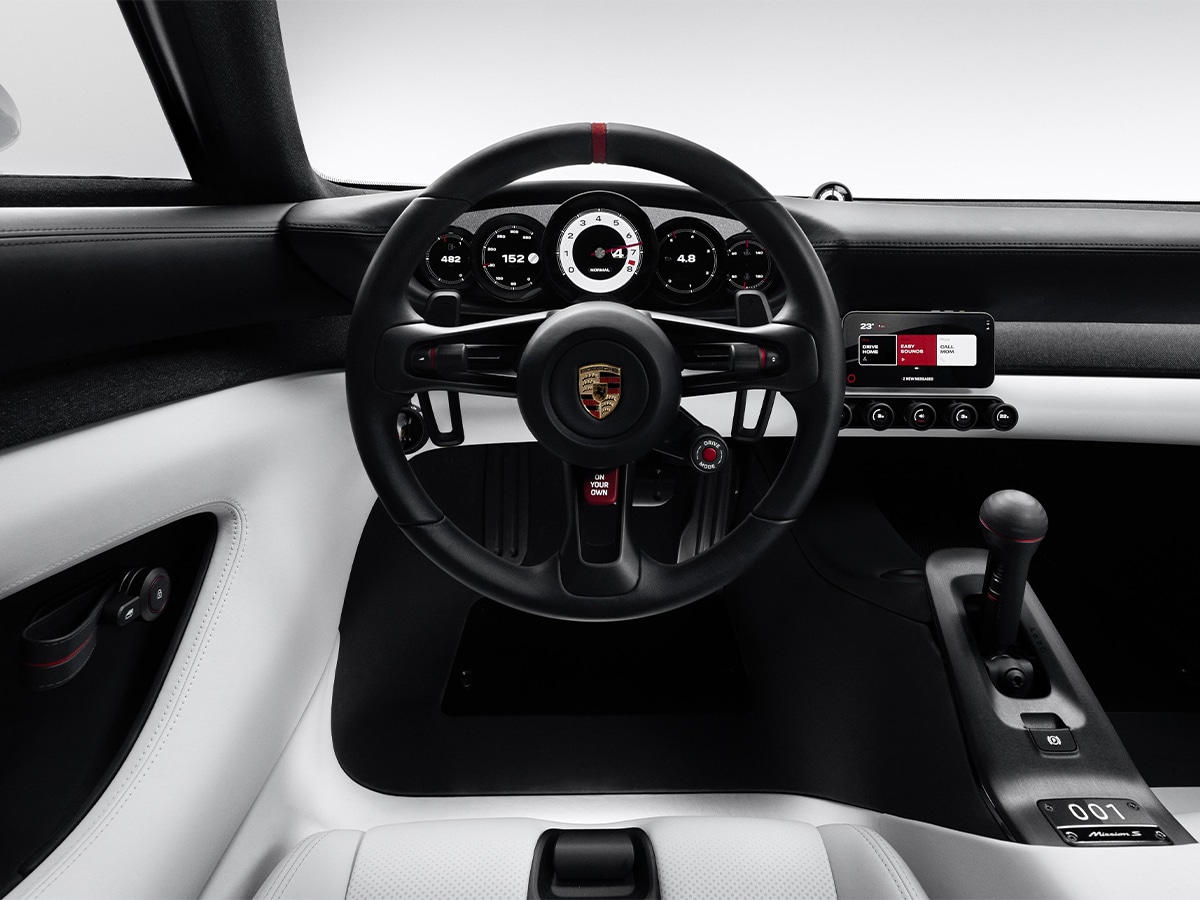
The interior of the Mission S represents a radical departure from the current industry trend toward massive, multi-screen dashboards. Porsche designers have intentionally removed "digital clutter," opting for a cabin architecture that prioritizes the driver’s focus. The dashboard features two distinct defining lines, a layout inspired by the minimalist cockpits of the 356 and 550 Spyder.
In a move that challenges conventional luxury car infotainment, Porsche has omitted a permanently integrated center touchscreen. In its place, the dashboard incorporates a retractable MagSafe-compatible smartphone mount. This system allows the driver’s personal device to serve as the primary interface for navigation and media, ensuring the hardware is always up-to-date while reducing the weight and complexity of built-in electronics.
The driver’s instrument cluster remains the focal point of the interior. It consists of five round displays—a hallmark of Porsche design. The central rev counter features a physical analog needle set against a digital background. The entire instrument unit is motorized, physically moving closer to the driver when more aggressive driving modes are selected. Furthermore, the "My Porsche" app allows owners to select historically inspired digital renderings for the gauges, including skins that mimic the typography of the 1950s and 60s.
Powertrain Indicators and Performance Analysis
While Porsche has not yet released a formal technical specification sheet, the Mission S vision model contains several explicit visual cues regarding its powertrain. Unlike the silent, high-voltage architecture of the Mission X, the Mission S is clearly designed around an internal combustion engine.
Analysis of the digital instrument cluster reveals an 8,000-rpm redline in "Normal" mode, a figure typical of high-performance naturally aspirated or lightly turbocharged engines. In "Sport Plus" or specialized track modes, this ceiling is expected to rise further. The gauges also display active readouts for oil pressure (4.8 bar) and oil temperature, metrics that are irrelevant for purely electric vehicles.
Industry rumors and the "mid-engined" confirmation suggest the possibility of a high-revving flat-six or a newly developed hybrid flat-eight engine. The presence of a "sixth gear" indicator on the digital speedometer, which showed 251 km/h during the reveal presentation, confirms the use of a multi-speed transmission, likely a specialized evolution of Porsche’s PDK (Doppelkupplung) system.
Market Implications and Competitive Landscape
The decision to develop the Mission S as a permanent addition to the catalog marks a strategic shift in how Porsche intends to compete with rivals like Ferrari and Lamborghini. By positioning this model above the 911, Porsche is creating a dedicated mid-engine competitor for vehicles such as the Ferrari 296 GTB and the Lamborghini Temerario.
Historically, the 911 has had to balance its role as both a daily-driver sports car and a track-focused weapon. By introducing a dedicated mid-engine super sports car platform, Porsche allows the 911 to continue its evolution as a versatile icon while the Mission S platform takes on the role of the brand’s primary performance flagship.
This strategy also suggests a nuanced view of the automotive industry’s transition to electric power. While Porsche remains committed to electrification—as evidenced by the Macan Electric and the Taycan—the Mission S signals that the company believes there is a long-term future for high-performance combustion engines in the enthusiast market.
Official Responses and Executive Vision
Dr. Michael Leiters underscored the importance of brand recognition in this new era. "A Porsche must be recognizable as a Porsche at first glance," Leiters stated. "The Mission S provides a glimpse of the ideas and design features that will shape Porsche in the coming years. It represents a platform that is both permanent and versatile."
Tobias Sühlmann echoed these sentiments, describing the Mission S as the result of a "forward-looking, holistic design strategy." He noted that the features debuted on this vision model—such as the integrated MagSafe system and the "floating volume" exterior—will soon be translated into the broader product portfolio, including future iterations of the 911 and 718 lines.
Conclusion and Future Outlook
The Porsche Mission S is more than a design study; it is a declaration of intent. By choosing a mid-engine layout and an internal combustion heart, Porsche is doubling down on the mechanical soul that built its reputation. The blend of 1950s proportions with 21st-century connectivity represents a sophisticated approach to "modern luxury" that prioritizes the driving experience over digital distraction.
While official pricing, performance figures, and a production timeline remain unconfirmed, the Mission S has established a clear trajectory for the brand. As Porsche moves toward the 80th anniversary of its first sports car, the Mission S ensures that the "Sportwagenschmiede" (Sports Car Smithy) remains focused on the raw, technical excellence that enthusiasts have come to expect from the crest of Stuttgart. Further details regarding the production version of the Mission S are expected to be released during the 2025 international auto show circuit.



 Yuyun Lusiyani
 Joko Widodo
 Eva Lovia
 admin
admin