Lina Irawan
The initial seven seconds of a first encounter often dictate the trajectory of a social relationship, according to psychological research on thin-slicing and first impressions. In the modern dating environment, where digital interactions frequently precede physical meetings, the visual presentation of a first date serves as a critical bridge between an online persona and real-world compatibility. While attire cannot substitute for personality or chemistry, it functions as a non-verbal communicator of respect, social awareness, and self-esteem. As dating norms continue to shift from formal courtship toward more relaxed, activity-based interactions, the challenge for the modern man has moved away from adherence to rigid dress codes and toward the mastery of "intentional casualness."
The Psychology of First Impressions and Enclothed Cognition
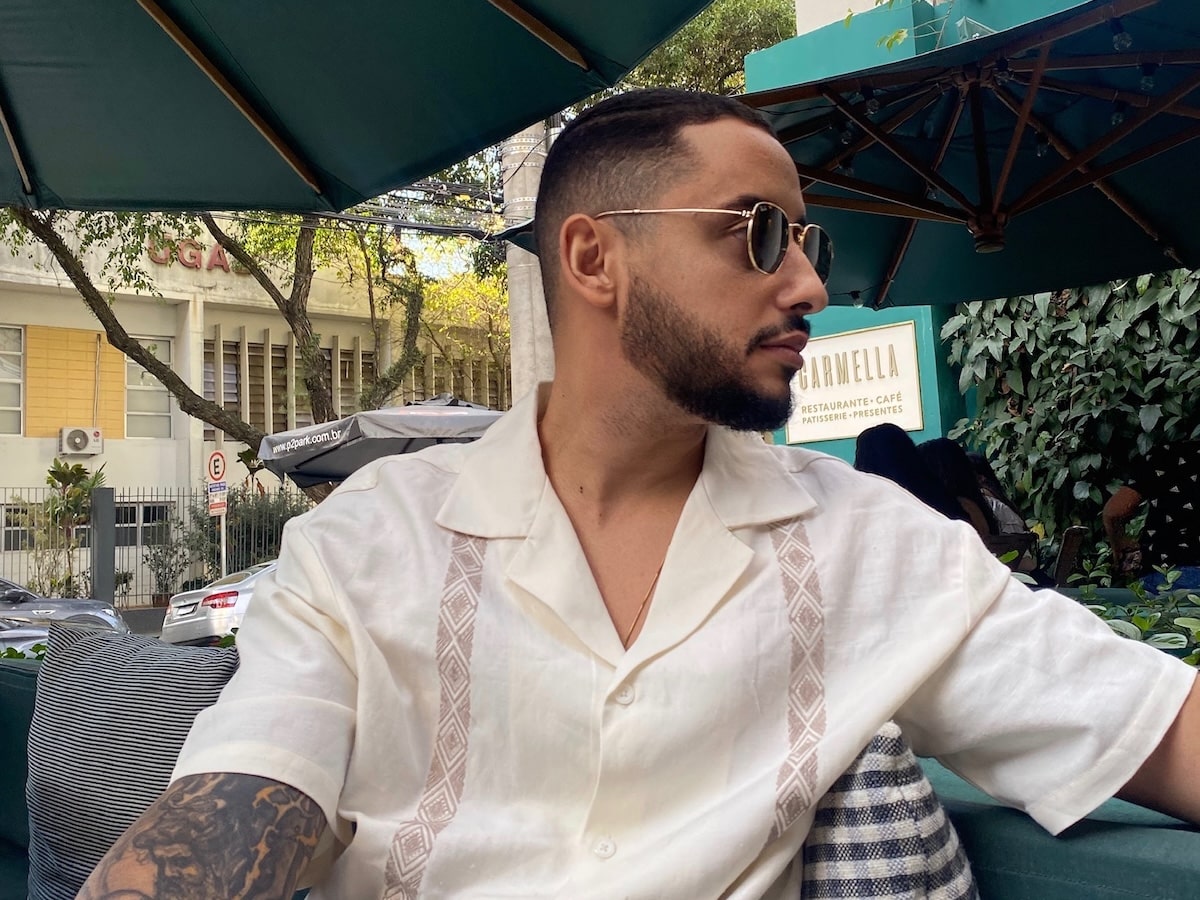
The importance of first-date attire is rooted in two primary psychological concepts: the "Halo Effect" and "Enclothed Cognition." The Halo Effect is a cognitive bias where the perception of one positive trait—such as being well-dressed—leads an observer to attribute other positive qualities to that individual, such as intelligence, kindness, or professional success. Conversely, a lack of attention to grooming or dress can trigger a negative bias that is difficult to overcome in a single evening.
Furthermore, a 2012 study published in the Journal of Experimental Social Psychology introduced the term "Enclothed Cognition" to describe the systematic influence that clothes have on the wearer’s psychological processes. The researchers found that clothing affects the wearer’s confidence and performance based on the symbolic meaning of the garments. For a man on a first date, wearing an outfit that is both physically comfortable and aesthetically pleasing can lower cortisol levels (the stress hormone) and increase the likelihood of engaging in more fluid, confident conversation.

A Chronology of Dating Attire: From Formalism to Flexibility
The evolution of what is considered "appropriate" for a first date mirrors broader shifts in Western social hierarchies and workplace standards. Understanding this timeline provides context for why the modern "smart-casual" look has become the gold standard.
- The 1950s and 1960s: Dating was a highly structured social ritual. Men were expected to wear a full suit or, at the very least, a sports coat and tie, regardless of the venue. This era emphasized conformity and the demonstration of financial stability.
- The 1970s and 1980s: The rise of youth culture and the peacock revolution introduced more expressive fabrics, colors, and textures. Velvet, polyester, and wider silhouettes became common, signaling a shift toward individual personality over traditional social standing.
- The 1990s and 2000s: The "Business Casual" movement in the corporate world bled into the dating sphere. The uniform of pleated khakis and oversized button-downs dominated, often resulting in a silhouette that lacked intentionality.
- The 2010s to Present: The "Post-Suit" era. With the rise of Silicon Valley aesthetics and the relaxation of traditional norms, the definition of "dressing up" has been redefined. Today’s emphasis is on "elevated basics"—high-quality fabrics, tailored fits, and a blend of high-low fashion (e.g., pairing a blazer with clean sneakers).
Strategic Attire for Specific Dating Scenarios
The most common error in first-date dressing is a mismatch between the outfit and the environment. Social psychologists suggest that "contextual appropriateness" is a key indicator of social intelligence. Below is a breakdown of modern dating scenarios and the recommended sartorial approach.
1. High-End Dining and Sophisticated Bars
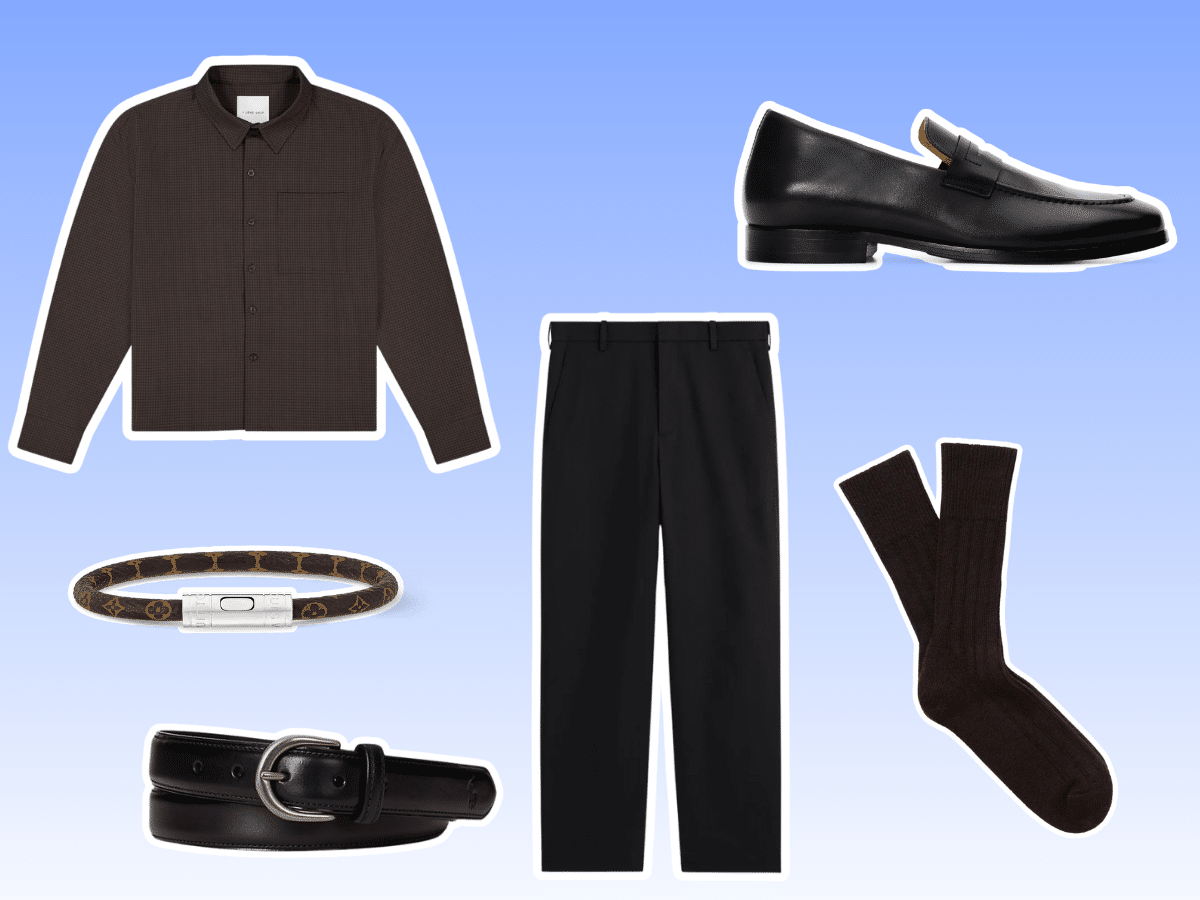
When the venue is a fine-dining establishment or an upscale cocktail lounge, the objective is to project refinement without appearing archaic. A full suit is often perceived as too formal—unless the date occurs immediately after work in a professional setting. The recommended "uniform" is a pair of tailored trousers (wool or high-density cotton) paired with a button-down linen or oxford shirt. An unstructured blazer—one without heavy shoulder padding—offers a sophisticated silhouette that remains approachable. Footwear should be limited to leather loafers or Chelsea boots.
2. The Casual Pub or "Gastro-pub" Setting
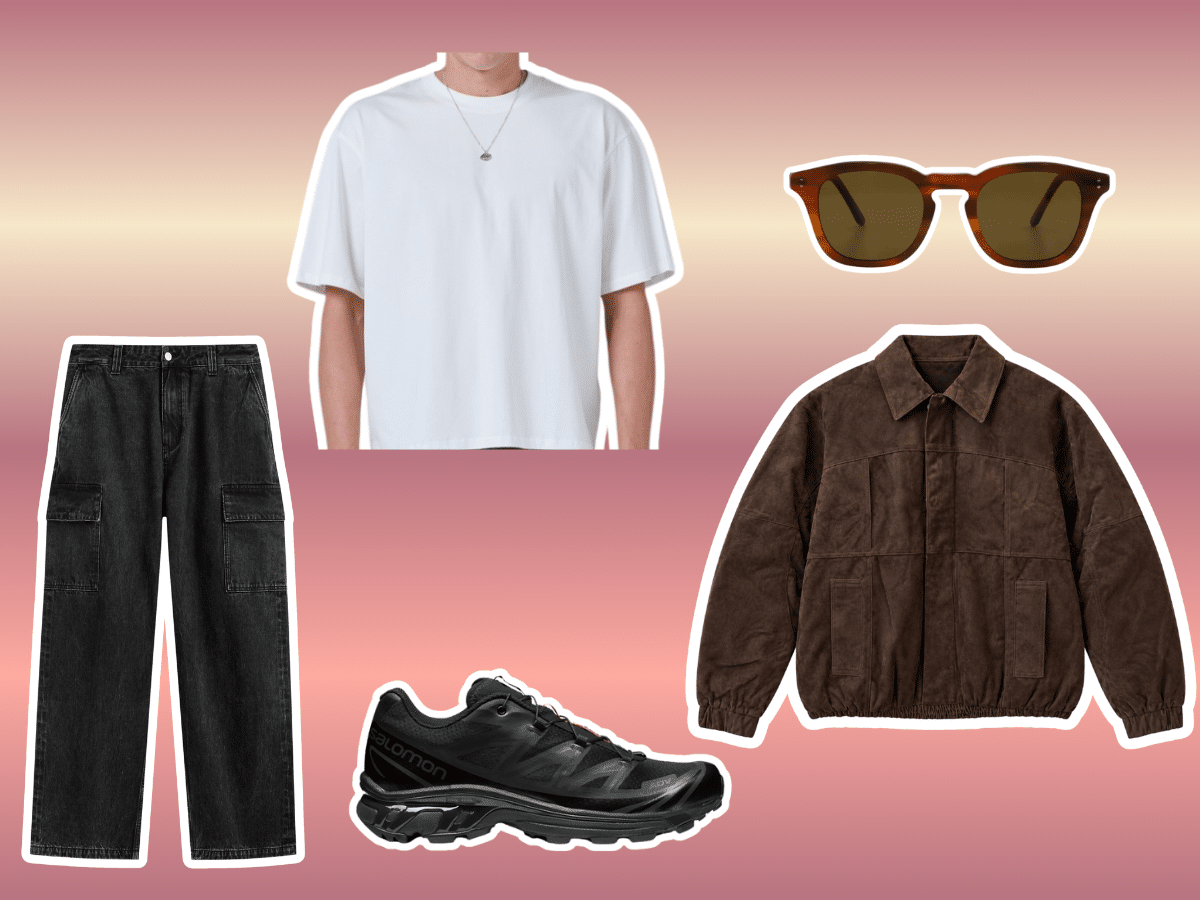
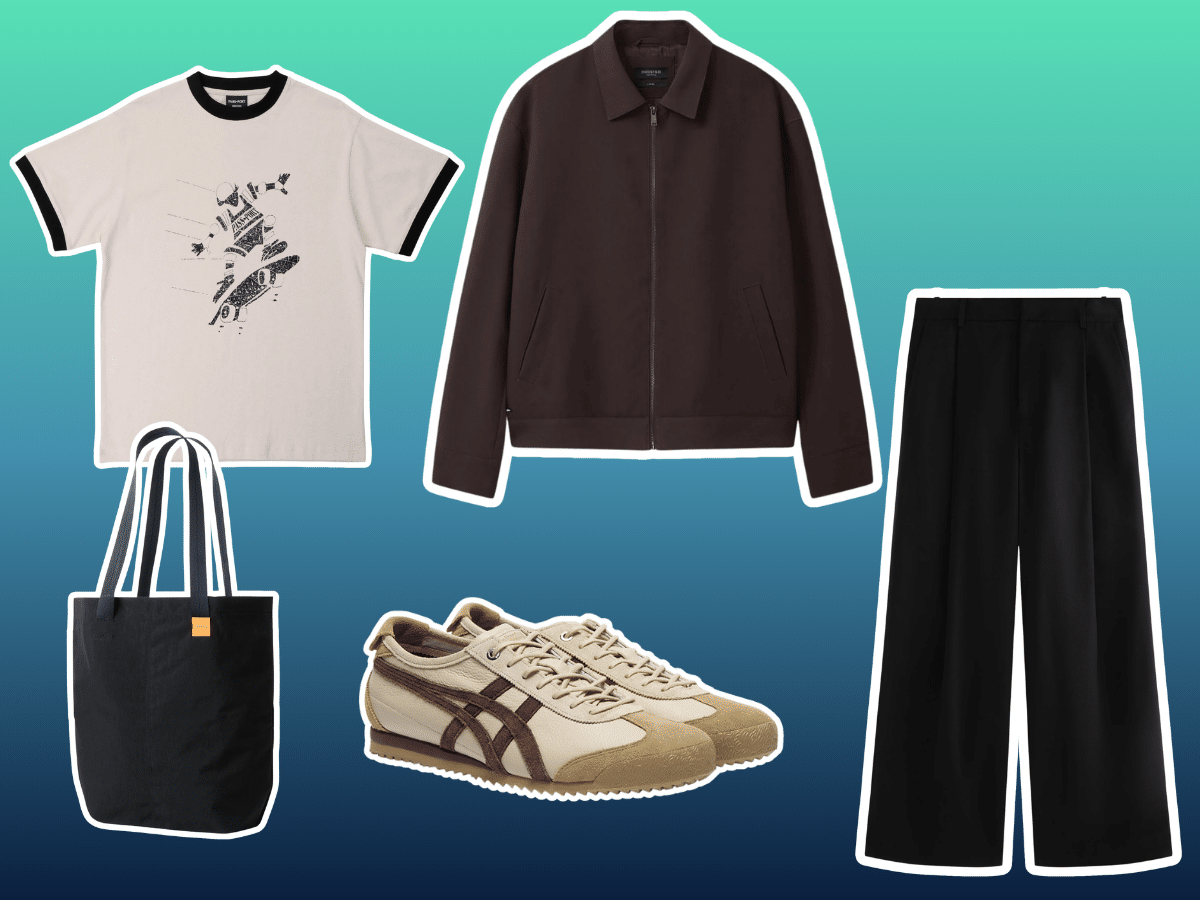
The pub remains a staple for first dates due to its low-pressure atmosphere. However, "casual" should not be interpreted as "negligent." Dark indigo denim or slim-fit chinos provide a solid foundation. A well-fitted, heavyweight T-shirt or a polo shirt can be elevated by adding a layer, such as a denim jacket or a bomber. This is the ideal environment for high-end, clean sneakers. Industry experts suggest avoiding graphic tees with loud branding, as they can distract from face-to-face engagement.
3. Daytime Coffee Dates
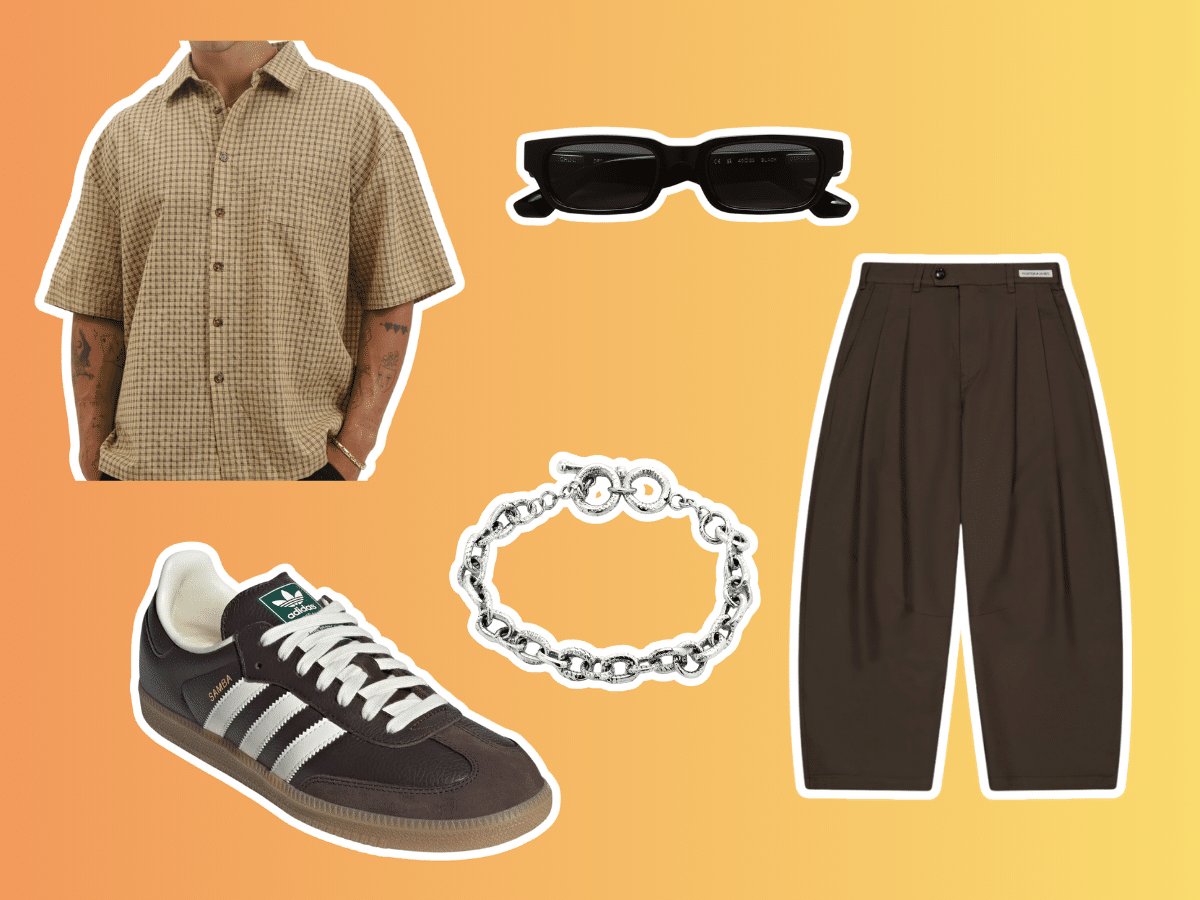
Coffee dates are increasingly popular as "pre-date" screenings. The attire should be relaxed but intentional. Relaxed-fit pleated trousers or light-wash jeans paired with a high-quality knit or an overshirt (a "shacket") strike the right balance. This look communicates that you are a person who puts effort into your appearance even during mundane activities.
4. Activity-Based and Outdoor Dates
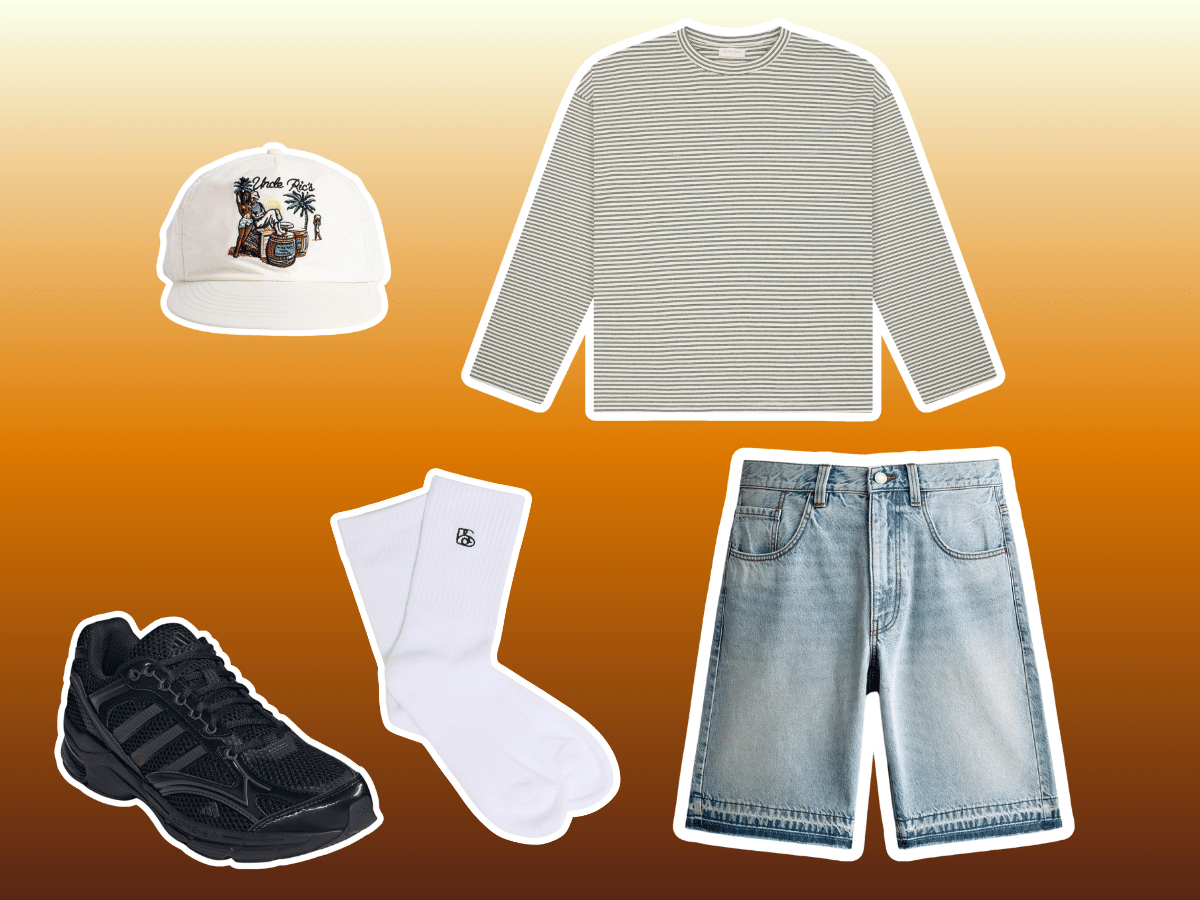
From coastal walks to gallery openings or miniature golf, activity dates require functional clothing. The rise of "Gorpcore" (utilitarian outdoor wear) has made it easier to look stylish while being mobile. Tailored shorts (reaching just above the knee) or stretch-integrated chinos are preferred. Footwear must be practical; brand-new shoes that cause blisters are a common "date-ruiner."
The Golden Rules: Fit, Fabric, and Function
Regardless of the venue, three universal principles apply to all successful first-date outfits:
- The Primacy of Fit: A $50 shirt that is perfectly tailored to a man’s frame will always look better than a $500 designer shirt that is too baggy or too tight. Fit is the most immediate indicator of self-care.
- Fabric Selection: Natural fibers like cotton, linen, and wool are preferable to synthetics. They breathe better, reducing the risk of visible sweat during nervous moments, and they drape more naturally over the body.
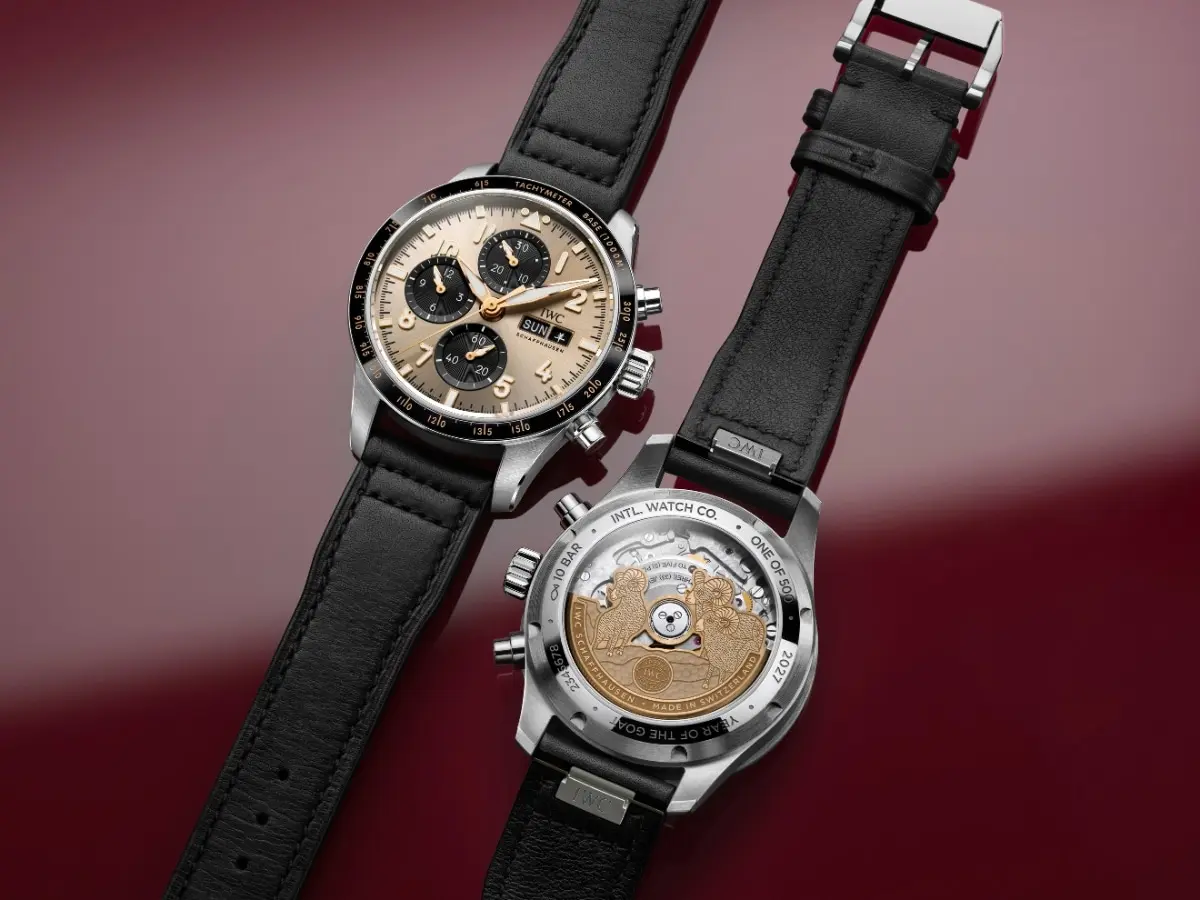
- The Rule of One: If you are unsure about an outfit, focus on one "statement" piece—a nice watch, a unique jacket, or high-quality boots—and keep the rest of the outfit neutral. This prevents the clothes from "wearing" the person.
Expert Perspectives and Social Analysis
Style consultants often emphasize that grooming is the "silent partner" of the outfit. Statements from industry professionals suggest that a man’s attention to detail—trimmed nails, neat facial hair, and a subtle scent—is often more memorable than the brand of his trousers. Data from dating apps like Hinge and Bumble suggest that profiles featuring men in "well-fitted, smart-casual attire" receive a higher percentage of matches than those in either formal suits or highly athletic wear.
Furthermore, social analysis indicates a growing trend toward "Authentic Dressing." In an era of "Catfishing" and highly filtered social media, showing up to a date looking like a polished version of your everyday self builds immediate trust. Dressing as someone you are not—for example, wearing a suit when you are a creative professional who thrives in hoodies—creates a "representational gap" that can lead to a sense of inauthenticity later in the relationship.
Broader Implications: The Intersection of Style and Social Success
The effort put into a first-date outfit is ultimately an act of social signaling. It signals to the other person that their time is valued and that the occasion is significant. In a broader societal context, the shift toward "elevated casual" reflects a more democratic approach to fashion, where style is determined by taste and fit rather than the sheer ability to afford luxury labels.
The long-term impact of dressing well for a first date extends beyond the potential for a second meeting. It reinforces a habit of intentionality. Men who take the time to curate their appearance often report higher levels of general social confidence, which can positively affect professional networking and other interpersonal areas of life.
Conclusion: The Bottom Line on First Date Attire
Ultimately, the perfect first-date outfit is one that the wearer forgets about the moment they sit down. If the clothes fit well and are appropriate for the setting, the wearer is freed from self-consciousness, allowing them to focus entirely on the person across the table. While a well-curated wardrobe can open the door to a second date, it is the conversation, empathy, and genuine connection that will ultimately determine the outcome. Dressing well is simply the tool that ensures the door is not closed before the conversation even begins. In the modern dating landscape, style is not about vanity; it is about the clarity of communication and the respect shown to a potential partner.



 Yuyun Lusiyani
 Joko Widodo
 Eva Lovia
 admin
admin