
 Pevita Pearce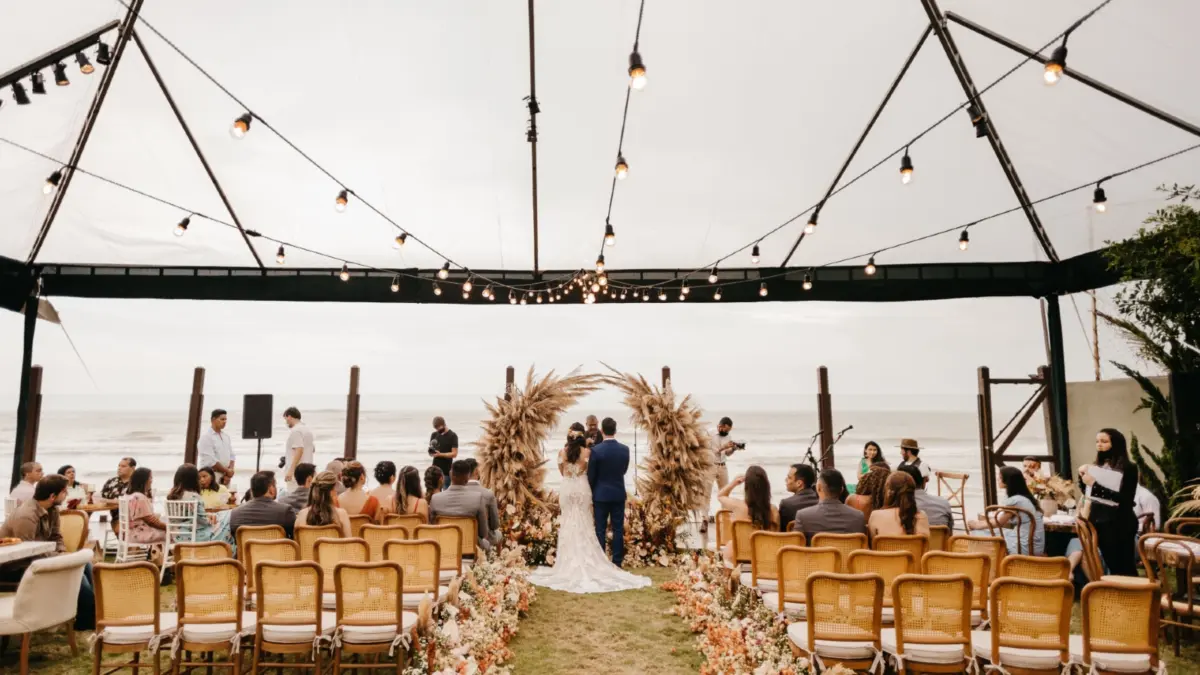
A legal dispute between a grieving fiancée and a Texas wedding venue has ignited a national conversation regarding the intersection of contract law and corporate ethics. The conflict centers on Posey Meadows, a wedding venue located in the countryside of San Marcos, Texas, which is currently embroiled in a lawsuit and a subsequent countersuit involving the family of 25-year-old Diego Hernandez. Following the untimely death of Hernandez just months before his scheduled wedding, his fiancée sought a refund of the nearly $16,000 paid to the venue. The venue’s refusal to provide a full refund, followed by a legal claim of breach of contract against the bride, has drawn significant attention to the rigid nature of event hosting agreements and the emotional toll of sudden loss.
The wedding of Diego Hernandez and his fiancée was originally scheduled to take place on November 20 at Posey Meadows. The couple had meticulously planned their celebration, committing a total of $15,909.28 to secure the venue and its associated services. However, the trajectory of their lives changed irrevocably in April when Hernandez passed away. In the wake of this tragedy, the family contacted Posey Meadows to cancel the event and request a return of the funds. According to the family’s legal representatives, the venue initially responded by stating that the signed contract contained no specific clause addressing the death of a client, thereby providing no automatic grounds for a refund.
A Timeline of the Dispute and Legal Escalation
The timeline of the dispute illustrates a breakdown in communication between the grieving family and the venue management. Following the death of Hernandez in April, the family reportedly reached out to Posey Meadows to navigate the cancellation process. The venue initially suggested several alternatives to a direct refund. These options included transferring the booking to a future date for a different type of event or rebooking the November 20 date for another couple. Posey Meadows indicated that if the date were successfully rebooked by another party, a partial refund could be issued to the Hernandez family.
However, the family found these options insufficient and emotionally taxing. Lucy Hernandez, Diego’s mother, expressed the family’s exhaustion in a public statement, questioning the moral compass of the business. She noted that the family was "emotionally drained" and lacked the resolve for a protracted fight, yet felt compelled to seek justice for the significant financial loss compounded by their grief.
When negotiations stalled, the fiancée filed a formal lawsuit in the Hays County district court, seeking the return of the $15,909.28. In a move that has sparked widespread criticism on social media and in news commentary, Posey Meadows responded by filing a counterclaim. The venue’s legal filing accuses the bride of breaching the couple’s contract, effectively turning the litigation into a mutual battle over the terms of the original agreement.
The Legal Landscape: Force Majeure and Frustration of Purpose
The core of the legal battle rests on the interpretation of the contract signed by the couple. In the event industry, contracts are typically designed to protect the venue from loss of income due to cancellations, which often result in a "lost opportunity cost" if the venue cannot rebook the date on short notice. Most contracts include a "Force Majeure" clause, which excuses performance in the event of extraordinary circumstances beyond the parties’ control, such as natural disasters or government-mandated shutdowns.
However, many standard wedding contracts do not explicitly include the death of a bride or groom as a triggering event for a full refund. In such cases, legal experts often look to the doctrine of "frustration of purpose" or "impossibility of performance." These legal principles suggest that if an event—such as a wedding—becomes impossible to fulfill due to the death of a central party, the contract may be rendered void. The venue’s counterclaim of "breach of contract" suggests they view the cancellation as a voluntary act by the surviving party rather than a legal impossibility.
Posey Meadows has defended its position by stating that it was in the process of working toward a resolution when the lawsuit was filed. In a statement posted on its official website, the venue management claimed they have a history of working with grieving survivors to offer refunds despite contractual obligations. They asserted that the filing of the lawsuit "complicated the process" but maintained that their ultimate goal was to find a resolution.
Supporting Data: The High Cost of Weddings and Insurance Gaps
The financial stakes in this case are representative of a larger trend in the American wedding industry. According to data from industry analysts, the average cost of a wedding in the United States currently hovers between $30,000 and $35,000, with venue rentals often accounting for 30% to 50% of the total budget. In Texas, specifically, high-end rural venues like those in the San Marcos area command premium prices, often requiring non-refundable deposits and strict payment schedules.

The Hernandez case also highlights a significant gap in consumer awareness regarding wedding insurance. While many couples invest in liability insurance for their event, fewer opt for "cancellation or postponement insurance." This type of coverage is specifically designed to protect the financial investment of a wedding in the event of unforeseen circumstances, including the death or illness of the honorees. Without such insurance, couples and their families are left at the mercy of the venue’s internal policies and the specific language of their contracts.
The $15,909.28 at stake in the Posey Meadows dispute represents a significant portion of a typical middle-class family’s savings. For the Hernandez family, the retention of these funds by the venue is not merely a financial issue but a symbolic one, representing what they perceive as a lack of empathy during a period of profound mourning.
Official Responses and Counter-Claims
The venue’s counterclaim introduced a new point of contention: the verification of death. According to reports from the New York Post, the legal team for Posey Meadows alleged that the family had failed to provide official proof of Diego Hernandez’s passing during the initial stages of the dispute. This claim has been flatly denied by the attorney representing the fiancée. The bride’s legal counsel stated that they had offered to provide the death certificate on multiple occasions, but that the venue’s legal representatives had remained unresponsive to these overtures.
The death certificate has since been included in the legal filings submitted to the Hays County court. This document will serve as a central piece of evidence as the court determines whether the contract was breached or whether the circumstances of the groom’s death legally necessitated a dissolution of the agreement.
The venue’s public statement emphasized their desire for a "fair" outcome, but the optics of countersuing a grieving widow-to-be have caused significant reputational damage. Public sentiment, as reflected in local news commentary and online forums, has largely leaned in favor of the family, with many calling the venue’s actions "ghoulish" or "unjust."
Broader Impact and Industry Implications
The outcome of this lawsuit could have lasting implications for the wedding and event industry in Texas and beyond. If the court rules in favor of the family, it may set a precedent that the death of a party to a marriage contract constitutes an automatic frustration of purpose, overriding "non-refundable" clauses. Conversely, a ruling in favor of the venue would reinforce the binding nature of service contracts, regardless of the personal tragedies involved.
Industry experts suggest that this case may prompt venues to revise their contracts to include more compassionate "death or disability" clauses, or conversely, to become even more explicit about the non-refundable nature of deposits to avoid similar litigation. It also serves as a cautionary tale for consumers to scrutinize the "fine print" of event contracts and to consider third-party insurance as a necessary safeguard.
As the legal proceedings continue, the Hernandez family remains focused on honoring Diego’s memory while navigating the complexities of the judicial system. The case serves as a stark reminder of the often-uncomfortable friction between the emotional realities of human life and the cold requirements of commercial law. The Hays County district court will eventually decide whether the $16,000 remains with Posey Meadows as a matter of contract or is returned to the family as a matter of justice.
In the interim, the community in San Marcos and the broader public continue to watch the case closely, waiting to see if a compromise can be reached outside of a courtroom or if a judge will be forced to draw a definitive line between business rights and human compassion. The story of Diego Hernandez and the wedding that never was has become more than a local news item; it is now a landmark example of the risks inherent in the high-stakes world of event planning.




 Yuyun Lusiyani
 Joko Widodo
 Eva Lovia
 Jia Lissa
 admin
admin