
 Eva Lovia
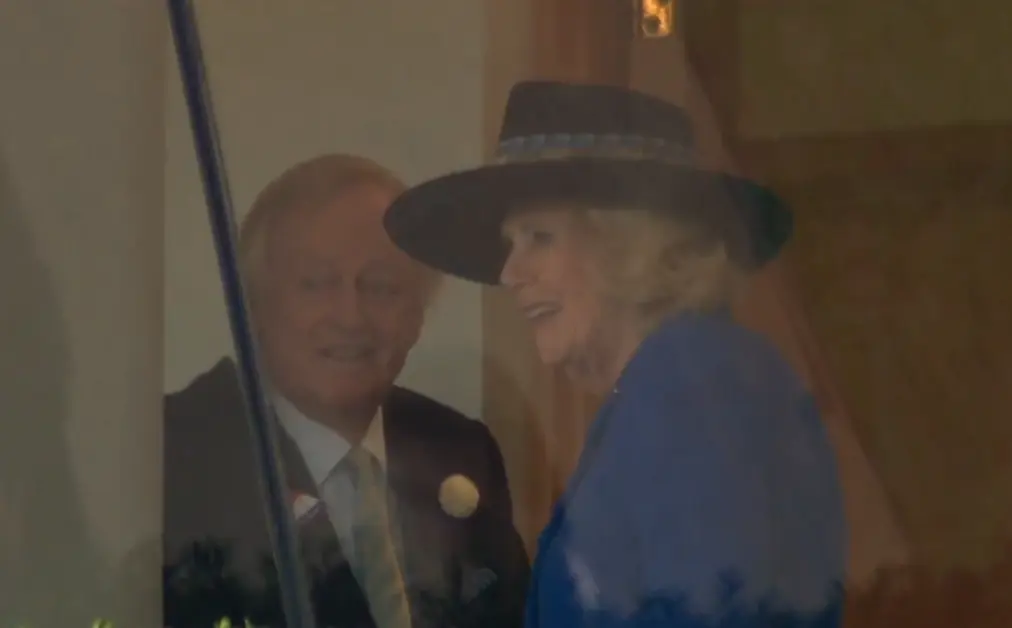
The picturesque grounds of Ascot Racecourse buzzed with anticipation and regal presence on Saturday, as British Champions Day marked the spectacular conclusion to the British Flat racing season. Among the distinguished attendees, Zara Tindall shared a moment of warm familial connection with Queen Camilla, their smiles illuminating the Berkshire track. This year’s event, a highlight on the sporting and social calendar, drew a constellation of notable figures, underscoring the enduring appeal of equestrianism to both the Royal Family and the wider public.
A Day of Royal Camaraderie and Equestrian Passion
The photograph capturing Queen Camilla and Zara Tindall embracing at Ascot encapsulates the spirit of the day. Their genuine delight in each other’s company, witnessed by many, speaks volumes about their shared passion for horses and the thrill of the race. This personal connection, played out against the backdrop of one of the world’s premier racing events, offered a glimpse into the private lives of public figures united by a common interest. The presence of Andrew Parker Bowles, Queen Camilla’s former husband, further added a layer of familial nuance to the proceedings, highlighting a shared history and continued association within the broader royal circle.
British Champions Day, held annually in mid-October, is not merely a race day; it is a celebration of excellence in British horseracing. It brings together the elite of the racing world – champion horses, leading trainers, renowned jockeys, and dedicated owners – for a series of prestigious Group One races. The event’s significance is amplified by its timing, serving as the grand finale that often shapes the year-end racing awards and accolades. The atmosphere at Ascot is consistently electric, a blend of high-stakes competition and sophisticated social engagement, attracting a diverse crowd that includes dedicated racing aficionados, celebrities, and, of course, members of the Royal Family.
The Royal Connection to Equestrianism: A Legacy of Dedication
The Royal Family’s deep-rooted connection to horses and equestrian sports is a well-documented aspect of their heritage. Queen Camilla herself is a well-known patron and enthusiast of horse racing, regularly attending major events and showing a keen understanding of the sport. Her commitment extends to supporting various equestrian charities and initiatives, reflecting a lifelong dedication to the welfare and advancement of horse-related activities.
Zara Tindall, daughter of Princess Anne, has forged her own formidable reputation as an accomplished equestrian. Her Olympic silver medal, won as part of the British eventing team at the London 2012 Olympic Games, stands as a testament to her skill, dedication, and competitive spirit. Like her mother, Princess Anne, a former Olympic equestrian herself, Zara has inherited a profound love for horses and has actively participated in and contributed to the equestrian community for many years. Her presence at Ascot is therefore not just as a spectator but as a respected figure within the equestrian world, her insights and opinions highly valued.
Champions Day: A Spectacle of Racing Excellence
The sporting highlight of the day was undoubtedly the Qatar Racing Champion Stakes, a thrilling Group One contest that lived up to its billing. This race, one of the richest on the British racing calendar, often attracts a field of the highest calibre, and this year was no exception. The outcome of this prestigious race can have significant implications for the international racing landscape, influencing breeding decisions, stallion syndications, and the global rankings of horses.
This year’s renewal saw Ombudsman, expertly ridden by William Buick, deliver a masterful performance. The three-year-old colt, trained by the formidable father-son training partnership of John and Thady Gosden, reversed the form of last year’s result, triumphing over Calandagan. The race itself was a tactical masterpiece. The closely matched field remained compact for much of the journey, with the tension building as the horses entered the final furlong. It was in this critical phase that Ombudsman showcased his impressive acceleration, surging past the pacemaker Bay City Roller and demonstrating remarkable tenacity to hold off the persistent challenge of Calandagan in a gripping finish.
Analysis of Ombudsman’s Victory and Future Prospects
Ombudsman’s victory in the Qatar Racing Champion Stakes was particularly significant for the Gosden stable and jockey William Buick. It provided a much-needed morale boost following a somewhat disappointing performance in the Juddmonte International at York earlier in the season. Trainer John Gosden, known for his meticulous attention to detail and his ability to prepare horses for peak performance, lauded William Buick’s "confident ride," describing the colt’s performance as "special." Such endorsements from a trainer of Gosden’s stature underscore the quality of the win and the potential of the horse.
The implications of Ombudsman’s triumph extend beyond the immediate prestige of winning a Group One race. His impressive turn of foot and ability to perform under pressure on a major stage make him a compelling contender for future international races. The possibility of a run in the Breeders’ Cup Turf in the United States has been mentioned, a prestigious event that attracts the best middle-distance horses from around the globe. A successful campaign in the Breeders’ Cup would further cement Ombudsman’s reputation as a world-class athlete and significantly enhance his value as a breeding prospect. While his immediate future plans remain under consideration by his connections, the performance at Ascot has undoubtedly opened exciting new avenues for this promising colt.
Supporting Data and Historical Context
British Champions Day was established in 2011 as a flagship event to consolidate the season’s top races into a single, high-profile fixture. Its inception aimed to provide a clear climax to the British Flat racing season, attracting international interest and showcasing the best of British breeding and training. The event comprises five Group One races, covering a range of distances and disciplines, making it a comprehensive test of equine talent. These include the Champions Stakes (1m 2f), Queen Elizabeth II Stakes (1m), Champion Sprint Stakes (6f), British Champions Fillies and Mares Stakes (1m 4f), and the Long Distance Cup (2m). The total prize money for the day typically runs into millions of pounds, attracting top international competition.
Over the years, British Champions Day has witnessed some of the most memorable performances in recent racing history. Horses like Frankel, arguably the greatest racehorse of all time, have graced the Ascot turf on this day, captivating audiences worldwide. The event consistently draws significant betting turnover, both domestically and internationally, highlighting its economic importance to the racing industry. Attendance figures often exceed 30,000, with a considerable portion of that comprising racing enthusiasts and those drawn by the social cachet of the event.
Broader Impact and Implications
The convergence of Royal Family members, prominent figures from the racing world, and a large, enthusiastic public at Ascot on British Champions Day serves multiple purposes. Firstly, it reinforces the status of horse racing as a sport deeply intertwined with British heritage and culture. The involvement of the Royal Family, with their long-standing tradition of patronage and participation, lends significant weight and visibility to the sport. This, in turn, can encourage wider public engagement and support, benefiting not only the racing industry but also associated fields such as breeding, veterinary science, and tourism.
Secondly, events like British Champions Day contribute significantly to the economic landscape. The influx of visitors, hospitality spending, and betting turnover generate substantial revenue. Furthermore, the global exposure gained through media coverage of such prestigious events can attract international investment and participation, enhancing Britain’s standing as a global leader in thoroughbred racing.
The personal interactions, such as the warm reunion between Queen Camilla and Zara Tindall, offer a human dimension to the high-stakes world of professional sport. These moments of familial connection and shared passion resonate with the public, humanizing the individuals involved and strengthening the emotional connection to the sport. As British Champions Day continues to evolve, it remains a potent symbol of sporting excellence, cultural heritage, and enduring royal patronage.


 Yuyun Lusiyani
 Joko Widodo
 Jia Lissa
 Pevita Pearce
 admin
admin