
 Lina Irawan
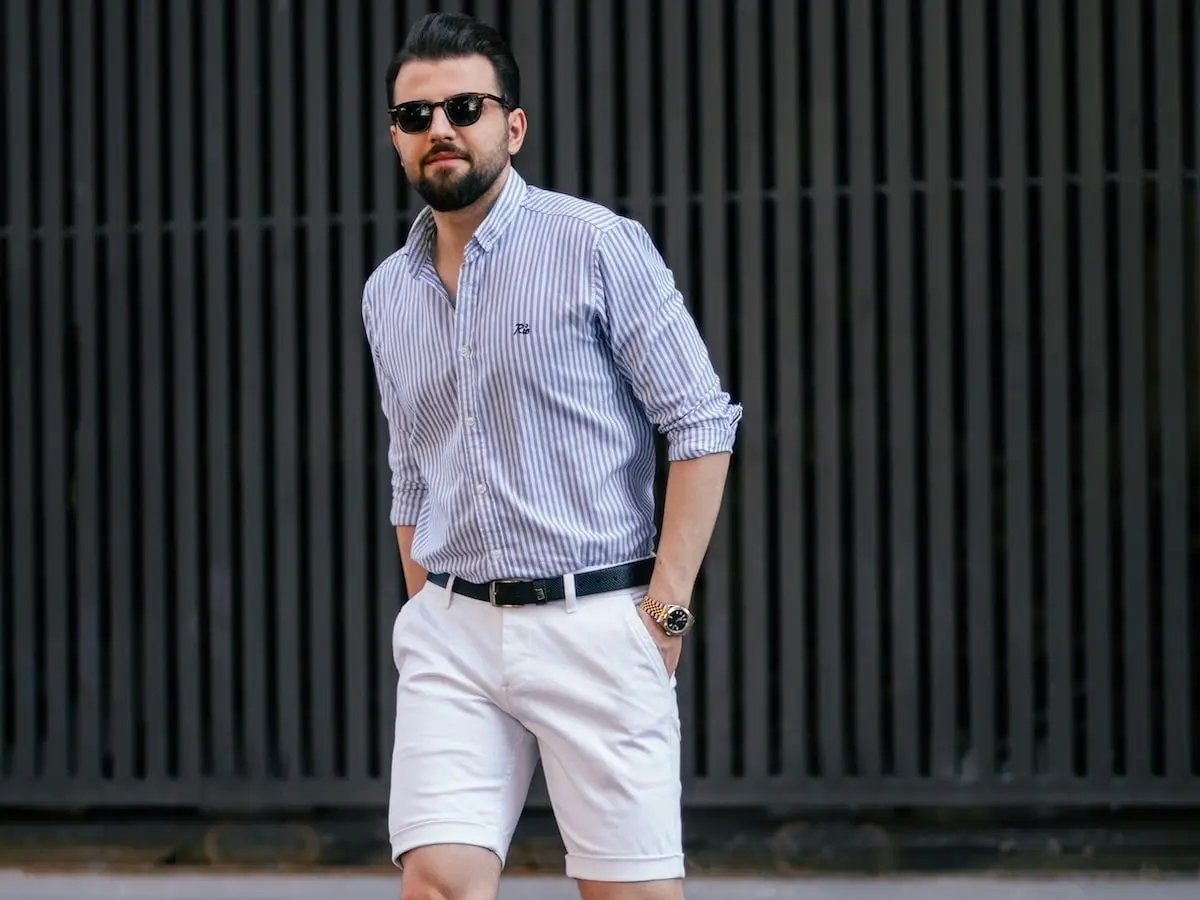
The traditional boundaries of corporate attire are undergoing a significant transformation as global temperatures rise and workplace cultures continue to prioritize employee comfort and flexibility. As the summer of 2026 approaches, a recurring question has moved to the forefront of human resources departments and fashion editorial boards alike: is it finally acceptable for men to wear shorts in a professional office environment? For decades, the bifurcated garment was relegated to the realm of weekend leisure, athletics, or childhood. However, as the 2027 forecast suggests even more extreme heat patterns, the "shorts at work" debate has shifted from a matter of style to one of practical necessity and occupational health.
While the "Great Casualization" of the workplace began in the late 20th century with the introduction of "Casual Friday," the momentum accelerated exponentially following the global shift toward remote work in the early 2020s. Today, the professional landscape is divided. In creative sectors, technology hubs, and retail environments, the barrier has largely fallen. In contrast, the "Big Four" accounting firms, legal practices, and high-level banking institutions remain the final holdouts of the full-length trouser. This report analyzes the current state of men’s professional dress codes, the technical requirements for making shorts office-appropriate, and the shifting societal expectations that are redefining the modern executive silhouette.
The Chronology of the Corporate Dress Code
The evolution of the male professional wardrobe has moved through several distinct phases over the last century, leading to the current 2026-2027 inflection point.

- 1920s–1950s: The Era of Uniformity. The three-piece suit was the non-negotiable standard. Deviating from a hat, tie, and trousers was seen as a sign of professional incompetence or lower social standing.
- 1960s–1980s: The Rise of the Blazer. While suits remained dominant, the "broken suit" or blazer-and-slacks combination began to emerge in less formal business settings.
- 1990s: The Casual Friday Phenomenon. Initially a marketing push by the garment industry to sell more khakis, Casual Friday introduced the concept that productivity was not strictly tied to a necktie.
- 2000s–2010s: Silicon Valley Influence. The tech boom popularized the "hoodie and jeans" aesthetic, challenging the idea that leadership required formal attire.
- 2020–2024: The Zoom Revolution. Remote work blurred the lines between domestic and professional life. The "mullet" outfit—professional from the waist up, casual from the waist down—became a global standard during video conferences.
- 2025–2027: The Climate Realignment. With record-breaking summer temperatures across Australia, Europe, and North America, the focus has shifted to "Climate-Adaptive Professionalism," where shorts are being considered a legitimate component of the summer uniform.
Climate Data and the Necessity of Adaptation
The push for shorts in the office is not merely a fashion trend but a response to meteorological data. In Australia, the Bureau of Meteorology has noted a consistent upward trend in mean summer temperatures over the last decade. In 2025, several metropolitan hubs recorded their hottest December on record, with office-bound commuters facing extreme heat during transit.
Occupational health experts argue that forcing employees to wear heavy trousers in 35°C (95°F) heat can lead to decreased cognitive function and increased physical fatigue. A 2025 study on workplace productivity found that employees who felt thermally comfortable reported a 12% higher output compared to those restricted by heavy, traditional garments. Consequently, the adoption of shorts is increasingly viewed through the lens of employee well-being and environmental sustainability, as lighter clothing reduces the reliance on high-intensity air conditioning in office buildings.
Industry Standards: Where the Line is Drawn
Despite the push for comfort, the acceptability of shorts remains highly dependent on the specific industry and the nature of one’s daily tasks. Melbourne-based image consultant and stylist Christina Robert White notes that the perception of professionalism is still tied to traditional silhouettes in many high-stakes environments.
"I’m pro-shorts, but we have to wait for societal change and workplace policies to catch up," White explains. "I don’t think it’s fair that men often aren’t permitted to wear shorts in corporate jobs when it’s boiling hot. But it comes down to how you want to come across in your work environment."
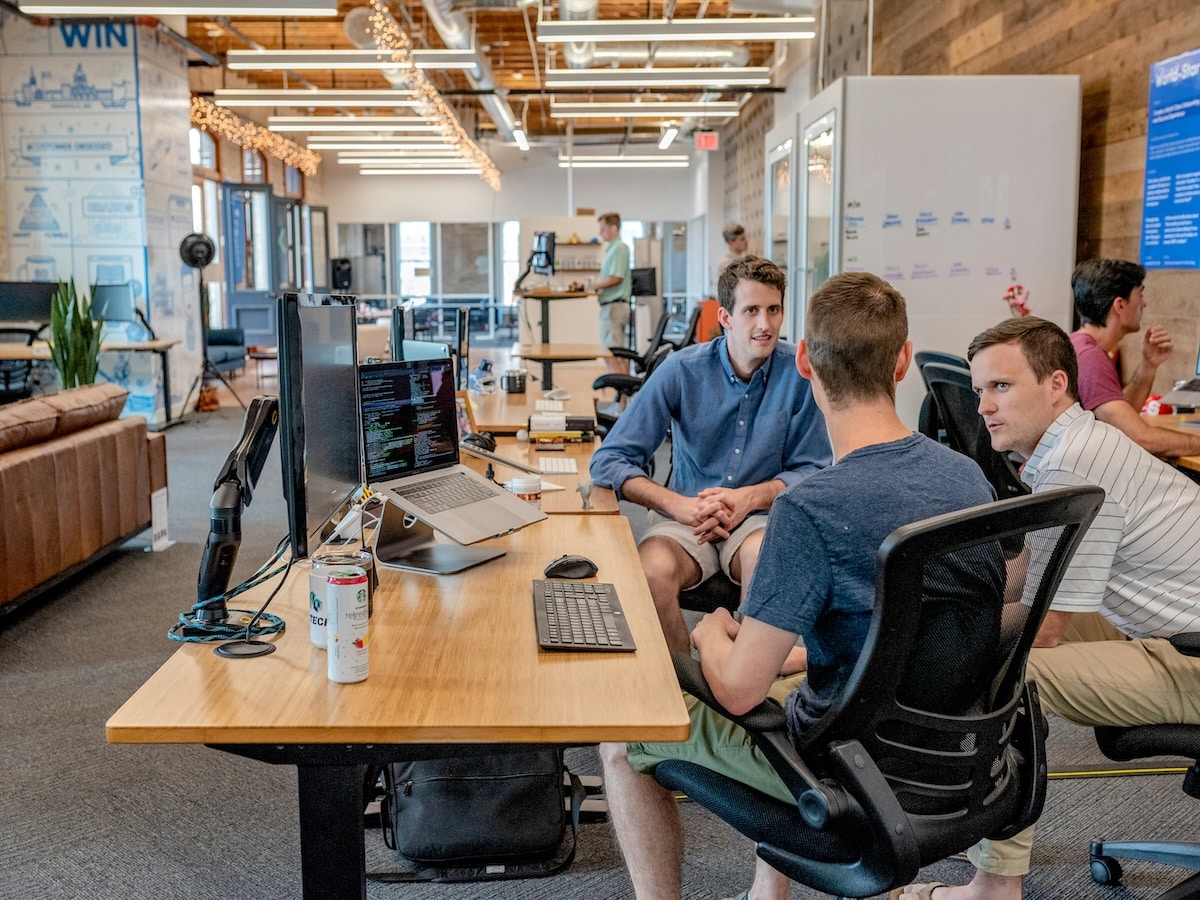
Current 2026 industry benchmarks suggest the following:
- Creative & Tech (Acceptable): Graphic designers, software engineers, and marketing specialists have largely adopted the "tailored short" as a summer staple.
- Retail & Hospitality (Acceptable): Front-of-house staff in warmer climates are increasingly permitted to wear branded or coordinated shorts.
- Traditional Corporate (Case-by-Case): Mid-level management in non-client-facing roles may find success with "Smart Casual" shorts, but the executive level remains conservative.
- Legal & Finance (Restrictive): In courtrooms or high-level boardrooms, the full suit remains the mandatory standard, though "Summer Suits" with breathable fabrics are gaining traction.
The Anatomy of the Professional Short
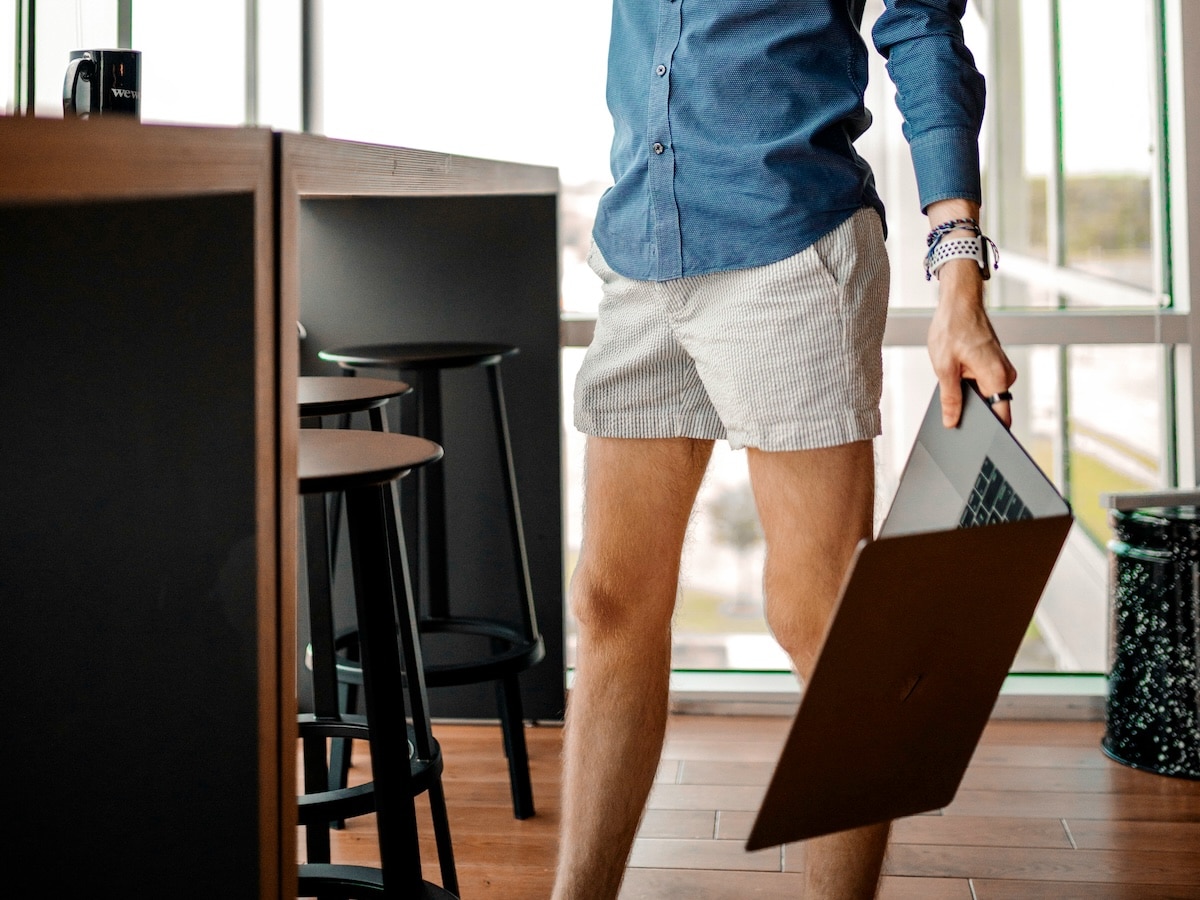
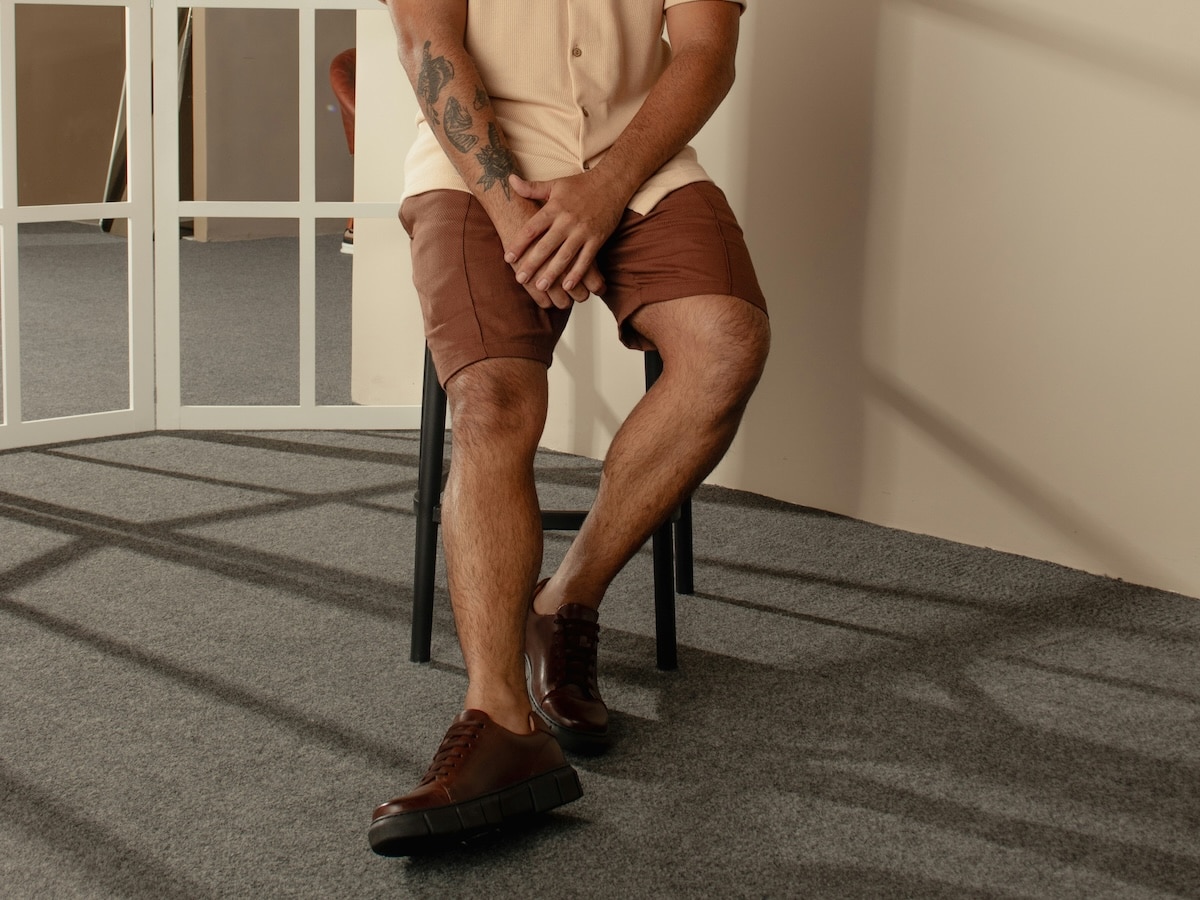
For those in workplaces where shorts are permitted, the transition from "beachwear" to "office-wear" requires strict attention to tailoring and fabric. Stylists emphasize that "professional shorts" are not simply shorter versions of casual wear; they are engineered garments that mimic the structure of a trouser.
1. Fabric and Structure
The primary differentiator of a professional short is the weight and finish of the fabric. Experts recommend a structured cotton sateen or a high-quality cotton-linen blend. The inclusion of a small percentage of elastane (1-3%) provides necessary movement without causing the garment to lose its shape throughout an eight-hour day. Fabrics with a slight sheen or a crisp, "starchy" finish convey a sense of intentionality that denim or jersey lacks.
2. The Critical Matter of Length
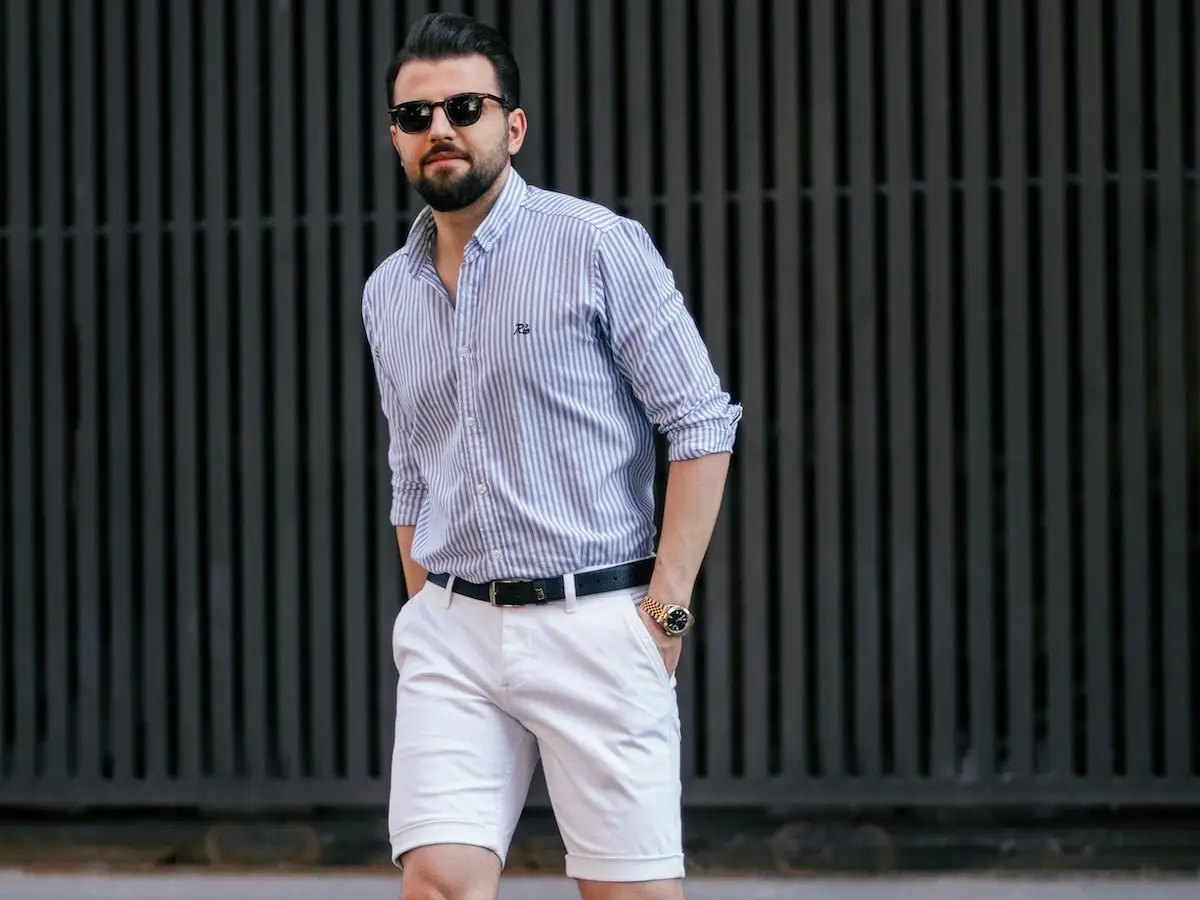
In a professional setting, the "inseam" is the most scrutinized measurement. The fashion-forward trend of 5-inch inseams (mid-thigh) is generally considered inappropriate for the office. Conversely, overly long shorts that cover the kneecap can appear "daggy" or dated. The consensus for 2026/2027 is a hemline that sits approximately one to two inches above the top of the kneecap. This provides a balanced silhouette that remains modest when seated.
3. Tailoring and Fit
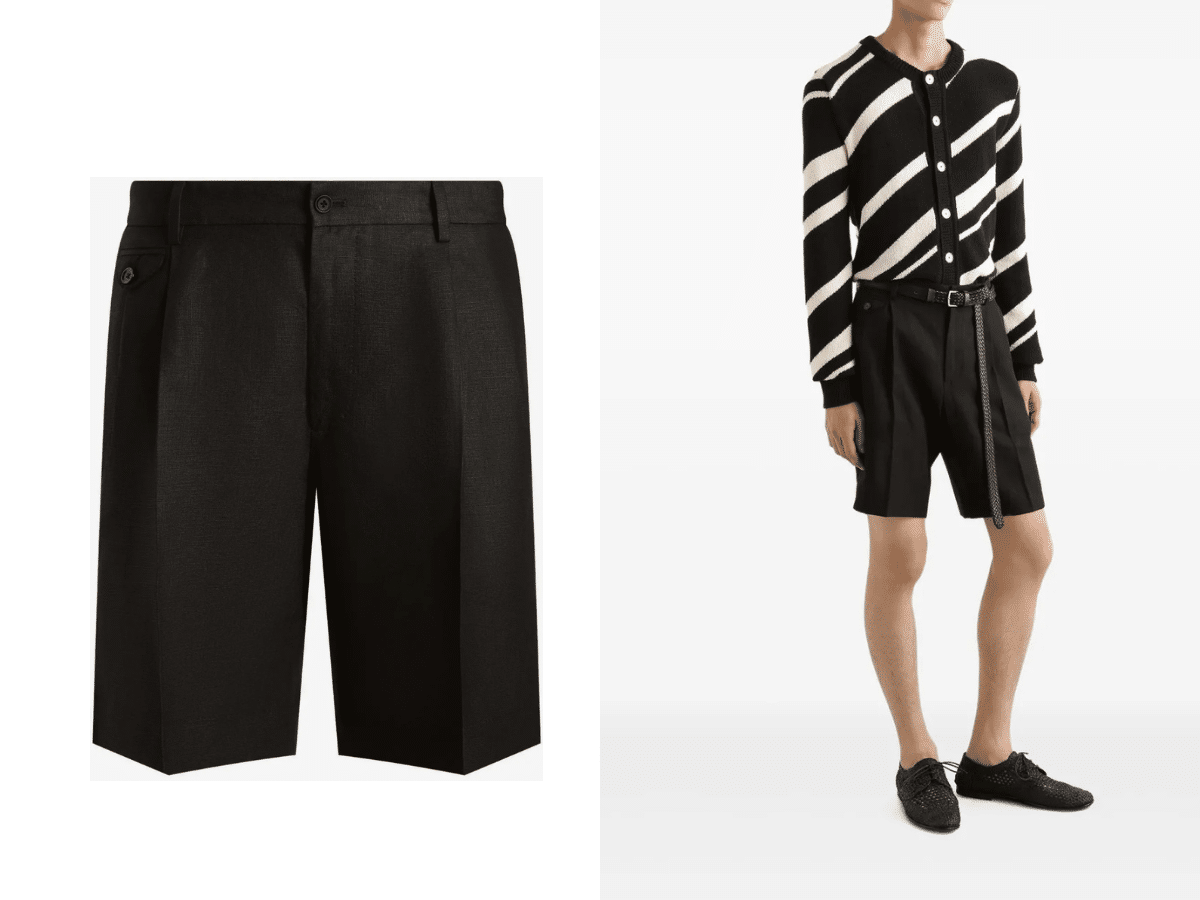
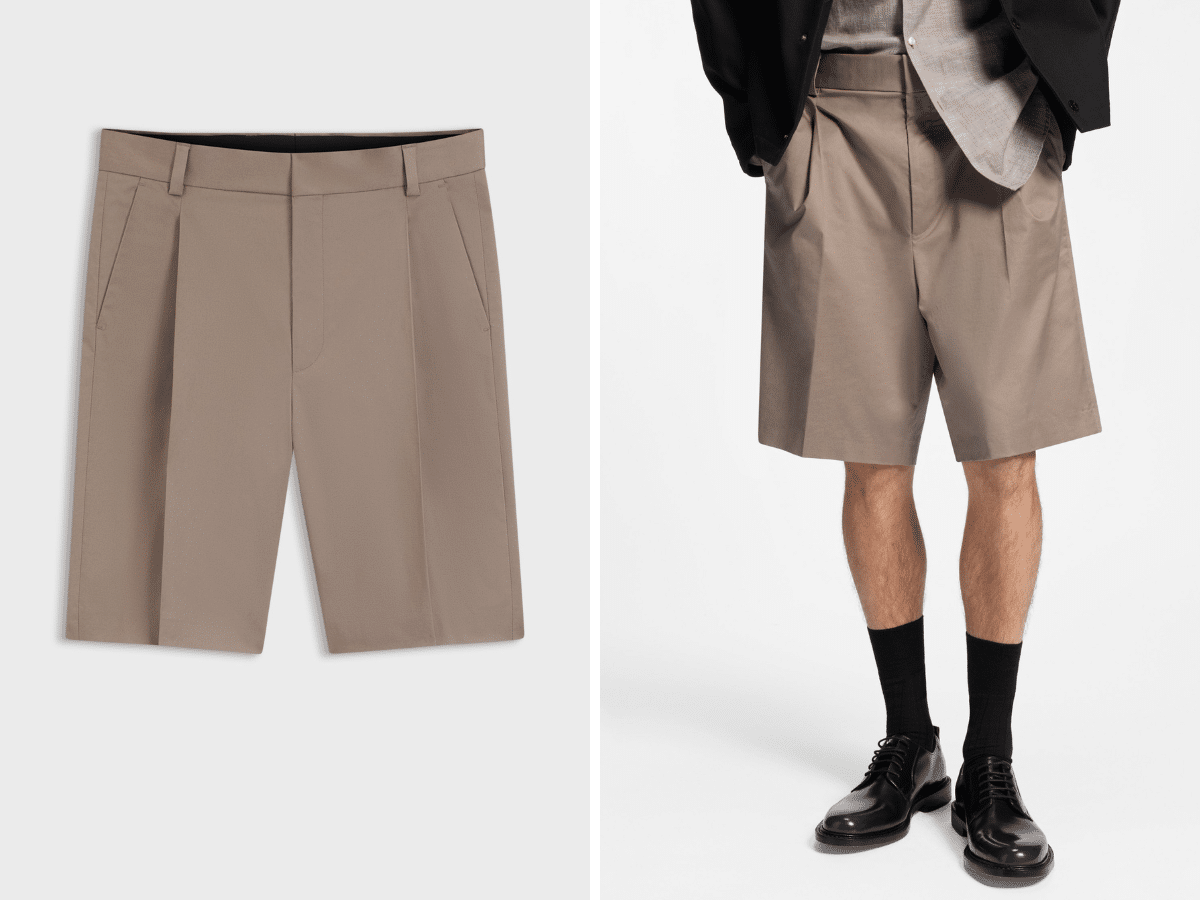
The fit should be "tapered" rather than "skinny" or "relaxed." A tapered cut follows the natural line of the leg, providing a clean profile. Pleated shorts have seen a resurgence in 2026, offering a vintage, "Old Money" aesthetic that pairs well with tucked-in shirts and leather belts.
Integration: Completing the Professional Look
Wearing shorts to the office requires the "elevation" of the rest of the outfit to compensate for the casual nature of the lower half. Stylists recommend a "Full Tuck" approach for shirts to maintain a clear waistline and a structured appearance.
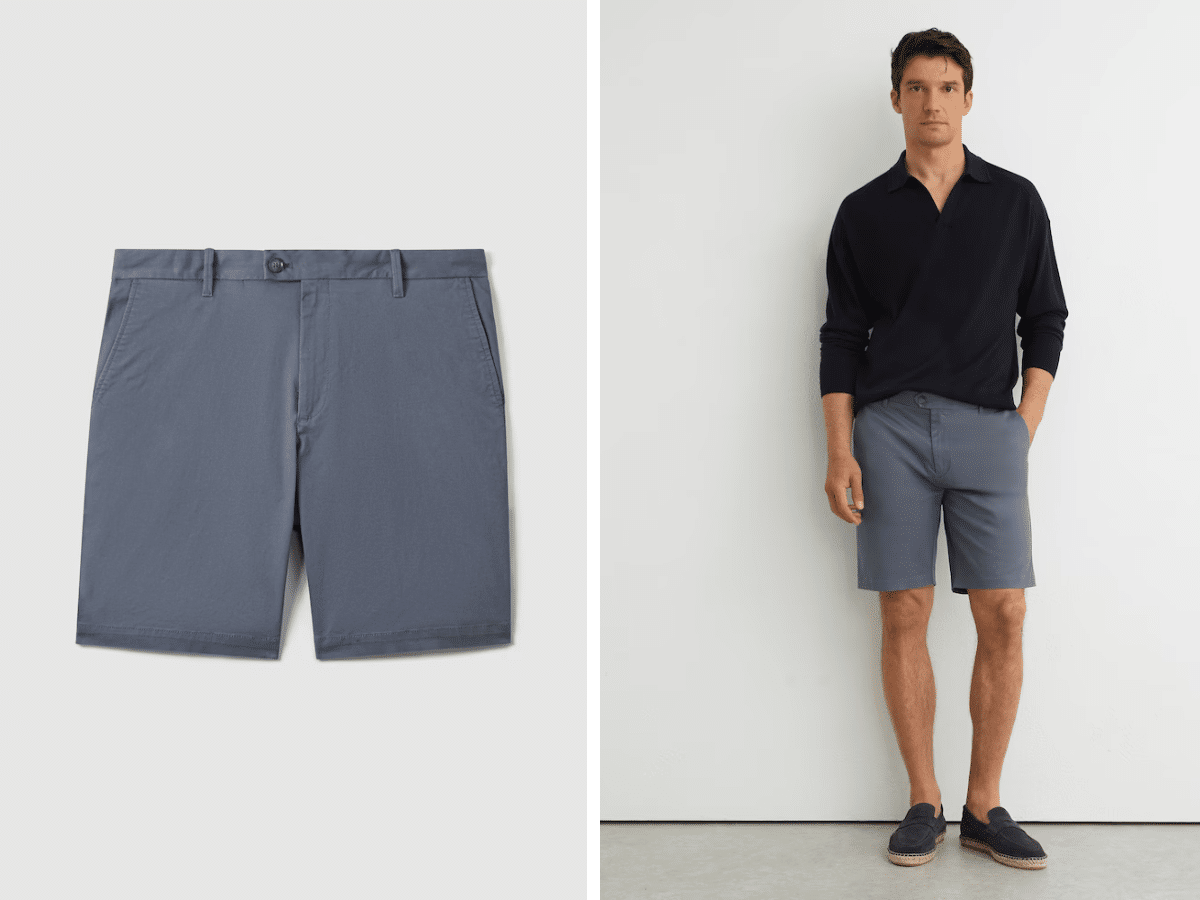
- Footwear: The choice of shoe is the most common point of failure in office-shorts styling. Clean, minimalist leather sneakers are acceptable in casual offices, but for a truly professional look, suede or leather loafers are the gold standard. Boat shoes remain a viable option for a "preppy" or coastal professional look.
- The Sock Rule: In 2026, the "invisible sock" remains a requirement for the professional short aesthetic. Visible athletic socks break the visual line of the leg and are widely cited by HR consultants as the element that most frequently tips an outfit into "unprofessional" territory.
- Accessories: A high-quality leather belt that matches the footwear is essential. This small detail signals that the shorts are a deliberate choice rather than an afterthought.
The HR Perspective: Official Responses and Policy Shifts
Human Resources departments are increasingly being asked to codify "Shorts Policies" to avoid ambiguity. Many modern firms are moving toward "Dress for Your Day" guidelines. Under these policies, employees are encouraged to use their discretion: wearing a suit for a client pitch, but opting for tailored shorts for a day of internal data analysis or creative brainstorming.
Official statements from several leading recruitment agencies suggest that flexible dress codes are becoming a key tool for talent retention. Younger demographics, particularly Gen Z and the emerging Gen Alpha, view rigid dress codes as archaic. In a competitive labor market, the ability to wear comfortable, climate-appropriate clothing is often cited as a significant non-monetary benefit.
Analysis of Broader Implications
The shift toward shorts in the office is a microcosm of a larger societal move toward "Enclothed Cognition"—the scientific theory that the clothes we wear affect our psychological processes. When employees feel restricted or physically uncomfortable, their focus shifts from their work to their discomfort.
Furthermore, the "Shorts Movement" represents a step toward gender neutrality in dress codes. For decades, women have had the option of skirts and dresses during summer months, providing a degree of thermal regulation that men were denied. By normalizing professional shorts, companies are addressing a long-standing double standard in corporate grooming.
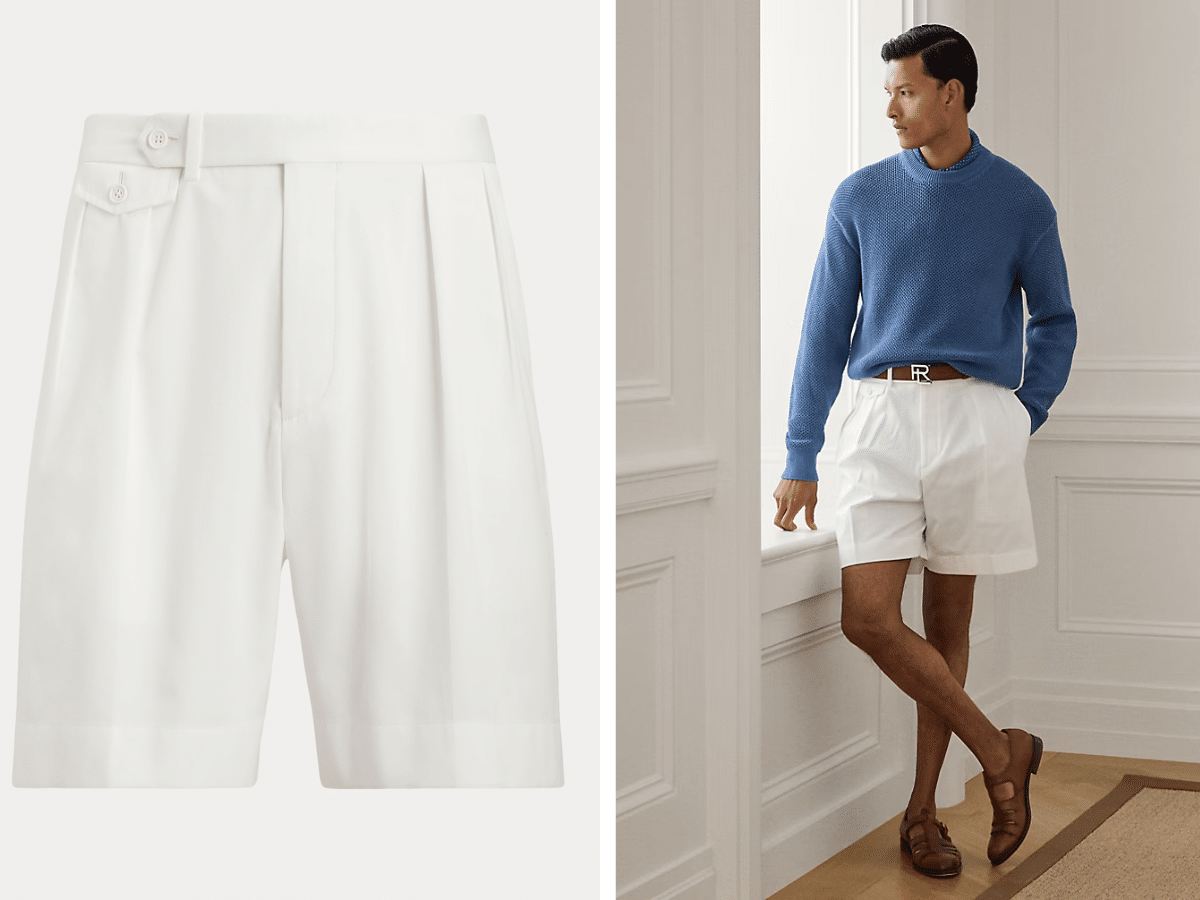
Summary of Professional Standards for 2026-2027
| Feature | Recommended | Avoid |
|---|---|---|
| Style | Tailored Chino, Pleated | Cargo, Boardshorts, Gym |
| Fabric | Cotton Sateen, Linen-Blend | Denim, Jersey, Distressed |
| Length | 1-2 inches above the knee | Mid-thigh or below the knee |
| Footwear | Loafers, Sleek Sneakers | Thongs, Running Shoes |
| Shirt | Tucked-in Oxford, Smart Polo | Oversized T-shirt, Singlet |
As the corporate world navigates the remainder of the decade, the professional short is likely to move from a "bold choice" to a standard summer alternative. While the boardroom may always require the gravitas of a full suit, the modern office is finally acknowledging that professional excellence is measured by output and intellect, not by the length of one’s trousers. For the modern professional in 2026, the key to success lies in the balance between climate-conscious comfort and the sharp, intentional tailoring that defines a leader.


 Yuyun Lusiyani
 Joko Widodo
 Eva Lovia
 Jia Lissa

 Pevita Pearce
 admin
