
 Lina Irawan
As the 2026-2027 summer season reaches record-breaking temperatures across the Southern Hemisphere, the traditional boundaries of professional attire are facing their most significant challenge since the rise of Business Casual in the 1990s. For decades, the corporate world has maintained a rigid stance on legwear: while women have long had the option of skirts and dresses, men have been expected to adhere to full-length trousers regardless of the mercury’s climb. However, as hybrid work models solidify and climate-conscious office policies evolve, the question of whether shorts are acceptable for men in a professional environment has moved from a fringe debate to a central HR consideration.
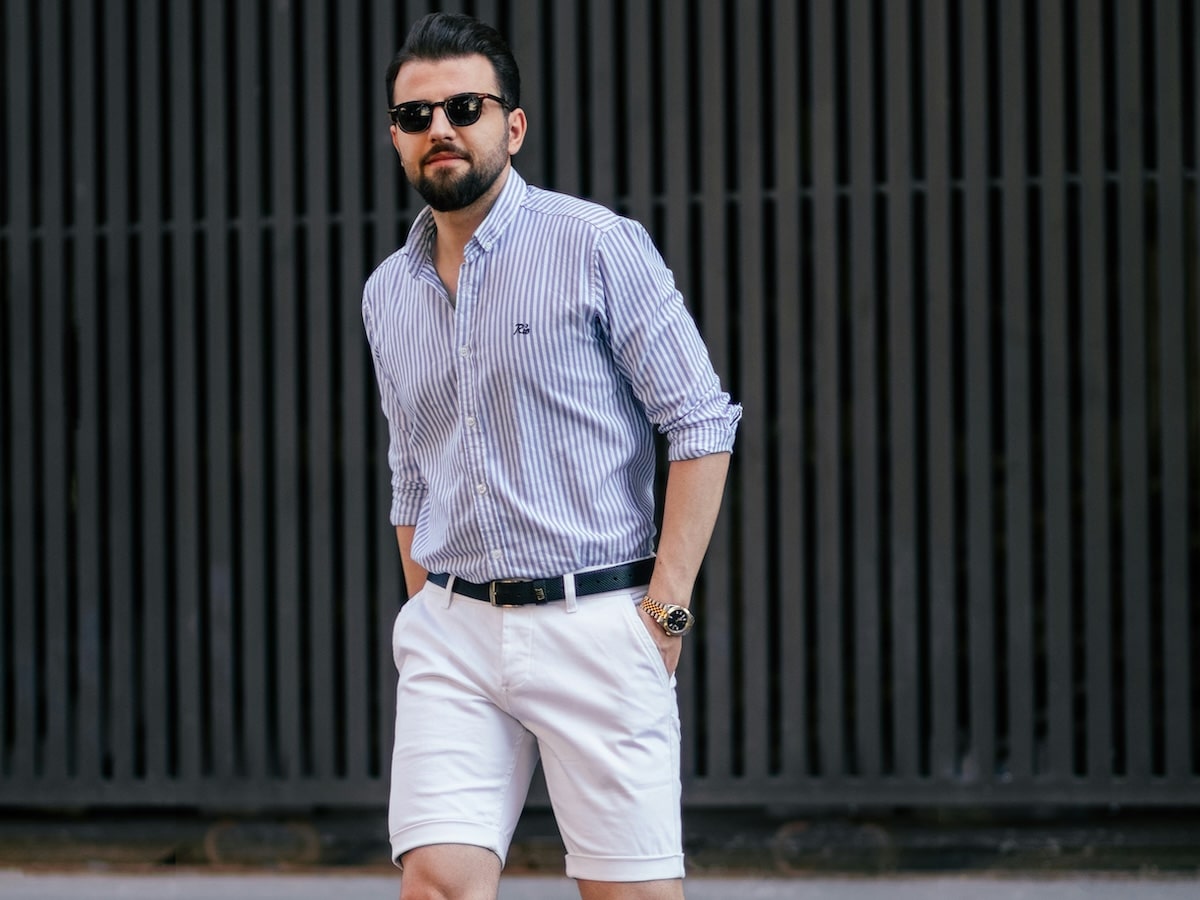
The modern workplace is currently navigating a period of stylistic transition. While sneakers have successfully integrated into the daily rotation and ties have become largely relegated to the most formal of boardrooms, the "shorts barrier" remains one of the final frontiers of corporate dress codes. This tension is particularly palpable during the Australian summer, where the reality of a sweltering commute often clashes with the perceived gravity of professional representation.
The Historical Context: From Starch to Stretch
The history of office attire is one of gradual relaxation, often driven by broader societal shifts. In the mid-20th century, the "Man in the Gray Flannel Suit" represented the peak of corporate conformity. The 1990s introduced "Casual Friday," a concept initially pushed by the apparel industry—most notably Levi’s through their Dockers brand—to boost sales of chinos. This shifted the baseline from suits to separates.

The most drastic disruption occurred during the 2020-2022 global pandemic, which forced a mass transition to remote work. During this period, "Zoom dressing"—the practice of wearing a professional shirt paired with sweatpants or shorts out of camera range—became the global standard. As employees returned to physical offices in 2023 and 2024, many brought a newfound prioritisation of comfort with them. By 2026, this has evolved into a demand for "performance professional" wear: clothing that maintains a high-end aesthetic while utilizing breathable, flexible fabrics suitable for an warming climate.
The Environmental and Productivity Case for Office Shorts
The shift toward allowing shorts in the workplace is not merely a matter of fashion; it is increasingly framed as an environmental and health necessity. Research into workplace productivity has consistently shown that thermal comfort is directly linked to cognitive performance. A study by the Lawrence Berkeley National Laboratory found that office performance peaks at approximately 22°C (71.6°F) and begins to decline as temperatures rise above 25°C (77°F).
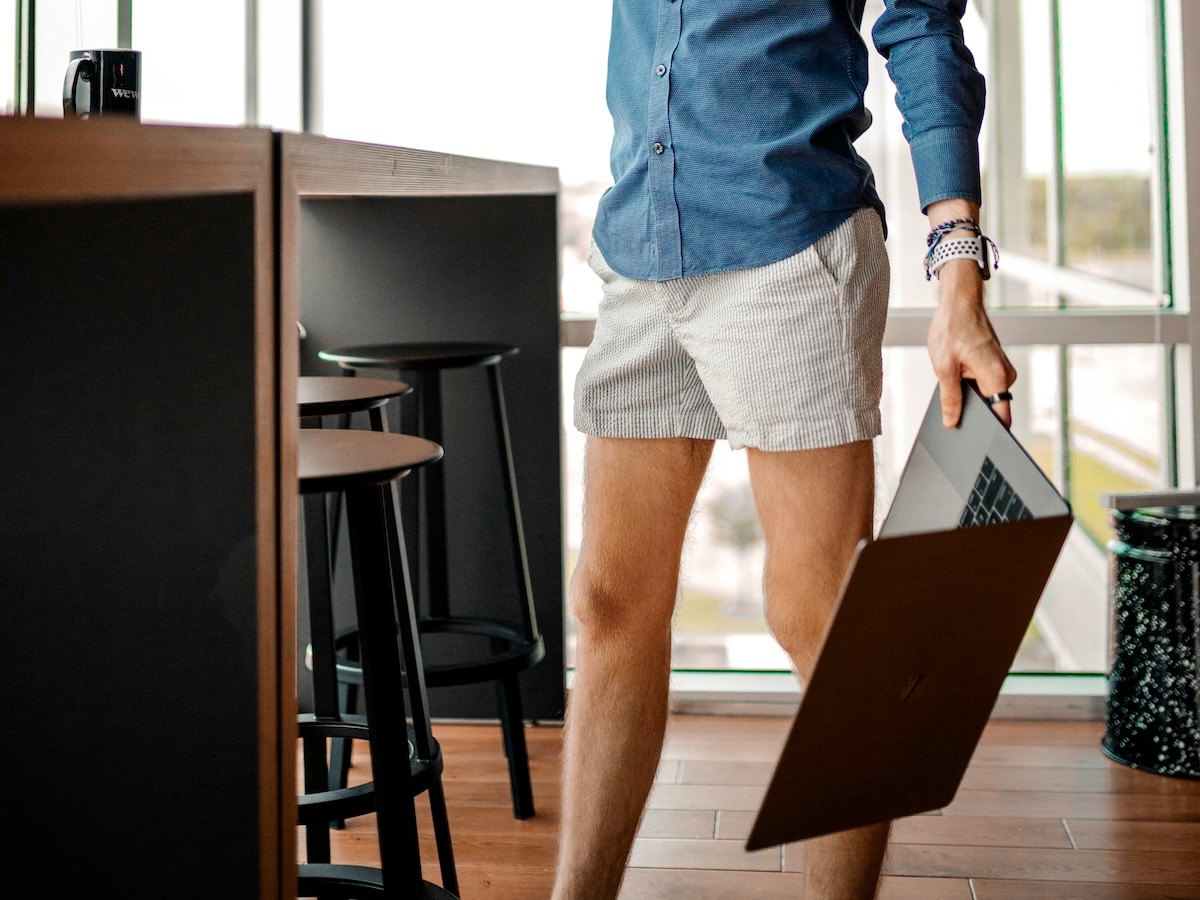
Furthermore, the "Cool Biz" campaign initiated by Japan’s Ministry of the Environment in 2005 serves as a historical precedent for state-sanctioned dress code changes. By encouraging office workers to ditch jackets and ties and wear short-sleeved shirts, Japan significantly reduced the need for air conditioning, saving an estimated 1.14 million tons of CO2 emissions in its first year alone. In 2027, as corporations face stricter ESG (Environmental, Social, and Governance) reporting requirements, reducing the energy load of office cooling systems by allowing more breathable attire like shorts is becoming a strategic move.
Expert Analysis: The Professionalization of the Short
Despite the logical arguments for comfort and sustainability, the execution of "office shorts" remains a minefield for the uninitiated. Christina Robert White, a prominent Melbourne-based image consultant and stylist, suggests that the acceptance of shorts is heavily predicated on their construction and the industry in question.

"I’m pro-shorts for men, but we have to wait for societal change and workplace policies to catch up," White explains. She notes that while creative industries, IT, and retail have largely embraced the change, traditional sectors like law, high finance, and the ‘Big Four’ accounting firms remain resistant. "Would you take your banker or your lawyer seriously if they had shorts on? That’s the unfortunate truth at the moment."
For those in environments where shorts are permissible, White emphasizes that the garment must be "professionalized." This means moving away from the casual silhouettes of the weekend and toward a more structured, tailored aesthetic.
The Anatomy of the Professional Short
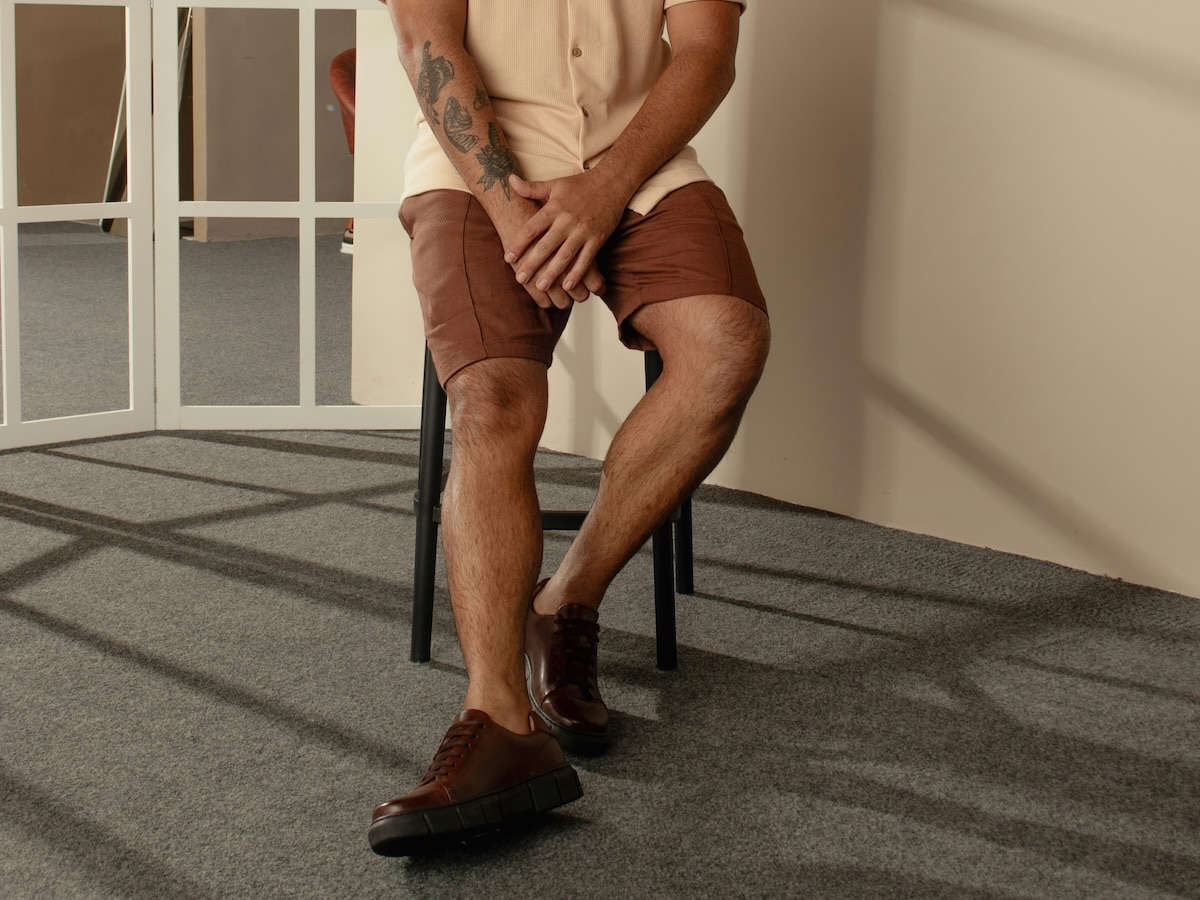
To successfully wear shorts in a 2027 professional setting, the garment must mimic the qualities of high-end trousers. Experts suggest four key pillars for selection:
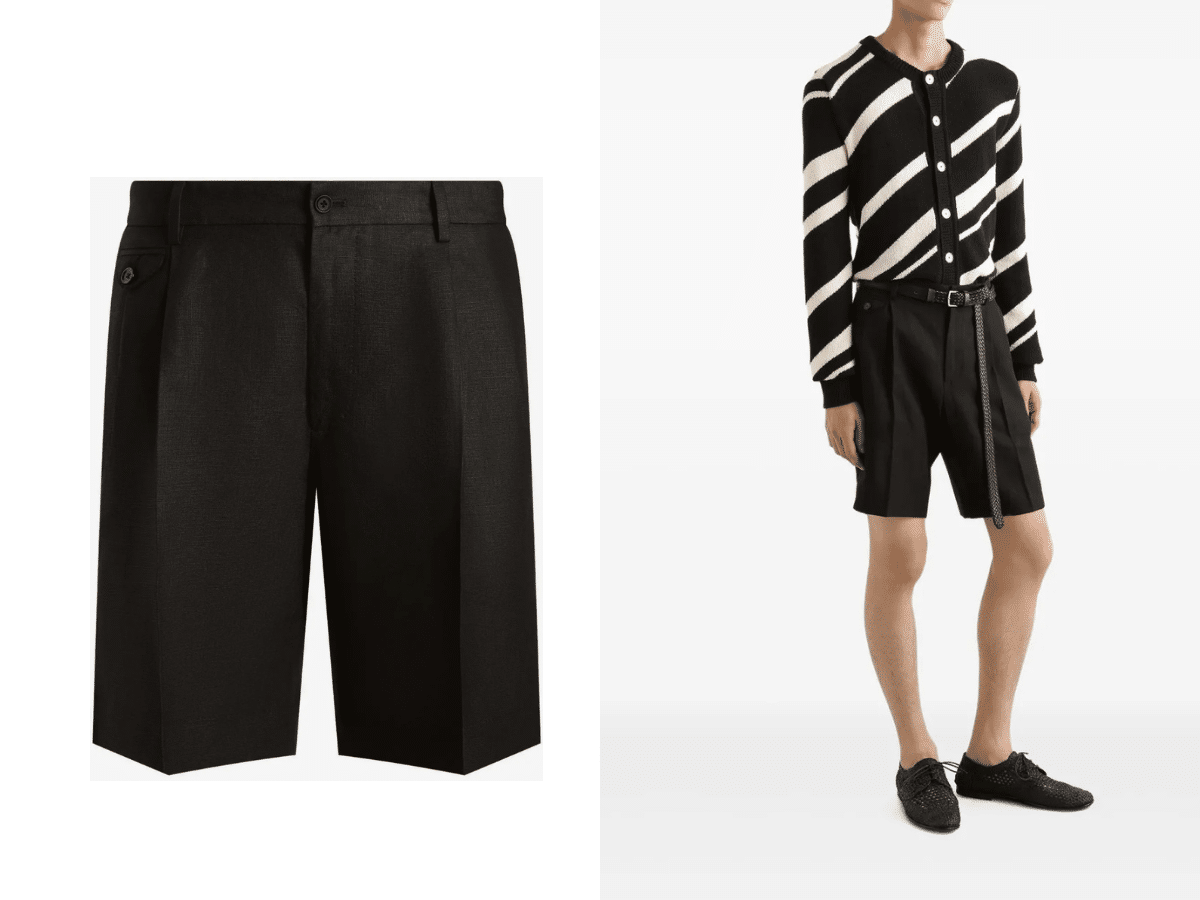
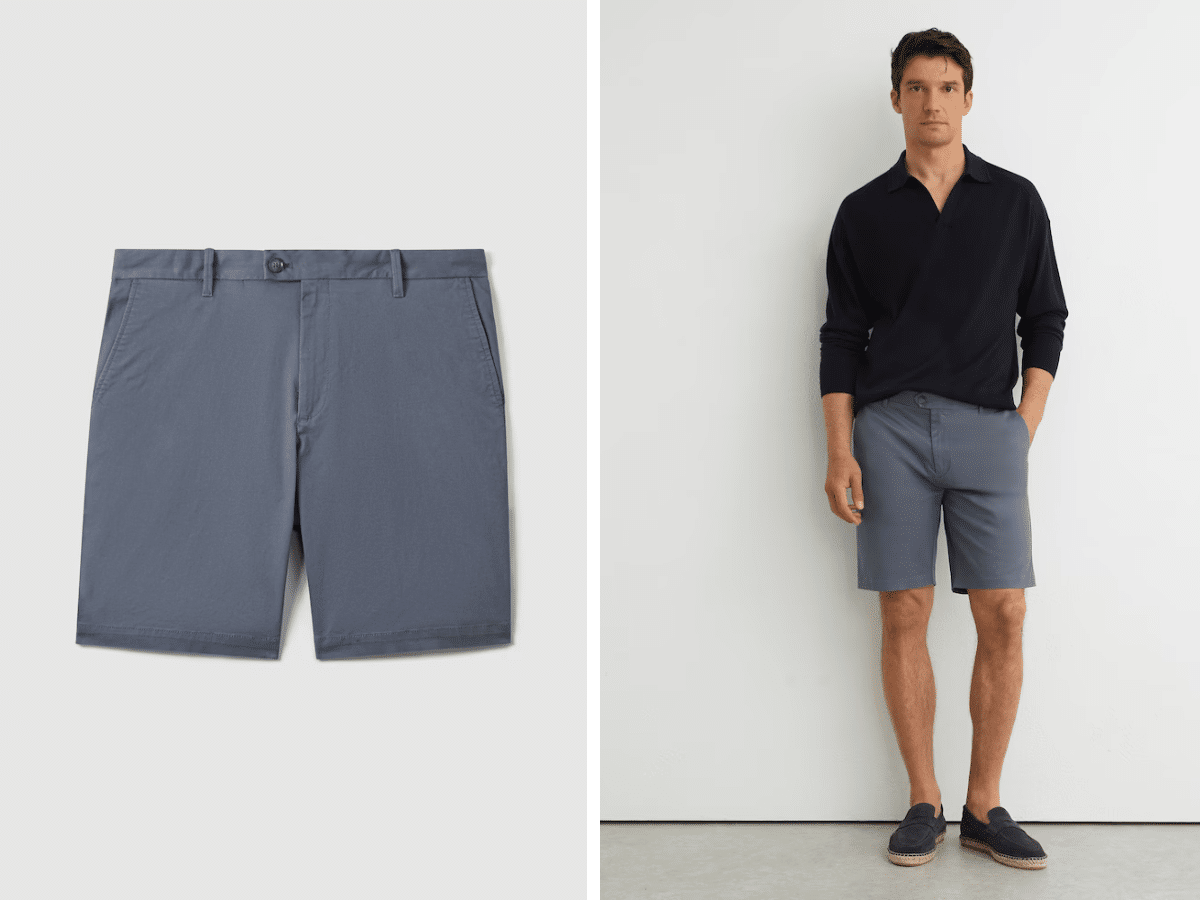
- Fabric and Structure: Professional shorts should be made from high-quality, structured materials. Cotton sateen with a hint of stretch, heavy-weight linen blends, or wool gabardine provide the necessary "drape" that distinguishes them from gym or beach wear. Avoid fabrics that wrinkle excessively or appear too thin.
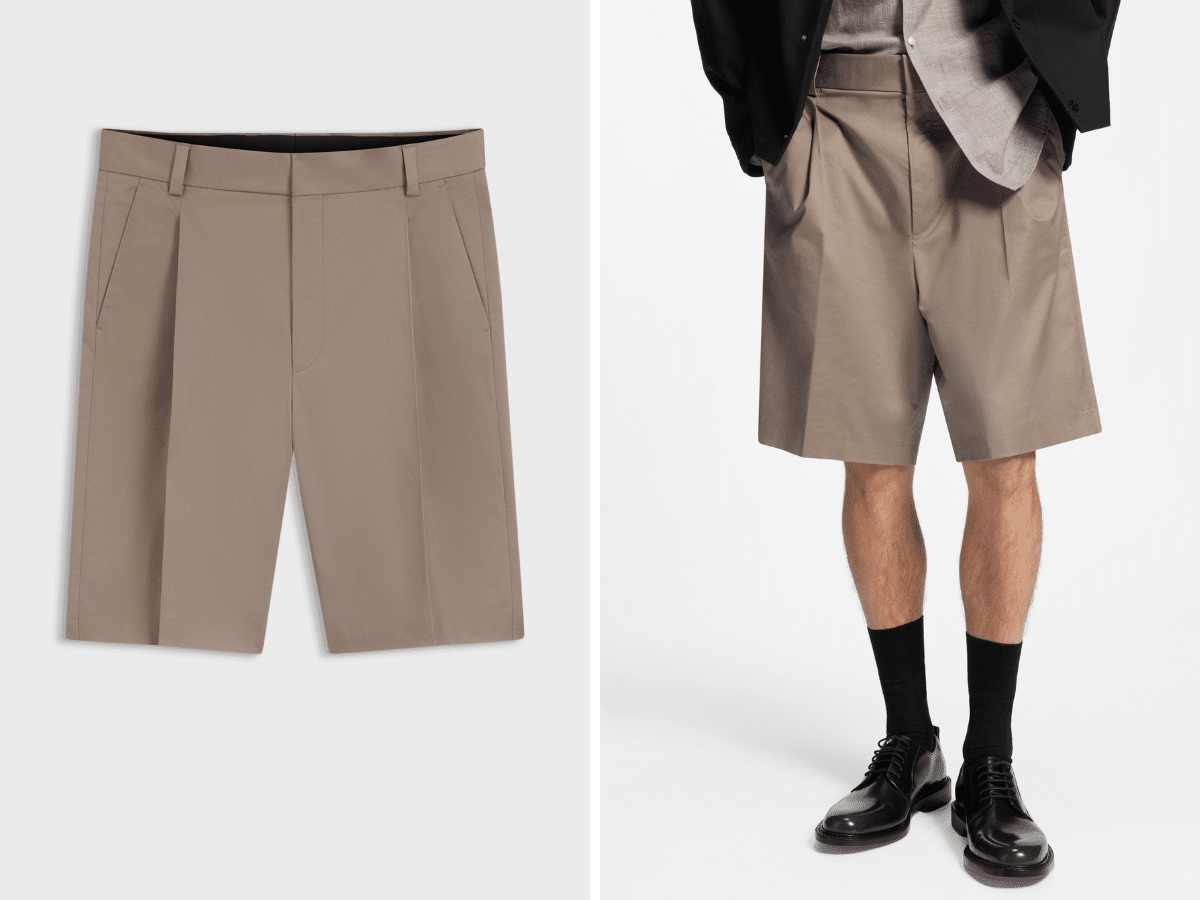
- The Cut: A tailored or tapered fit is essential. The shorts should follow the line of the leg without being restrictive. Pleated designs have seen a resurgence in 2026, offering a vintage, sophisticated look that aligns well with the "old money" aesthetic currently trending in menswear.
- Length: The "golden rule" for office shorts is that they should finish just above the knee. Anything reaching the mid-thigh risks looking too casual or "comical," while anything below the knee enters the territory of the "cargo" era, which is widely considered unprofessional in 2027.
- Pairing: The surrounding elements must "elevate" the shorts. This includes a crisp, tucked-in Oxford or poplin shirt, a high-quality leather belt, and professional footwear.
Industry Reactions and Policy Shifts
The corporate response to office shorts remains fragmented. In a 2026 survey of HR managers in Sydney and Melbourne, 45% of respondents in the tech and creative sectors reported that their official dress code now explicitly permits "tailored shorts." In contrast, only 8% of firms in the legal and financial sectors have made similar concessions.
Official statements from various industry bodies reflect this divide. Creative agency directors often argue that a relaxed dress code fosters a more innovative environment and aids in talent retention. Conversely, spokespeople for traditional firms often cite "client expectations" and the "gravity of representation" as the primary reasons for maintaining a trousers-only policy.
However, the "Client Expectation" argument is also shifting. As the leaders of client companies—often younger, tech-savvy executives—adopt more casual wardrobes themselves, the pressure for their service providers (lawyers, consultants, etc.) to wear suits is diminishing.
Chronology of the Modern Dress Code Evolution
- 2005: Japan launches "Cool Biz," proving that dress code changes can impact national energy consumption.
- 2015: "Business Casual" becomes the standard in over 70% of global offices.
- 2020-2022: The Pandemic Era. Remote work eliminates the need for professional lower-body attire.
- 2023: The "Return to Office" begins. Hybrid work models lead to "Power Casual," blending professional tops with comfortable bottoms.
- 2025: Record-breaking heatwaves in Europe and Australia prompt public debate over gender equity in dress codes (the "Skirts vs. Shorts" debate).
- 2026-2027: The emergence of "Performance Professional" wear. Luxury brands like Dior, Hugo Boss, and M.J. Bale launch dedicated "Office Short" collections.
Broader Implications: Gender Equity and Modernity
One of the most potent arguments in favor of men’s office shorts is the issue of gender equity. In most modern offices, women are permitted to wear skirts, dresses, or culottes that leave the lower leg exposed, providing a significant advantage in thermal regulation. Men, restricted to trousers, often find themselves in a position where they must choose between professional standing and physical health during extreme weather events.
By 2027, some labor advocates have begun to frame this as a workplace wellness issue. The ability to dress for the climate is seen as a reasonable accommodation that improves employee morale and reduces the risk of heat-related fatigue.
Future Outlook: Is the Suit Dead?
The rise of the office short does not signal the death of the suit, but rather its evolution. The "Short Suit"—a tailored blazer paired with matching tailored shorts—has appeared on runways and in high-end retail throughout 2026. While still considered avant-garde for a board meeting, it represents the direction in which professional attire is heading: a future where the definition of "professional" is based on the quality of the garment and the intentionality of the outfit, rather than the length of the fabric.
As we move deeper into 2027, the "Shorts Gap" is likely to continue narrowing. For the modern professional, the key to navigating this transition lies in discernment. Understanding the specific culture of one’s workplace, investing in high-quality tailoring, and maintaining a sharp aesthetic will allow men to stay cool without sacrificing their professional reputation. The knee may finally be out of the shadows, but it must be presented with a sense of structure and style.



 Yuyun Lusiyani
 Joko Widodo
 Eva Lovia
 Pevita Pearce
 admin
admin