
 Lina Irawan
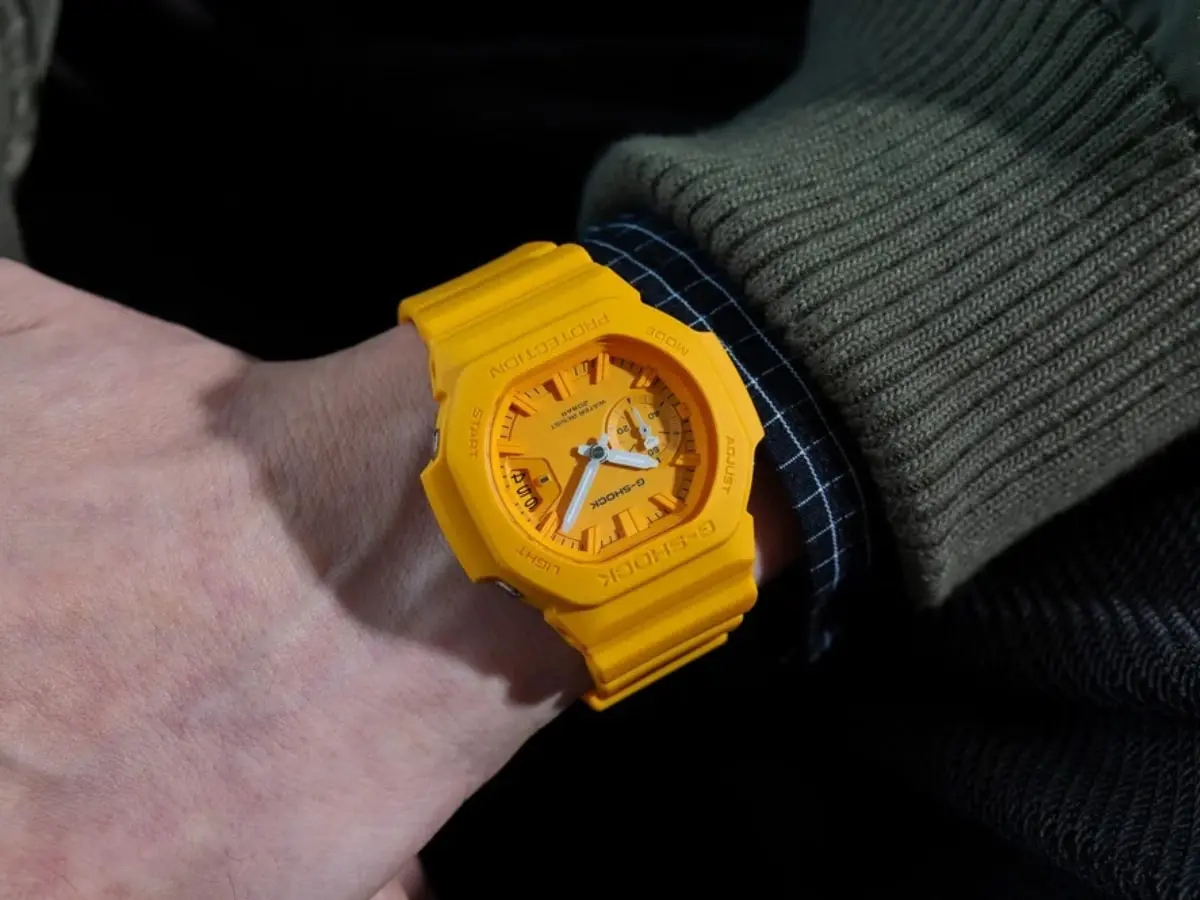
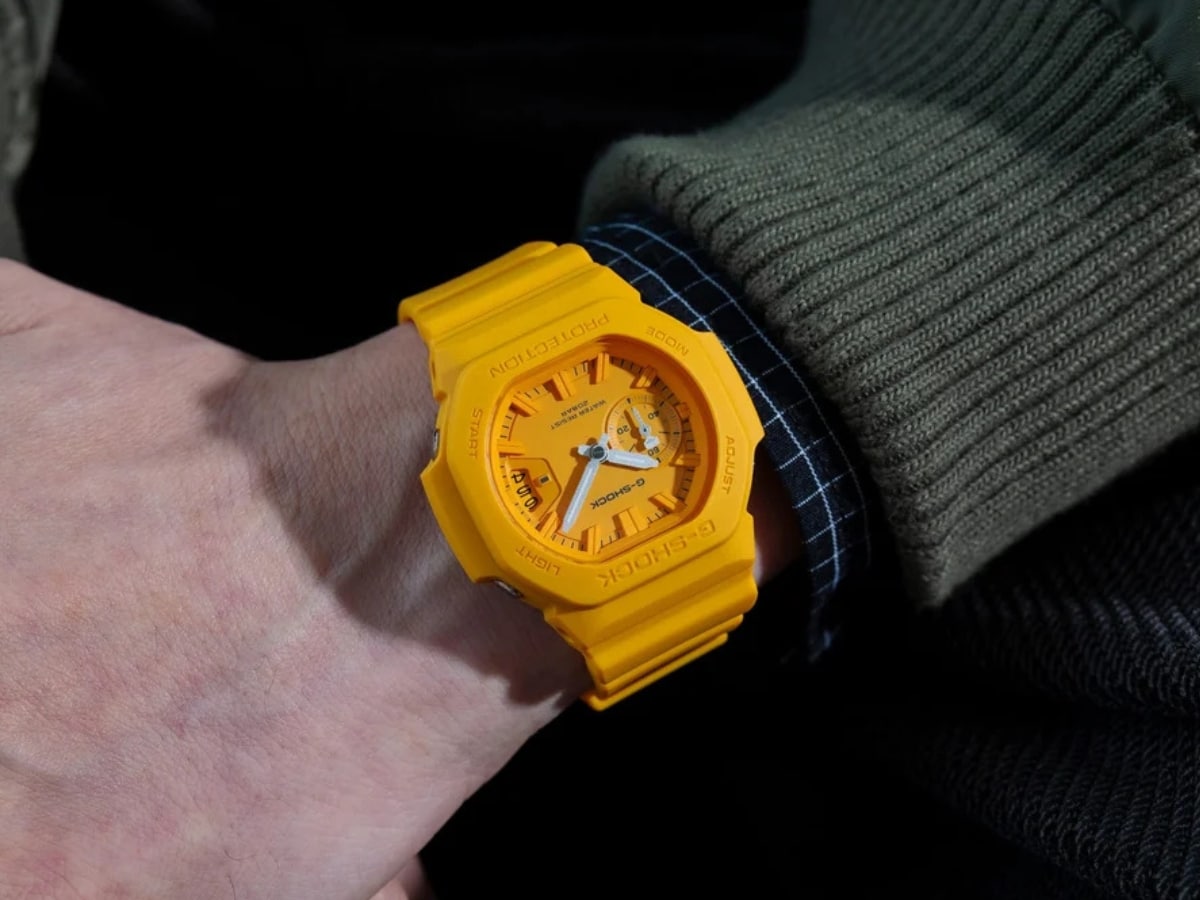
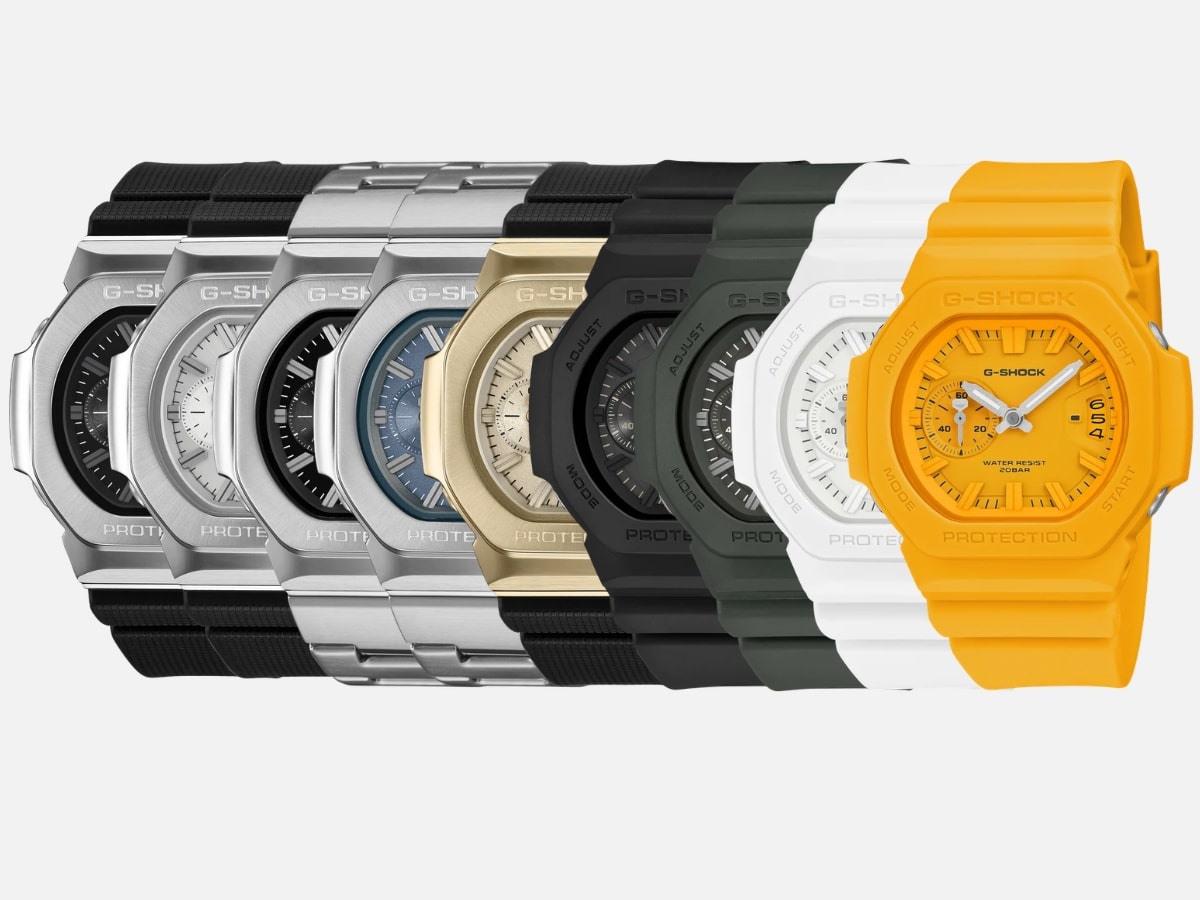
Casio has officially announced the global release of the G-Shock 2500 Series, a collection that has already garnered significant attention within the horological community under the moniker "CasioNaut." This new lineup represents a strategic pivot for the brand, blending the legendary ruggedness of the G-Shock lineage with a refined, all-analogue aesthetic that draws inspiration from high-end luxury sports watches. Comprising nine distinct references across three material configurations—all-resin, resin-and-steel, and full stainless steel—the 2500 Series seeks to capture a segment of the market that values both technical ingenuity and sophisticated industrial design. Scheduled for a phased global rollout starting November 7, 2026, the series introduces the advanced Casio 5757 quartz module, which eliminates the traditional liquid crystal display (LCD) in favor of a fully mechanical interface, a move that signals a return to classic watchmaking sensibilities within a modern, shock-resistant framework.
The Design Philosophy and the "CasioNaut" Phenomenon
The "CasioNaut" nickname, which began as a grassroots term among watch enthusiasts following early leaks of the 2500 Series, refers to the case’s distinctive silhouette. With integrated lugs and flared sides, the watch bears a passing resemblance to the iconic Patek Philippe Nautilus, designed by Gérald Genta. However, industry analysts note that while the inspiration is evident, Casio has successfully integrated these cues into the established G-Shock design language. The result is a timepiece that feels familiar to G-Shock collectors yet offers a level of formal restraint rarely seen in the brand’s more utilitarian offerings.
This release follows the massive commercial success of the GA-2100 series, popularly known as the "CasiOak" for its octagonal bezel. By leaning into these "homage" trends while maintaining proprietary technology, Casio has found a lucrative niche in the "premium-affordable" sector. The 2500 Series is the logical evolution of this trend, moving further away from the digital-heavy interfaces of the 1990s and 2000s and toward a purely analogue presentation that appeals to a broader demographic, including those who may have previously found G-Shocks too bulky or overly technical for professional environments.

Technical Innovation: The 5757 Module and the Digital-to-Analogue Shift
At the heart of the G-Shock 2500 Series is the newly developed Casio 5757 module. Engineering an all-analogue watch to perform the same functions as a digital one requires significant mechanical complexity. The 5757 module addresses this through a clever reconfiguration of traditional watch components. The most notable innovation is the integration of the date wheel into the stopwatch function.
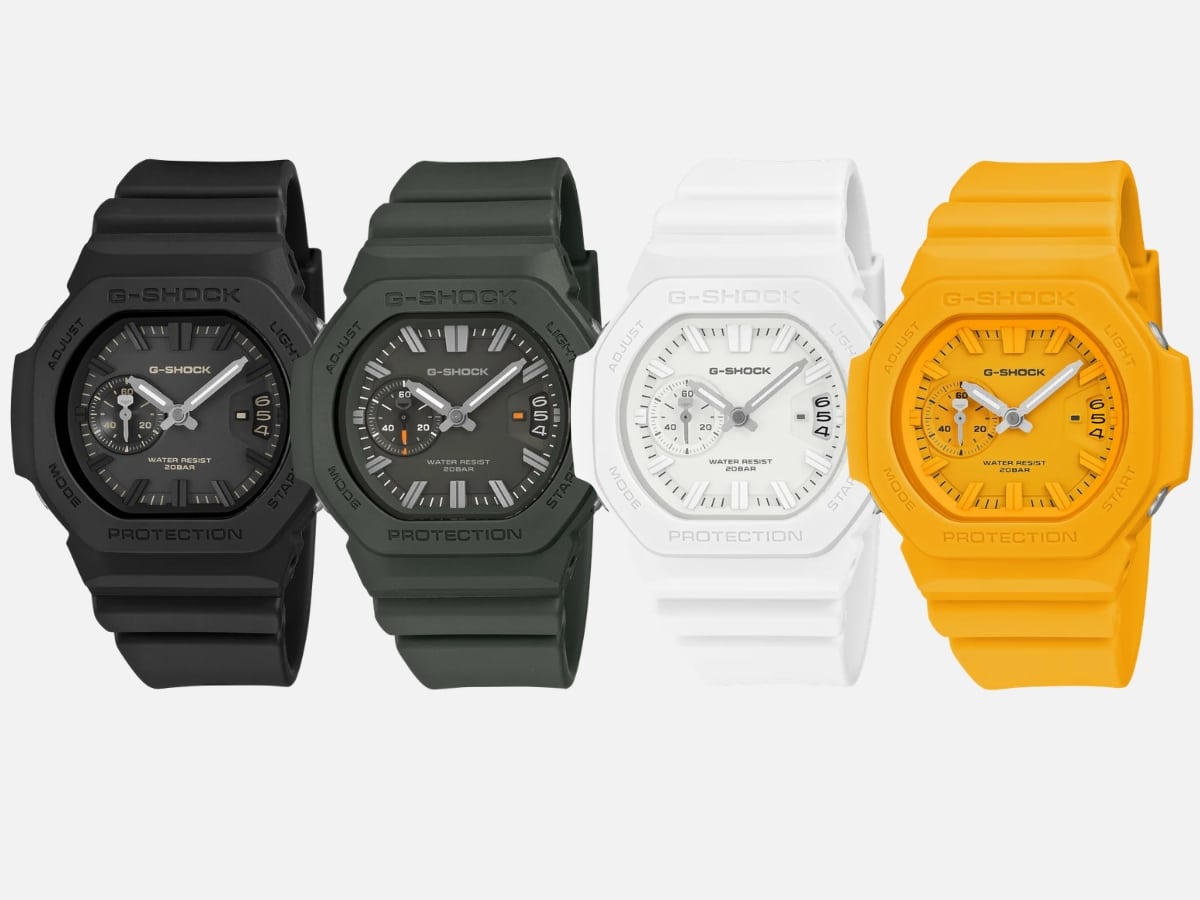
Under normal timekeeping conditions, the watch displays hours, minutes, and small seconds via a subdial at the 9 o’clock position, while a three-cell date window sits at 3 o’clock. When the user activates the stopwatch mode via the pusher at 8 o’clock, the date wheel rotates to display "ST" (Stopwatch). In this mode, the small seconds hand resets to zero and begins counting seconds, while the date wheel—which typically only moves once every 24 hours—becomes a minute counter. Because the date wheel is calibrated for 31 days, the stopwatch is limited to a maximum duration of 31 minutes and 59 seconds. While this may limit the watch’s utility for long-duration timing, it serves as a testament to Casio’s ability to repurpose mechanical components for multi-functional use without the need for an LCD screen.
Furthermore, the series includes a "Shock Release Hand" system. Analogue hands are traditionally the "Achilles’ heel" of a shock-resistant watch, as the physical mass of the hands can cause gears to skip or shafts to bend upon high-velocity impact. The Shock Release system, which first appeared in the GA-V01 earlier in 2025, allows the hands to momentarily disengage or shift during an impact to absorb energy. The module then uses an auto-correction feature to realign the hands to the correct time within minutes of the event, ensuring that the watch maintains its "unbreakable" reputation.
Chronology of the 2500 Series Development
The path to the G-Shock 2500 Series began in late 2024, following internal market research that suggested a growing demand for "G-Steel" aesthetics at lower price points.
- April 2025: Casio introduces the GA-V01, testing the market’s reaction to the Shock Release Hand system.
- January 2026: First leaked CAD drawings of the "CasioNaut" case appear on enthusiast forums, sparking immediate viral interest.
- June 2026: Production of the 5757 module begins at Casio’s Yamagata factory, the brand’s premier manufacturing facility in Japan.
- October 2026: Official press kits are distributed to global retailers, confirming nine references and three distinct material tiers.
- November 7, 2026: Official retail launch in Australia and select Asian markets, followed by a North American and European rollout.
Material Configurations and Pricing Tiers
Casio has structured the 2500 Series to appeal to three distinct consumer levels. Each tier maintains the same core functionality—including 200-meter water resistance and a full auto-calendar programmed to the year 2099—but differs significantly in weight and wrist presence.
The Entry Tier: All-Resin GAC2500
The GAC2500 models are the lightest and most durable for active use, utilizing high-grade resin for both the case and the strap.
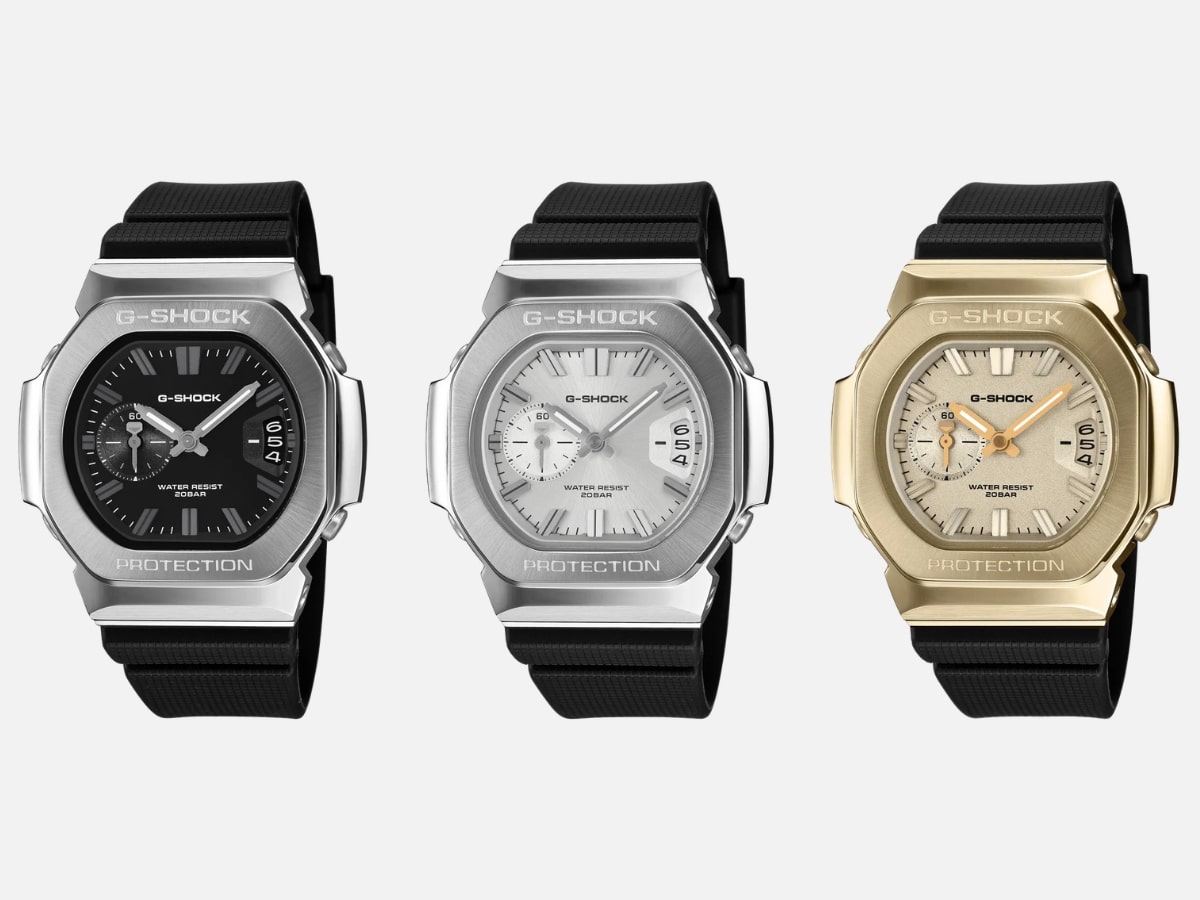
- References: GAC2500-1A (Black), GAC2500-3A (Olive Green), GAC2500-7A (White/Silver), GAC2500-9A (Yellow).
- MSRP: Approximately $349 AUD.
- Target Market: Outdoor enthusiasts and younger consumers looking for the "CasioNaut" aesthetic with maximum shock absorption.
The Mid Tier: Resin and Stainless Steel GMC2500
These models feature a resin inner case for shock resistance, capped with a stainless steel bezel to provide a more premium, metallic look.
- References: GMC2500-1A (Silver Bezel/Black Dial), GMC2500-1A8 (Gunmetal Bezel), GMC2500G-9A (Gold-Tone Bezel).
- MSRP: $549 – $599 AUD.
- Target Market: Users who desire a "desk diver" aesthetic that transitions easily from the weekend to the office.
The Premium Tier: Full Stainless Steel GMC2500D
The flagship of the series, the GMC2500D features a full stainless steel case and a matching integrated stainless steel bracelet.
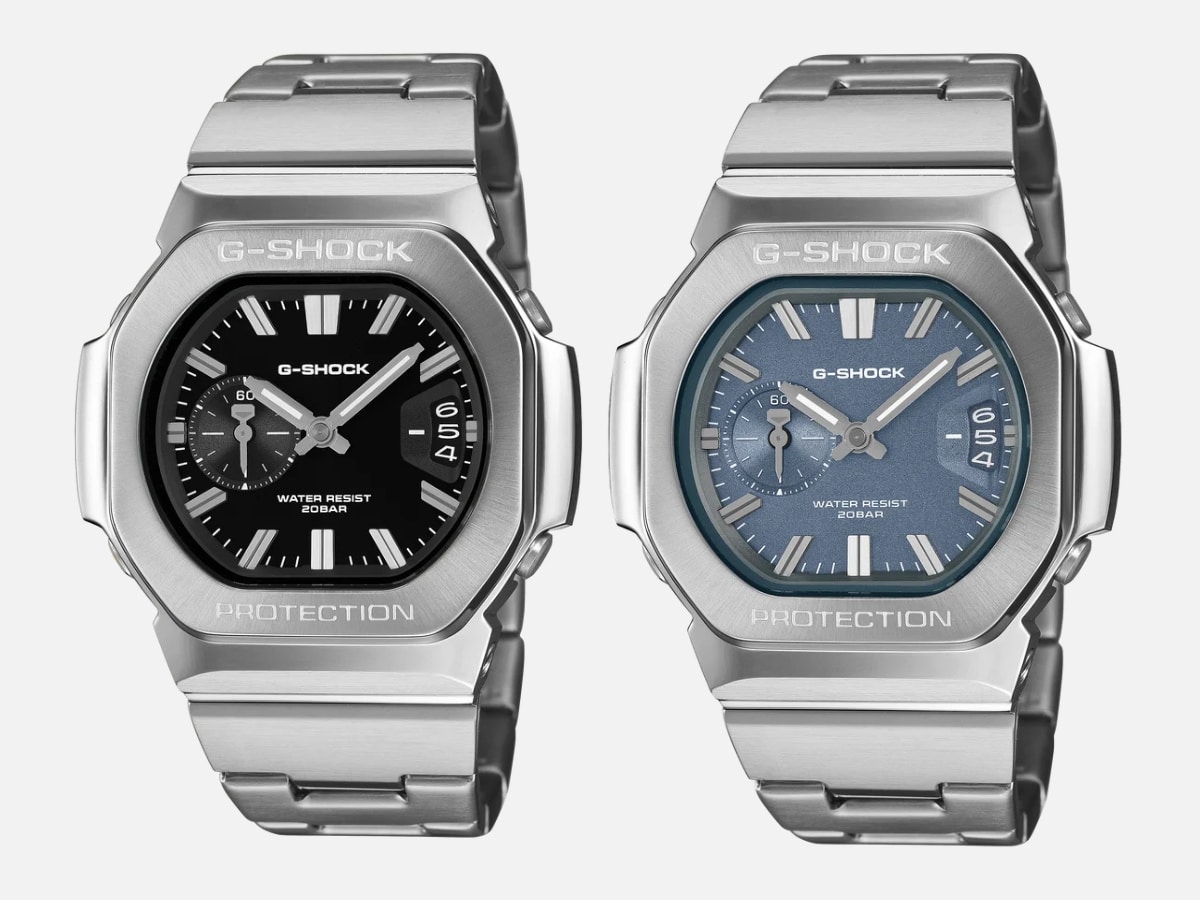
- References: GMC2500D-1A (Classic Silver), GMC2500D-1A2 (Blue Dial).
- MSRP: $749 AUD.
- Target Market: Traditional watch collectors and those seeking a rugged alternative to luxury sports watches.
Industry Reaction and Market Analysis
The horological industry has reacted with a mix of curiosity and praise. Early reviews from industry experts highlight that while the 2500 Series leans into a popular aesthetic, it does not compromise on the core brand values. "Casio is playing a very smart game," says a lead analyst at a major watch publication. "They are providing the ‘integrated bracelet’ look that the market craves, but they are powering it with a module that is uniquely Casio. It’s not just a fashion watch; it’s an engineered tool."
However, some critics have pointed out the limitations of the all-analogue approach. The 31-minute stopwatch is seen by some as a step backward compared to the 24-hour stopwatches found on digital G-Shocks. Additionally, while the watch offers 200-meter water resistance, Casio maintains its standard warning that pushers should not be operated underwater, a limitation that remains even as the brand moves toward more premium price brackets.
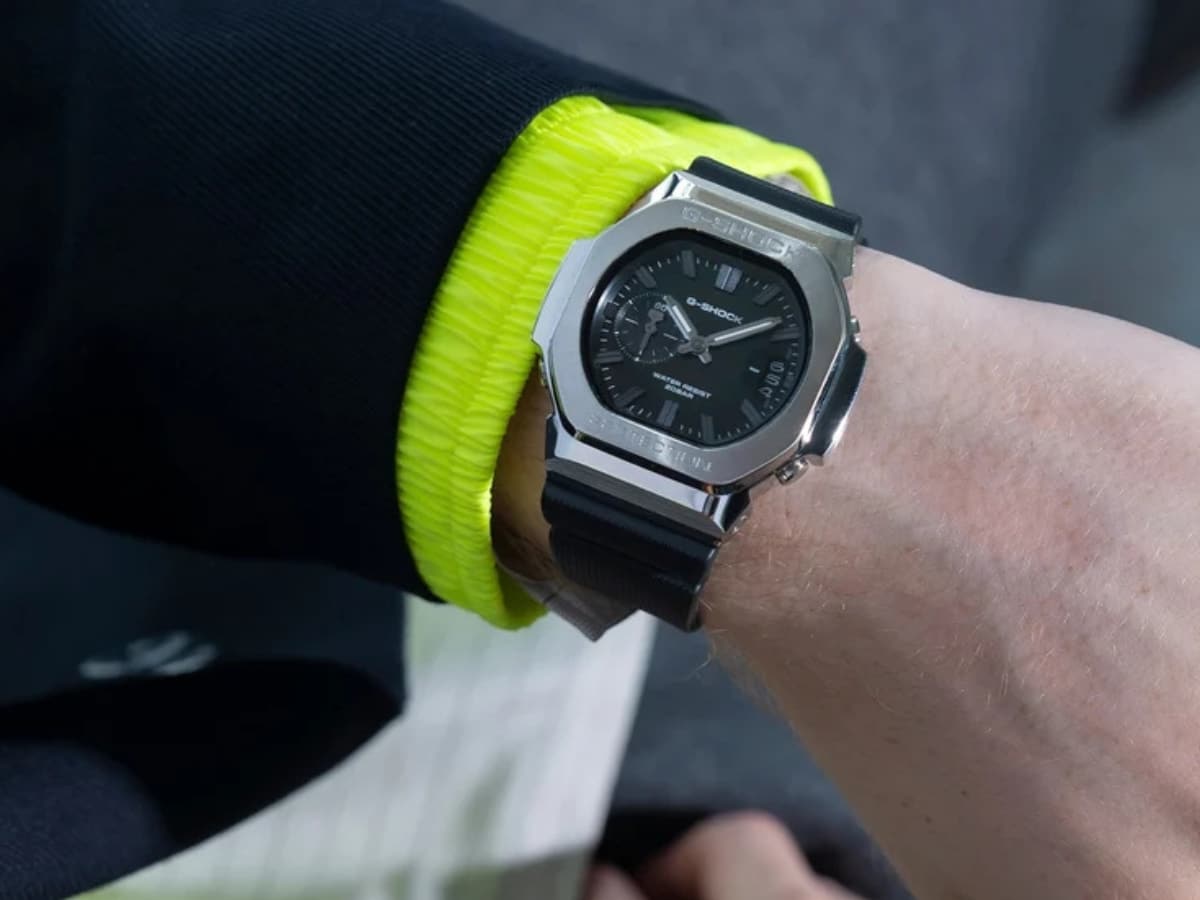
From a business perspective, the 2500 Series is expected to be a major driver of revenue for Casio’s timekeeping division in the fourth quarter of 2026. By offering nine different colorways at launch, Casio is ensuring that there is a "CasioNaut" for every style, from the bold yellow resin models to the understated blue-dial steel variants.
Broader Impact and Future Implications
The launch of the G-Shock 2500 Series is more than just a new product release; it is an indicator of where the brand is heading. As mechanical watch prices continue to climb, Casio is positioning itself as the high-tech, high-durability alternative that doesn’t sacrifice style.
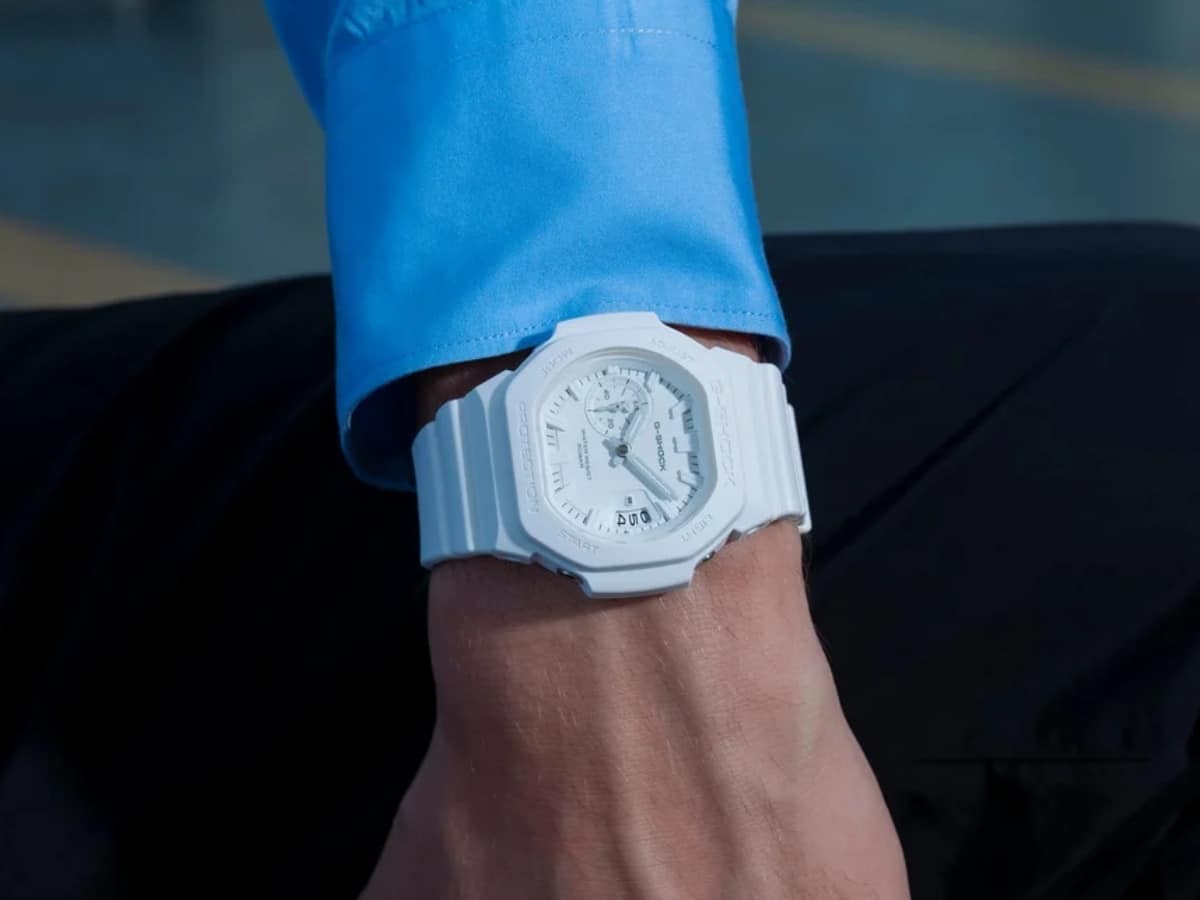
The success of the "CasioNaut" will likely lead to further explorations of all-analogue modules. There is already speculation within the industry that a "Tough Solar" or "Multi-Band 6" version of the 2500 Series could be in development for 2027, which would add solar charging and atomic time-syncing to the already impressive spec sheet.
For now, the G-Shock 2500 Series stands as a bold statement of intent. It proves that G-Shock can move beyond the "square" and "round" silhouettes that defined its first four decades, embracing a more architectural, luxury-inspired form factor without losing the "Triple 10" philosophy—10-bar water resistance, 10-year battery life (estimated), and 10-meter drop resistance—that made it a global icon. As the November 7 release date approaches, the "CasioNaut" is poised to become one of the most significant releases in the brand’s recent history, bridging the gap between the tool watch and the fashion statement.




 Nila Kartika Wati

 Eva Lovia

 Yuyun Lusiyani

 Ana Megawati

 Joko Widodo
