
 Ana Megawati

A harrowing case of alleged child abuse has sent shockwaves through the community, highlighting the critical importance of vigilant parental oversight and the role of technology in protecting the most vulnerable. Iara Dossantos Bomfim, a 29-year-old California nanny, stands accused of 10 counts of felony child abuse after chilling footage from a nanny camera allegedly captured her repeatedly striking and violently shaking a three-month-old infant over a period spanning nearly a month. The Orange County District Attorney’s Office has brought severe charges against Bomfim, who reportedly attempted to flee the country and seek new employment after being confronted, before being apprehended by law enforcement upon her return to California. This case serves as a stark reminder of the hidden dangers that can lurk within trusted caregiver relationships and underscores the ongoing battle against child maltreatment.
The Unveiling of a Nightmare: A Mother’s Discovery
The disturbing allegations came to light through the unwavering instincts of a mother and the silent vigilance of a modern-day safeguard: the nanny camera. According to reports from the Orange County District Attorney’s Office, the mother of the infant, residing in Irvine, California, became suspicious after hearing her three-month-old baby crying excessively. Upon checking on her child, she was allegedly assured by Bomfim that everything was "OK." However, a mother’s intuition often transcends superficial reassurances. The subsequent review of the home’s nanny cam footage revealed a horrifying narrative that contradicted Bomfim’s claims and exposed a pattern of severe abuse.
The initial discovery, dated July 11, allegedly showed Bomfim engaging in deeply disturbing behavior. Prosecutors detailed how the defendant was captured "sitting on a yoga ball and violently bouncing the baby as his head and neck bounced back and forth and side to side." This act alone presented a clear danger to an infant whose neck muscles are still developing and whose brain is highly susceptible to injury from violent movement, often leading to conditions like Shaken Baby Syndrome. However, the alleged abuse did not stop there. The footage reportedly showed Bomfim also punching the baby in the back of the head, a direct and intentional act of physical violence against an utterly defenseless child.
A Month of Alleged Torture: The Extent of the Abuse
As investigators delved deeper into the recorded footage, a more extensive and alarming pattern of abuse emerged. A comprehensive review of the nanny cam recordings revealed that Bomfim had allegedly been "violently punching, hitting, and shaking the baby" for nearly a month leading up to the discovery. This prolonged period of alleged abuse indicates a systematic pattern of cruelty rather than an isolated incident, escalating the severity of the charges and the potential ramifications for the defendant.
Beyond the direct assaults, other acts of alleged negligence and violence were uncovered. Bomfim is accused of allowing the infant to fall "headfirst" off the bed on one occasion, a terrifying incident that could have resulted in severe head trauma, brain injury, or even death for a small child. In another alleged instance, she was captured "forcefully" throwing the boy onto the bed. Such actions demonstrate a profound disregard for the infant’s safety and well-being, painting a picture of a caregiver who actively inflicted harm rather than providing care. The repetitive nature of the alleged abuse, targeting a highly vulnerable three-month-old, underscores the gravity of the criminal charges and the profound breach of trust placed in Bomfim by the family.
The Suspect’s Alleged Flight and Apprehension
Following the confrontation by the baby’s family regarding the discovered footage, Bomfim allegedly fled the country, seeking refuge in her native Brazil. This immediate departure, according to prosecutors, suggests an attempt to evade accountability for her actions. However, the reach of law enforcement and international cooperation can often thwart such attempts. While in Brazil, Bomfim reportedly attempted to create another online account to advertise her nanny services, seemingly undeterred by the severe allegations against her and potentially seeking to exploit other unsuspecting families. This alleged act further highlights a disturbing pattern of behavior and a perceived lack of remorse.
The Irvine Police Department, working diligently on the case, tracked Bomfim’s movements. Their efforts culminated in her arrest when she returned to California on October 23. Her apprehension brought an end to her alleged attempt to escape justice and ensured she would face the legal consequences of her actions within the U.S. judicial system. Bomfim has since pleaded not guilty to the charges, maintaining her innocence despite the damning video evidence cited by prosecutors. She is currently being held at the Orange County Jail on a substantial bond of $500,000, reflecting the severe nature of the charges and the flight risk she presented. If convicted on all 10 felony counts of child abuse, she faces a maximum sentence of 18 years in state prison, a penalty that underscores the legal system’s commitment to protecting children from harm.
Legal Framework and the Gravity of Felony Child Abuse
In California, child abuse is defined broadly under Penal Code Section 273a, encompassing willful harm, injury, or permitting a child to suffer physically or mentally. The charges against Iara Dossantos Bomfim, specifically 10 counts of felony child abuse, signify the severe nature and sustained pattern of the alleged actions. A felony conviction carries significant legal consequences, including lengthy prison sentences, substantial fines, and a permanent criminal record that can profoundly impact an individual’s life. The district attorney’s decision to pursue multiple felony counts reflects the repeated and egregious nature of the alleged abuse, each instance representing a separate violation of the law and a separate act of harm against the infant.
The potential sentence of 18 years in prison highlights the state’s stringent stance on crimes against children. Such cases are often prioritized by prosecutors due to the extreme vulnerability of the victims and the devastating long-term physical and psychological impacts of child abuse. The legal process will involve presenting the video evidence, expert testimony regarding the injuries or potential for injury to the infant, and careful examination of all facts surrounding Bomfim’s alleged actions and subsequent flight.
Orange County District Attorney’s Stern Warning
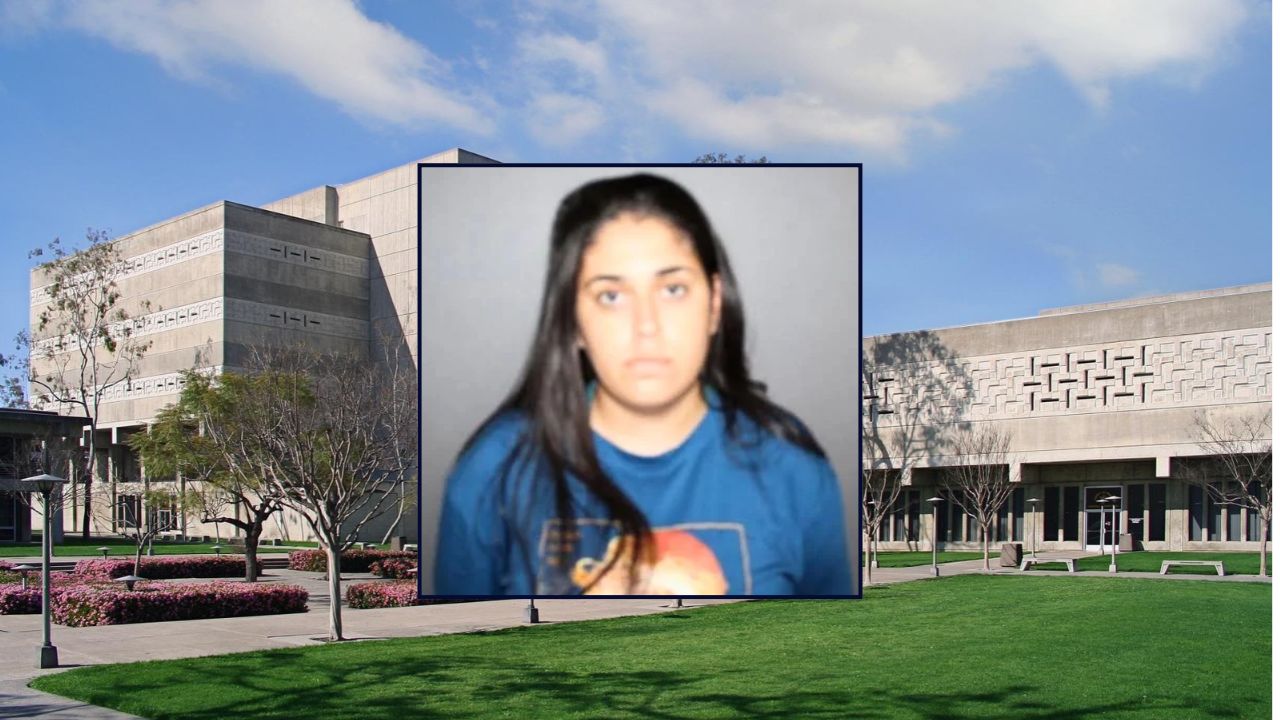
Orange County District Attorney Todd Spitzer issued a powerful statement following the charges, articulating the profound betrayal and danger inherent in such cases. "This family’s nightmare began the moment a monster disguised as a loving nanny walked through their front door with open arms to care for their brand-new baby," Spitzer stated, encapsulating the horror felt by the victim’s family and the community at large. His words underscore the insidious nature of child abuse, often perpetrated by individuals in positions of trust.
Spitzer continued, "This should serve as a powerful reminder to parents everywhere that evil can hide behind the friendliest of smiles and the heartiest of laughs." This poignant warning aims to shatter any complacency parents might feel about the people they entrust with their children’s care. He emphasized the critical need for vigilance: "Whether it is a nanny, a coach, a music teacher, a tutor, anyone who is around your child should be fully vetted and anything suspicious must be reported to law enforcement. Abuse lurks in the shadows, and it is up to all of us to shine a light on it and shield the voiceless and the defenseless from harm." Spitzer’s statement is not merely a legal pronouncement but a public service message, urging every member of the community to be proactive in safeguarding children and to recognize their collective responsibility in identifying and reporting potential abuse.
Technology as a Watchdog: The Critical Role of Nanny Cams
The Iara Dossantos Bomfim case unequivocally demonstrates the indispensable role of technology, specifically nanny cameras, in modern child protection. Once considered an optional security measure, hidden or visible cameras within a home have become a vital tool for parents seeking peace of mind when entrusting their children to outside caregivers. In this instance, the nanny cam was not just a deterrent; it was the sole, irrefutable witness to a month-long pattern of alleged abuse. Without the video footage, the mother’s suspicions might have remained unconfirmed, and the infant could have continued to suffer silently.
Nanny cams provide objective evidence that can cut through denials and conflicting accounts, offering irrefutable proof to law enforcement and the courts. Their rise in popularity reflects a growing awareness among parents of the potential risks associated with childcare, even from seemingly trustworthy individuals. These devices empower parents to monitor interactions, ensure safety, and intervene when necessary. While they raise questions about privacy in some contexts, their utility in preventing and proving child abuse often outweighs these concerns, particularly when the welfare of a defenseless child is at stake. This case solidifies their status as a crucial element in a comprehensive child safety strategy, acting as silent guardians for those who cannot speak for themselves.
A Deeper Look at Child Abuse: Statistics and Prevention Efforts
The tragic allegations against Bomfim underscore a pervasive societal problem: child abuse. According to the U.S. Department of Health and Human Services, hundreds of thousands of children are victims of abuse and neglect each year. In 2021, approximately 600,000 children were victims of maltreatment in the United States, with an estimated 1,820 child fatalities due to abuse and neglect. While a significant portion of abuse is perpetrated by parents, a notable percentage is committed by other caregivers, including nannies, babysitters, and relatives, making the vetting process for any individual caring for a child paramount.
The consequences of child abuse extend far beyond immediate physical injuries. Victims often suffer long-term psychological trauma, including anxiety, depression, post-traumatic stress disorder (PTSD), and difficulties forming healthy relationships. These experiences can also lead to developmental delays, behavioral problems, and increased risk of substance abuse and criminal activity later in life. Society bears a significant cost as well, through healthcare expenses, social services, and reduced productivity.
Prevention efforts are multi-faceted, emphasizing education, awareness, and community involvement. Key strategies include:
- Parental Education: Teaching parents about child development, positive parenting techniques, and recognizing signs of abuse.
- Support Systems: Providing resources for struggling families, such as parenting classes, counseling, and crisis intervention.
- Public Awareness Campaigns: Educating the general public on how to recognize and report child abuse.
- Mandatory Reporting: Training professionals (teachers, doctors, social workers) to identify and report suspected abuse.
- Caregiver Vetting: Encouraging rigorous background checks and reference verification for all childcare providers.
Ensuring Child Safety: The Vetting Process
The incident involving Iara Dossantos Bomfim serves as a critical reminder for all parents about the absolute necessity of a comprehensive vetting process when hiring anyone to care for their children. Simply relying on online profiles or brief interviews is insufficient when entrusting the well-being of a child to another individual. A thorough vetting process should include several layers of due diligence:
- Rigorous Background Checks: This is non-negotiable. Parents should insist on criminal background checks (local, state, and federal), including sex offender registry checks. Reputable nanny agencies typically conduct these as part of their service, but if hiring independently, parents must arrange these themselves through certified third-party services.
- Verifiable References: Always contact previous employers and personal references. Ask specific questions about the caregiver’s reliability, professionalism, interaction with children, problem-solving skills, and any concerns about their behavior or judgment. Be wary of individuals who cannot provide verifiable references or who offer only character references from friends or family.
- In-depth Interviews: Conduct multiple interviews, including one in your home, to observe how the potential caregiver interacts with your child. Prepare a list of scenario-based questions to assess their judgment in various situations (e.g., "What would you do if the baby wouldn’t stop crying?").
- Trial Period: Consider a paid trial period where the caregiver works alongside a parent or for shorter, supervised durations. This allows both parties to assess compatibility and gives parents a chance to observe the caregiver’s methods firsthand.
- Clear Expectations and Communication: Establish a clear contract outlining responsibilities, hours, pay, and expectations regarding discipline, emergencies, and communication. Maintain open lines of communication and conduct regular check-ins.
- Unannounced Visits and Monitoring: Utilize nanny cameras as demonstrated in this case, and make unannounced visits home whenever possible. These measures can provide an additional layer of security and accountability.
- Trust Your Instincts: If something feels off, even subtly, trust your parental instincts. A gut feeling can be a powerful indicator of potential issues.
Community Impact and the Call for Vigilance
The allegations against Iara Dossantos Bomfim have undoubtedly resonated deeply within the Irvine community and beyond, triggering a collective sense of outrage, fear, and a renewed call for vigilance. Such incidents erode the fundamental trust that underpins caregiver relationships, leaving parents anxious about the safety of their children even in their own homes. The long-term implications for the infant victim and their family are profound, encompassing potential physical injuries, emotional trauma, and a lengthy recovery process that will require extensive support.
This case serves as a poignant reminder that child protection is a shared community responsibility. District Attorney Todd Spitzer’s impassioned plea for public awareness and reporting of suspicious behavior highlights the collective role everyone plays in safeguarding children. From neighbors noticing unusual activity to family members observing changes in a child’s demeanor, every individual has the potential to be a protective factor. As the legal proceedings against Iara Dossantos Bomfim continue, the focus remains firmly on securing justice for the infant victim and reinforcing the message that the abuse of children will not be tolerated, and those who perpetrate such acts will be held accountable to the fullest extent of the law. The tragic events underscore the enduring need for parents to be meticulously cautious, to leverage all available tools for monitoring, and for communities to remain ever-vigilant in the sacred duty of protecting the most innocent among us.




 Nila Kartika Wati

 Eva Lovia

 Lina Irawan

 Yuyun Lusiyani

 Joko Widodo
