
 Lina Irawan
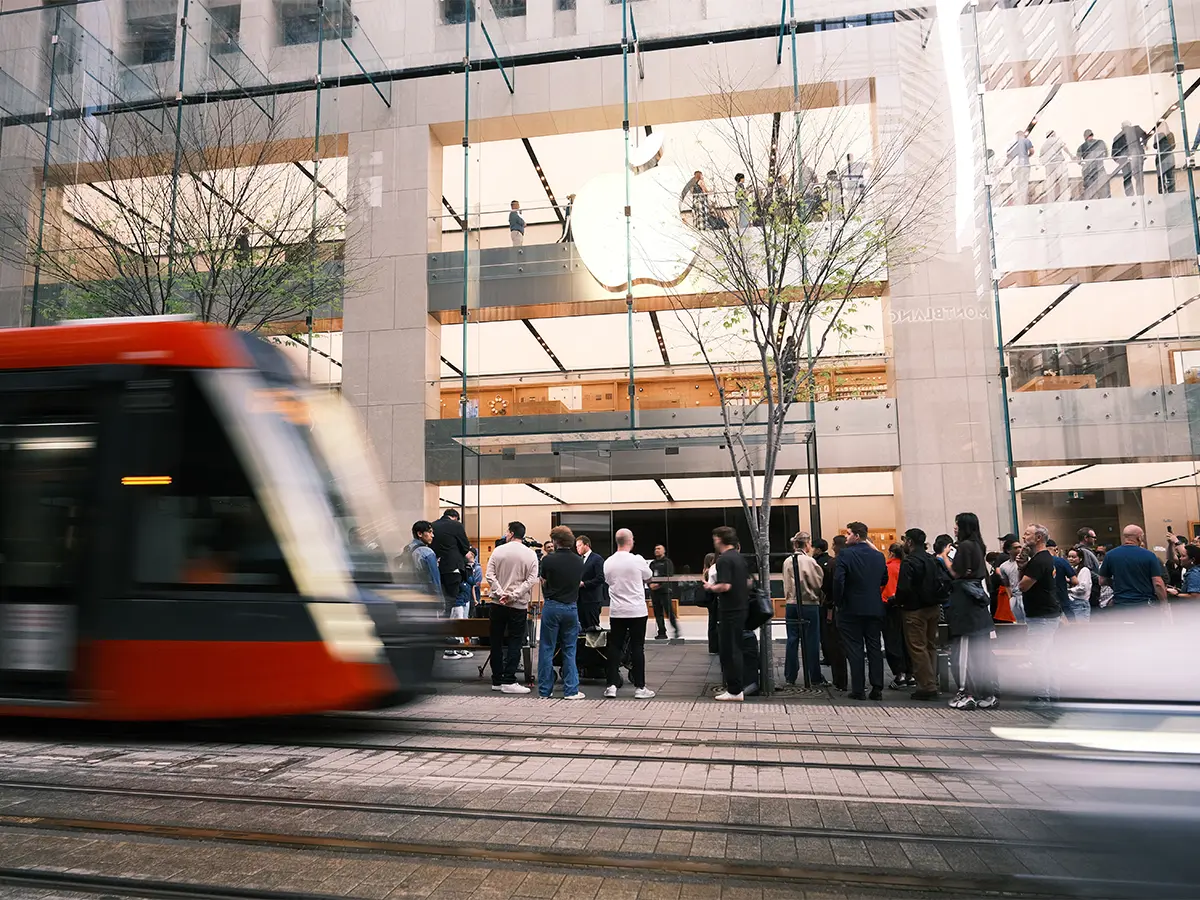
The global retail rollout of the iPhone Duo commenced at 8:00 a.m. local time on Friday, October 23, 2026, at Apple’s flagship George Street store in Sydney, Australia. As the first major market to open its doors for the day, Sydney served as the primary testing ground for consumer appetite regarding Apple’s most significant hardware pivot in a decade. The release of the iPhone Duo represents the company’s formal entry into the foldable smartphone market, a sector previously dominated by competitors such as Samsung and Google. Despite the high entry price of AUD$3,499, the atmosphere at the launch was characterized by a mix of disciplined enthusiasm and the emergence of modern convenience services, as early adopters sought to secure the device without the traditional hardships of overnight camping.
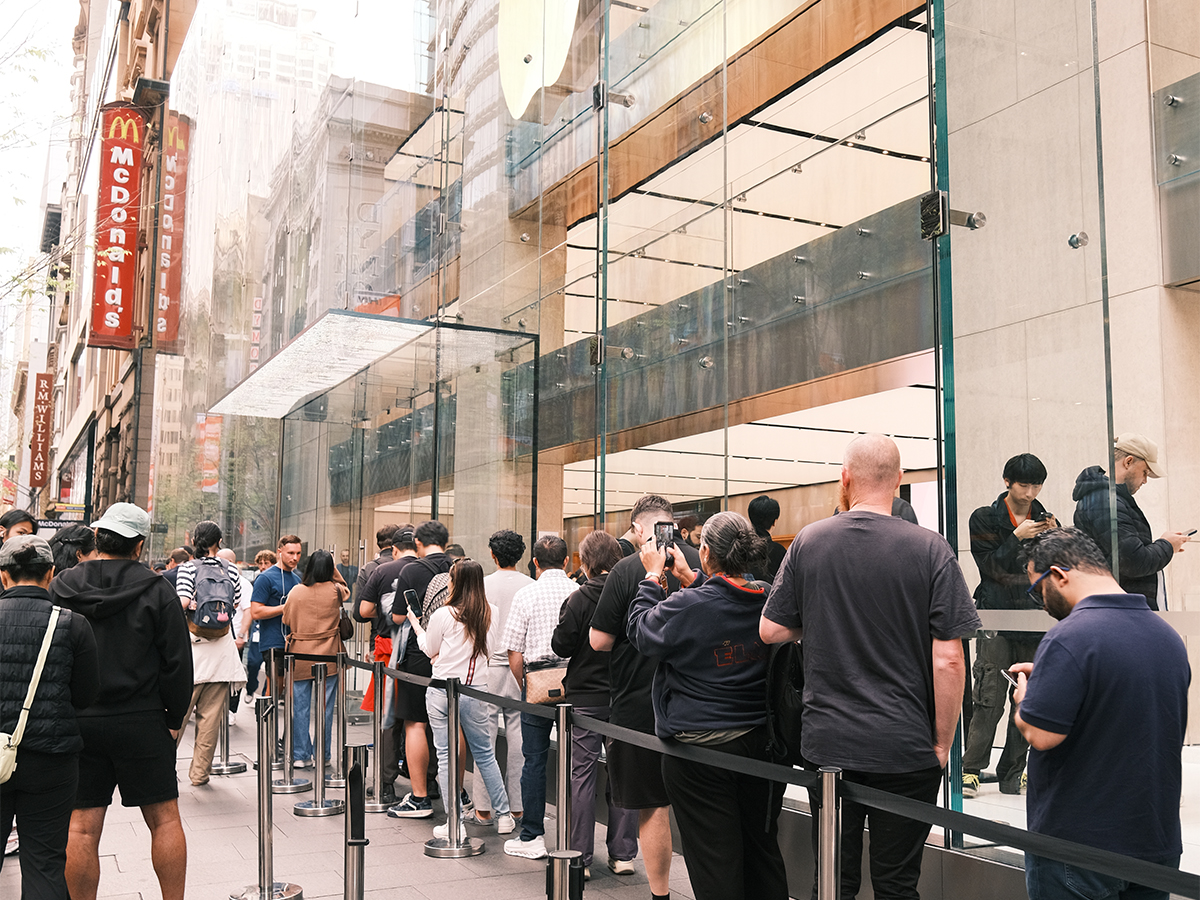
While historical Apple launches were often defined by chaotic queues stretching multiple city blocks, the iPhone Duo launch saw a more managed turnout. Observers noted that while the line was substantial, it remained orderly, reflecting a shift in consumer behavior toward pre-ordering and scheduled pickups. However, for those determined to be among the first in the physical queue, the morning was not without its unique storylines. One notable incident involved Jeremy Cabral, a representative from the comparison site Finder.com.au, who utilized the gig-economy platform Airtasker to outsource the labor of waiting. Cabral reportedly paid a tasker $250 to hold his position in line, allowing him to arrive shortly before the doors opened. This trend of "queue-standing for hire" highlights the premium placed on time by high-end tech consumers, especially when seeking a device that retails for the price of a mid-range used vehicle.
The Evolution of the Launch Day Queue
The phenomenon of paying for line placement is an established, albeit evolving, aspect of major product launches in Sydney. Tim Fung, the CEO and Founder of Airtasker, confirmed that the iPhone Duo launch saw multiple listings on the platform, with some users offering as much as $350 for others to stand in line or collect the device on their behalf. According to Fung, this behavior is a logical extension of the platform’s utility. He noted that one of Airtasker’s earliest recorded tasks involved an Apple product launch in 2012, where a tasker spent five days outside a store to secure a new iPad for a client.
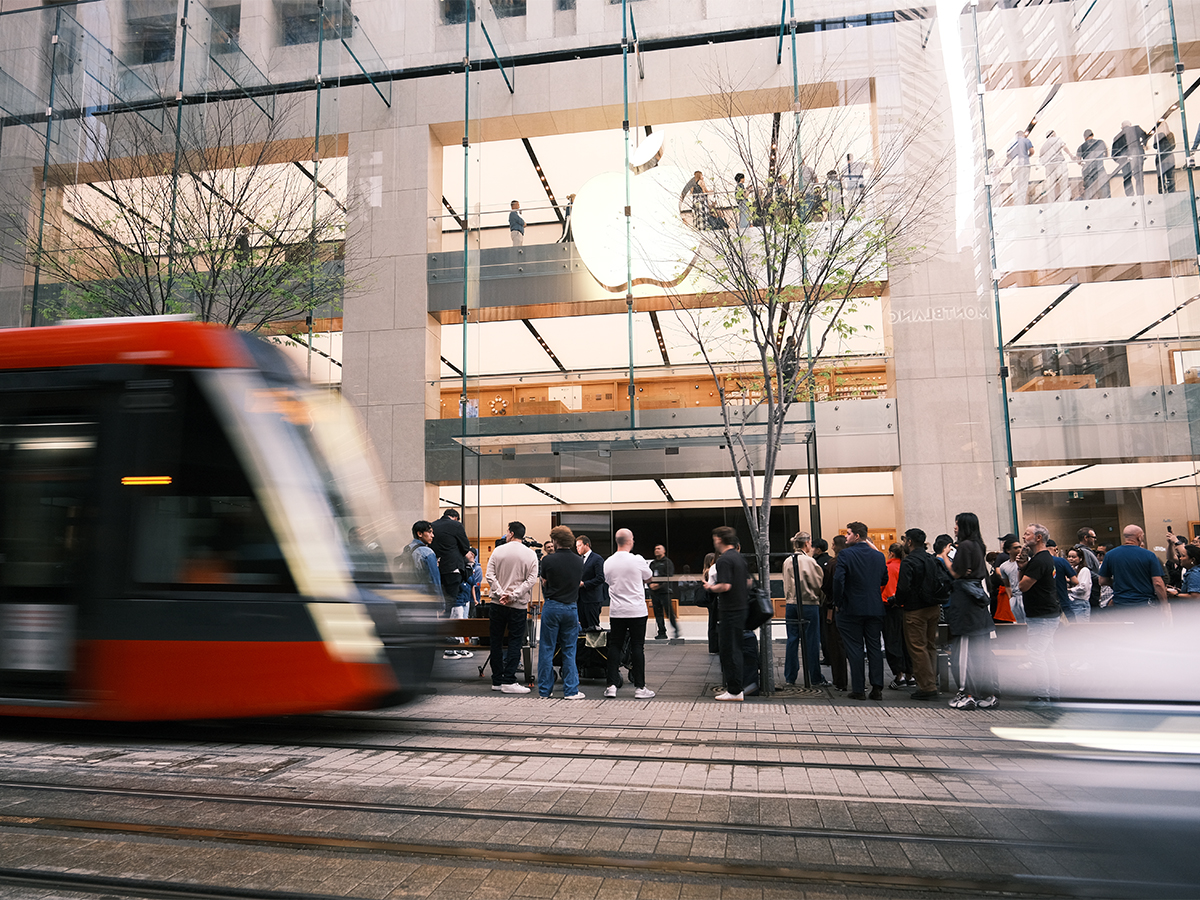
The shift from multi-day camping to paid placeholders and orderly 8:00 a.m. arrivals suggests a maturation of both the Apple fanbase and the retail logistics surrounding high-demand electronics. For the iPhone Duo, the stakes were particularly high, as the device is positioned not just as a phone, but as a replacement for both the smartphone and the small-form-factor tablet. The orderly queue in Sydney may also reflect Apple’s improved inventory management, though the "Night Sky" and "Star White" finishes were reportedly in high demand, leading some to fear stockouts for walk-in customers.
Technical Specifications and Hardware Innovation
The iPhone Duo’s primary draw is its dual-screen architecture, which utilizes a 100-component precision hinge to transition between a standard smartphone experience and a tablet-like interface. When closed, the device features a 5.4-inch outer display, which is protected by the second generation of Apple’s Ceramic Shield technology. This outer screen is designed for one-handed use, mirroring the dimensions of previous "mini" iPhone models to maintain portability.
Upon unfolding the device, users are presented with a 7.6-inch Super Retina XDR inner display. This screen is approximately 50 percent larger than that of the iPhone 18 Pro Max, providing a canvas that rivals the iPad Mini. To address long-standing consumer concerns regarding foldable screens, Apple has implemented a nano-texture finish on the inner display. This engineering choice serves two purposes: it significantly reduces glare in high-light environments and minimizes the visual and tactile presence of the central crease—a common point of criticism for first-generation foldable devices from other manufacturers.
Powering the device is the A20 Pro chipset, a processor built on a next-generation architecture designed specifically to handle the thermal and power demands of a dual-screen form factor. The A20 Pro manages the complex task of "continuity," ensuring that an application open on the 5.4-inch outer screen transitions seamlessly to the 7.6-inch inner screen the moment the device is unfolded.

iOS 27 and the New Multitasking Paradigm
The hardware innovation of the iPhone Duo is supported by the release of iOS 27, an operating system overhaul that introduces features previously reserved for the iPad. The most significant addition is the native Split View multitasking for iPhone. This allows users to run two active applications side-by-side on the inner display, such as a video conferencing app alongside a note-taking tool or a web browser next to a messaging app.
Furthermore, the hinge mechanism allows for "Tent Mode" and a refined "StandBy" mode. By partially folding the device, users can prop it up on a flat surface, transforming it into a self-standing display for media consumption or a bedside clock. This functional flexibility is intended to justify the AUD$3,499 price point, positioning the Duo as a "three-in-one" device: a phone, a tablet, and a desktop accessory.
Market Context and Economic Implications
The launch of the iPhone Duo comes at a time when the global smartphone market has reached a plateau in terms of traditional "slab" phone innovation. By entering the foldable market, Apple is attempting to reinvigorate its "Pro" lineup and capture a segment of the market that has been migrating toward high-end foldables from Samsung’s Z Fold series and Google’s Pixel Fold.
Industry analysts suggest that Apple’s late entry into the foldable space is a calculated move, allowing the company to avoid the mechanical failures and screen durability issues that plagued early competitors. The use of a 100-component hinge and Ceramic Shield 2 indicates a focus on longevity, a critical factor for a device costing nearly $3,500. In the Australian market, the pricing reflects not only the high cost of components but also current exchange rate pressures and inflation. Despite these economic headwinds, the turnout in Sydney suggests that a dedicated segment of the "Pro" user base is willing to pay a significant premium for a change in form factor.
The iPhone Duo is also being viewed as a companion or an alternative to the Apple Vision Pro. While the Vision Pro offers a spatial computing experience, the Duo provides a pocketable version of that productivity, utilizing the same ecosystem of apps and services. For many early adopters in Sydney, the Duo represents a more practical investment in the future of Apple’s hardware ecosystem than the more cumbersome VR/AR headsets.
Chronology of the iPhone Duo Development
The path to the October 23, 2026, launch has been a multi-year journey characterized by intense speculation and patent filings.
- 2018–2021: Initial patents for flexible display hinges and "self-healing" screen covers were filed by Apple, sparking the first rumors of a "Foldable iPhone."
- 2023: Supply chain reports indicated that Apple had begun sourcing specialized OLED panels from LG and Samsung Display, specifically designed for high-cycle folding.
- 2025: The announcement of the A20 Pro chip hinted at a device with "dual-logic" processing capabilities, fueling rumors of a tablet-hybrid launch.
- September 2026: Apple officially unveiled the iPhone Duo at its "Unfold the Future" event at Apple Park, confirming the $3,499 price point and the October release date.
- October 23, 2026: The global retail launch begins in Sydney, Australia.
Broader Impact on the Tech Landscape
The success or failure of the iPhone Duo will likely determine the design language of the iPhone for the next decade. If adoption rates remain steady despite the price, it is expected that Apple will eventually expand the "Duo" branding to more affordable models, much as it did with the transition from the iPhone X to the standard iPhone 11 and 12.
For the broader industry, Apple’s entry validates the foldable category as a permanent fixture of the premium mobile market rather than a niche experiment. As the doors of the George Street store opened and the first customers walked out with their "Night Sky" and "Star White" units, the transition from the era of the static screen to the era of the flexible display appeared to be officially underway. The day’s events in Sydney, marked by orderly lines and high-priced convenience services, serve as a microcosm of the current state of high-end consumer technology: a world where innovation is highly valued, expensive, and increasingly integrated into the specialized services of the gig economy.




 Nila Kartika Wati

 Eva Lovia

 Yuyun Lusiyani

 Ana Megawati

 Joko Widodo
