
 Pevita Pearce
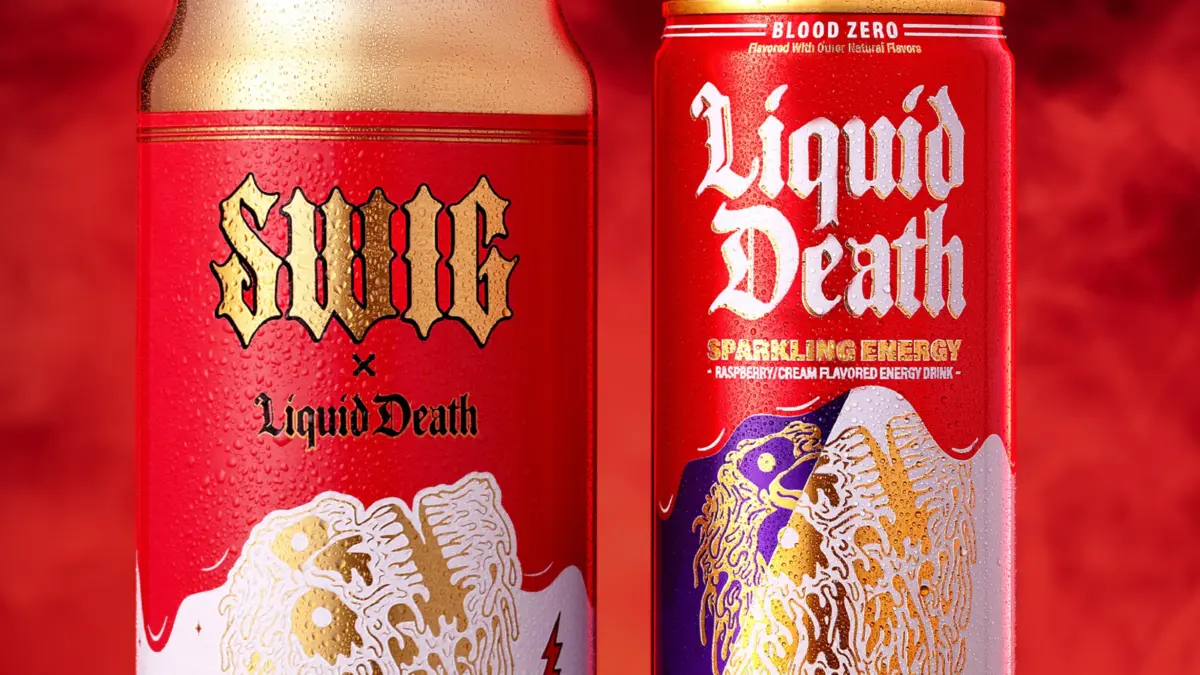
Liquid Death, the beverage powerhouse known for its disruptive marketing and rapid expansion, has officially announced a strategic partnership with Swig, the pioneer of the "dirty soda" movement, to debut a seasonal limited-time offering titled "Blood Thirsty." This collaboration represents a convergence of two high-growth beverage categories: the burgeoning energy drink sector and the specialized soda-fountain market. Scheduled for a targeted release during the final week of October, the "Blood Thirsty" beverage is designed to leverage the seasonal demand for Halloween-themed consumer products while highlighting Liquid Death’s recent foray into the functional energy market.
The "Blood Thirsty" drink is a complex formulation that adheres to the "dirty soda" archetype—a beverage trend characterized by the addition of cream, fruit purees, and flavored syrups to a base liquid. The base of this particular creation is Liquid Death’s newly launched Blood Zero Energy drink. This foundation is then enhanced with a blend of raspberry puree, vanilla syrup, fresh lime juice, and a topping of vanilla cream. The product is served in a proprietary 20-ounce collectible cup featuring thermochromic technology, which triggers a color change when the vessel is filled with a chilled liquid. This aesthetic feature aligns with both brands’ focus on experiential consumption and visual branding.
The Evolution of Liquid Death and Strategic Diversification
Liquid Death’s partnership with Swig is the latest in a series of unconventional brand alliances that have defined the company’s market strategy since its inception in 2019. Founded by Mike Cessario, a former advertising executive, Liquid Death was initially positioned as a canned water brand that utilized the aesthetic of heavy metal and punk rock culture to challenge the "soft" branding of traditional bottled water. This approach proved highly effective; as of early 2024, the company reached a valuation of approximately $1.4 billion following a $67 million strategic funding round.
The company’s growth has been fueled by its ability to maintain a high level of brand engagement through "bizarre" and viral collaborations. Prior to the Swig partnership, Liquid Death gained significant media attention for its work with high-profile influencers and established snack brands. Notably, the company collaborated with YouTube personality MrBeast to transform his Feastables peanut butter cups into a flavored sparkling water. Additionally, the brand partnered with Kellogg’s to release a Pop-Tarts-flavored iced tea, demonstrating a willingness to experiment with flavor profiles that defy traditional beverage categories.
The transition into the energy drink market, which the company solidified heading into the 2025 fiscal cycle, marks a significant pivot in its business model. By introducing the "Blood Zero Energy" line, Liquid Death is moving beyond hydration into the functional beverage space, directly competing with established giants like Monster Energy and Red Bull. The "Blood Thirsty" collaboration serves as a high-visibility launch vehicle for this new product line, utilizing Swig’s retail footprint to introduce the energy drink to a diverse demographic.
Swig and the Rise of the Dirty Soda Phenomenon
Swig, headquartered in St. George, Utah, is widely credited with the invention and popularization of the "dirty soda." Founded in 2010 by Nicole Tanner, the brand capitalized on a unique regional demand in the "Mormon Corridor," where many residents abstain from alcohol and hot caffeine (like coffee) but consume cold, caffeinated soft drinks. By adding "dirty" elements—creams and syrups—to standard sodas, Swig created a new category of "mocktail" beverages that offered a sophisticated flavor profile without alcohol.
The brand’s expansion has been explosive, particularly after the Savory Fund acquired a majority stake in 2022. Swig has since expanded to over 80 locations across several states, including Texas, Arizona, and Oklahoma. The "dirty soda" trend gained national momentum in recent years due to viral content on platforms like TikTok, where users shared custom "Swig hacks." This social media visibility has turned a regional specialty into a national beverage trend, attracting interest from major beverage corporations and prompting collaborations like the one with Liquid Death.
For Swig, the "Blood Thirsty" campaign provides an opportunity to tap into Liquid Death’s edgy, youth-oriented fan base. While Swig’s traditional image is family-friendly and bright, the "Blood Thirsty" campaign allows the chain to adopt a darker, more theatrical aesthetic suitable for the Halloween season.
Product Composition and Consumer Experience
The technical composition of the "Blood Thirsty" drink is designed to balance the sharp, acidic notes of Liquid Death’s Blood Zero Energy with the rich, heavy textures of the "dirty soda" format. Industry analysts note that the use of an energy drink as a base—rather than a traditional cola or lemon-lime soda—appeals to a consumer segment looking for both flavor and functional benefits.
The Blood Zero Energy drink itself is marketed as a "cleaner" energy alternative, typically containing natural caffeine sources, B vitamins, and electrolytes, with zero sugar. When combined with raspberry puree and lime, the beverage achieves a tart, fruit-forward profile. The addition of vanilla cream provides the "mouthfeel" that has become a hallmark of the Swig experience, creating a layered beverage that shifts in flavor as the ingredients settle and mix.
The inclusion of the 20-ounce color-changing cup is a calculated move to drive repeat visits and social media engagement. In the current "drop culture" economy, physical merchandise acts as a tangible connection between the brand and the consumer. The limited availability of these cups creates a sense of "fear of missing out" (FOMO), a psychological driver that is particularly effective among Gen Z and Millennial consumers.
Chronology of the Halloween Campaign
The "Blood Thirsty" campaign is structured as a high-intensity, short-duration marketing event. The timeline for the release and promotion is as follows:
- Announcement Phase (Mid-October): The collaboration was teased through social media channels, utilizing Liquid Death’s signature dark humor and Swig’s bright, lifestyle-focused imagery.
- Launch Date (October 26): The beverage becomes officially available at all participating Swig locations nationwide.
- Promotional Window (October 26 – October 30): During this period, the brands are engaging in a digital sweepstakes. Fans who share the announcement on their Instagram Stories are entered for a chance to win one of ten exclusive collaboration kits.
- The Home Kit Offering: These kits are designed for consumers who do not live within the geographic vicinity of a Swig location. Each kit contains the components necessary to replicate the drink at home: a can of Liquid Death Blood Zero Energy, vanilla raspberry flavoring, a vanilla cream pod, a True Lime packet, and the color-changing cup.
- Conclusion (October 31): The campaign officially ends on Halloween night. The "Blood Thirsty" drink will be removed from the menu, and the collectible cups will no longer be distributed, adhering to the "while supplies last" constraint.
Market Data and Industry Analysis
The partnership between Liquid Death and Swig reflects broader trends within the $400 billion global soft drink market. According to market research, the "functional soda" and "specialty beverage" segments are among the fastest-growing niches. Consumers are increasingly moving away from mass-produced, static beverage options in favor of customizable, "Instagrammable" drinks.
Data from the energy drink sector indicates a Compound Annual Growth Rate (CAGR) of approximately 8.1% from 2023 to 2030. Liquid Death’s entry into this space is timely, as it leverages its established brand equity to capture a portion of the market currently dominated by legacy players. By partnering with Swig, Liquid Death bypasses traditional retail shelf competition for a moment, creating a unique "point-of-consumption" experience that serves as a live product trial for thousands of customers.
Furthermore, seasonal marketing—specifically Halloween-themed "LTOs" (Limited Time Offers)—has proven to be a reliable revenue driver for quick-service restaurants (QSR) and beverage chains. Seasonal spending in the United States for Halloween was estimated to reach a record $12.2 billion in 2023, with a significant portion of that spending directed toward themed food and beverage items.
Official Responses and Strategic Implications
While formal executive statements were limited to promotional copy, industry observers suggest that this partnership is a "win-win" for brand positioning. A marketing analyst from a leading food and beverage firm noted, "Liquid Death is a master of the ‘lifestyle brand’ pivot. They aren’t just selling water or energy drinks; they are selling a counter-culture identity. Swig, on the other hand, is the king of the ‘customization’ trend. By merging these two, they are hitting the sweet spot of modern consumerism: something that is exclusive, customizable, and visually striking."
The strategic implication for Liquid Death is the reinforcement of its "unextreme" energy drink line. By placing "Blood Zero" in a dessert-like "dirty soda" format, the company is demonstrating the versatility of its product. It signals to the market that Liquid Death is not just for the gym or the skate park, but can also be a component of a gourmet beverage experience.
For Swig, the collaboration serves as a defensive and offensive maneuver in the increasingly crowded "soda shop" market. As competitors like Sodalicious and Fiiz expand, Swig must continue to innovate to maintain its status as the industry leader. Partnering with a "unicorn" brand like Liquid Death provides a level of cultural relevance that is difficult for smaller regional competitors to replicate.
Conclusion and Broader Impact
The Liquid Death and Swig "Blood Thirsty" collaboration is more than a seasonal gimmick; it is a sophisticated exercise in cross-brand synergy and niche market expansion. As the beverage industry continues to fragment into specialized categories, such partnerships are likely to become more common.
The success of the "Blood Thirsty" campaign will likely be measured not just in unit sales, but in social media impressions and the successful "onboarding" of new customers into the Liquid Death energy drink ecosystem. As the October 31 deadline approaches, the scarcity of the product and its associated merchandise will serve as a final push for consumer engagement, solidifying the "dirty soda" trend as a permanent fixture in the national beverage landscape.


 Nila Kartika Wati

 Eva Lovia

 Lina Irawan

 Yuyun Lusiyani

 Ana Megawati

 Joko Widodo
