
 Lina Irawan
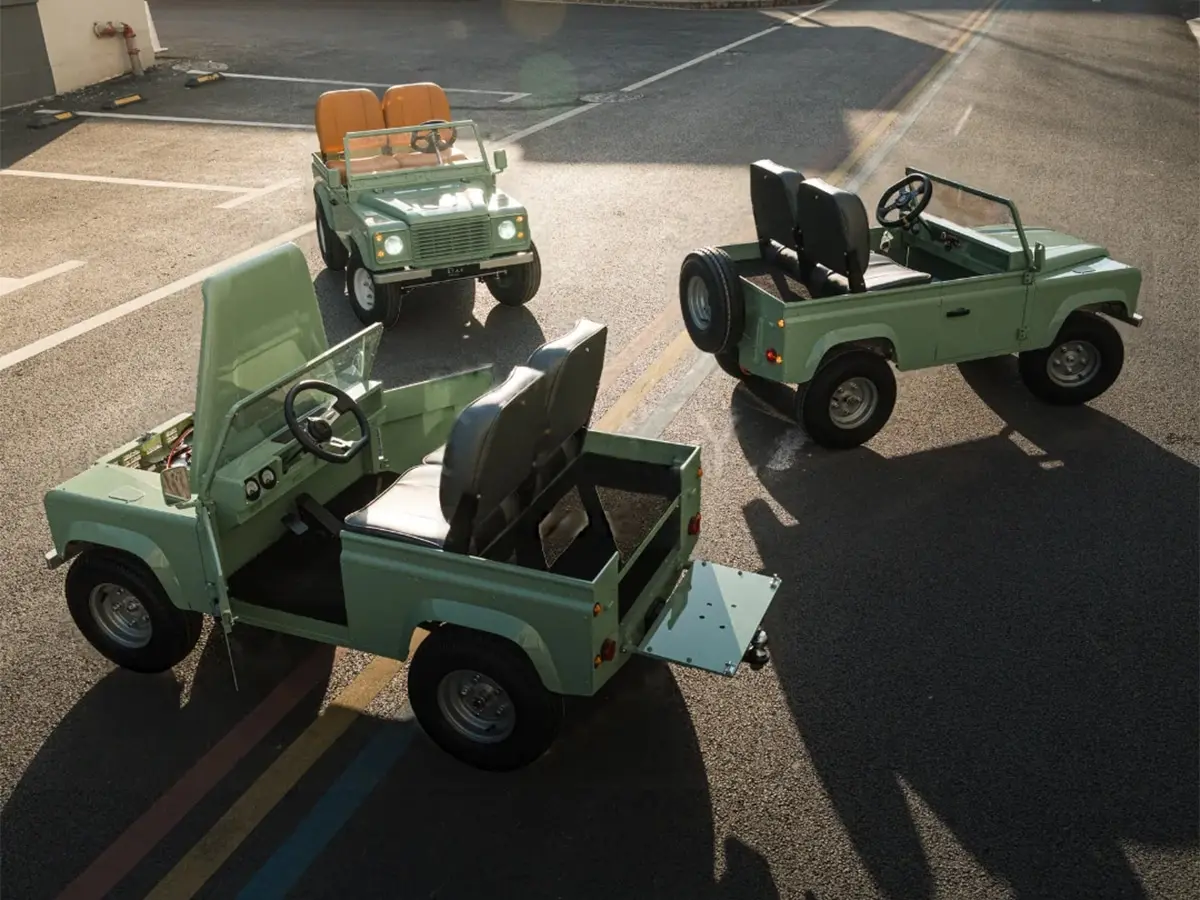
The Australian luxury automotive market is witnessing a significant shift in recreational vehicle acquisition as high-performance, half-scale electric replicas move from niche social media curiosities to a formalized segment of the performance car industry. Led by the brand END OF S.T.A.Y. and supported by established logistical and technical partners, these vehicles represent a sophisticated intersection of traditional automotive craftsmanship and modern electric propulsion. Unlike standard recreational go-karts, these 1:2 scale machines are engineered to accommodate adult drivers, offering performance metrics that rival entry-level motorcycles and traditional track cars. These vehicles are not classified as toys but as precision-engineered electric restomods, built on genuine tubular steel chassis and featuring advanced suspension systems that mimic their full-sized counterparts.
Engineering and Technical Specifications of 1:2 Scale Replicas
The foundation of the END OF S.T.A.Y. lineup is a commitment to structural integrity and mechanical realism. Each vehicle is constructed using a robust tubular steel chassis, providing the rigidity necessary for high-speed maneuvers and ensuring longevity under the stress of track use. The engineering philosophy prioritizes a rear-wheel-drive (RWD) layout to preserve the driving dynamics of the original vehicles being replicated.
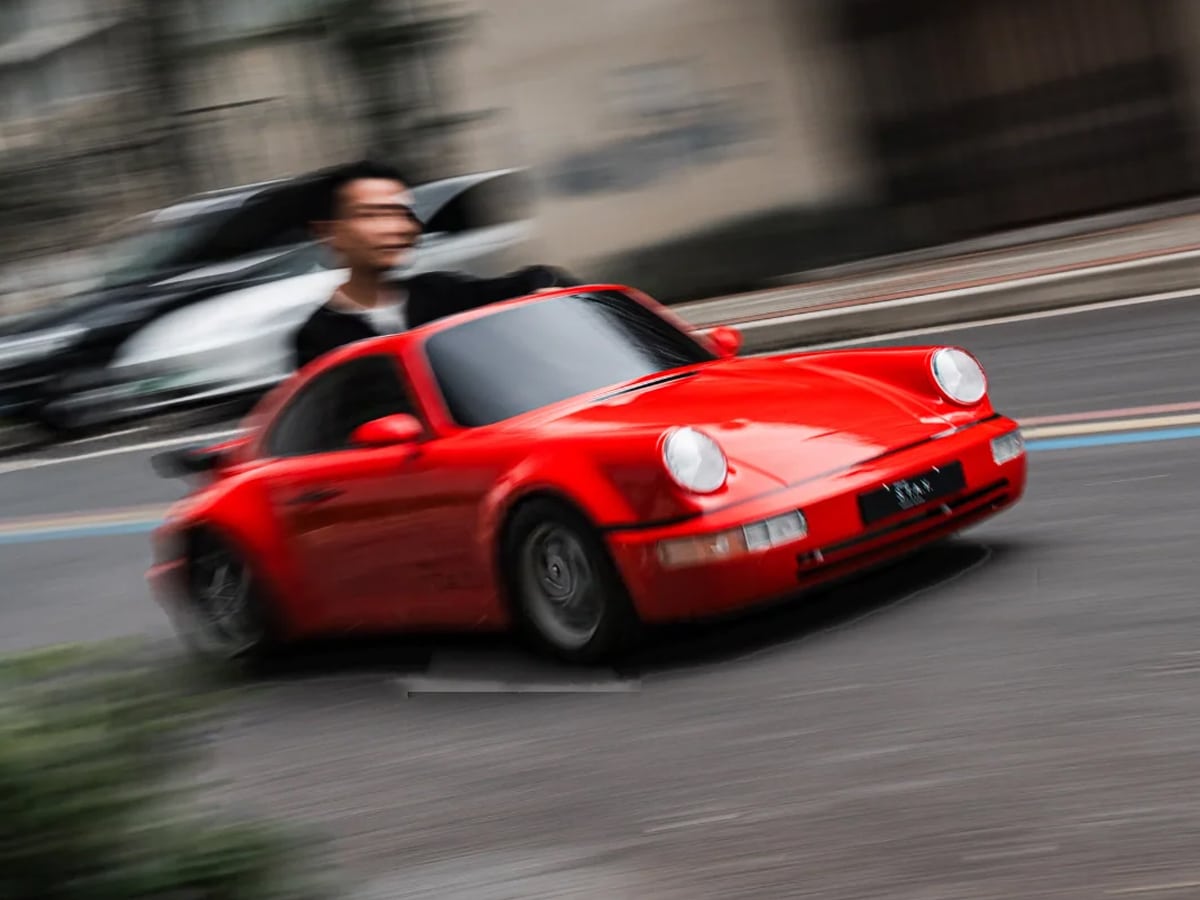
A critical component of these replicas is the suspension architecture. Most models, specifically the Porsche 964 Turbo and the Mazda MX-5, utilize independent double-wishbone front suspension. This setup allows for precise camber and toe adjustments, enabling owners to fine-tune handling characteristics based on the surface conditions of their private tarmac. Furthermore, the inclusion of a mechanical hydraulic handbrake is a standard feature across several models, specifically those aimed at the drifting and "touge" enthusiast markets, such as the Toyota AE86 Trueno.
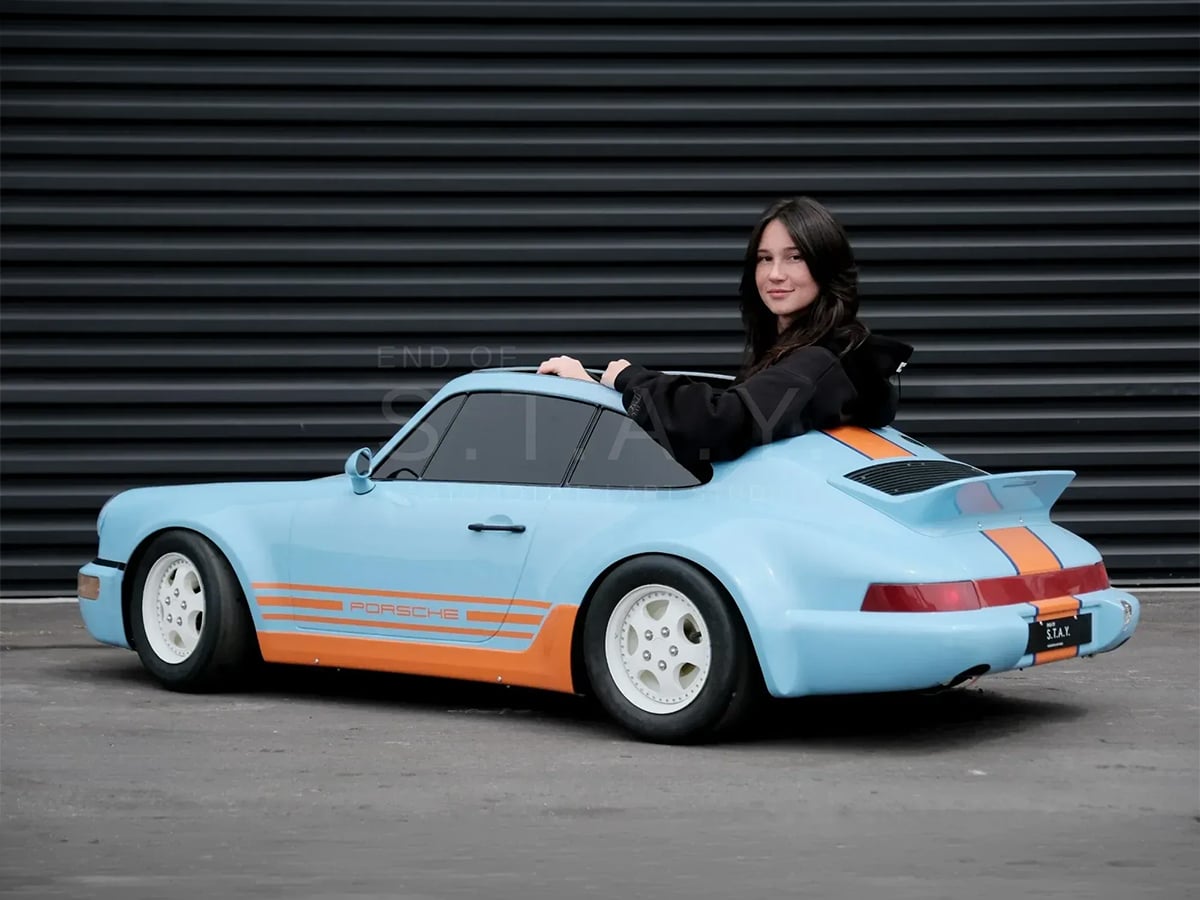
The dimensions of these vehicles are standardized to maximize accessibility while maintaining the 1:2 scale aesthetic. Most units measure approximately 2,200 mm in length, 1,100 mm in width, and 700 mm in height. Despite their diminutive stature, the engineering accommodates a broad demographic of drivers. The adjustable bucket seats and pedal boxes are designed to fit individuals ranging from 140 cm (4’7”) to 190 cm (6’3”) in height. With a maximum payload rating of 300 kg, the vehicles can easily support a full-sized adult and, in some configurations, a passenger, without compromising the structural integrity of the steel frame.
The Porsche 964 Turbo: A Case Study in Miniature Performance
The flagship of the current catalogue is the Porsche 964 Turbo replica, a vehicle that has garnered significant attention for its faithful recreation of the 1990s air-cooled silhouette. The bodywork meticulously reproduces the widebody arches and the iconic "tea-tray" whale-tail spoiler that defined the Turbo models of that era. However, the performance capabilities of the 964 replica vary significantly based on the selected trim level, allowing buyers to choose between a casual cruiser and a high-velocity track machine.

The entry-level Carrera S trim, priced at AUD$12,500 plus GST, provides a substantial baseline with 25 BHP (18.6 kW) and a top speed of 80 km/h. This model is equipped with treaded tires and an active battery management system that includes cooling and functional front brake ducts. For enthusiasts seeking higher performance, the GT3 tier (AUD$15,000 plus GST) increases output to 34 BHP (25.3 kW) and pushes the top speed to 114 km/h. This variant introduces racing slicks and an upgraded braking system, alongside a water-cooled motor to handle the increased thermal load.
The pinnacle of the range is the GT3 RS specification, retailing for AUD$19,500 plus GST. This model delivers 45 BHP (33.5 kW), enabling a 0 to 97 km/h acceleration time of just 4.5 seconds. With a top speed of 151 km/h, the GT3 RS requires full liquid cooling and specialized slick tires to maintain stability and component health. For those interested in off-road aesthetics and capability, the Dakar edition offers the same price point but swaps the high-speed aero for long-travel raised suspension and all-terrain rubber, maintaining a respectable top speed of 114 km/h.
Diversification of the Catalogue: From Touge Icons to Off-Road Classics
Beyond the European sports car market, the 1:2 scale industry is tapping into the "JDM" (Japanese Domestic Market) and off-road enthusiast sectors. The Toyota AE86 Trueno replica is a primary example of this trend. Finished in the famous "Initial D" Panda livery, this model is specifically balanced for drifting. Weighing 188 kg and powered by a 2,500W motor, it reaches a top speed of 75 km/h. The chassis geometry is tuned to break rear traction predictably, making it a specialized tool for asphalt drifting on private estates.
The Mazda NA MX-5 Roadster serves as the entry point into the lineup at AUD$10,500 plus GST. It retains the charm of the original "Miata" with remote-controlled, motorized pop-up headlights. Despite its lower price, it shares the 2,500W powertrain found in the AE86, offering a 75 km/h top speed. This model highlights the accessibility of the segment, providing a high-quality entry point for collectors.
In the off-road category, the engineering shifts toward torque and clearance. The Ford Bronco, Land Rover Series I, and Defender 90 replicas utilize different body materials—such as hybrid steel and aluminum for the Bronco—to balance weight and durability. These models typically feature 2,000W to 2,500W motors capable of delivering 151 Nm of torque. While their top speeds are limited to approximately 55 km/h, they are equipped with electronic differentials and four-link coil suspension systems, allowing them to navigate rough terrain that would be impassable for the low-slung sports car replicas.
Power Management and Safety Infrastructure
The transition to electric propulsion in the go-kart sector has necessitated advanced battery technology. These replicas utilize ternary lithium-ion battery packs, which offer a superior power-to-weight ratio compared to traditional lead-acid or standard lithium-ion configurations. Depending on driving style and motor load, the vehicles offer a range between 35 and 50 km per charge.
Charging logistics have also been modernized. A standard wall outlet requires approximately six hours for a full charge. However, an optional fast-charging system is available, which reduces the turnaround time to 3.5 hours. This is particularly relevant for commercial users or enthusiasts who intend to use the vehicles for extended track sessions.
Safety remains a paramount concern, given the high top speeds of the performance models. Every vehicle is equipped with a two-key safety lockout system. The secondary "valet" or "learner" key limits the maximum velocity to 19 km/h, ensuring that inexperienced drivers or younger users can operate the vehicle safely. Full performance is only accessible via the primary owner’s key, which unlocks the motor’s full kilowatt potential.
Customization, Bespoke Manufacturing, and Local Support
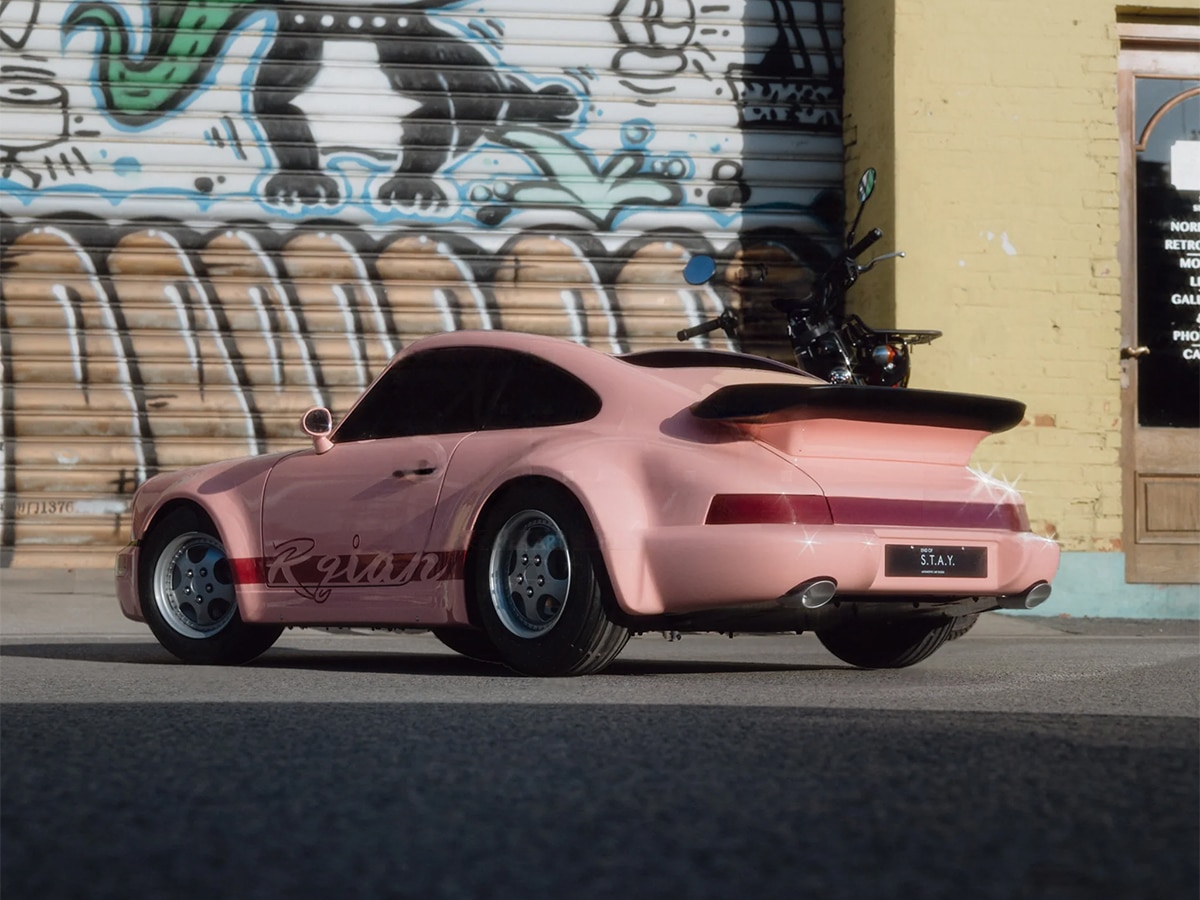
A significant driver of the demand for these 1:2 scale replicas is the high level of customization available to buyers. Unlike mass-produced recreational vehicles, these units are manufactured to order. Owners can specify exterior paint using exact hex codes to match their full-sized vehicles. This "mini-me" trend is popular among supercar collectors who wish to have a matching replica for display or private use.
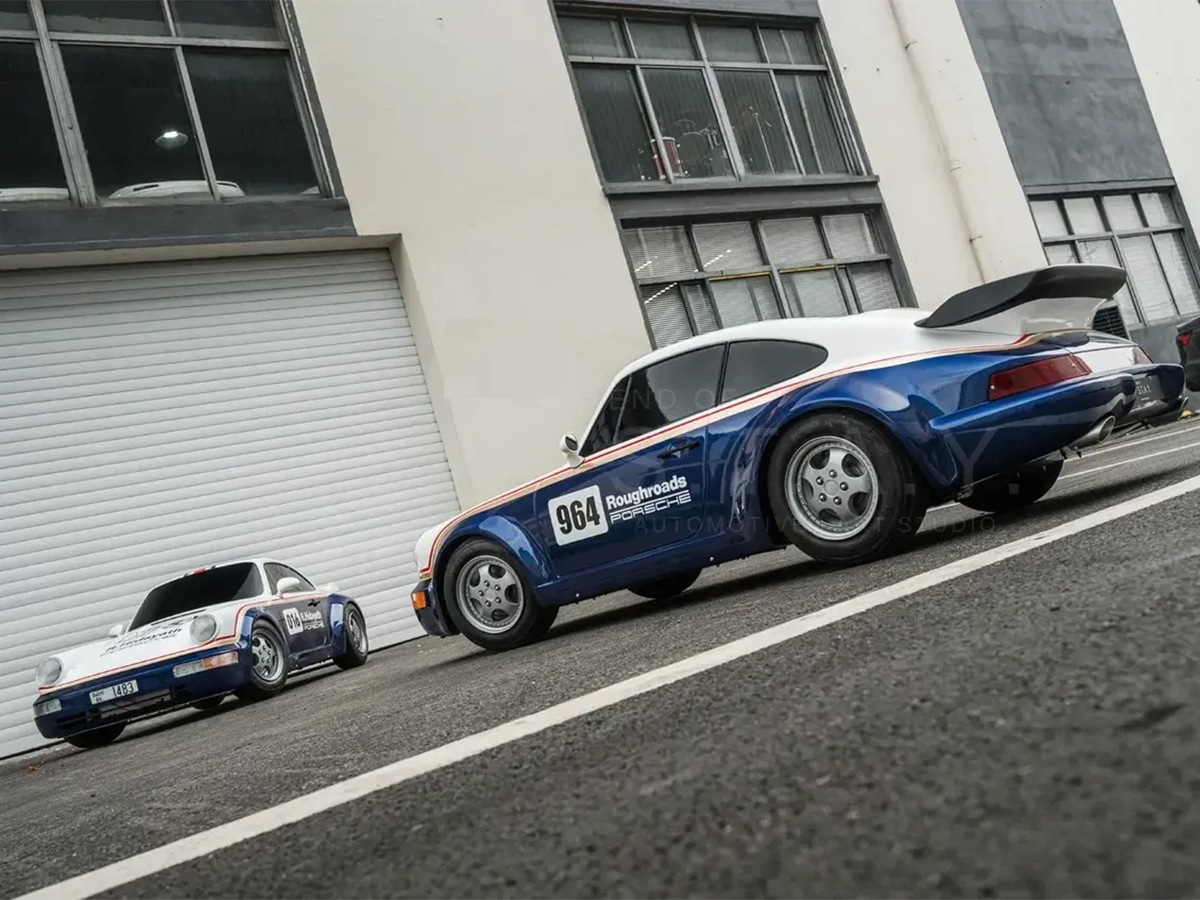
Wheel options further enhance the realism. While Speedline-style wheels are standard on the Porsche models, buyers can upgrade to Fuchs-style rims or BBS LM mesh wheels. The company also offers the capability to fabricate custom one-off wheel designs for an additional fee, ensuring that the replica is a perfect mirror of a specific full-size car.
The logistical framework for these vehicles in Australia is managed through a partnership between END OF S.T.A.Y. and Scuderia Autoart. This collaboration ensures that the importation and freight processes are handled with the same care as full-sized luxury vehicles. Crucially, the mechanical and electrical longevity of the vehicles is supported by City Performance Centre in Artarmon, Sydney. This facility provides local warranty servicing, battery health checks, and mechanical support, addressing a common concern regarding the maintenance of imported electric vehicles.
Market Analysis and Broader Implications
The rise of high-performance 1:2 scale replicas reflects a broader trend in the automotive industry toward "micro-mobility" for luxury recreation. As urban environments become more congested and traditional track days become more expensive and regulated, wealthy enthusiasts are turning to private estates and private tarmac to enjoy driving dynamics.
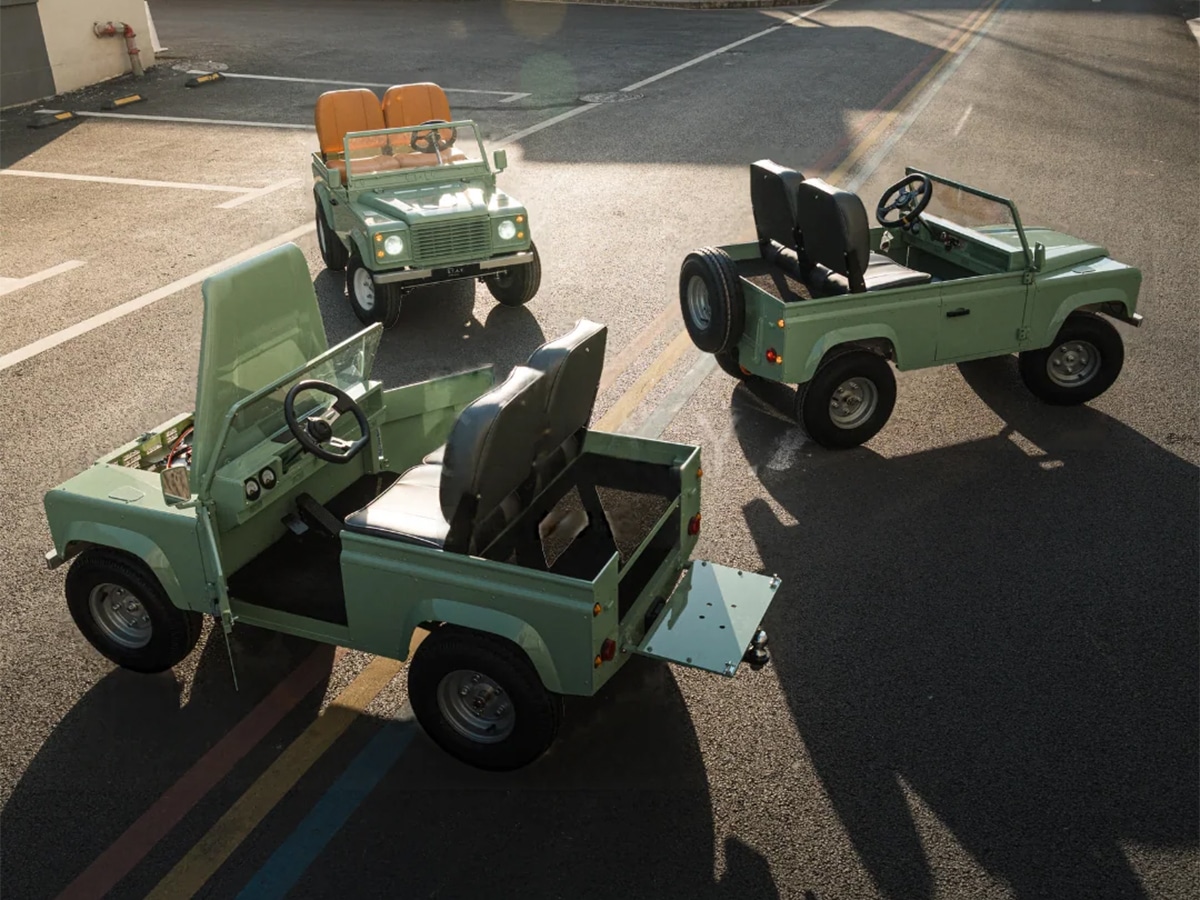
The legal status of these vehicles is clear: they are intended for use on private property only. They do not meet the ADR (Australian Design Rules) for road registration, and their high speeds make them unsuitable for public footpaths or bicycle lanes. This creates a specific market niche—owners of large properties, private racing clubs, and high-end automotive collectors.
From a manufacturing perspective, the success of these models demonstrates the viability of small-batch, high-quality electric vehicle production. By focusing on the 1:2 scale, manufacturers can bypass many of the regulatory hurdles associated with full-sized road cars while still delivering a product that offers significant engineering complexity and performance.
The lead time for these vehicles is currently 8 to 10 weeks from the initial deposit to local arrival in Australia. As the catalogue expands and the technology matures, it is expected that the integration of liquid cooling and higher-density battery packs will continue to push the performance envelope of the "micro-kart" segment. For now, these vehicles stand as a testament to the enduring appeal of classic automotive design, reimagined through the lens of modern electric performance and bespoke craftsmanship.




 Nila Kartika Wati

 Eva Lovia

 Yuyun Lusiyani

 Ana Megawati

 Joko Widodo
