
 Ana Megawati
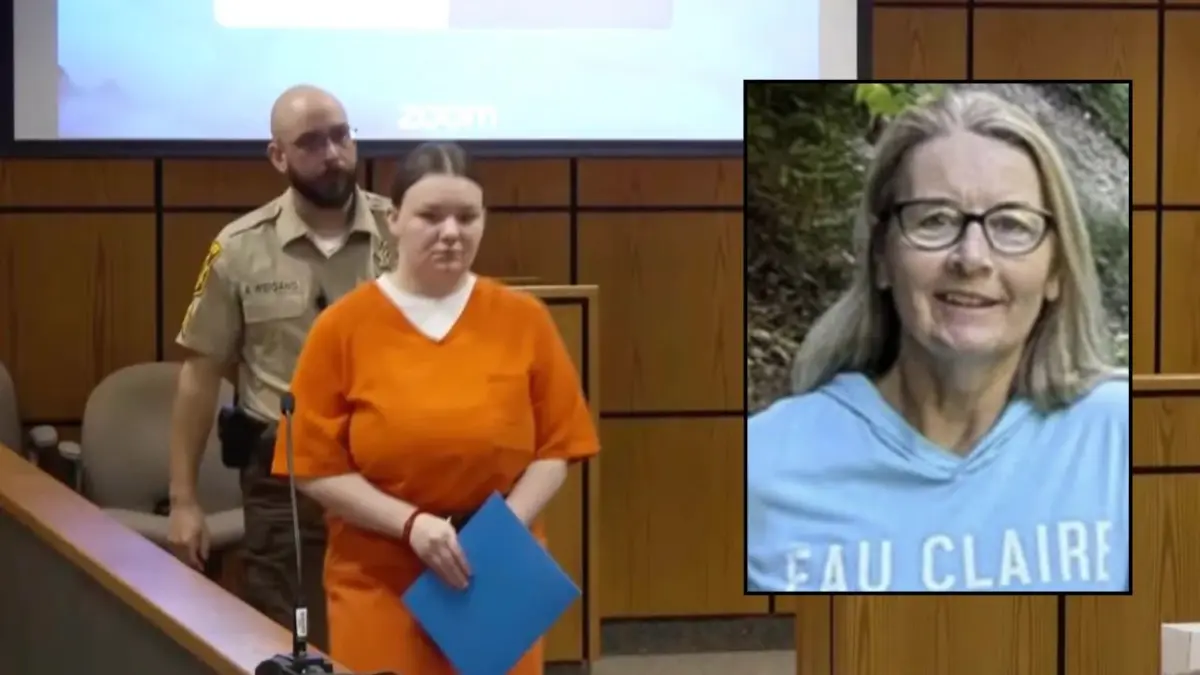
Addison Bowell, an 18-year-old Wisconsin resident, has been sentenced to nine years in state prison, followed by seven years of extended supervision, after pleading guilty to four felony charges related to the tragic hit-and-run death of 54-year-old Ann Seidl. The fatal incident occurred on March 29, 2025, when Seidl, an avid early-morning runner, was struck by a vehicle driven by Bowell, who was then 17 years old and heavily intoxicated. The sentencing brings a degree of legal closure to a case that has deeply affected the community and highlighted the devastating consequences of impaired driving.
The Tragic Morning: A Life Cut Short
The events leading to Ann Seidl’s death unfolded in the predawn hours of March 29, 2025. Seidl, a dedicated marathon runner known for her active lifestyle, was on her regular early-morning run, a routine she maintained diligently. At approximately 3:00 AM, her life was abruptly and tragically cut short when she was violently struck by a car. The driver, Addison Bowell, failed to stop at the scene, leaving Seidl critically injured on the roadside.
The discovery of Seidl’s body was made by a concerned resident, who, coincidentally, was Bowell’s own mother. Upon finding Seidl unresponsive by a mailbox, Bowell’s mother immediately contacted emergency services, dialing 911. During her conversation with dispatchers, she also informed them that her teenage daughter had arrived home approximately an hour earlier, visibly intoxicated. This critical piece of information provided the initial lead that quickly pointed investigators toward Bowell as the likely perpetrator. Police arrived at the scene to find Seidl deceased, confirming the gravity of the hit-and-run. The subsequent investigation would reveal a deeply disturbing sequence of events and a chilling lack of immediate remorse from the young driver.
The Investigation Unfolds: Disregard and Denial
As law enforcement officers began their investigation, the focus quickly shifted to Addison Bowell based on her mother’s statement. When police encountered Bowell, her demeanor and responses raised significant concerns. During questioning, Bowell exhibited a profound indifference to the unfolding tragedy and the potential consequences of her actions. She reportedly told officers she "didn’t want to deal with this," expressing concern primarily for her own legal record, stating she had "like 16 underages and couldn’t get another one." This remark underscored a history of underage alcohol consumption and a preoccupation with avoiding further legal trouble rather than acknowledging the severity of the situation.
When pressed about what she had consumed, Bowell’s answers were evasive and dismissive. She reportedly stated, "Probably everything," and then defiantly added, "It doesn’t matter what I was drinking. Completely besides the point." Her responses indicated a clear reluctance to cooperate and a desire to minimize her culpability. Bowell admitted to police that she "drank a lot" before getting into her vehicle that morning and, disturbingly, claimed, "I don’t know what I hit, and I don’t really care." This statement, made in the immediate aftermath of a fatal incident, painted a stark picture of her state of mind.
Further evidence of Bowell’s intoxication was gathered through preliminary tests. She registered a blood alcohol content (BAC) of 0.114 on a preliminary breath test, significantly above Wisconsin’s legal limit of 0.08% for adult drivers and well beyond the state’s "zero tolerance" policy for underage individuals. She also failed multiple standardized field sobriety tests, providing concrete evidence of her impairment.
Following her arrest, Bowell’s behavior continued to shock investigators. Upon learning that Seidl had died, she reportedly reacted with a callous remark: "[W]ho walks on the road at 3 in the morning? … like … bro." This comment, seemingly blaming the victim for her early-morning exercise routine, demonstrated a striking lack of empathy. Her subsequent question, "[S]o, am I going to get out or not?" further emphasized her self-centered focus on her own predicament rather than the profound loss she had caused.
Digital Evidence: A Chilling Record
A crucial turning point in the investigation came with the seizure and forensic examination of Addison Bowell’s cell phone. This digital evidence provided an undeniable and deeply unsettling record of Bowell’s actions and mindset immediately following the fatal collision. Among the files recovered were videos that Bowell had taken of her car, specifically documenting the damage sustained in the crash. These videos, which she subsequently sent to her friends, offered a horrifying glimpse into her state of mind.
One particular video, played during the emotional sentencing hearing, showed Ann Seidl’s headband dangling from Bowell’s damaged vehicle. In the background of this grim visual, Bowell could be heard laughing and flippantly remarking, "My door won’t open!" The contrast between the visible evidence of the tragedy and Bowell’s seemingly amused reaction was profoundly disturbing to all present in the courtroom. When one of her friends inquired about what she had hit, Bowell responded by claiming she had hit another car "so hard," further obscuring the truth of her actions and the identity of her victim.
Prosecutor Andrea Nodolf powerfully underscored the significance of these videos during the sentencing hearing. She argued that the footage revealed a chilling lack of remorse and a deeply troubling disregard for human life. Nodolf stated, "This is all just a big joke. While the defendant can change, and I certainly hope that she does change, the only thing that these videos and her past records demonstrate is a desire for her to fulfill her own selfish needs and a complete and utter disregard for others." The digital evidence thus became a cornerstone of the prosecution’s case, illustrating Bowell’s state of mind in the immediate aftermath of taking a life.
Legal Proceedings and Sentencing Hearing
Addison Bowell’s legal journey culminated in a guilty plea to four felony charges. While the specific charges were not detailed in the public record, such cases typically involve charges like Homicide by Intoxicated Use of a Vehicle, Hit and Run – Causing Death, and potentially other related offenses. Pleading guilty often signals an acknowledgment of responsibility, an attempt to avoid a lengthy trial, and sometimes a strategy to secure a more lenient sentence than might be imposed after a full conviction at trial.
The sentencing hearing, held on a Wednesday, served as the final judicial stage where all factors were considered before the judge handed down the punishment. It was a forum for both the prosecution and the defense to present their final arguments, for victims’ families to express their profound loss, and for the defendant to make a statement.
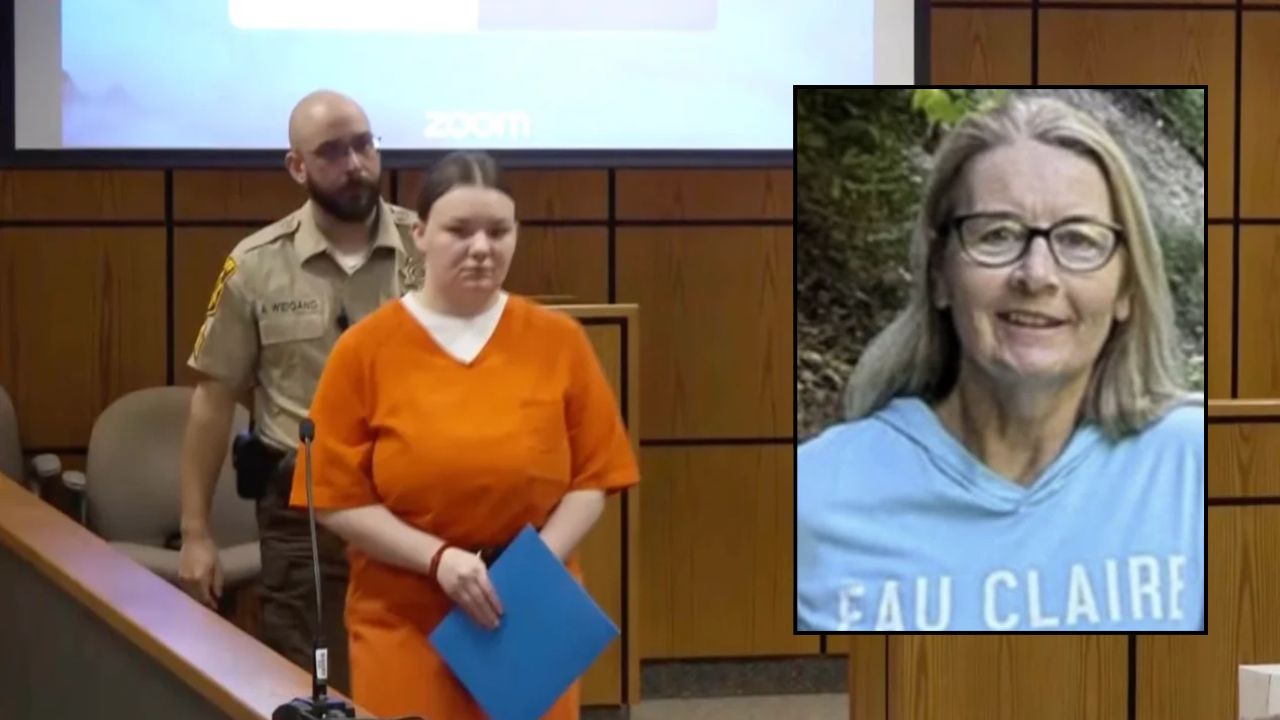
Prosecutor Andrea Nodolf reiterated the arguments stemming from Bowell’s behavior and the chilling phone videos, emphasizing her "selfish needs and a complete and utter disregard for others." The prosecution painted a picture of a defendant who prioritized her own convenience and freedom over the immense suffering she inflicted.
In contrast, Bowell’s attorney, Michael Cohen, sought to present his client in a more sympathetic light, emphasizing her acceptance of responsibility. Cohen argued, "My client ‘made it clear she was accepting responsibility. I’m not sure what other actions of responsibility or remorse can be done to express that. I don’t know what else people expect, to have someone express remorse or contrition for things that have happened. We don’t have H.G. Wells’ time machine. We’re not going back in time. We’re not making this not happen. So all we can do is react to that.’" This defense aimed to contextualize Bowell’s apology and plea as genuine expressions of remorse, despite her earlier actions.
Before her sentence was formally delivered, Bowell herself offered an apology to the court and, by extension, to Ann Seidl’s grieving family. She stated, "I know that my words cannot undo what happened, but I hope that with my actions moving forward, I can show that I am committed to learning to become a better person." While such apologies are standard in sentencing hearings, their sincerity is often weighed against the defendant’s past actions and demeanor throughout the legal process. The judge’s decision ultimately reflected a balance between the gravity of Bowell’s crime, her age, her past behavior, and the need for both punishment and potential rehabilitation. The nine-year prison sentence, coupled with seven years of extended supervision, indicates a severe judgment that recognizes the immense harm caused while also providing a framework for post-incarceration oversight.
Ann Seidl’s Enduring Legacy
Ann Seidl, at 54 years old, was more than just a victim of a tragic accident; she was a beloved mother, an active community member, and an individual whose life was characterized by vitality and dedication. She left behind three adult sons, including one with Down syndrome, whose lives have been irrevocably altered by her sudden and violent death.
During the sentencing hearing, Ann Seidl’s ex-husband and the father of her sons delivered a heart-wrenching victim impact statement that powerfully articulated the profound loss suffered by the family. He shared the daily struggle of witnessing his son with Down syndrome grappling with the absence of his mother, stating, "Every day I watch him miss his mom, and I can’t help explain to him why she is gone." This statement resonated deeply, highlighting the unique and devastating challenge of explaining such a senseless loss to a vulnerable individual who cannot fully comprehend its finality. The void left by Seidl’s death extends beyond emotional grief; it encompasses the loss of her care, guidance, and unwavering presence in her children’s lives.
The community, too, felt the profound shock and sorrow of Seidl’s passing. Known for her healthy lifestyle and dedication to running, her death served as a stark reminder of the fragility of life and the far-reaching consequences of reckless actions. Her legacy will undoubtedly endure through her sons and the memories cherished by those who knew her, serving as a poignant testament to a life well-lived, tragically cut short.
Broader Context: Drunk Driving in Wisconsin and Nationally
The case of Addison Bowell and Ann Seidl casts a harsh spotlight on the persistent issue of drunk driving, particularly among young people, and its devastating impact. In Wisconsin, Operating While Intoxicated (OWI) laws are stringent, with a legal blood alcohol content (BAC) limit of 0.08% for drivers aged 21 and older. For individuals under the age of 21, the state enforces a "zero tolerance" policy, meaning any detectable amount of alcohol in their system while driving can lead to an OWI charge. Bowell’s BAC of 0.114 was not only significantly above the adult legal limit but a clear violation of the zero-tolerance policy for underage drivers.
Nationally, drunk driving remains a leading cause of traffic fatalities. According to the National Highway Traffic Safety Administration (NHTSA), impaired driving claimed over 11,000 lives in the United States in a recent year, accounting for nearly one-third of all traffic-related deaths. While significant progress has been made in reducing drunk driving fatalities over the past decades through public awareness campaigns, stricter enforcement, and organizations like Mothers Against Drunk Driving (MADD), the problem persists, especially among younger demographics. Statistics show that young drivers (ages 16-20) are disproportionately involved in alcohol-related crashes, often due to inexperience combined with impaired judgment.
Hit-and-run incidents further complicate the landscape of impaired driving. The decision to flee the scene of an accident, particularly one involving injury or death, not only exacerbates the legal consequences for the driver but also delays crucial medical attention for victims and complicates the investigation. Bowell’s flight from the scene, coupled with her subsequent behavior, is characteristic of attempts to evade responsibility, a common pattern in hit-and-run cases.
Implications and Public Safety
The sentencing of Addison Bowell carries significant implications for public safety, the justice system, and community awareness. Firstly, it sends a clear and unequivocal message that severe consequences await those who choose to drive while intoxicated, especially when such actions lead to loss of life. The nine-year prison term, followed by extended supervision, reflects the gravity with which the courts view these offenses, balancing punishment for the crime committed with the societal need for accountability.
Secondly, the case serves as a stark warning to young people about the perils of underage drinking and driving. Bowell’s youth, coupled with her initial dismissive attitude and later apology, underscores the profound lack of judgment that can accompany alcohol consumption, particularly when combined with inexperience behind the wheel. Educational programs and parental guidance remain critical in preventing similar tragedies.
Moreover, the role of digital evidence, such as the cell phone videos in this case, highlights the evolving landscape of criminal investigations. In an age where nearly everyone carries a smartphone, personal recordings and communications can provide crucial, sometimes damning, evidence that shapes the outcome of legal proceedings. This technology can serve as an impartial witness, often revealing truths that might otherwise remain hidden or disputed.
For the Seidl family, while no sentence can ever bring back Ann, the judicial outcome may offer a measure of justice and closure. Their long road to healing from such a preventable and devastating loss will continue, but the legal process has affirmed the value of Ann’s life and the severe consequences for those who recklessly endanger others. The broader community is reminded of the ongoing vigilance required to combat impaired driving and foster a culture of responsibility on our roads. The tragic death of Ann Seidl at the hands of an intoxicated driver is a poignant reminder of the enduring human cost of such negligent actions.




 Nila Kartika Wati

 Eva Lovia

 Lina Irawan

 Yuyun Lusiyani

 Joko Widodo
