
 Lina Irawan
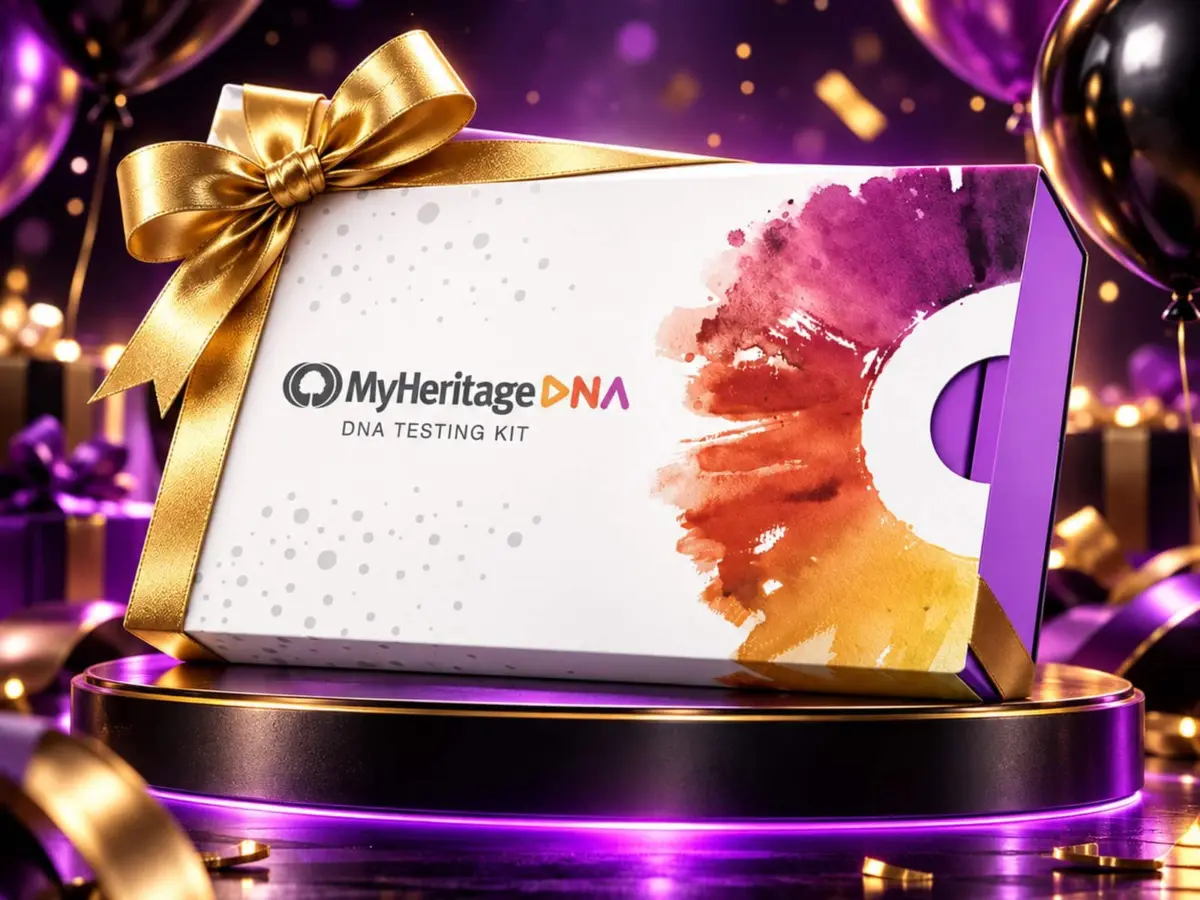
As the holiday season approaches, the consumer electronics and personal wellness sectors are witnessing a significant shift in gift-giving trends, moving away from ephemeral material goods toward experiential and informational offerings. Central to this shift is the MyHeritage DNA kit, a comprehensive genealogical tool that has emerged as a prominent choice for those seeking to provide family members with a deeper understanding of their biological and geographical origins. By utilizing a non-invasive collection method and leveraging one of the world’s largest genealogical databases, the MyHeritage platform offers a multi-layered experience that begins with a simple cheek swab and evolves into a long-term exploration of ancestral history.
The Rise of Consumer Genomics in the Festive Market
The popularity of DNA testing kits as holiday gifts is rooted in a broader societal interest in identity and heritage. According to market analysis, the global consumer genomics market is projected to reach several billion dollars by the end of the decade, driven by advancements in sequencing technology and a decreasing cost of entry for the average consumer. MyHeritage, an Israel-based company founded in 2003 by Gilad Japhet, has positioned itself at the forefront of this industry by combining genetic testing with a robust suite of historical research tools.
For the current holiday period, the company has introduced strategic pricing adjustments to capture the seasonal demand. The kit serves as a gateway to the MyHeritage ecosystem, which includes not only ethnic breakdowns but also a sophisticated matching system designed to identify biological relatives across the globe. This "gift of story" is marketed as an antidote to the "person who has everything," offering a unique data set that cannot be replicated or purchased elsewhere: the recipient’s own genetic code.
Technical Specifications and the Scope of Ancestral Mapping
The MyHeritage DNA kit distinguishes itself through the granularity of its reporting. While early iterations of consumer DNA tests provided broad, continental-level data, the current MyHeritage platform identifies origins across 2,114 distinct geographic regions. This level of specificity allows users to pinpoint not just a country of origin, but often specific provinces or ethnic enclaves within those countries.
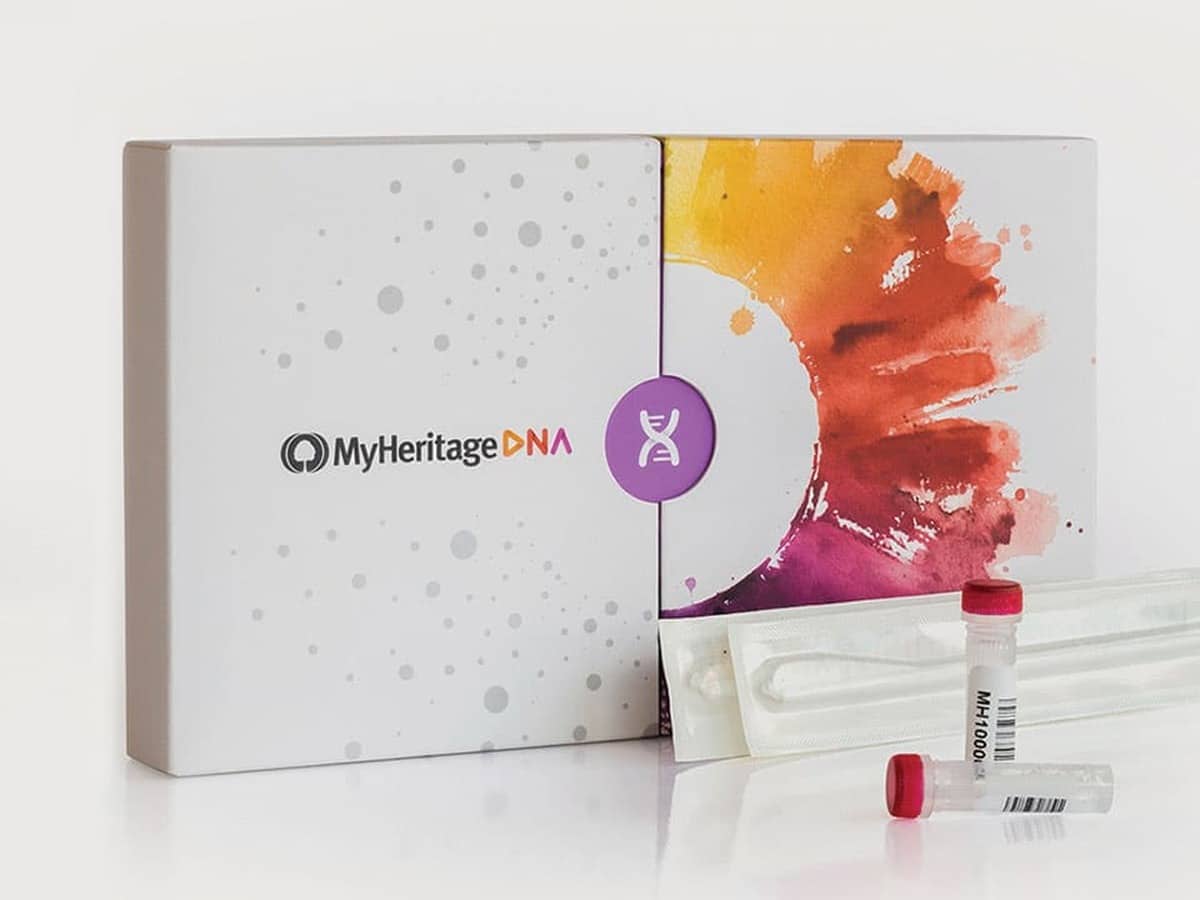
The process is engineered for simplicity and accessibility. Upon receiving the kit, the user performs a 45-second cheek swab—avoiding the need for blood samples or large volumes of saliva. This sample is then mailed to the company’s CLIA-certified and CAP-accredited laboratory in the United States. Within three to four weeks, the user receives a digital notification that their results are ready for viewing on a secure online portal.
The results are divided into two primary categories:
- Ethnicity Estimates: A percentage-based breakdown of the user’s ancestral roots, visualized through an interactive map.
- DNA Matching: A service that compares the user’s DNA against the millions of other profiles in the MyHeritage database to find relatives ranging from immediate family to 3rd, 4th, and 5th cousins.
The Digital Ecosystem: Beyond the Genetic Code
While the DNA kit provides the biological foundation, the broader MyHeritage platform offers the context necessary to turn data into a narrative. The "Complete" subscription, which is often bundled as a 30-day trial with the purchase of a kit, provides access to a massive repository of 41.3 billion historical records. These records include census data, birth and death certificates, immigration logs, and military records, many of which are exclusive to the MyHeritage database.
A significant draw for modern users is the company’s suite of AI-driven photo tools. The "Deep Nostalgia" feature, which went viral upon its release, uses deep learning algorithms to animate still photographs of ancestors, bringing a sense of life to historical family albums. Other tools, such as Photo Enhancer and MyHeritage In Color, allow users to restore faded images and add realistic color to black-and-white photographs. These features transform the DNA kit from a scientific report into a sentimental journey, making it a particularly poignant gift during family gatherings where multiple generations are present.
Chronology of the User Experience: From Unwrapping to Discovery
The timeline of the MyHeritage experience is designed to maintain engagement long after the initial holiday celebration.

- The Unwrapping (Day 0): The recipient receives the physically branded kit, often presented in festive packaging. The initial excitement stems from the potential for discovery.
- Sample Collection (Day 1-3): The user registers the kit online to ensure their sample is tracked and performs the cheek swab.
- Laboratory Processing (Weeks 1-4): The sample is analyzed using a custom-designed Illumina GSA (Global Screening Array) chip. This phase is characterized by anticipation as the user receives email updates on the status of their sample.
- The Reveal (Week 4): Results are released. This often leads to immediate communication with family members as ethnic percentages are discussed and compared.
- Ongoing Research (Months 1 and beyond): Using the DNA matches and historical records, the user begins to build a family tree. New matches are added to the database daily, meaning a user might discover a new relative months or even years after their initial test.
Data Privacy and Ethical Considerations in the Genomic Era
As with any service involving personal biological data, privacy remains a paramount concern for consumers and regulators alike. MyHeritage has implemented a rigorous privacy framework to address these concerns. The company asserts that users are the sole owners of their DNA data and can delete their results or destroy their physical samples at any time.
Furthermore, MyHeritage has stated that it has never sold or licensed personal data to insurance companies, government agencies, or third-party marketing firms. All DNA data is stored on secure servers with multiple layers of encryption. For the holiday gift-giver, these assurances are critical, as they ensure that the gift of discovery does not come at the cost of the recipient’s long-term digital or biological security.
Market Trends: The Shift Toward Informational Gifting
Industry analysts note that the success of MyHeritage during the Christmas season reflects a larger trend in "informational gifting." In an age of digital saturation, consumers are increasingly valuing gifts that offer personal utility and self-actualization. A 2023 retail report indicated that nearly 40% of holiday shoppers expressed interest in "heritage-based" or "educational" gifts.
The MyHeritage DNA kit fits perfectly into this niche. It is a gift that facilitates conversation, often leading to "kitchen table" discussions where older relatives share stories prompted by the genetic findings. This intergenerational bridge is a key component of the brand’s marketing strategy, positioning the kit not just as a product, but as a catalyst for family bonding.
Broader Implications and Cultural Impact
The widespread adoption of DNA testing has had profound cultural implications. For many, particularly those in diaspora communities or those with complex family histories, these kits provide a sense of belonging that was previously inaccessible. By identifying specific regions of origin, MyHeritage helps individuals reclaim lost parts of their heritage.

Moreover, the DNA matching feature has led to thousands of documented cases of family reunions, where adoptees have found biological parents or long-lost siblings. While most users will find more distant relatives, the potential for life-changing discovery adds a layer of weight to the gift that traditional retail items lack.
Analysis of the Holiday Value Proposition
From a consumer perspective, the MyHeritage holiday offer represents a strategic entry point into the world of genealogy. By providing a 30-day trial of the "Complete" plan, the company allows users to explore the full depth of their research tools without an immediate financial commitment beyond the cost of the kit. However, users should remain aware of the subscription model; the Complete plan renews annually after the trial period unless cancelled.
This business model—low-cost hardware (the kit) paired with a high-value software subscription—is common in the tech industry and allows MyHeritage to maintain the infrastructure required to host billions of records and process complex genetic data. For the gift-giver, it is a cost-effective way to provide a high-impact experience.
Conclusion: A Legacy Gift for the Modern Age
In summary, the MyHeritage DNA kit represents a sophisticated intersection of science, history, and emotion. As a holiday gift, it offers more than a momentary thrill; it provides a permanent resource for self-discovery. By mapping 2,114 regions and providing access to a vast digital archive, MyHeritage enables individuals to document their past and preserve it for future generations.
As the festive season reaches its peak, the continued demand for these kits underscores a universal human desire to understand one’s origins. In a world that is increasingly globalized and digital, the ability to trace one’s unique biological path provides a grounding sense of identity that remains relevant long after the holidays have passed. For those seeking a gift that resonates on a personal and historical level, the MyHeritage DNA kit remains a premier choice in the evolving landscape of modern gift-giving.




 Nila Kartika Wati

 Eva Lovia

 Yuyun Lusiyani

 Ana Megawati

 Joko Widodo
