
 Yuyun Lusiyani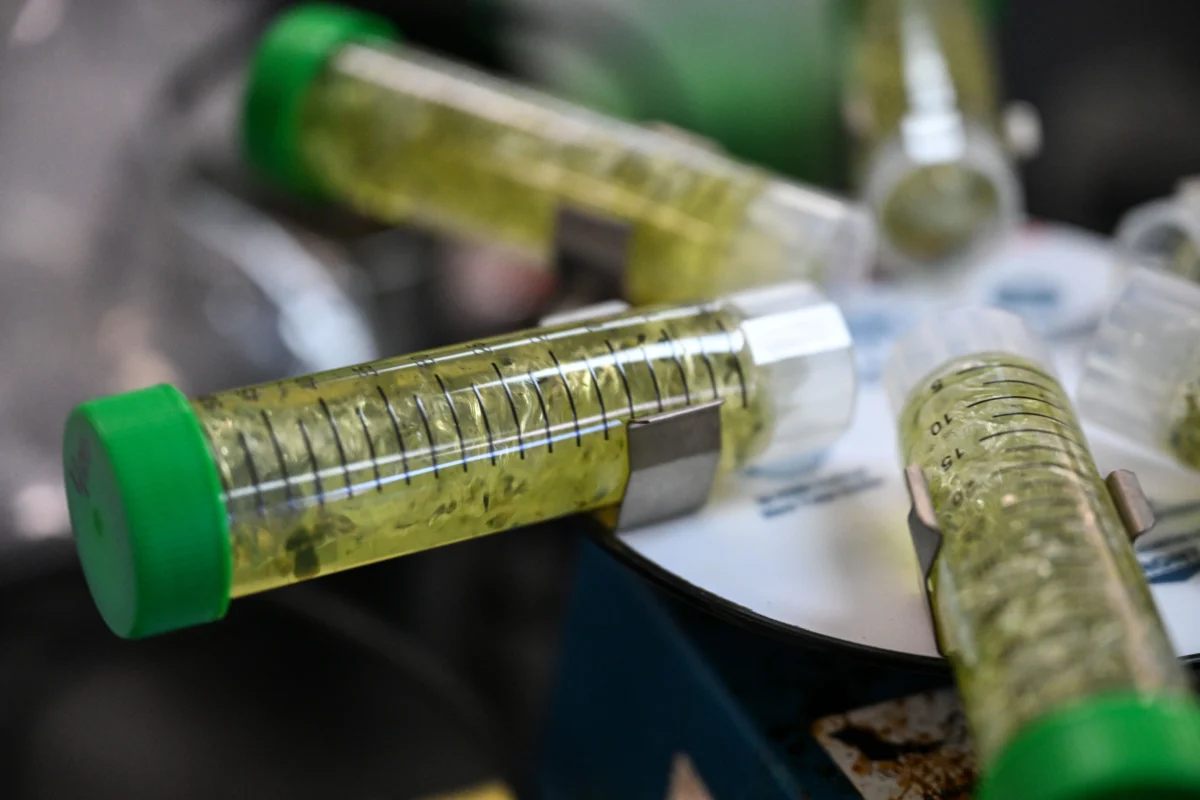
Colorado regulators announced on Monday a significant escalation in their efforts to combat companies illegally selling cheaper, potentially hazardous hemp-derived products as legitimate marijuana, a practice they warn threatens the integrity and stability of the state’s pioneering cannabis industry. The state’s Marijuana Enforcement Division (MED) has identified a pervasive pattern of "regulatory compliance issues" that directly undermine public safety, distort market dynamics, and erode the vital tax revenue framework supporting Colorado’s regulated cannabis sector. This aggressive new stance marks a critical juncture for the nation’s first legal retail marijuana market, signaling a determined push to rectify systemic vulnerabilities that have allowed illicit activities to flourish.
The Illicit Underbelly: Hemp’s Threat to Cannabis Integrity
The core of the problem lies in the misrepresentation of hemp-derived products as marijuana, primarily driven by significant cost advantages in production. Manufacturers can create liquid distillates for vapes and edibles from hemp at a much lower cost than from marijuana. This disparity creates a powerful incentive for illicit operators to circumvent established regulations, testing protocols, and tax obligations. The MED’s recent industry bulletin explicitly states that these issues "present serious risks to public safety, market integrity and the tax revenue framework that supports Colorado’s regulated cannabis industry," echoing concerns raised by legitimate businesses and consumer advocates.
A groundbreaking investigation by the Denver Gazette and ProPublica in January brought this issue into sharp focus, revealing that despite Colorado being an early adopter in banning the sale of intoxicating hemp products, the state legislature and regulators had "failed to adopt many regulations that other states have employed to keep hemp products off marijuana dispensary shelves." This regulatory void has been exploited, creating a shadow market within the legal framework.
Public Health Imperiled: The Dangers of Unregulated Synthetics
One of the most pressing concerns for regulators is the method used to convert non-intoxicating cannabidiol (CBD), abundant in hemp, into delta-9 tetrahydrocannabinol (THC), the psychoactive compound responsible for the "high" associated with marijuana. This chemical synthesis often relies on toxic and potentially hazardous chemicals. Colorado regulators have explicitly banned such conversion methods due to fears that dangerous chemical residues could remain in finished products, imperiling consumers. The MED’s position is clear: any product derived through these banned synthetic processes is deemed unsafe and illegal for sale in the regulated market.
Concrete evidence of these dangers emerged in 2024 when state investigators uncovered a popular brand of marijuana vapes sold in dispensaries that was not only derived from hemp but also contaminated with methylene chloride. This chemical is frequently used in the CBD-to-THC conversion process and is prohibited by Colorado’s marijuana regulators. Furthermore, the U.S. Environmental Protection Agency (EPA) has banned methylene chloride for most uses due to its severe health risks, including potential liver and lung cancer, and damage to the nervous, immune, and reproductive systems. The discovery of such a potent carcinogen in products marketed as safe, regulated marijuana underscores the gravity of the public safety threat. In response to this investigation, Ware Hause, the company that manufactured those contaminated vapes, surrendered its marijuana license. Ware Hause’s owner, Thanh Hau, and the company’s lawyer have declined to comment on the matter.
Erosion of Revenue: Tax Evasion and Market Distortion
Beyond the critical safety issues, the illicit trade of hemp-derived products also inflicts significant damage on Colorado’s fiscal health and the economic fairness of its cannabis market. The MED bulletin highlighted a "pattern of noncompliance" among some marijuana manufacturers and cultivators who are actively avoiding marijuana tax obligations. This is often achieved by misreporting sales transactions in the state’s "seed-to-sale" tracking system, which is designed to monitor marijuana products from cultivation to dispensary sale.
Companies have been found reporting bulk marijuana sales at artificially low, nominal prices – in some egregious cases, as low as $1 a pound for unprocessed marijuana material. This dramatically contrasts with the typical open market value, where similar products can fetch as much as $600 a pound, depending on the category and quality. Such fraudulent reporting directly reduces the taxable base, thereby robbing both state and local governments of millions of dollars in essential marijuana tax revenue. While no official estimate is yet available, industry insiders contend that this illicit activity has diverted substantial funds that would otherwise support crucial public services such as education, infrastructure projects, and public health initiatives – programs that the legal cannabis tax framework was specifically designed to fund. This also places an unfair burden on compliant businesses, who are effectively subsidizing the illicit market through their legitimate tax contributions.
A Regulatory Labyrinth: Colorado’s Path to Legalization and Its Challenges
Colorado pioneered adult-use cannabis legalization with Amendment 64 in 2012, establishing a robust regulatory framework designed to ensure product safety, prevent diversion, and generate tax revenue. The state’s "seed-to-sale" tracking system, initially hailed as a gold standard, was intended to provide transparency and accountability throughout the supply chain. However, the rapid evolution of the cannabis and hemp industries, coupled with legislative gaps, has presented unforeseen challenges. The 2018 federal Farm Bill, which legalized industrial hemp (defined as cannabis with less than 0.3% delta-9 THC by dry weight), inadvertently created a loophole. This bill spurred the growth of the hemp industry and the development of various cannabinoids that could be derived from hemp and possess intoxicating properties, such as Delta-8 THC, Delta-10 THC, and even synthetically converted Delta-9 THC.
While Colorado was among the first states to recognize the intoxicating potential of these hemp-derived cannabinoids and attempt to ban their sale as consumer products, the implementation of comprehensive regulations proved complex. The Denver Gazette and ProPublica investigation specifically pointed to this gap, highlighting how other states adopted more stringent measures, such as mandatory third-party testing for all cannabinoid products, strict limits on conversion chemicals, and clear labeling requirements that Colorado initially lacked or failed to enforce effectively. This environment allowed bad actors to exploit the regulatory ambiguity, using cheaper hemp biomass and synthetic conversion methods to produce "marijuana" products that bypassed the stringent testing and taxation applied to genuine cannabis.
Chronology of Events and Investigations
The current crackdown is the culmination of ongoing concerns and escalating investigations:
- January 2024: The Denver Gazette and ProPublica publish their in-depth investigation, exposing the widespread issue of intoxicating hemp products being sold as marijuana in Colorado due to regulatory oversights.
- Prior to Monday’s Announcement: The MED had issued previous agency bulletins and conducted regulatory investigations, uncovering evidence of illicit practices. Testimonies and lab results contained in several lawsuits further corroborated the widespread nature of the problem. These prior warnings indicated a growing awareness within the MED of the systemic issues.
- Early 2024: State investigators identify the Ware Hause case, where popular marijuana vapes were found to be hemp-derived and contaminated with methylene chloride, leading to the company surrendering its license. This incident served as a stark, tangible example of the public safety risks.
- Late Last Month: Marijuana industry representatives met with MED regulators, pressing for a more aggressive response to hemp substitution. These legitimate businesses argued that "bad actors are unfairly driving down prices and shifting the tax burden to manufacturers and cultivators who are trying to follow the rules," highlighting the competitive disadvantage faced by compliant operators.
- Monday’s Bulletin: The MED releases its comprehensive bulletin, detailing the findings, outlining the severe risks, and announcing immediate plans for heightened enforcement and new emergency rules. This announcement followed just a couple of weeks after the crucial meeting with industry stakeholders, suggesting a direct response to their urgent pleas.
The Federal Landscape: A Shifting National Stance on Hemp
The challenges faced by Colorado are not isolated; they reflect a broader national struggle to regulate the rapidly expanding and often confusing hemp-derived cannabinoid market. Congress passed a law last November banning nearly all intoxicating hemp products throughout the country, slated to take effect this fall. However, the implementation of this federal ban remains unclear, and hemp manufacturers are actively pushing to overturn it, arguing it could decimate their industry. Further complicating the federal picture, President Donald Trump issued an executive order in December, instructing his aides to work with Congress on developing regulations that could potentially allow some hemp products, signaling a nuanced and evolving federal approach. This national uncertainty adds another layer of complexity for states like Colorado attempting to enforce their own regulations.
Enforcement Intensifies: MED’s Aggressive New Stance
In response to the mounting evidence and industry pressure, Colorado’s Marijuana Enforcement Division is signaling an unprecedented level of vigilance and enforcement. The Monday bulletin unequivocally stated that agency officials had "identified and investigated evidence" indicating that some marijuana businesses are deliberately employing illicit practices and banned methods to manufacture products instead of relying on legitimate, tracked marijuana.
The agency is set to pursue emergency rules to swiftly address these pervasive problems. The MED stressed that suspicious and anomalous transactions and inventories detected within the state’s seed-to-sale tracking system will immediately trigger investigations. For companies found to be using hemp or any other illicit material passed off as marijuana, the consequences will be severe and immediate: "immediate product embargo, license suspension or revocation, significant monetary penalties and referral to law enforcement," the regulators warned. This indicates a zero-tolerance policy for businesses found to be compromising public safety and market integrity.
Furthermore, the MED is exploring "additional modifications to its testing and screening protocols to detect" illicit products and banned methods. This may include requiring additional lab testing "of products throughout the supply chain as needed," moving beyond initial product checks to ensure ongoing compliance. This proactive approach aims to close existing loopholes and adapt to the ever-evolving tactics of illicit operators.
Industry Calls for Action: Stakeholder Perspectives
The legitimate cannabis industry has largely welcomed the MED’s strengthened stance. Representatives from licensed marijuana businesses have consistently voiced concerns about the unfair competitive advantage enjoyed by those operating outside the regulatory framework. The influx of cheaper, unregulated products not only depresses market prices but also erodes consumer trust in the safety and quality of legal cannabis, which undergoes rigorous testing. These businesses, who invest heavily in compliance, licensing fees, and tax contributions, view the crackdown as essential to leveling the playing field and protecting their investments.
Conversely, the Colorado Hemp Association and the Colorado Hemp Education Association did not immediately respond to requests for comment regarding the MED’s bulletin. Their silence reflects the complex and often contentious relationship between the two cannabis sectors, where legitimate hemp businesses fear overreach, while regulators aim to prevent illicit convergence.
Looking Ahead: Securing Colorado’s Cannabis Future
The MED’s renewed commitment to rigorous enforcement is a critical step in safeguarding Colorado’s pioneering cannabis market. The implications of this crackdown are far-reaching:
- Enhanced Public Safety: By eliminating chemically synthesized products and ensuring stringent testing, consumers can have greater confidence in the safety of products purchased from licensed dispensaries.
- Restored Market Integrity: Fair competition will be re-established, rewarding compliant businesses and discouraging illicit activity, which should lead to a more stable and trustworthy market environment.
- Increased Tax Revenue: By closing loopholes and penalizing tax evasion, the state can recover millions in lost tax revenue, allowing for greater investment in public services.
- Evolving Regulatory Landscape: The MED’s proactive approach to modifying testing protocols and implementing emergency rules demonstrates the dynamic nature of cannabis regulation, requiring constant adaptation to new challenges and technologies.
The path forward will undoubtedly involve continued vigilance and a willingness to adapt regulatory frameworks as the cannabis and hemp markets evolve. For Colorado, the crackdown on illicit hemp-derived products is not merely a matter of compliance; it is a fundamental effort to uphold the principles of public safety, market fairness, and economic stability that underpinned its historic decision to legalize cannabis. The success of this initiative will serve as a crucial test case for other states grappling with similar challenges in the complex and rapidly changing landscape of cannabinoid regulation.



 Joko Widodo
 Eva Lovia
 Pevita Pearce
 admin
admin
 Lina Irawan