
 Lina Irawan
ANZAC Day stands as one of the most significant national occasions for both Australia and New Zealand, serving as a solemn day of remembrance for those who have served and died in all wars, conflicts, and peacekeeping operations. While the traditional image of ANZAC Day involves thousands of citizens gathered at dawn services and cenotaphs, a growing number of Australians are finding profound ways to pay their respects from the privacy of their own homes. Whether due to professional obligations, family commitments, geographic isolation, or health considerations, the act of commemoration has transitioned into a more flexible yet equally reverent practice. This shift reflects a broader evolution in how the "ANZAC Spirit" is maintained in the 21st century, ensuring that the legacy of sacrifice remains accessible to all generations, regardless of their ability to attend public gatherings.
The Evolution of ANZAC Day Traditions
The acronym ANZAC stands for the Australian and New Zealand Army Corps, a term that became immortalized following the landing at Gallipoli, Turkey, on April 25, 1915. This military campaign, though a strategic failure, is widely regarded as a "baptism of fire" for both young nations, fostering a sense of national identity defined by endurance, courage, and mateship.
Historically, the first ANZAC Day commemorations were held in 1916, just one year after the landing. By the 1920s, the day had become a public holiday and the format of the Dawn Service—timed to coincide with the original landing—became a standardized ritual. Over the subsequent decades, the scope of the day expanded to include veterans of World War II, the Korean War, the Vietnam War, and more recent conflicts in the Middle East and Afghanistan. Today, there are approximately 580,000 veterans in Australia, according to the Department of Veterans’ Affairs (DVA), and the need to provide diverse avenues for their recognition has never been more critical.
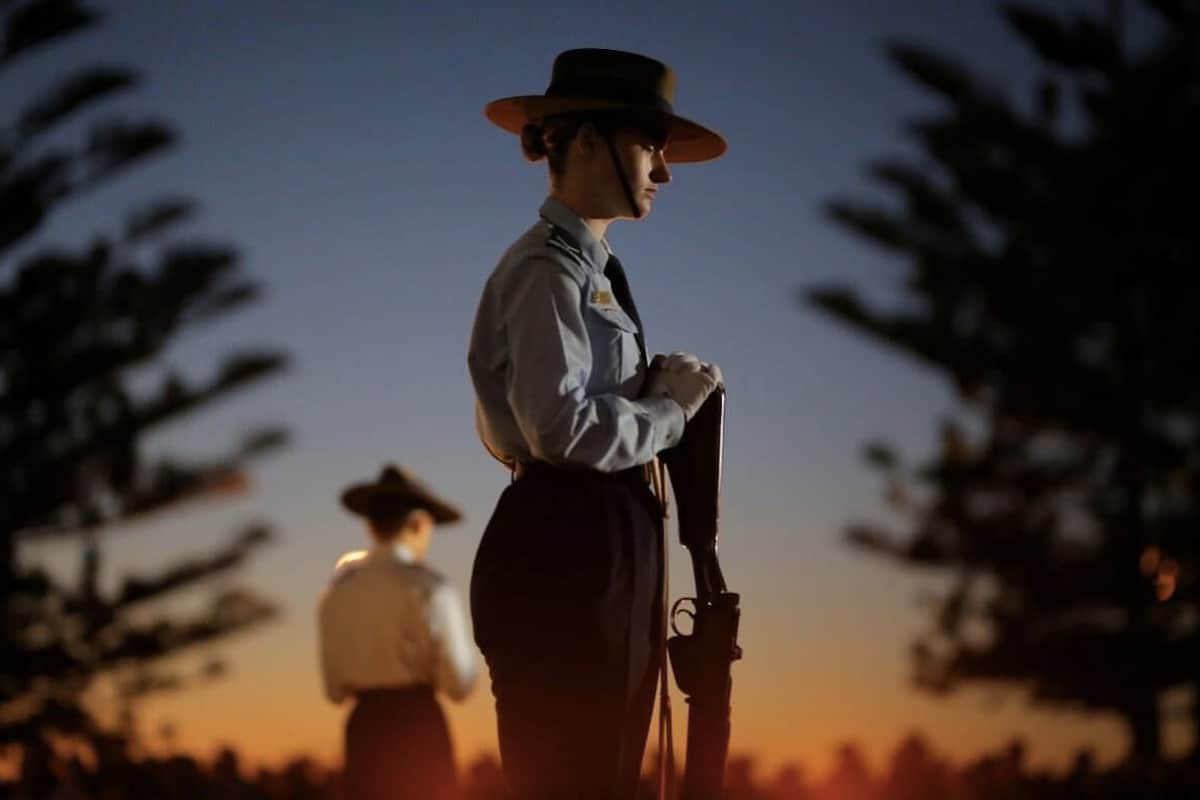
1. Livestreaming the National Dawn Service and International Commemorations
For those unable to attend a local service, digital technology has bridged the gap between the cenotaph and the living room. The Australian Broadcasting Corporation (ABC) serves as the primary national conduit for commemorative broadcasting, deploying a multi-platform strategy that includes ABC TV, ABC NEWS, ABC iview, and the ABC listen app.
The broadcasting schedule typically follows a rigorous chronological sequence:
- Pre-Dawn Coverage: Beginning before 4:30 AM, live broadcasts often alternate between the Australian War Memorial in Canberra and the Anzac Memorial in Sydney.
- The National Service: This includes the traditional laying of wreaths, the sounding of the "Last Post," and a minute of silence.
- International Services: Later in the day, the ABC broadcasts services from Gallipoli (Anzac Cove) and Villers-Bretonneux in France, allowing Australians to witness the global scale of the commemoration.
- Local Marches: Mid-morning coverage shifts to state capitals, where veterans and their descendants march through the streets.
This digital accessibility ensures that the elderly or those in remote regional areas can remain connected to the national collective memory. The "kettle on, house quiet" ritual has become a modern tradition for many, providing a space for reflection without the logistical challenges of navigating large crowds.
2. The "Light Up the Dawn" Initiative
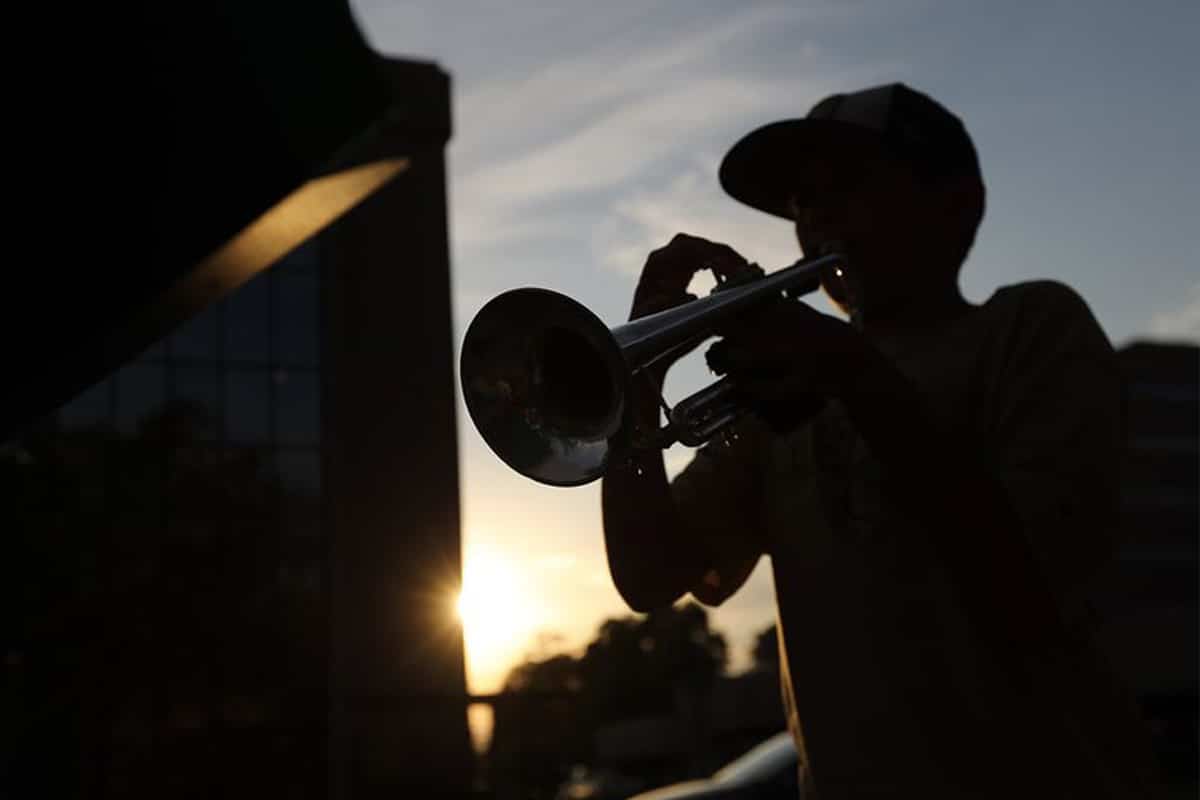
The "Light Up the Dawn" movement originated in 2020 as a grassroots response to the COVID-19 pandemic, which forced the cancellation of public services for the first time in decades. Endorsed by the Returned and Services League (RSL), the initiative encourages Australians to stand at the end of their driveways, on their balconies, or in their front yards at 6:00 AM to observe a minute of silence.

This practice has endured beyond the pandemic because of its powerful symbolism. It transforms suburban streets into decentralized shrines. Participants often enhance the experience by:
- Lighting a candle or using a torch to signify the "eternal flame."
- "Planting" handmade or fabric poppies in their gardens.
- Sharing their participation on social media using the hashtag #lightupthedawn to create a virtual community of remembrance.
Data from RSL branches suggests that this practice has actually increased engagement among younger families, who find it easier to involve children in a driveway service than a crowded inner-city event.
3. Participation in the Last Post Project
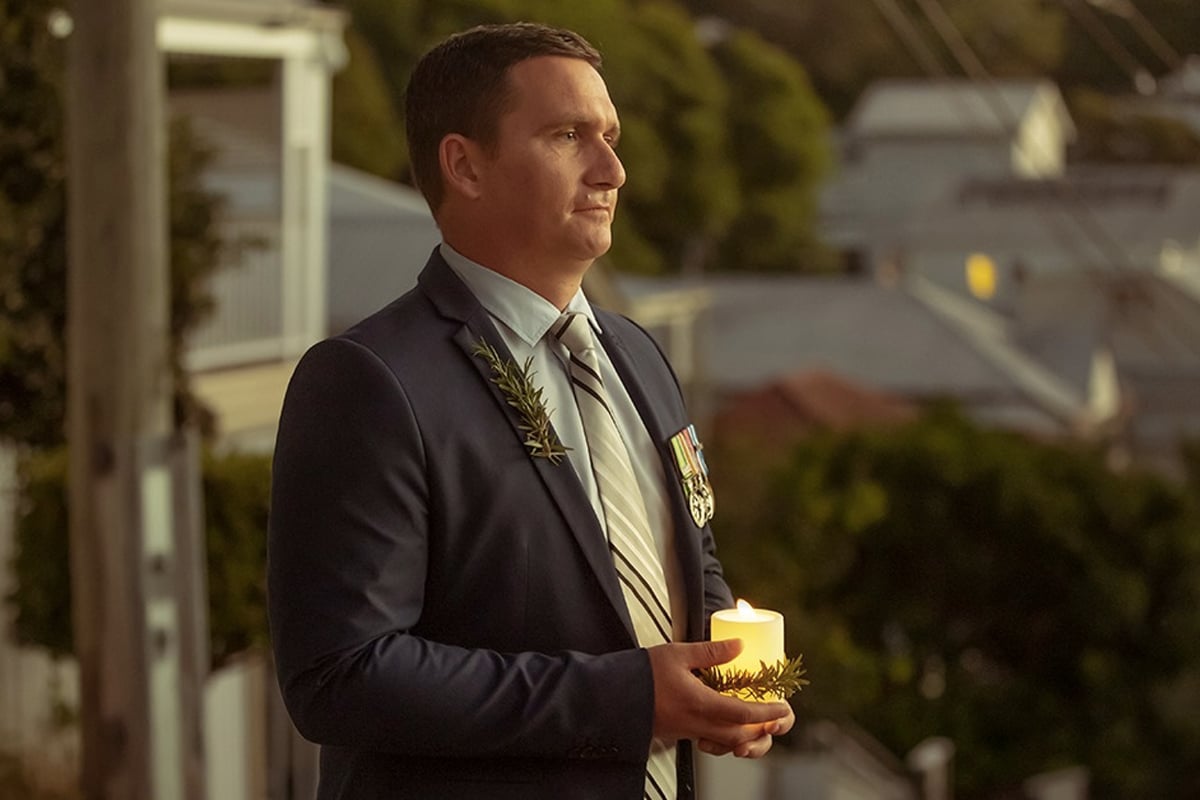
The Last Post Project is a creative initiative that invites musicians of all skill levels to play the "Last Post" from their own homes. The "Last Post" was historically a bugle call used in British Army camps to signal the end of the day’s activities, and in a funeral or commemorative context, it symbolizes that the duty of the dead is over and they can rest in peace.
The project encourages individuals, school bands, and community groups to perform the call in unison at dawn. Beyond the performance itself, the project often facilitates:
- Fundraising: Musicians can register for personalized sponsorship pages to raise money for veteran charities.
- Workshops: Access to resources for those learning the bugle or trumpet.
- Inclusivity: The project welcomes any instrument, from the traditional bugle to flutes or even violins, democratizing the act of musical tribute.
4. Supporting the ANZAC Appeal and Veteran Welfare
While symbolic gestures are vital, the financial support of veterans remains a cornerstone of the day’s significance. The ANZAC Appeal, organized by the RSL, raises funds to provide essential services for veterans and their families. These services include:
- Mental Health Support: Funding for PTSD programs and crisis counseling.
- Employment Transitions: Helping veterans translate military skills into civilian careers.
- Emergency Financial Assistance: Providing a safety net for those facing housing or medical hardships.
In recent years, the appeal has modernized its collection methods. While the sight of volunteers selling poppies and badges remains common, the RSL has transitioned toward cashless donations. Digital "virtual poppies" can be purchased online, and QR codes at physical stalls allow for quick, secure contributions. According to recent RSL reports, these funds are increasingly directed toward younger veterans who served in 21st-century conflicts and face unique challenges compared to the "legacy" veterans of the World Wars.
5. Personal History and the Sharing of Stories
The Australian War Memorial (AWM) emphasizes that ANZAC Day is as much about personal family history as it is about national military history. Engaging with family records is a powerful way to commemorate from home.
The AWM and the National Archives of Australia provide extensive digital databases where citizens can:
- Search Service Records: Access digitized copies of enlistment papers, which often include physical descriptions, medical histories, and deployment details.
- Explore "Trove": The National Library of Australia’s digital archive allows families to find newspaper mentions or letters sent home by ancestors during the war.
- Educational Engagement: Parents are encouraged to explain the "ANZAC Legend" to children, often using the story of "Simpson and his Donkey" or explaining the symbolism of the rosemary sprig (which grows wild on the Gallipoli peninsula).
Chronology of ANZAC Day Development
To understand the weight of these at-home commemorations, one must view them through the lens of a century-long timeline:
- 1915 (April 25): The landing at Anzac Cove.
- 1916 (April 25): The first anniversary is marked by marches in London and Australia.
- 1921: ANZAC Day is established as a national day of commemoration for the 60,000 Australians who died in WWI.
- 1927: Every Australian state has legislation making ANZAC Day a public holiday.
- 1942-1945: During WWII, services are often held in secret or under blackout conditions due to the threat of invasion.
- 1960s-1970s: The day faces controversy and declining attendance during the Vietnam War era.
- 1990: The 75th anniversary sees a massive resurgence in interest, led by a pilgrimage of aging veterans back to Gallipoli.
- 2015: The Centenary of the Gallipoli landing sees record-breaking attendance figures globally.
- 2020: The COVID-19 pandemic forces the birth of "at-home" traditions like Light Up the Dawn.
Supporting Data and Demographic Shifts
The nature of remembrance is changing as the veteran population ages. Data from the 2021 Census revealed that there are more than half a million Australians who have served in the ADF. Interestingly, the data shows that the contemporary veteran population is younger and more diverse than the public often perceives.
- Age Distribution: A significant portion of veterans are now under the age of 55, having served in East Timor, Iraq, and Afghanistan.
- Digital Engagement: Surveys by veteran advocacy groups indicate that younger veterans prefer digital or decentralized commemorations, finding them more aligned with modern lifestyles and less overwhelming than large-scale parades.
- Economic Impact: The ANZAC Appeal typically aims to raise millions of dollars annually. Even a small shift toward digital donations has seen a 15-20% increase in contributions from the 25-40 age demographic over the last five years.
Official Responses and Institutional Support
Government and veteran organizations have been vocal in their support of home-based commemorations. The Director of the Australian War Memorial has previously stated that "the spirit of ANZAC is not a place; it is a state of mind." This sentiment is echoed by RSL National, which maintains that the importance of the day lies in the "one minute of silence," regardless of whether that silence is observed at a cenotaph or a kitchen table.
Official statements from the Department of Veterans’ Affairs often highlight that for many veterans suffering from physical disabilities or PTSD, the noise and crowds of a traditional march can be distressing. Therefore, the promotion of "commemorating at home" is seen as an act of inclusivity and respect for the well-being of those who served.

Broader Impact and Implications
The transition toward home-based commemoration signifies a "democratization" of national memory. It moves the responsibility of remembrance from the state and the RSL directly into the hands of the individual citizen. This ensures the longevity of the ANZAC tradition; by making it adaptable, it avoids becoming a rigid, relic-like ritual that might lose relevance for future generations.
Furthermore, the focus on sharing stories and researching family history at home helps to humanize the statistics of war. When a family looks at a photograph of a great-uncle or reads a letter describing the cold in the trenches of the Somme, the "ANZAC Legend" ceases to be a distant historical concept and becomes a tangible part of their own identity.
In conclusion, while the dawn services at Gallipoli and the Australian War Memorial will always remain the symbolic heart of ANZAC Day, the driveway tributes, livestreams, and private moments of reflection are equally valid. These at-home practices ensure that the promise of "Lest We Forget" is kept by every Australian, no matter where they are. The value of the day is found in the quiet resolve of the individual to remember the cost of war and the enduring value of peace. Whether standing among thousands or standing alone in the early morning light of a suburban street, the act of remembrance remains a profound and necessary national duty.




 Yuyun Lusiyani
 Joko Widodo
 Eva Lovia
 Pevita Pearce
 admin
admin