
 Ana Megawati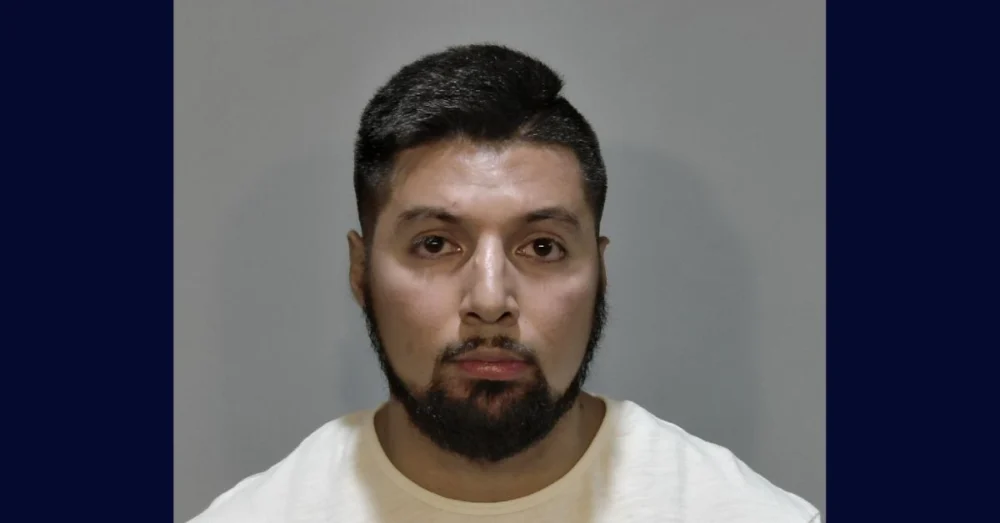
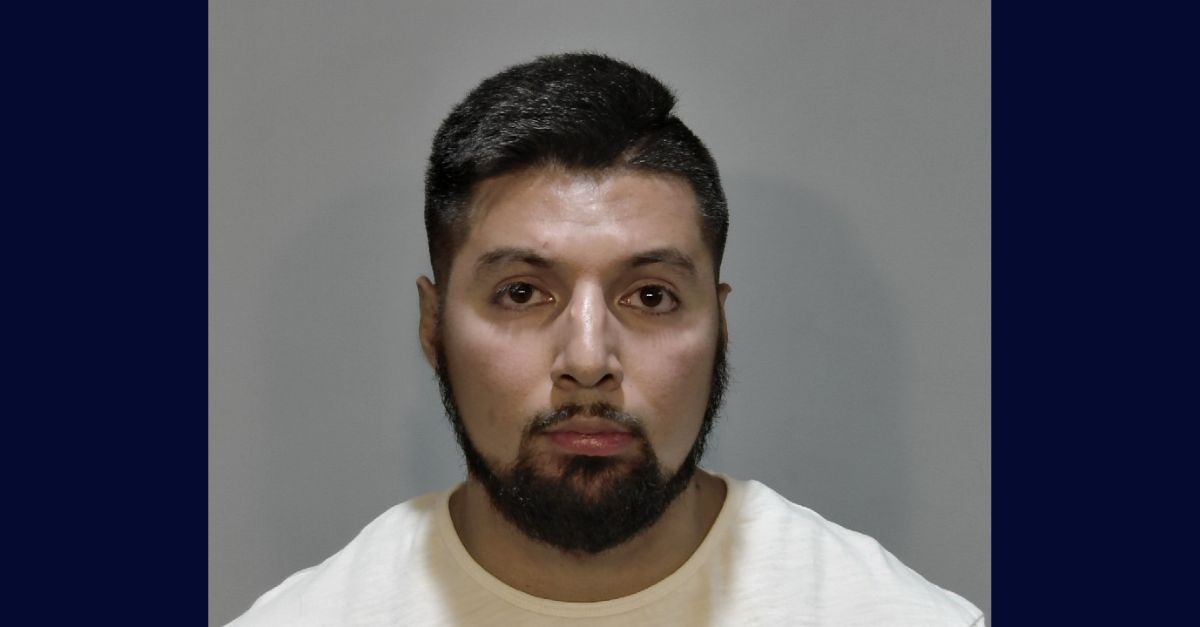
Key West, Florida – A former Monroe County Sheriff’s Office (MCSO) deputy, Lamar Eliseo Roman, 28, has been arrested and subsequently fired from his position after allegedly using sensitive law enforcement databases for personal reasons to track and harass a woman he met on the set of the Apple TV show "Bad Monkey." The incident has drawn significant attention to the critical importance of maintaining public trust in law enforcement and the severe consequences of abusing official authority and access to confidential information. Roman, who had served with the agency in the Florida Keys for less than a year, faces charges of misuse of law enforcement computers, computer networks, and electronic devices, a serious felony in Florida.
The arrest on Tuesday, March 10, 2026, followed an internal investigation initiated by the Monroe County Sheriff’s Office itself, underscoring the agency’s commitment to accountability. Sheriff Rick Ramsay swiftly announced Roman’s termination, reiterating the department’s stance against misconduct. "I am committed to keeping this community informed of significant events that occur in this agency – good and bad," Sheriff Ramsay stated, acknowledging the gravity of the allegations and their potential impact on public confidence in the MCSO.
Chronology of Events: From Flirtation to Alleged Stalking
The sequence of events leading to Roman’s arrest began in February 2026, when the deputy was assigned to security detail on the set of "Bad Monkey," a high-profile Apple TV series starring Vince Vaughn, which was filming in the picturesque Florida Keys. During this assignment, Roman encountered a woman working as an extra on the production. According to documents obtained by local ABC affiliate WPLG, Roman’s initial interactions with the woman were characterized by overtly flirtatious and unprofessional behavior.
As a group of extras disembarked a bus, Roman reportedly began whistling and cat-calling the woman. He allegedly exclaimed loudly, "Oh my god, why didn’t nobody tell me we were bringing models to set?" The two exchanged numbers, but the interaction quickly took a concerning turn when Roman allegedly made a remark that, in retrospect, foreshadowed his subsequent actions: "I need your name and number just in case I pull you over someday." This statement, initially perhaps perceived as a clumsy attempt at humor or flirtation, now appears to be a veiled threat or an early indicator of an intent to misuse his authority.
The woman did not respond to an Instagram message Roman sent her, signaling a lack of interest on her part. However, this did not deter the deputy. Instead, the situation escalated from mere unprofessional flirting to an alleged abuse of power. Roman is accused of accessing highly restricted law enforcement databases for "personal reasons beyond the legal scope of his employment as a deputy." These databases included Florida’s Driver and Vehicle Information Database (DAVID) and the Florida Crime Information Center (FCIC), which interfaces with the National Crime Information Center (NCIC).
Abuse of Authority: Misuse of Sensitive Databases
The Driver and Vehicle Information Database (DAVID) is a comprehensive state-level system in Florida that provides law enforcement and authorized government agencies with access to driver’s license records, vehicle registrations, insurance information, and other personal data. The Florida Crime Information Center (FCIC) and its federal counterpart, the National Crime Information Center (NCIC), are critical tools for law enforcement, containing a vast array of criminal justice information, including wanted persons, missing persons, stolen property, and criminal history records. Access to these databases is strictly regulated, requiring official authorization and adherence to protocols designed to protect privacy and prevent misuse. Officers are trained extensively on the ethical and legal boundaries of accessing such sensitive information, with clear guidelines stating that access is only permissible for legitimate law enforcement purposes related to their official duties.
Roman allegedly used these powerful tools to look up the woman’s personal information. More alarmingly, he reportedly placed her license plate on a "hotlist." A hotlist is a feature within law enforcement systems designed to alert officers when a specific vehicle’s license plate is detected by automated license plate readers (ALPRs), which are commonly mounted on patrol cars or fixed at strategic locations. This functionality is intended for legitimate law enforcement purposes, such as tracking stolen vehicles, wanted persons, or vehicles associated with ongoing investigations. Roman’s alleged use of the hotlist for personal reasons constitutes a severe breach of protocol and a profound invasion of privacy.
The Unauthorized Traffic Stop and Woman’s Distress
The alleged misuse of the hotlist culminated in a concerning incident on February 19, when an alert pinged, indicating the woman’s license plate had been detected by an ALPR while Roman was on duty. According to the investigation, Roman then engaged in reckless driving, speeding upward of 70 mph and passing three vehicles, forcing a truck to veer out of the way, all in an attempt to catch up to her vehicle. He then pulled her over.
During the traffic stop, the woman reportedly felt deeply uncomfortable due to Roman’s comments. She later told investigators that Roman made remarks such as, "Oh, I thought you had a boyfriend." She also expressed feeling unnerved by his ability to locate her. Roman allegedly responded to her discomfort by reiterating his earlier unsettling remark: "I told you I’d find you and pull you over." He further escalated the situation by reportedly adding, "And I was hoping your boyfriend was in the car so I can pull him out and give him a hard time." These statements not only confirmed her fears about being targeted but also suggested a level of possessiveness and aggression that is wholly unacceptable for an officer of the law.
Investigation, Confession, and Legal Proceedings
Following the incident, the woman reported her concerns, prompting an immediate internal investigation by the Monroe County Sheriff’s Office. During an interview with investigators, Roman admitted to his actions, expressing regret. "I know it’s stupid," he reportedly stated. His full confession, as detailed by WPLG, paints a picture of poor judgment and an awareness of his wrongdoing: "I just apologize for you guys to have to do this you know. That’s it. I mean, it’s a tough month and I saw a shiny thing and teasing and all that and I knew that when I put that I’m like ‘f—,’ and that’s why I just like I stopped right after and nothing else." This admission, while acknowledging culpability, does not mitigate the seriousness of his alleged actions.
Roman was arrested and booked into the Monroe County Jail. He has since bonded out, awaiting his next court appearance. His next court date is scheduled for March 26, where he will face the charges of misuse of law enforcement computers, computer networks, and electronic devices. In Florida, this charge can carry significant penalties, including imprisonment and substantial fines, depending on the specifics of the offense and the defendant’s criminal history.
Broader Implications: Trust, Accountability, and Law Enforcement Ethics
This incident resonates far beyond the immediate actions of Deputy Roman, touching upon critical issues concerning public trust in law enforcement, officer accountability, and the ethical use of power. Law enforcement agencies are entrusted with immense power, including access to sensitive personal data, to ensure public safety. The misuse of this power, particularly for personal gratification or harassment, severely erodes the foundation of trust between police and the communities they serve.
The Monroe County Sheriff’s Office’s swift action in firing and arresting Roman demonstrates a commitment to upholding ethical standards and signals that such behavior will not be tolerated. This rapid response is crucial for maintaining public confidence, as it shows that internal mechanisms for accountability are functioning. However, incidents of officers misusing databases for personal reasons are not isolated. Reports from across the country periodically highlight similar cases, from officers checking on ex-partners to looking up celebrities or individuals they’ve met socially. Such patterns point to an ongoing challenge within law enforcement regarding consistent oversight, ethical training reinforcement, and robust deterrence mechanisms.
The "Bad Monkey" production’s presence in the Florida Keys, while bringing economic benefits, also created a dynamic where local law enforcement officers interacted with a transient population of cast and crew. This context underscores the need for officers to maintain professionalism and ethical boundaries regardless of the circumstances. The victim in this case, a private citizen working on a film set, had a reasonable expectation of privacy and safety, which was allegedly violated by an officer sworn to protect her.
Preventative Measures and Future Outlook
To combat such misuse, law enforcement agencies continuously strive to implement and enhance preventative measures. These include:
- Robust Audit Trails: Modern law enforcement databases typically feature comprehensive audit trails, logging every access, query, and modification made by an officer. These logs are crucial for identifying suspicious activity and investigating potential misuse.
- Regular Training and Ethics Reinforcement: Ongoing training programs emphasize ethical conduct, the legal ramifications of database misuse, and the importance of respecting privacy.
- Strict Policies and Disciplinary Actions: Clear policies outlining permissible use of databases and severe disciplinary actions, including termination and criminal charges, serve as deterrents.
- Supervisory Oversight: Active supervision and random audits by commanding officers can help detect and prevent misconduct.
The legal proceedings against Lamar Eliseo Roman will serve as a public reminder of the serious consequences associated with abusing official authority. His case highlights the constant tension between the legitimate needs of law enforcement to access sensitive information and the fundamental right to privacy held by all citizens. As the case moves forward, the community will be watching closely, seeking assurance that justice is served and that the integrity of the Monroe County Sheriff’s Office remains paramount. The outcome will not only determine Roman’s future but will also contribute to the broader narrative surrounding police accountability and the imperative for ethical conduct in public service.



 Yuyun Lusiyani
 Joko Widodo
 Jia Lissa
 Pevita Pearce
 admin
admin
