
 Nana Wu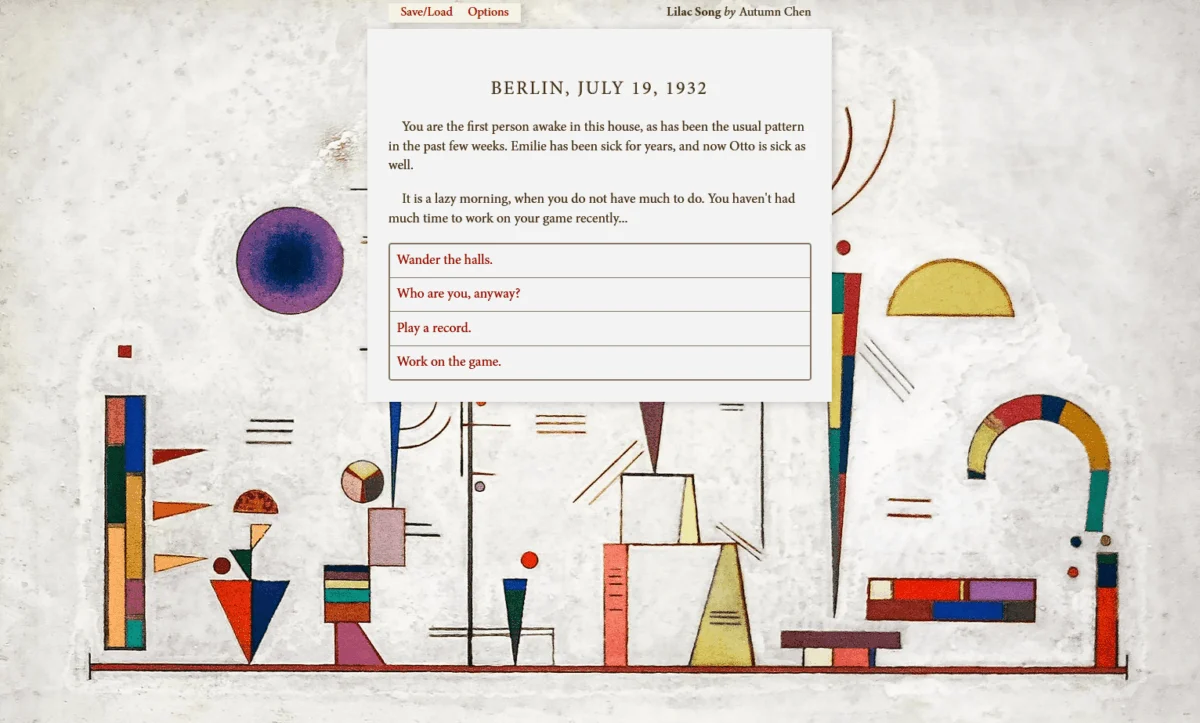
The eighth annual Gaming Like It’s 1930! public domain game jam, a celebrated event that encourages developers to create games using assets and themes from the public domain, has concluded its series of winner spotlights. The jam, hosted on itch.io, challenges participants to reimagine gaming experiences through the lens of a bygone era, specifically focusing on the creative output and cultural milieu of 1930. This year’s competition saw a diverse range of entries, with a particular focus on interactive fiction, though the overall number of submissions in this genre saw a slight decrease compared to previous years. The spotlight series has been meticulously highlighting the standout creations, building anticipation towards the announcement of the ultimate winners. Following spotlights on "Best Adaptation," "Best Deep Cut," and "Best Visuals," the latest feature shines a light on the winner of "Best Remix": Lilac Song, an interactive fiction masterpiece crafted by Autumn Chen.
A Deep Dive into the Weimar Republic’s Twilight
Lilac Song, developed by Autumn Chen, has emerged as a significant achievement within the Gaming Like It’s 1930! jam, earning the prestigious "Best Remix" award. This distinction recognizes the game’s exceptional ability to synthesize historical context, artistic elements, and narrative depth into a cohesive and compelling interactive experience. The game transports players to the waning years of the Weimar Republic, a period of immense social, political, and cultural upheaval in Germany. Players assume the role of a servant to Otto Braun, the Minister-President of Prussia, placing them in a unique position to observe and interact with the pivotal events unfolding in the early 1930s.
The premise of Lilac Song is both intricate and thematically resonant. The player character is not merely a passive observer but an active creator within the game’s narrative. She is engaged in the design of a simulation game, a meta-narrative layer that allows for introspection on power, politics, and the fragility of democracy. Her aim is to extract crucial insights from this simulated environment, insights that she hopes can serve as a bulwark against the encroaching rise of totalitarianism, specifically the nascent Nazi Party and its charismatic leader, Adolf Hitler. This conceptual framework allows the game to explore complex historical causality and the potential for individual agency, even within a system teetering on the brink of collapse.
Historical Acumen and Cultural Tapestry
Lilac Song‘s critical acclaim stems not only from its innovative premise but also from its profound historical accuracy and sophisticated exploration of the era. The narrative is deeply rooted in meticulous research, offering players a nuanced understanding of the political landscape of Weimar Germany. Beyond the high-stakes political machinations, the game also delves into the often-overlooked social currents of the time, including a thoughtful examination of gender politics and the nascent discussions surrounding transgender identities, which were present in the more liberal pockets of German society during the period. This multi-layered approach to historical representation sets Lilac Song apart, offering a richer and more comprehensive portrayal of a tumultuous era.
What particularly distinguishes Lilac Song as a "Best Remix" winner is its ingenious integration of a diverse array of artistic and musical works from 1930 into the fabric of the game. These public domain creations are not mere decorative elements; they are woven into the very essence of the game’s setting and gameplay. As players navigate the narrative, they are invited to wander the halls of Minister-President Braun’s residence, making choices about which paintings to admire and which musical compositions to listen to. This interactive engagement with art and music—featuring influential figures such as the avant-garde painters Paul Klee and Wassily Kandinsky, and the composer Felix Mendelssohn—transforms these works into the atmospheric backdrop and sonic landscape of the game. They become, in essence, the wallpaper and soundtrack to the player’s journey through a critical juncture in history.

The Power of Public Domain Integration
The careful selection and deployment of these public domain works significantly contribute to the game’s overall impact. While the narrative itself is compelling, the inclusion of authentic artistic and musical pieces from the era lends a profound sense of verisimilitude to the story. This integration enhances the player’s immersion, creating a more palpable connection to the historical setting than text alone could achieve. The art serves as visual cues, reinforcing the mood and thematic concerns, while the music provides an auditory dimension that evokes the spirit of the time. This thoughtful curation of newly-public-domain materials elevates the interactive fiction experience without allowing the historical elements to overshadow the core narrative. The result is a polished and deeply resonant game that expertly remixes historical context with interactive storytelling.
The Gaming Like It’s 1930! game jam, now in its eighth iteration, has consistently aimed to foster creativity by leveraging the wealth of works that have entered the public domain. This year’s event, like its predecessors, provided a platform for developers to explore themes and aesthetics from a specific historical period, encouraging innovative approaches to game design. The 1930s, in particular, offer a rich vein of inspiration, characterized by significant advancements in art, music, literature, and a complex socio-political climate that continues to fascinate historians and artists alike. By focusing on this decade, the jam encourages a deeper engagement with cultural heritage and the creative possibilities that arise when historical artistic and intellectual output is freely accessible.
Chronology of the Game Jam and Winner Spotlights
The Gaming Like It’s 1930! game jam typically opens for submissions in late winter or early spring, culminating in a period of judging and announcement of winners. The series of winner spotlights, as indicated by the jam’s progression, commenced approximately two months prior to this article’s publication, with each installment dedicated to a specific award category. The sequence of spotlights has been as follows:
- Week 1: Best Adaptation
- Week 2: Best Deep Cut
- Week 3: Best Visuals
- Week 4 (Current): Best Remix (Lilac Song)
This structured release of information allows for a sustained engagement with the jam’s highlights, providing in-depth analysis of each winning entry and fostering a sense of community among participants and enthusiasts. The anticipation for next year’s jam, Gaming Like It’s 1931!, has already begun to build, suggesting a continued interest in exploring different historical periods through the medium of games.
Supporting Data and Broader Implications
The success of games like Lilac Song underscores a growing trend in the gaming industry towards experiences that offer intellectual depth and historical context. As the digital landscape evolves, the utilization of public domain materials presents a unique opportunity for creators to produce unique and meaningful content without the significant licensing costs often associated with copyrighted works. This democratizes game development, allowing independent creators and smaller studios to compete with larger entities by focusing on narrative innovation and thematic exploration.
The implications of Lilac Song‘s success extend beyond the confines of the game jam. It highlights the potential for interactive fiction to serve as a powerful educational tool, making complex historical events and societal issues more accessible and engaging for a wider audience. The game’s exploration of the Weimar Republic’s collapse and the rise of Nazism is particularly relevant in contemporary discussions about political polarization, democratic resilience, and the dangers of unchecked extremism. By presenting these themes through an interactive narrative, Lilac Song encourages critical thinking and provides a platform for reflection on the lessons of history.

Furthermore, the "Best Remix" award specifically celebrates the art of synthesis—the ability to take existing cultural artifacts and reimagine them in a new context. This concept of remixing is fundamental to creative evolution and is increasingly relevant in an era of digital culture, where sampling, adaptation, and reinterpretation are commonplace. Lilac Song‘s triumph demonstrates that meaningful and award-winning game experiences can be built upon the foundation of prior artistic achievements, provided they are handled with creativity, respect, and a clear artistic vision.
Official Responses and Community Engagement
While direct statements from the organizers of the Gaming Like It’s 1930! game jam or the developers of Lilac Song are not detailed in the provided information, the consistent release of winner spotlights and the explicit congratulatory message to Autumn Chen indicate a robust and supportive community surrounding the event. The organizers’ commitment to highlighting each winning entry, and encouraging players to explore all submitted games, fosters a collaborative and encouraging environment. The availability of Lilac Song for browser play on itch.io further facilitates direct engagement from players and critics alike. The call to action for players to try the game and explore other entries reflects a desire to promote the entire spectrum of creative output generated by the jam.
The success of Lilac Song serves as a testament to the enduring power of historical narratives and the innovative potential of interactive fiction. As the Gaming Like It’s 1930! jam continues to inspire a new generation of game developers, it solidifies its role as a crucial platform for exploring creativity within the rich landscape of the public domain. The event’s commitment to celebrating diverse categories of achievement, from adaptation to remixing, ensures that a wide array of innovative and meaningful games will continue to emerge, offering players unique perspectives on history and culture.
Looking Ahead
With the conclusion of the winner spotlights for the eighth annual Gaming Like It’s 1930! game jam, the focus now shifts to the broader impact of these creations and the anticipation for future iterations. The success of Lilac Song and its "Best Remix" award is a significant marker, demonstrating the depth and sophistication achievable within the parameters of public domain game development. As the organizers prepare for Gaming Like It’s 1931!, the precedent set by this year’s winners promises an even more exciting and creatively diverse event, further enriching the landscape of independent game development through the thoughtful repurposing of historical artistic and cultural heritage. Players are encouraged to visit itch.io to experience Lilac Song and explore the many other compelling entries from the jam, engaging directly with the vibrant output of this unique creative initiative.



 Jia Lissa
 Yuyun Lusiyani
 Joko Widodo
 Eva Lovia

 Pevita Pearce