
 Nila Kartika Wati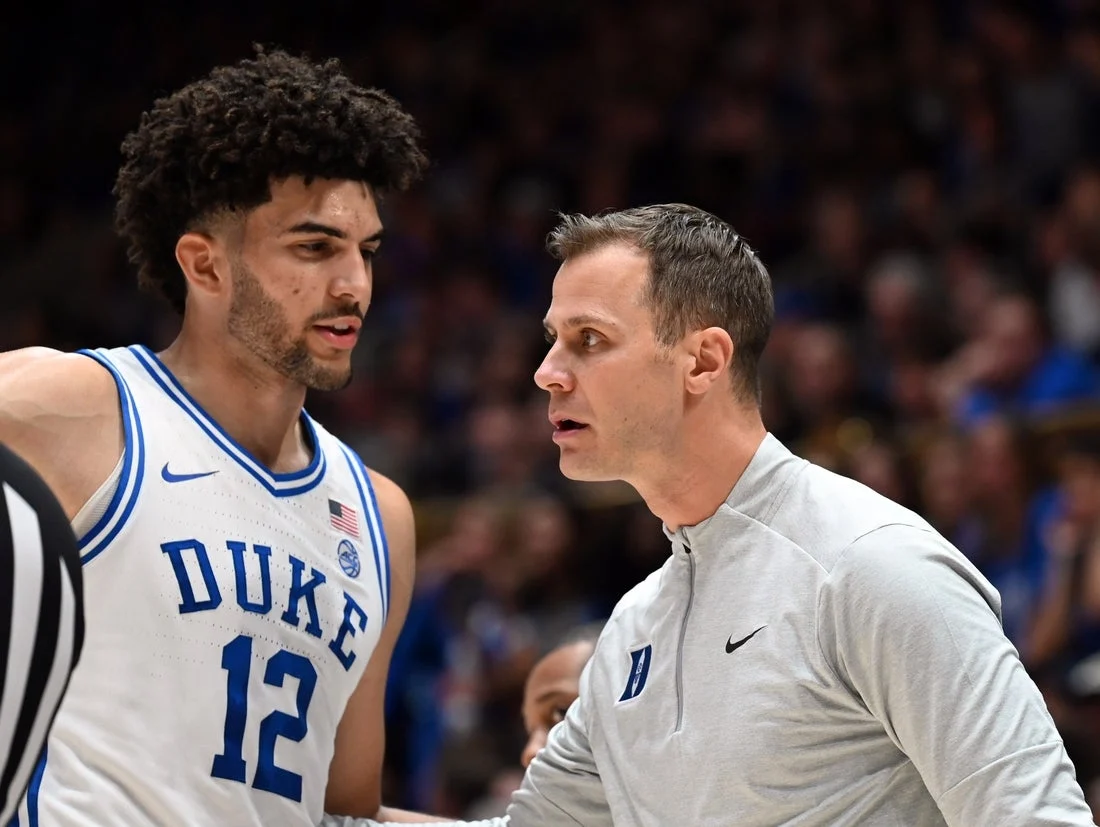
The selection committee’s announcement on Sunday etched the Miami (Ohio) RedHawks into the annals of college basketball as participants in the 2026 NCAA Tournament. Despite facing widespread skepticism from pundits and a challenging path to qualification, the RedHawks, boasting a remarkable 31-1 record, emerged as one of the final four teams to earn an at-large bid, securing their place in March Madness. This inclusion marks a significant achievement for a program that has been the subject of national debate regarding its schedule strength and tournament viability.
From Scrutiny to Celebration: The RedHawks’ Unlikely Journey
The narrative surrounding the Miami (Ohio) RedHawks leading up to Selection Sunday was one of intense scrutiny. Their impressive 31-1 record was often met with dismissive commentary regarding the perceived weakness of their schedule. Pundits nationally questioned the caliber of opponents they faced, leading many to believe that even an undefeated regular season might not be enough to guarantee an at-large bid without an automatic qualification from their conference tournament. This sentiment was amplified when the RedHawks suffered a surprising opening-game loss to UMass in the Mid-American Conference (MAC) tournament, an outcome that threatened to derail their NCAA Tournament aspirations entirely.
The subsequent victory by Akron in the MAC tournament, securing the conference’s automatic bid, placed Miami squarely on the bubble, reliant on the at-large selections. The days following their conference tournament exit were marked by palpable anxiety within the program and among its supporters, as they anxiously awaited the committee’s decision. The fact that they were ultimately selected as one of the last four teams, heading to the First Four, underscores the precariousness of their situation and the significant shift in perception required to earn a spot. Their destination for this play-in game is particularly poignant, as they will face Southern Methodist (SMU) in Dayton, Ohio, a mere 42 miles from their own campus, creating a unique homecoming atmosphere for the underdog squad.
The First Four: A Doorway to March Madness
The RedHawks’ inclusion in the First Four signifies their position as one of the lowest-seeded at-large teams. Their opening opponent, SMU (20-13), also earned their way into the tournament, setting the stage for a compelling matchup between two teams battling for a chance to advance further. The First Four games, introduced to expand the tournament field, provide a crucial pathway for teams on the fringe, and for Miami, it represents a second chance to prove their mettle on the national stage.
The other First Four matchup on the 11-seed line features North Carolina State (20-13) taking on Texas (18-14). These games are often characterized by high stakes and intense emotions, as teams fight for the opportunity to join the main bracket of 64. For Miami, the proximity of the Dayton venue offers a distinct advantage, potentially translating into greater fan support and a sense of familiar territory as they embark on their tournament journey.
The Top Seeds and the Path to the Final Four
As the dust settled on the First Four selections, the top seeds for the 2026 NCAA Tournament were also revealed, offering a glimpse into the projected favorites and the potential matchups that could define March Madness. Duke, Arizona, Michigan, and Florida were named the four No. 1 seeds, each leading their respective regions and carrying the weight of high expectations.
East Region: Duke (32-2) earned the top seed in the East, aiming to build upon their recent success and reach the Final Four for the second consecutive year. Under the guidance of head coach Jon Scheyer, the Blue Devils boast a potent combination of talent and experience. Their first-round opponent will be No. 16 seed Siena (23-11). The East region also features a formidable No. 2 seed in UConn (29-5), a program with a recent history of dominance, having secured back-to-back national championships in 2023 and 2024. Michigan State (25-7) and Kansas (23-10) round out the top four seeds in this loaded region.
West Region: Arizona (32-2) claimed the No. 1 seed in the West, carrying the hopes of a program seeking to end a long drought without a Final Four appearance, with their last reaching the national championship game in 2001. The Wildcats will open their tournament play against No. 16 seed Long Island (24-10) in San Diego. The West region is also home to perennial contenders, including No. 2 seed Purdue (27-8), No. 3 seed Gonzaga (30-3), and No. 4 seed Arkansas (26-8).
Midwest Region: Michigan (31-3) secured the top seed in the Midwest, a testament to their dominant regular season performance. The Wolverines are set to face the winner of a First Four matchup between UMBC and Howard. Notably, UMBC’s potential appearance evokes memories of their historic 16-over-1 upset victory against Virginia in 2018, a reminder of the unpredictable nature of March Madness. This region also features strong contenders such as No. 2 seed Iowa State (27-7), No. 3 seed Virginia (29-5), and No. 4 seed Alabama (23-9). In a significant development, Santa Clara (26-8) received a No. 10 seed in the Midwest, marking their first NCAA Tournament appearance since 1996, a period that concluded the celebrated Steve Nash era for the program.
South Region: Defending national champion Florida (26-7) earned the No. 1 seed in the South, aiming to repeat their championship feat. The Gators will begin their title defense against either Lehigh or Prairie View A&M. The South region is also stacked with talent, featuring No. 2 seed Houston (28-6), who were the runners-up to Florida last season, No. 3 seed Illinois (24-8), and No. 4 seed Nebraska (26-6). For Nebraska, this marks a return to the NCAA Tournament, where they hold an unfortunate 0-8 all-time record, with their most recent appearance in 2024 ending in a first-round loss.
Bubble Watch and Near Misses
The tension surrounding Selection Sunday is often most palpable for teams on the bubble, and this year was no exception. Several programs were left to ponder what might have been as the final selections were made. The first four teams not to make the field were Oklahoma (19-15), Auburn (17-16), San Diego State (22-11), and Indiana (18-14). The exclusion of Auburn, in particular, drew attention, with former coach Bruce Pearl, whose son Steven now coaches the Tigers, having vocally advocated for their inclusion at the expense of Miami (Ohio). This highlights the subjective nature of the selection process and the passionate debates that ensue when teams fall just short of their tournament dreams.
Historical Context and Future Implications
The Miami (Ohio) RedHawks’ journey to the 2026 NCAA Tournament is a testament to their resilience and ability to overcome doubt. Their last NCAA Tournament appearance was in 2007, making this a significant return to college basketball’s premier event after a nearly two-decade absence. The RedHawks’ success this season, particularly their ability to secure an at-large bid despite external skepticism, serves as a compelling narrative of an underdog story unfolding on the grandest stage.
The implications of their inclusion extend beyond the immediate tournament aspirations. For the Miami (Ohio) athletic department, this appearance provides invaluable exposure and prestige, potentially boosting recruiting efforts and garnering increased support from alumni and boosters. It also validates the program’s strategic approach to scheduling and player development, even in the face of criticism.
The 2026 NCAA Tournament promises to be an exciting spectacle, with a blend of established powerhouses and emerging contenders. The narratives of teams like the Miami (Ohio) RedHawks, who have defied expectations to reach this point, often become the most memorable aspects of March Madness, reminding fans of the unpredictable magic that defines the tournament. The focus now shifts to the games themselves, where these teams will have the opportunity to write their own chapters in college basketball history.



 Yuyun Lusiyani
 Joko Widodo
 Jia Lissa
 Pevita Pearce
 admin
admin
