
 Ana Megawati
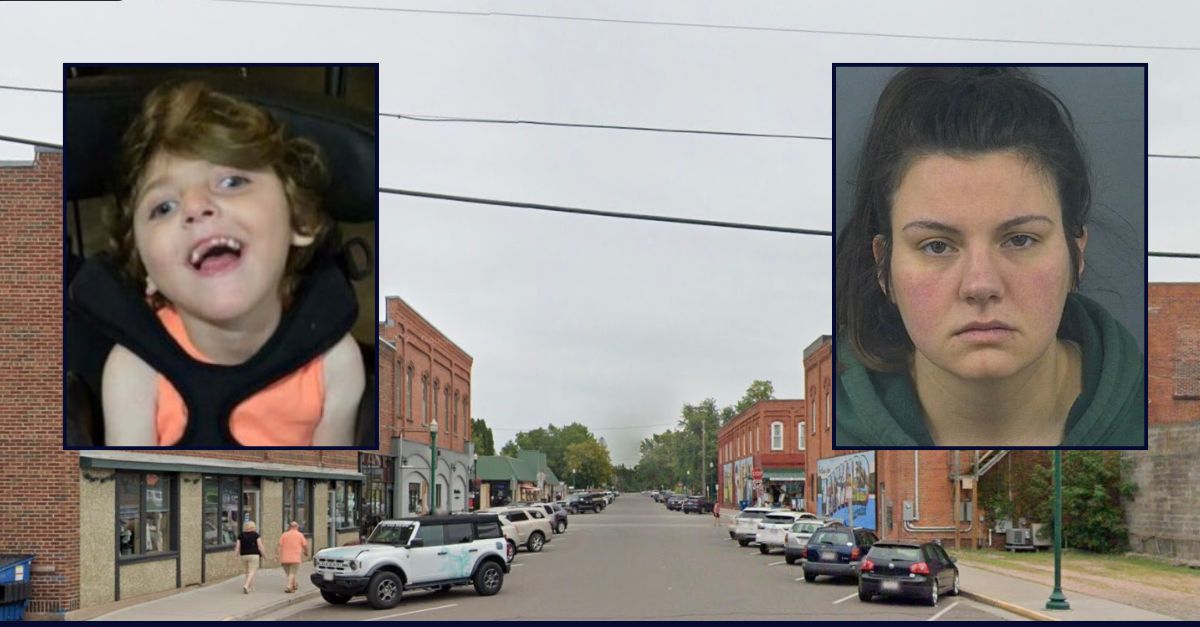
Hayward, Wisconsin – Samantha S. Smith, a 30-year-old mother from Wisconsin, has been sentenced to more than a decade in state prison for her culpability in the tragic 2021 death of her 4-year-old daughter, Zoey Chafer, a child diagnosed with severe cerebral palsy. Zoey died with an astonishingly high blood alcohol level, far exceeding what is considered lethally toxic. Sawyer County Circuit Judge Anthony J. Stella Jr. issued the sentence on Friday, mandating Smith to serve 15 years in a state correctional facility, to be followed by five years of supervised release. This judicial decision brings a partial resolution to a case that has profoundly shocked the community and underscored the severe vulnerabilities of children dependent entirely on their caregivers.
The Verdict and Sentencing Details
Samantha Smith’s sentencing stems from a plea agreement reached with prosecutors in November. Under the terms of this agreement, Smith pleaded guilty to one count of chronic child neglect and no contest to one count of repeated physical abuse of a child resulting in great bodily harm. In exchange for these pleas, a more severe charge of first-degree intentional homicide was dismissed. However, the dismissed charge was "read-in," a legal mechanism allowing the judge to consider the gravity and factual basis of the more serious offense during the sentencing phase, even if a conviction was not secured for it. This provision enables the court to impose a sentence that reflects the full scope of the defendant’s conduct. The outcome of the plea deal reflects the complex legal strategies often employed in cases involving profound child abuse and neglect, balancing the need for accountability with prosecutorial certainty.
Zoey Chafer: A Life Defined by Vulnerability
Zoey Chafer’s short life was marked by severe medical challenges from birth. She was diagnosed with "severe cerebral palsy" as a newborn, a condition that rendered her nonverbal and unable to move independently. Her nutritional and hydration needs were met entirely through a feeding tube, underscoring her complete reliance on her caregivers for every aspect of her existence. Cerebral palsy is a group of permanent movement disorders that appear in early childhood. Symptoms include poor coordination, stiff muscles, weak muscles, and tremors. There are several types, depending on the area of the brain affected. Severe cases, like Zoey’s, often require comprehensive, round-the-clock care, including specialized feeding, mobility assistance, and constant medical monitoring. Such a diagnosis places immense responsibility on parents and caregivers, demanding unwavering dedication, specialized knowledge, and profound empathy. Zoey’s condition meant she was utterly defenseless, making the circumstances of her death all the more harrowing.
The Tragic Discovery: A Horrifying Blood Alcohol Level
The horrifying details of Zoey’s death began to unfold on July 28, 2021. Medics responded to a 911 call concerning an unconscious 4-year-old girl at an apartment complex located in the 15000 block of West 2nd Street in Hayward, Wisconsin, a town situated approximately 300 miles northwest of Milwaukee. Upon arrival, medical personnel immediately declared Zoey dead at the scene. In the immediate aftermath, the Sawyer County Coroner’s Office, while not initially ordering a full autopsy, did take a crucial step: a blood sample was drawn from the victim for further analysis.
The subsequent analysis by the Wisconsin State Laboratory of Hygiene revealed a shocking and profoundly disturbing finding: at the time of her death, Zoey Chafer had a blood alcohol content (BAC) of .572 grams per 100 milliliters (.572 g/100mL). To put this figure into chilling perspective, this BAC is more than seven times the legal limit for an adult over the age of 21 to be considered legally intoxicated in Wisconsin, which is .08 g/100mL. For an adult, a BAC level between 0.20 and 0.249 typically results in severe impairment, requiring assistance with walking and risking blackouts. Levels between 0.25 and 0.399 are indicative of alcohol poisoning, a medical emergency. Anything exceeding 0.40 g/100mL is widely recognized by medical professionals as potentially leading to the onset of coma and possible death due to respiratory arrest. For a small, non-ambulatory child with severe medical conditions, such an astronomical BAC level would undoubtedly be acutely lethal, causing rapid and catastrophic system failure. The discovery immediately shifted the investigation from a tragic natural death to a potential criminal act of the gravest nature.
Medical and Forensic Investigations Confirm Homicide
Following the profoundly disturbing blood analysis results, the Midwest Medical Examiner’s Office took over the case, necessitating the exhumation of Zoey’s body to conduct a full autopsy. The medical examiner’s findings corroborated the initial suspicions, ruling the manner of Zoey’s death as homicide. The official cause of death was determined to be "acute ethanol toxicity."
The medical examiner’s report provided critical insights into how this lethal level of alcohol could have entered Zoey’s system. "The presence of ethanol in a non-ambulatory child is consistent with intentional administration by another. The level of ethanol found in her pre-embalmed body would be a lethal level in non-chronic users and be lethal in a child this age," the report explicitly stated. This finding was crucial, as it eliminated any possibility of accidental ingestion or the child self-administering the substance. The report further noted, "The presence of ethanol in the subscapular hematoma may represent prior administration," suggesting the possibility of earlier, non-lethal exposures to alcohol, indicative of a pattern of abuse.
Beyond the ethanol toxicity, the medical examiner also identified a constellation of injuries indicative of sustained physical abuse. The report detailed, "The abrasions, contusions, and healing fractures in this non-ambulatory child are also concerning for non-accidental trauma." The presence of both fresh and healing injuries, particularly in a child who could not move on her own, strongly suggested a pattern of ongoing physical harm inflicted by her caregivers. These findings painted a grim picture of a child subjected to both chemical and physical abuse over an unspecified period, ultimately leading to her untimely and horrific death.
The Role of the Co-Defendant: Domenic Falkner
The investigation quickly extended to Samantha Smith’s boyfriend, Domenic Falkner, who had moved in with Smith in August 2020. Crucially, Falkner was an approved caregiver for Zoey, meaning he received payment for providing care to the child. This detail highlights a profound breach of trust, as Falkner was not only entrusted with Zoey’s well-being but was also compensated for it.
During interviews with detectives, both Smith and Falkner allegedly admitted to being the only adults present in the home during the critical period when the alcohol was introduced into Zoey’s system. Furthermore, they were the only individuals responsible for operating Zoey’s feeding tubes, the most probable route of administration for the lethal dose of ethanol. This admission placed direct responsibility for Zoey’s care and the circumstances of her death squarely on their shoulders.
Domenic Falkner was also charged in connection with Zoey’s death. In September, he was convicted on the same charges as Samantha Smith: chronic child neglect and repeated physical abuse of a child resulting in great bodily harm. His sentencing hearing is scheduled for May 1, and the community awaits to see if his punishment will mirror that of Smith, reflecting equal culpability in the eyes of the law. The fact that two primary caregivers, one of whom was compensated for their role, were found responsible for such egregious acts against a defenseless child underscores a catastrophic failure of care.
Broader Implications: Protecting Vulnerable Children
This case transcends the individual tragedy of Zoey Chafer’s death; it casts a harsh light on the broader societal challenges of protecting vulnerable children, particularly those with severe disabilities. Children like Zoey, who are nonverbal and physically incapacitated, are entirely reliant on their caregivers for their survival and well-being. They cannot communicate distress, report abuse, or escape harmful situations, making them exceptionally susceptible to neglect and violence.
The case raises critical questions about the oversight of paid caregivers and the systems in place to ensure the safety of children receiving in-home care. While the specific details of Falkner’s approval process as a caregiver are not extensively detailed, the outcome tragically illustrates a fundamental breakdown in safeguarding mechanisms. This incident will likely prompt a re-examination of vetting procedures, ongoing monitoring, and support systems for families and individuals caring for children with complex medical needs.
Child neglect and abuse, especially chronic forms, are pervasive issues. Data from the U.S. Department of Health and Human Services consistently shows that neglect is the most common form of child maltreatment, affecting hundreds of thousands of children annually. Children with disabilities are disproportionately represented among victims of child abuse and neglect. Studies indicate they are at a significantly higher risk of experiencing maltreatment compared to their non-disabled peers, often due to increased dependency, communication barriers, and the stress placed on caregivers. The complexities of their care can sometimes lead to caregiver burnout, which, while never an excuse for abuse, can be a contributing factor in environments where support systems are inadequate. This reality underscores the urgent need for robust support networks, educational resources, and vigilant monitoring for families and caregivers of children with severe disabilities.
A Community Grapples with Unfathomable Cruelty
The community of Hayward and indeed the state of Wisconsin have been left to grapple with the unfathomable cruelty revealed by this case. The image of a 4-year-old child, entirely dependent and suffering from severe cerebral palsy, being subjected to physical abuse and then poisoned with a lethal dose of alcohol, is profoundly disturbing.
Judge Stella’s sentencing of Samantha Smith sends a clear message about the severe consequences of such actions. While 15 years in prison may seem substantial, the irreversible loss of a child’s life, particularly under such horrific circumstances, leaves an indelible scar. The read-in charge of first-degree intentional homicide, though not leading to a conviction, underscores the court’s recognition of the extreme culpability involved and the potential intent that could be inferred from the actions.
As Domenic Falkner’s sentencing approaches, the legal proceedings will continue to unfold, seeking to deliver full justice for Zoey. Beyond the courtroom, this tragedy serves as a poignant and agonizing reminder of the collective responsibility to protect the most vulnerable members of society. It highlights the critical importance of recognizing signs of abuse and neglect, empowering those who can intervene, and ensuring that no child, especially one as defenseless as Zoey Chafer, ever endures such profound suffering and betrayal at the hands of those entrusted with their care. The legacy of Zoey’s short life must be a renewed commitment to vigilance and compassion for all children living with severe disabilities.




 Yuyun Lusiyani
 Joko Widodo
 Jia Lissa
 Pevita Pearce
 admin
admin
