
 Nila Kartika Wati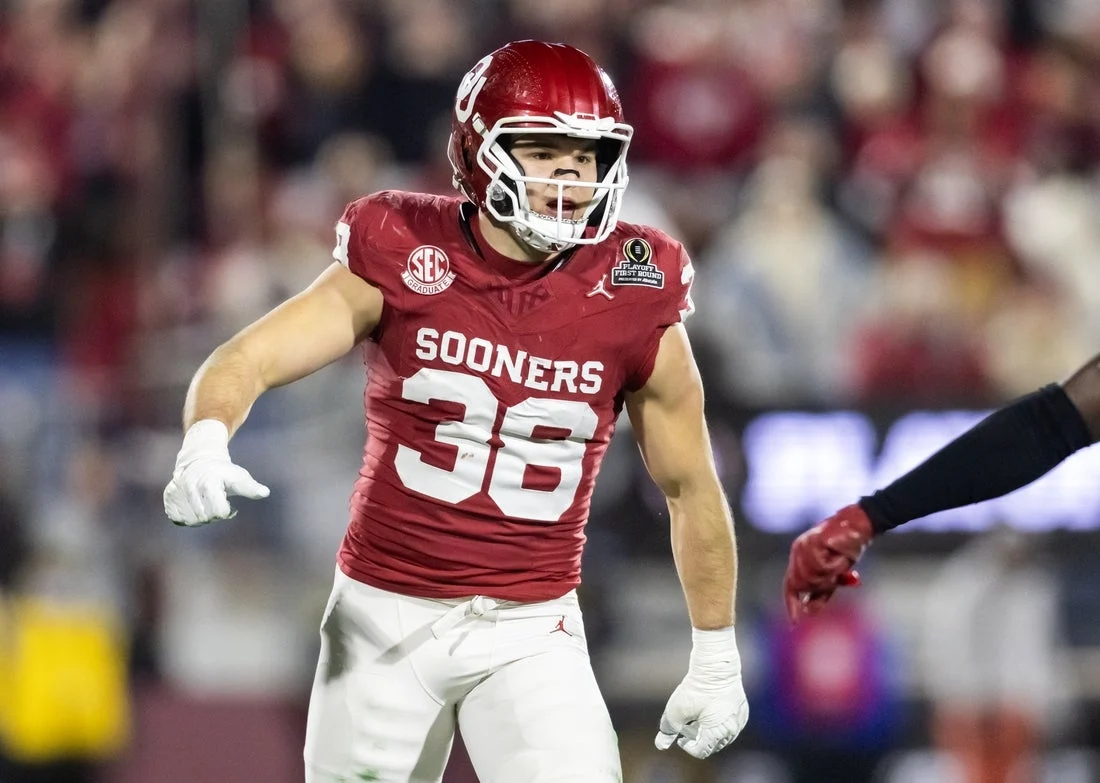
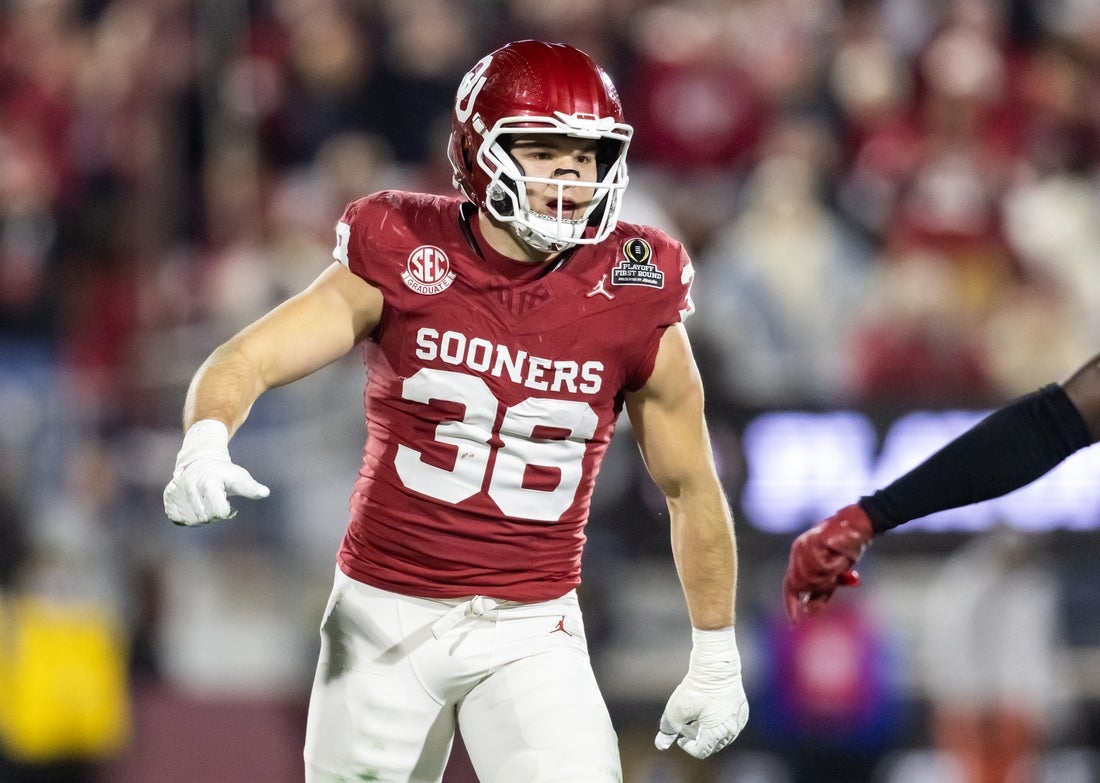
Oklahoma Sooners linebacker Owen Heinecke has initiated legal proceedings against the National Collegiate Athletic Association (NCAA), filing a lawsuit on Monday that seeks an injunction to secure an additional season of collegiate eligibility. The move comes after the NCAA denied Heinecke’s waiver request and subsequent appeal, a decision that has significant implications for his potential professional football future. The lawsuit aims to obtain a court order allowing him to play in the upcoming collegiate season, a crucial window for prospects preparing for the NFL Draft.
The Legal Challenge and Urgency
Heinecke’s legal team is pushing for an expedited process, requesting an injunction before the commencement of the NFL Draft on April 23. This timeline underscores the urgency of the situation, as a favorable ruling could significantly alter Heinecke’s draft prospects and overall career trajectory. The case has been scheduled for an emergency hearing on April 16 in Oklahoma’s Cleveland County Court, signaling the court’s recognition of the time-sensitive nature of the matter.
The stakes are high for Heinecke, who participated in the NFL Scouting Combine last month, a pivotal event for college players hoping to impress professional scouts. His ability to participate in the combine suggests he was on track for a potential professional career, but the NCAA’s ruling on his eligibility could cast a shadow over that prospect.
Background of the Eligibility Dispute
The core of the dispute lies in Heinecke’s athletic history prior to his impactful tenure with the Oklahoma Sooners football program. According to the NCAA’s determination, Heinecke is considered to have exhausted his collegiate eligibility due to playing in three lacrosse games for Ohio State in 2021. Following this, he transferred to the University of Oklahoma, where he initially joined the football program as a walk-on.
He redshirted during the 2022 season, a standard practice allowing players to develop without using a year of eligibility. He subsequently played in 39 games across the last three seasons, becoming an integral part of the Sooners’ defensive unit. While his statistical output in the earlier part of his Oklahoma career was modest—recording only 11 total tackles from 2023-24—Heinecke experienced a significant breakout season in his most recent campaign.
In the last season, Heinecke amassed 74 tackles, placing him second on the team in that category. His disruptive presence was further highlighted by 12 tackles for loss and three sacks. These impressive statistics earned him recognition on the All-SEC second team, a testament to his elevated performance and impact on the field.
Support from Oklahoma Athletics
The University of Oklahoma has publicly declared its full support for Heinecke’s legal challenge. Oklahoma Athletic Director Roger Denny issued a statement affirming the university’s commitment to assisting Heinecke in his quest for an additional year of eligibility. "OU fully supports Owen and his pursuit of a fair opportunity to continue playing the game he loves," Denny stated. "We’ll stand firmly beside him as he works to do just that."
This institutional backing is crucial, providing Heinecke with both moral and practical support as he navigates the complex legal and administrative landscape of collegiate athletics. The university’s stance emphasizes a belief in the fairness of Heinecke’s case and a commitment to advocating for its student-athletes.
Jim Nagy, the general manager for the Oklahoma football program, also expressed unwavering support. Earlier this month, Nagy remarked, "We’re not giving up. Owen is just a guy you want to fight for." This sentiment from a key figure within the athletic department underscores the positive regard Heinecke holds among his coaches and team personnel.
A Growing Trend of NCAA Eligibility Lawsuits
Heinecke’s lawsuit is not an isolated incident but rather part of an escalating trend of college football players challenging the NCAA’s eligibility rules through legal means. Several players across the nation have sought additional seasons of eligibility, often citing the impact of the COVID-19 pandemic and other extenuating circumstances that may have disrupted their collegiate careers. The NCAA has a history of enforcing strict eligibility guidelines, which can sometimes lead to protracted disputes.
The outcomes of these lawsuits have been varied, reflecting the complexities of collegiate athletic governance and the legal interpretations of eligibility regulations. In a notable recent case, Ole Miss quarterback Trinidad Chambliss was granted a preliminary injunction by a Mississippi state court, which will allow him to play in the 2026 season. This ruling represents a significant victory for players seeking extended eligibility.
Conversely, Tennessee quarterback Joey Aguilar had his request for an injunction denied, illustrating the inconsistent nature of judicial decisions in these matters. The NCAA has indicated its intention to appeal Chambliss’ case, suggesting a continued commitment to defending its established eligibility policies.
Adding to the growing number of legal challenges, Virginia quarterback Chandler Morris is also pursuing legal action against the NCAA, seeking a seventh year of eligibility. These ongoing cases highlight a broader debate about the fairness and flexibility of NCAA rules in accommodating the evolving landscape of college sports.
Analysis of Implications and Broader Context
The litigation involving Owen Heinecke and other student-athletes raises significant questions about the NCAA’s role as the governing body of collegiate athletics. The organization’s regulations, while designed to ensure fair competition and academic integrity, can sometimes be perceived as rigid and unresponsive to individual circumstances.
The COVID-19 pandemic, in particular, created unprecedented disruptions for student-athletes. Many had their seasons shortened or canceled, impacting their development and potential professional opportunities. The NCAA did implement a blanket eligibility waiver for the 2020 season, but subsequent eligibility questions have continued to arise, particularly for players who transferred or participated in multiple sports.
Heinecke’s situation, involving participation in another sport prior to his football career, presents a unique facet to the eligibility debate. The NCAA’s stance often hinges on the interpretation of rules regarding transfers, multi-sport participation, and the definition of a "competition year." For a player like Heinecke, who has demonstrated significant talent and impact on the field, being denied an opportunity to further his career due to a technicality can be particularly frustrating.
The legal battles also underscore the increasing financial and professional stakes involved in college sports. For elite athletes, a college career is often a stepping stone to lucrative professional opportunities. Any impediment to that progression, whether through eligibility rulings or other factors, can have substantial long-term consequences.
The involvement of state courts in these matters suggests a potential shift in how eligibility disputes are resolved. While the NCAA operates on a national level, its rules are subject to judicial review within individual states. The varying outcomes from different jurisdictions could lead to a complex and fragmented legal landscape for the NCAA to navigate.
Furthermore, the trend of lawsuits may prompt the NCAA to re-evaluate its eligibility policies and consider more adaptable approaches. The organization faces pressure to balance the need for standardized rules with the imperative to provide equitable opportunities for its athletes. The outcome of Heinecke’s case, and others like it, will likely contribute to this ongoing dialogue and potentially influence future NCAA regulations.
Timeline of Key Events
- 2021: Owen Heinecke participates in three lacrosse games for Ohio State University.
- Post-2021: Heinecke transfers to the University of Oklahoma, joining the football program as a walk-on.
- 2022: Heinecke redshirts his first season with the Oklahoma Sooners football team.
- 2023-2024 Seasons: Heinecke plays in 39 games for the Sooners, with a notable statistical breakout in his final season.
- Recent Past: Heinecke’s waiver request for an additional season of eligibility is denied by the NCAA.
- Recent Past: Heinecke’s appeal of the NCAA’s decision is also denied.
- Last Month: Heinecke participates in the NFL Scouting Combine.
- Monday: Owen Heinecke files a lawsuit against the NCAA in Oklahoma’s Cleveland County Court, seeking an injunction for an additional season of eligibility.
- April 16: An emergency hearing for Heinecke’s case is scheduled.
- April 23: The NFL Draft is scheduled to begin.
This chronological overview highlights the progression of events leading to the current legal challenge, emphasizing the compressed timeline for resolution due to the impending NFL Draft. The sequence of events illustrates the arduous process Heinecke has undergone, from his athletic pursuits to the legal avenues he is now pursuing to continue his football career. The case of Owen Heinecke is emblematic of the complex intersection of collegiate athletics, eligibility regulations, and legal recourse in contemporary sports.



 Yuyun Lusiyani
 Joko Widodo
 Eva Lovia
 Pevita Pearce
 admin
admin
 Lina Irawan