
 admin
admin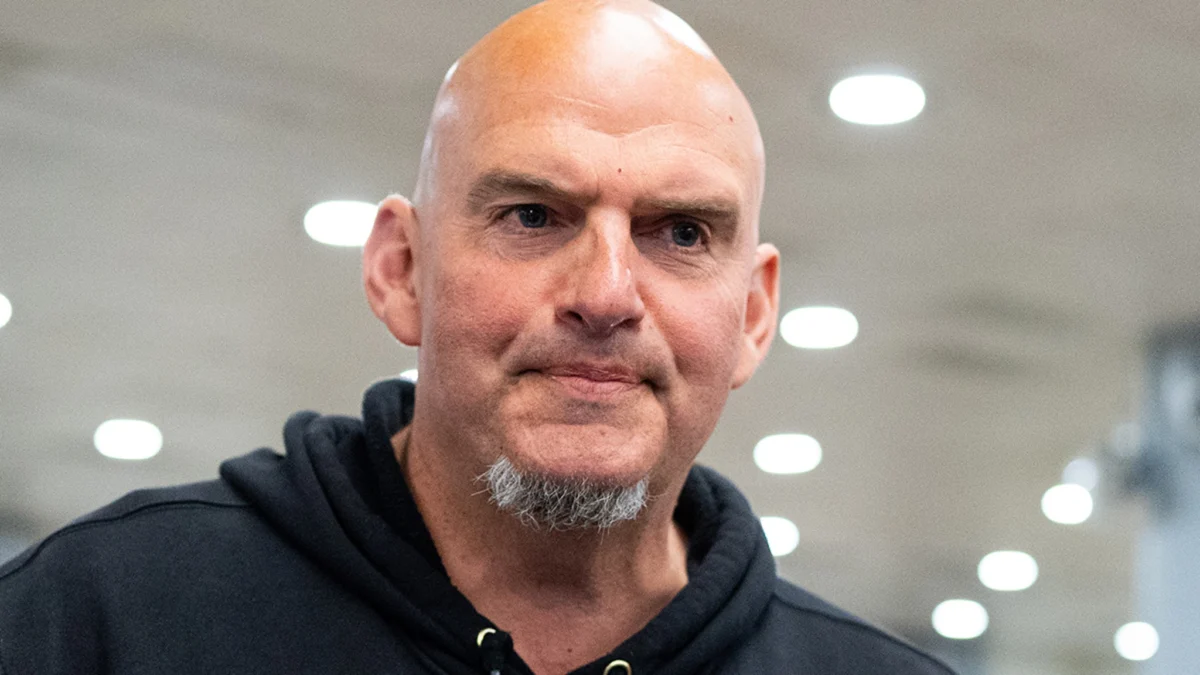
Pennsylvania Senator John Fetterman, a Democrat known for his unconventional political style and vocal support for law enforcement, is now facing intense scrutiny following a detailed report by The Wall Street Journal. The report, published on September 4, 2026, alleges that Fetterman expressed significant reluctance to attend a three-hour funeral for three police officers killed in the line of duty, citing the length of the service as a potential "nonstarter." This revelation, stemming from alleged internal communications with an aide, casts a shadow over the Senator’s public image and his relationship with the police community, an important constituency in his home state.
The Allegation: A Three-Hour "Nonstarter"
The core of the Wall Street Journal’s exposé centers on a specific incident involving a multi-officer funeral held near York, Pennsylvania, Fetterman’s hometown. According to messages purportedly exchanged between Senator Fetterman and a member of his staff, an aide informed the Senator that the memorial service, honoring three officers tragically killed while on duty, was projected to last approximately three hours – roughly an hour for each fallen officer. Fetterman’s alleged response, characterized by the Journal as "incredulous," was followed by the stark declaration, "This may be a nonstarter." This private sentiment stands in stark contrast to his public pronouncements, where he has consistently championed law enforcement, notably labeling calls to "defund the police" as "absurd."
The incident, while seemingly minor in isolation, has ignited a significant debate about the authenticity of political gestures versus private conduct. For many, a funeral for fallen officers is not merely an event but a solemn tribute, a show of solidarity, and a profound expression of respect for ultimate sacrifice. The duration of such services often reflects the gravity of the loss and the community’s collective grief. To allegedly balk at attending due to its length has provoked strong reactions from various quarters, particularly within law enforcement circles and among political commentators.
Fetterman’s Public Stance on Law Enforcement
Throughout his political career, from his tenure as Mayor of Braddock to Lieutenant Governor and his successful Senate campaign, John Fetterman has often positioned himself as a pragmatic progressive with a clear affinity for working-class issues and a nuanced approach to public safety. While he has been associated with the broader progressive movement, he has consistently distanced himself from its more radical elements, especially regarding policing. His unambiguous condemnation of the "defund the police" movement resonated with many Pennsylvanians, including a segment of more moderate voters and union members who might otherwise be wary of progressive politicians.
During the intensely contested 2022 Senate election against Dr. Mehmet Oz, Fetterman frequently reiterated his support for police officers, highlighting the dangers they face and the vital role they play in communities. This stance was a key differentiator, particularly as public safety became a prominent campaign issue. However, his opponent, Dr. Mehmet Oz, ultimately secured endorsements from numerous local and state police unions across Pennsylvania, indicating that while Fetterman’s rhetoric was supportive, Oz managed to garner stronger institutional backing from law enforcement organizations. This historical context underscores the potential political damage of the recent allegations, as they threaten to undermine the very credibility Fetterman sought to build with this critical demographic.
Broader Concerns: Work Ethic and Engagement
The Wall Street Journal’s comprehensive report delves beyond the funeral incident, presenting a broader picture of Senator Fetterman’s work habits and engagement in Washington. The article, which involved interviews with former staffers and an examination of official records, paints a concerning portrait of a senator who reportedly schedules very few meetings and frequently cancels those that are on his calendar.
Perhaps more critically, the report details Fetterman’s alleged minimal participation in crucial legislative processes. Former staffers informed the Journal that the Senator has often been observed "ducking his head into committee meetings" merely to be marked as "present," only to depart after a minute or so. Official records cited by the Journal indicate that Fetterman has officially attended 26 out of 31 committee hearings in the current year. However, a deeper analysis of transcripts reveals that he did not speak in 20 of those 26 attended hearings. This pattern of attendance without active participation raises questions about his effectiveness as a legislator and his commitment to the detailed work of policymaking.
These revelations, taken together with the alleged reluctance to attend the police funeral, contribute to a narrative of disengagement that could significantly impact public perception. In a highly polarized political environment, where every action of a public servant is scrutinized, questions about a senator’s work ethic can be particularly damaging, regardless of their political ideology.
The Gravity of Fallen Officer Funerals
To fully grasp the potential impact of Fetterman’s alleged comments, it is essential to understand the profound significance of funerals for police officers killed in the line of duty. These events are far more than private ceremonies; they are solemn public rituals that embody community grief, respect, and solidarity. When an officer falls, it is often seen as an attack on the fabric of public safety and a loss for the entire community they swore to protect.
Police funerals typically involve elaborate protocols, including honor guards, flag presentations, 21-gun salutes, and a procession that can stretch for miles. The presence of public officials, from local mayors to state and federal representatives, is not merely ceremonial; it is a powerful symbol of governmental recognition of the sacrifice made and a demonstration of support for the surviving officers and the bereaved families. These services, by their very nature, are often lengthy, designed to accommodate multiple eulogies, religious rites, and the participation of hundreds, if not thousands, of fellow officers, family members, and community residents. A three-hour service for three officers, while substantial, is not uncommon given the collective outpouring of grief and respect such tragedies command.
For an elected official, particularly one who has publicly championed law enforcement, attendance at such an event is often considered a fundamental duty and a non-negotiable expression of solidarity. The alleged reluctance, therefore, touches upon sensitive issues of respect, empathy, and the perceived sincerity of a politician’s public statements.
Political Ramifications and Future Outlook
The Wall Street Journal’s report has immediately triggered a cascade of political discussions and potential repercussions for Senator Fetterman. His unique political brand, built on an image of authenticity and an "everyman" appeal, relies heavily on public trust and the perception that he genuinely connects with the concerns of everyday Pennsylvanians, including first responders.
The allegations could alienate crucial voting blocs, particularly within the law enforcement community and among conservative-leaning Democrats or independent voters who prioritize public safety and respect for authority. Given that Dr. Oz, Fetterman’s previous opponent, had already secured strong police union endorsements, this new controversy could further solidify any existing skepticism about Fetterman’s commitment among these groups. For a senator representing a swing state like Pennsylvania, maintaining broad appeal is paramount for future electoral success.
Moreover, the broader concerns about his work habits and engagement in Washington could fuel narratives from political opponents about his effectiveness as a senator. While Fetterman has publicly discussed his recovery from a stroke and the challenges he faced, which garnered significant public sympathy, the WSJ report’s specific allegations about disengagement appear to extend beyond initial recovery periods, raising new questions.
As of the time of this report, attempts to reach Senator Fetterman’s office for comment on the Wall Street Journal’s findings have not yielded a response. The absence of an immediate official statement leaves a vacuum that political adversaries and critics are likely to fill with their own interpretations, potentially exacerbating the negative impact.
Broader Implications and Accountability
This situation highlights a recurring challenge in modern politics: the gap that can sometimes emerge between a politician’s carefully crafted public persona and their private actions or reported conduct. For Senator Fetterman, whose campaign was often characterized by a direct, unvarnished communication style, these allegations pose a particularly acute challenge to his perceived authenticity.
The incident also underscores the media’s role in holding public figures accountable. A reputable publication like The Wall Street Journal conducting a detailed investigation into a senator’s congressional record provides crucial transparency, allowing the public to assess their representatives’ performance and commitment.
The coming weeks will likely see increased pressure on Senator Fetterman to address the allegations directly and offer a comprehensive explanation for both the alleged funeral incident and the broader concerns about his work engagement. How he chooses to respond, or whether he chooses to respond at all, will be critical in shaping public perception and determining the long-term political implications of this unfolding controversy. The incident serves as a stark reminder that in the realm of public service, every action, and indeed every perceived inaction, can carry significant weight and consequence.

 Nila Kartika Wati
 Lina Irawan
 Yuyun Lusiyani
 Pevita Pearce
 Eva Lovia