
 Amara Maple
Last week, investigative journalist Carey Gillam brought to light a significant development in the ongoing saga surrounding glyphosate, the active ingredient in the widely used herbicide Roundup. In a story published on her Substack, titled "Top scientist booted from research institute, Concerns about chemical industry influence in ouster," Gillam reported the dismissal of Daniele Mandrioli, the chief scientist at the helm of a comprehensive, multi-pronged study into glyphosate’s safety. This study, conducted by the esteemed Ramazzini Institute Cesare Maltoni Cancer Research Center near Bologna, Italy, has been a beacon of independent research, conspicuously operating without financial backing from the chemical industry, relying instead on global crowdfunding. The allegations of industry pressure leading to Mandrioli’s ouster have ignited a firestorm of controversy, drawing sharp criticism from the scientific community and reigniting concerns over corporate influence in public health research.
The Ramazzini Institute Controversy: A Scientist’s Ouster and the Battle for Independence
The Ramazzini Institute, founded in 1971, has a long-standing reputation as a premier toxicology research center. It has meticulously studied over 200 substances through rigorous animal studies, with its findings frequently informing regulatory bodies in both Europe and the United States. Its commitment to independent research is underscored by its funding model for the "Global Glyphosate Study," which deliberately shunned chemical industry money, opting instead for a worldwide crowdfunding initiative. This unique funding structure was a conscious effort to ensure the study’s integrity and shield it from any perceived or actual industry bias.
Daniele Mandrioli, a veteran scientist with years of dedicated service to the Institute, served as the director of this ambitious Global Glyphosate Study. His leadership was critical as the study aimed to explore the effects of glyphosate herbicide exposures at "current real-world levels" across a spectrum of toxicological endpoints, extending beyond mere carcinogenicity to include endocrine and reproductive impacts. Mandrioli, known for his outspokenness on glyphosate’s potential effects, did not shy away from discussing the study’s preliminary findings. In the summer of last year, the Institute issued a report that, according to Gillam, "strengthened evidence that glyphosate herbicides, at doses that regulators consider safe, cause tumors in these animals and could be causing cancers in humans." Earlier findings had also indicated glyphosate’s potential for endocrine and reproductive disruption.
These findings and their public discussion were, predictably, met with fierce opposition from industry giants like Bayer (which acquired Monsanto, the original maker of Roundup) and other chemical companies. Dr. Philip Landrigan, head of the International Scientific Advisory Committee of the Ramazzini Institute, articulated this concern in a January 21 letter to Ramazzini Institute President Loretta Masotti, stating, "Dr. Mandrioli has been subjected to vicious attacks by the chemical industry because the findings of the Institute’s independent research have cost these companies money and hurt their bottom line." This sentiment reflects a widespread belief among Mandrioli’s supporters that his dismissal, effective at the end of January, was a direct consequence of industry pressure, rather than the Institute’s stated reasons.
The abrupt nature of Mandrioli’s termination further fueled suspicions. According to Gillam’s reporting, the Institute’s advisory board and other prominent academics associated with the research center were not consulted prior to the decision. This lack of consultation has provoked outrage, leading many to send letters in an attempt to reverse the decision, arguing that Mandrioli’s ouster profoundly threatens the institution’s independence and the integrity of its research. President Masotti’s assertions that the termination was unrelated to industry pressure have been met with skepticism by many within the scientific community, who point to a historical pattern of aggressive tactics employed by the chemical industry against scientists whose findings challenge their products.
Glyphosate: A History of Controversy and Scientific Scrutiny
The active ingredient in Roundup, glyphosate, has been a cornerstone of modern agriculture since its introduction by Monsanto in the 1970s. Its widespread adoption as a broad-spectrum herbicide, particularly in conjunction with genetically modified "Roundup Ready" crops, has made it one of the most heavily used pesticides globally. However, its ubiquity has also placed it under intense scrutiny, particularly concerning its potential health impacts.
A pivotal moment in the glyphosate debate occurred in March 2015 when the International Agency for Research on Cancer (IARC), the specialized cancer agency of the World Health Organization (WHO), classified glyphosate as "probably carcinogenic to humans" (Group 2A). This classification, based on "limited evidence of carcinogenicity in humans" for non-Hodgkin lymphoma and "sufficient evidence of carcinogenicity in experimental animals," triggered a global avalanche of legal and scientific challenges. While regulatory bodies like the U.S. Environmental Protection Agency (EPA) and the European Food Safety Authority (EFSA) have generally maintained that glyphosate is unlikely to pose a cancer risk to humans when used as directed, the IARC finding provided a critical scientific basis for the subsequent wave of litigation.
The Ramazzini Institute’s Global Glyphosate Study emerged precisely from this context of conflicting scientific assessments and heightened public concern. Recognizing the need for truly independent, long-term studies at "real-world" exposure levels, the Institute embarked on its ambitious project. Its findings, particularly those linking glyphosate to tumors and endocrine disruption at doses considered safe by regulators, directly challenged the industry’s narrative and official regulatory stances, inevitably making it a target for industry criticism.
The Avalanche of Litigation: Bayer, Monsanto, and Billions in Settlements
The IARC’s 2015 classification served as a catalyst for an unprecedented wave of litigation in the United States. Thousands of individuals diagnosed with non-Hodgkin lymphoma, who had extensive exposure to glyphosate-based herbicides like Roundup, began filing lawsuits against Monsanto, alleging that the company failed to warn them of the cancer risks.
In 2018, just as the very first Roundup cancer trial was commencing, German pharmaceutical and life sciences giant Bayer AG completed its acquisition of Monsanto for approximately $63 billion. This acquisition, intended to create an agricultural powerhouse, almost immediately entangled Bayer in the burgeoning glyphosate litigation. The scale of the lawsuits rapidly escalated, with close to 200,000 cases eventually filed across the United States.
Bayer has since faced immense financial pressure, paying out over $11 billion in settlements and jury verdicts to resolve a significant portion of these claims. High-profile jury verdicts have punctuated the litigation, demonstrating the compelling nature of the plaintiffs’ arguments in court. The first verdict in 2018 awarded $289 million to a school groundskeeper, Dewayne Johnson. This was followed by a staggering $2 billion verdict for a couple in California and an $80 million award for another plaintiff. While many cases have settled confidentially, Gillam notes that individual payouts have varied widely, from tens of thousands to a few million dollars, with many plaintiffs receiving modest sums after legal fees. Despite several wins for Bayer in later trials, the overall financial and reputational damage has been substantial. According to Bayer’s own estimates, approximately 50,000 to 60,000 cases remain unresolved.

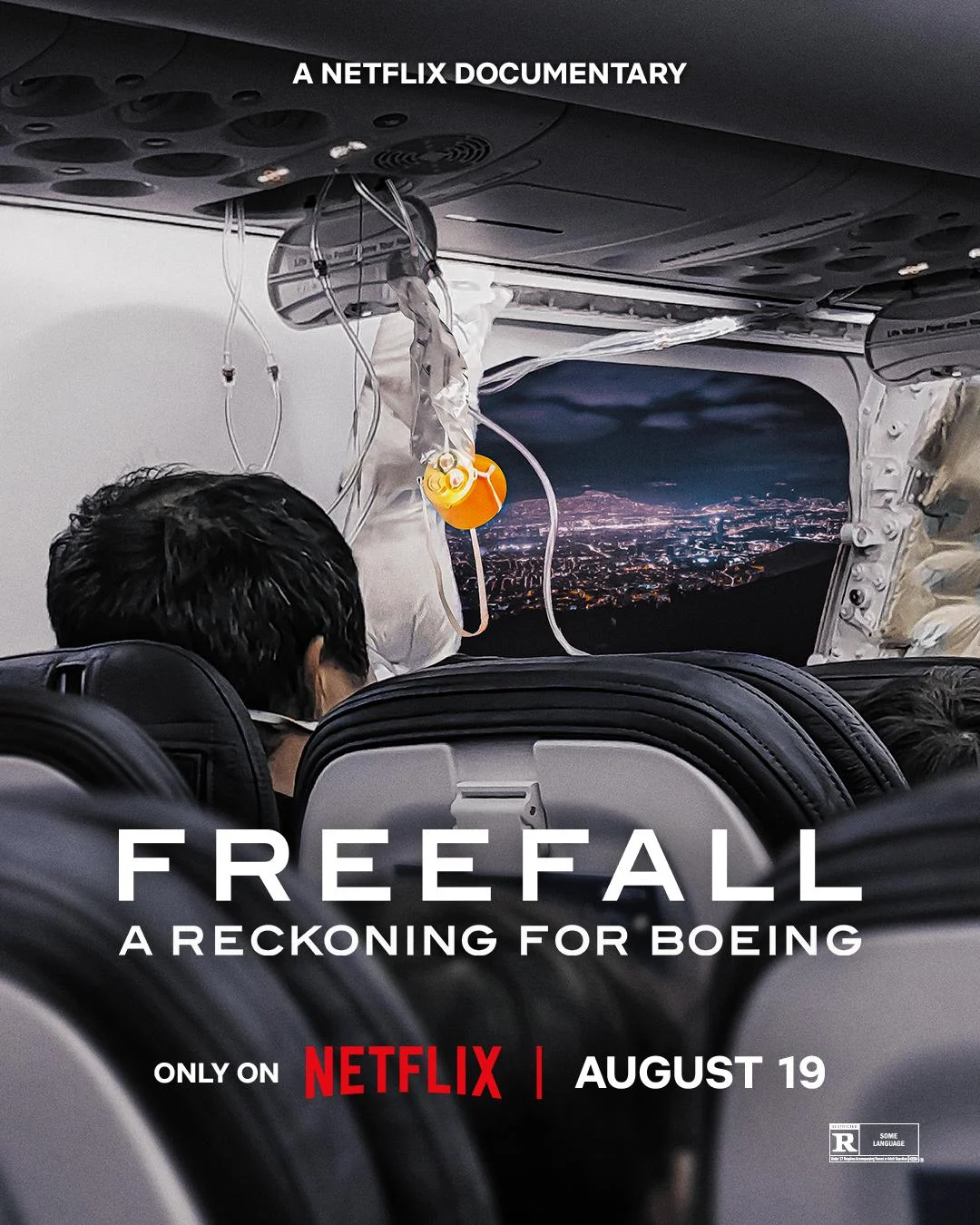
Leading plaintiff law firms in this complex litigation have included The Miller Firm in Virginia, with key figures like Robin Greenwald of Weitz & Luxenburg and Aimee Wagstaff of the Wagstaff law firm. Brent Wisner, a California attorney, notably joined the effort at the eleventh hour to try the very first Roundup case, quickly making a name for himself and becoming the subject of an upcoming Netflix movie about the litigation.
Bayer’s Legal and Legislative Counter-Strategies
In its ongoing effort to mitigate and ultimately end the glyphosate litigation, Bayer has pursued a multi-pronged strategy encompassing both judicial and legislative avenues. One of its most significant legal gambits involves an appeal to the U.S. Supreme Court. Bayer argues that state-based "failure to warn" claims, which form the linchpin of most Roundup lawsuits, should be pre-empted by federal law. The company contends that because the EPA, the chief federal regulator for pesticides, does not require a cancer warning on glyphosate labels, states should not be permitted to impose such requirements or allow lawsuits based on the absence of such warnings. This argument posits that federal regulatory approval should provide an "immunity shield" against state-level claims. The Supreme Court is expected to hear arguments on this critical question, with a decision anticipated by June. A favorable ruling for Bayer could drastically curtail future litigation and potentially invalidate many existing claims, offering the company a significant reprieve from its legal woes.
Beyond the courts, Bayer has actively engaged in legislative lobbying at both federal and state levels. The company, alongside a coalition of agricultural groups under the banner of the "Modern Ag Alliance," is pushing for the embedding of pre-emption provisions into federal and state laws. They argue that without such protections, the continued availability of glyphosate and other essential agricultural chemicals could be jeopardized due to the prohibitive costs of litigation. This lobbying effort has seen success in at least two states, with similar legislation being pursued elsewhere. Gillam highlights the strategic importance of the "failure to warn" claim: "The lawyers who I talk to say that the failure to warn is the linchpin of these lawsuits… if you cannot sue on failure to warn, you might not be successful." The industry portrays plaintiff attorneys as exploiting cancer sufferers with scientifically unsubstantiated claims, seeking legislative protection from what they term "predatory law firms." These efforts are expected to manifest in language within upcoming federal legislation, such as the Farm Bill.
Industry Pressure: A Chilling Effect on Independent Science
The alleged ouster of Daniele Mandrioli is not an isolated incident but rather fits into a disturbing pattern of what appears to be concerted industry pressure on scientists whose research challenges the safety of commercial products. Gillam recounts numerous instances of such tactics, particularly following the IARC’s 2015 classification of glyphosate.
"It’s very similar to what happened to the IARC scientists," Gillam noted. After their classification, IARC scientists were subjected to accusations of publishing "junk science," manipulating results, and intentionally misleading findings. The industry launched personal attacks, questioned their integrity and credibility, and even pursued subpoenas for personal emails. Efforts were made to pressure the World Health Organization to retract IARC’s findings, and a Congressional investigation, spearheaded by Republicans, was launched, attempting to strip IARC of its funding and tarnishing its reputation specifically due to its glyphosate work.
Independent scientists at other institutions, such as the University of Washington, have also reported similar attacks. This consistent pattern, while no longer surprising to seasoned observers like Gillam, continues to shock those new to the glyphosate debate. The implication of such tactics is a chilling effect on independent research, where scientists may self-censor or avoid controversial topics to protect their careers and institutions from powerful industry backlashes.
Activist Response and Regulatory Scrutiny
Amidst these legal and scientific battles, a grassroots movement known as "Make America Healthy Again" (MAHA) has emerged, advocating for stronger regulations on pesticides and environmental chemicals. MAHA activists have expressed significant frustration with the perceived inaction and industry deference of regulatory bodies, including the U.S. EPA under various administrations.
Their concerns intensified when an initial draft report from the Department of Health and Human Services, compiled under the leadership of Bobby Kennedy, then Secretary, named glyphosate and atrazine as potentially dangerous chemicals requiring more rigorous regulation. However, following extensive lobbying by agrichemical companies on Capitol Hill, the final report released in the fall of last year conspicuously omitted any mention of these pesticides. This perceived capitulation to industry influence further exacerbated MAHA’s frustration, leading them to launch a petition calling for the ouster of EPA chief Lee Zeldin, whom they accuse of prioritizing corporate interests over public health. While Zeldin has reportedly attempted to appease MAHA, activists argue that these efforts have not translated into substantial regulatory action to rein in the use of harmful pesticides.
Broader Implications: The Future of Science, Public Health, and Corporate Accountability
The unfolding events surrounding Daniele Mandrioli’s dismissal at the Ramazzini Institute, coupled with the ongoing glyphosate litigation and legislative maneuvers, carry profound implications for the future of independent scientific research, public health, and corporate accountability.
Firstly, the alleged industry interference in scientific institutions poses a direct threat to the integrity and objectivity of research critical for public health. If scientists can be ousted for producing findings that are financially inconvenient for powerful corporations, it creates an environment where fear and self-censorship could stifle vital investigations into the safety of widely used products. This undermines the very foundation of evidence-based policymaking and public trust in scientific institutions.
Secondly, the outcome of Bayer’s Supreme Court appeal on federal pre-emption could fundamentally reshape product liability law in the United States. A ruling in Bayer’s favor would significantly weaken the ability of individuals to sue corporations for "failure to warn" about product risks, potentially granting an "immunity shield" to industries regulated by federal agencies. This could shift the burden of proof and protection further away from consumers and towards federal regulators, whose independence and effectiveness are themselves often subjects of debate.
Finally, the entire glyphosate saga serves as a potent case study in the complex interplay between science, commerce, law, and public health. It highlights the immense power of multinational corporations to defend their products, not only through scientific counter-arguments but also through aggressive legal strategies, extensive lobbying, and direct pressure on research institutions and regulatory bodies. The continued struggle by activists and independent scientists underscores the ongoing need for vigilance and robust mechanisms to protect scientific independence and ensure corporate accountability for public health outcomes. The fate of Daniele Mandrioli and the Ramazzini Institute’s Global Glyphosate Study will undoubtedly serve as a critical barometer for these enduring challenges.


 Yuyun Lusiyani
 Joko Widodo
 Eva Lovia
 Pevita Pearce
 admin
admin
 Lina Irawan