
 Nila Kartika Wati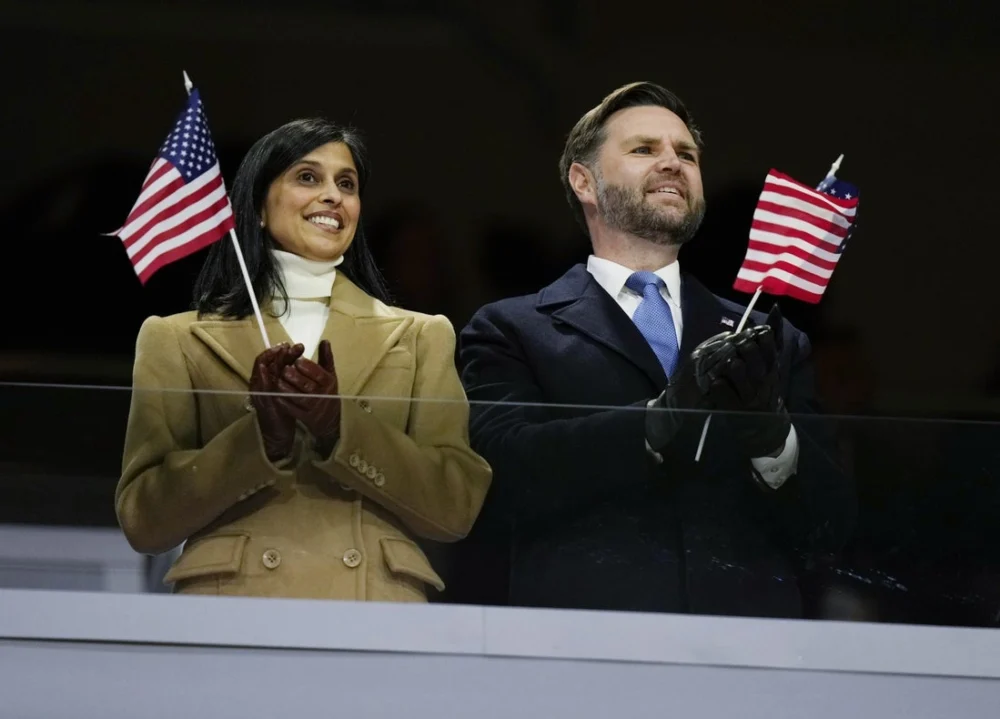
The World Anti-Doping Agency (WADA) has vehemently refuted a widely published report suggesting it was considering punitive measures, including the potential ban of U.S. government officials such as President Donald Trump and Vice President JD Vance from major international sporting events like the 2026 FIFA World Cup and the 2028 Summer Olympics. The agency issued a strong denial on Friday, clarifying its position amidst an ongoing dispute over the United States’ delayed payment of annual dues.
Background of the Dues Dispute
The controversy stems from a report by the Associated Press (AP) on Friday, which indicated that WADA was exploring actions against member nations delinquent in their financial contributions. The report specifically highlighted the United States, which has reportedly withheld its annual dues since at least 2024. This decision by the U.S. government is rooted in a disagreement concerning WADA’s perceived effectiveness in upholding the integrity of athletic competition by combating doping.
According to the initial AP report, WADA’s Foundation Board was scheduled to discuss the issue of non-payment of dues at a meeting on Tuesday. The report suggested that potential repercussions could include barring government representatives from participating in or attending major global sporting spectacles.
WADA’s Official Rebuttal and Clarifications
In its official statement released on its website late Friday, WADA addressed the report directly. While not entirely dismissing the possibility of future rule implementations regarding funding, the agency emphatically stated that any such measures would not be applied retroactively. This means that upcoming events like the FIFA World Cup, and the Los Angeles and Salt Lake City Olympic Games scheduled for 2034, would not be affected by any new rules enacted regarding dues payment.
WADA further clarified that any decision to implement such rules would ultimately rest with its Foundation Board. However, this governing body is not slated to convene until November, indicating a significant timeline before any concrete policy changes could be considered or enacted.
A Long-Standing Issue Across Administrations
The dispute over WADA funding and its implications is not a recent development confined to the current administration. The issue first surfaced during the tenure of former U.S. President Joe Biden and has persisted under the Trump administration. Notably, officials from both Democratic and Republican parties in the United States have expressed reservations about WADA’s operations and have, in turn, supported the withholding of dues.
A significant catalyst for the U.S. stance has been WADA’s handling of a doping scandal involving 23 swimmers from China. These athletes reportedly tested positive for a banned substance in 2021, yet were ultimately permitted to compete in the Tokyo Summer Olympics that same year. This outcome fueled U.S. dissatisfaction with WADA’s enforcement mechanisms and its commitment to a level playing field for all athletes.
WADA’s statement sought to contextualize the discussions, emphasizing that the deliberations regarding governments unilaterally withholding funding have been ongoing since early 2020. The agency stressed that these discussions are not specifically targeted at the United States. Furthermore, WADA highlighted that a working group, comprising representatives from governments, the broader sports movement, and WADA itself, was established in 2022. Crucially, this was during a period when the United States was still fulfilling its annual financial obligations to the agency.
Financial Stakes and U.S. Contribution
The financial implications of the United States’ non-payment are substantial. The AP report indicated that the U.S. owes WADA upwards of $7 million for the past two years alone. This significant sum underscores the financial leverage WADA holds and the potential impact of continued non-compliance.
Vice President Vance’s Recent Engagement
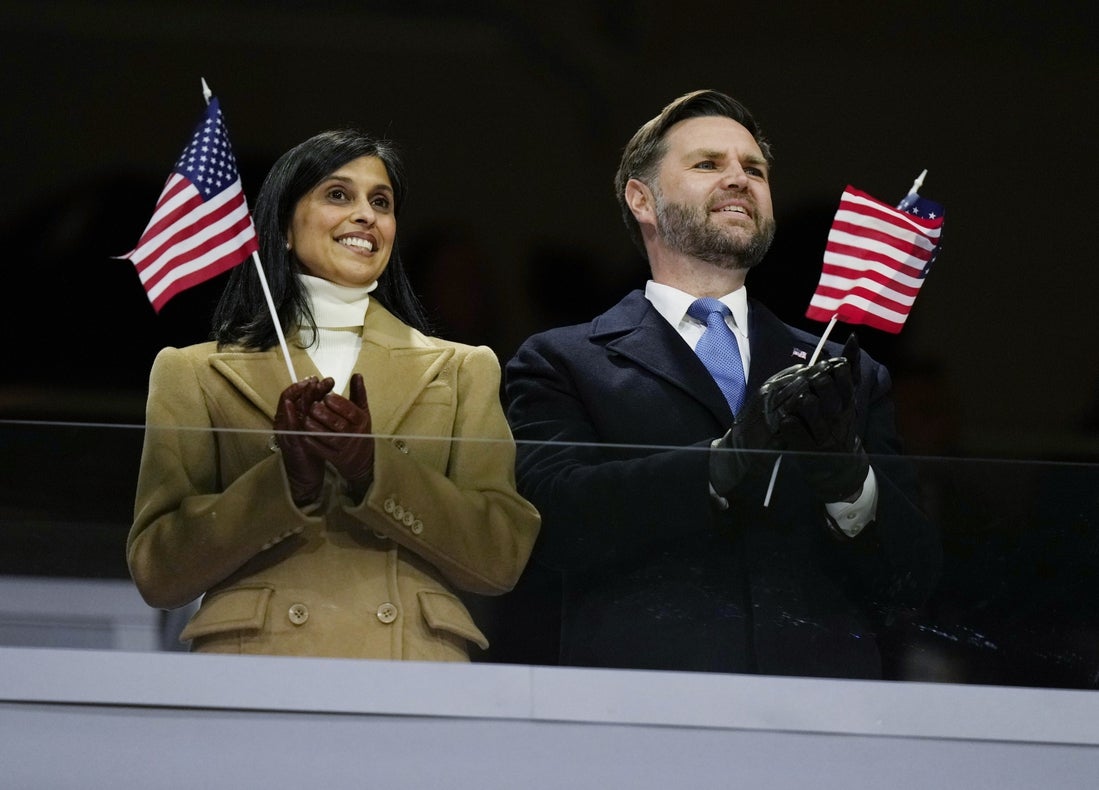
The report concerning potential bans comes at a time when U.S. government officials are actively participating in international sporting events. Vice President JD Vance and his wife, Usha Vance, recently led the United States delegation at the Opening Ceremony of the 2026 Milano Cortina Olympic Winter Games. Their presence, alongside other U.S. government representatives, underscores the nation’s commitment to athletic participation and support for its athletes on the global stage. During the Opening Ceremony at the Milano San Siro Olympic Stadium on February 6, 2026, the Vances were seen waving American flags, symbolizing national pride and engagement with the Olympic movement. Their attendance at various competitions aimed to offer encouragement and support to American athletes competing in the winter sports.
Broader Implications for International Sports Governance
The dispute between the U.S. and WADA raises broader questions about the governance of international sports and the financial sustainability of anti-doping efforts. WADA plays a critical role in safeguarding the integrity of sports by setting standards for anti-doping programs worldwide and ensuring fair competition. However, the agency’s effectiveness is intrinsically linked to the financial and political support of its member nations.
The U.S. stance, while rooted in concerns about WADA’s efficacy, highlights a potential fragmentation within the global anti-doping framework. If major sporting nations begin to unilaterally withhold dues based on their own assessments of an organization’s performance, it could set a precedent that undermines the collective efforts to combat doping.
Conversely, WADA’s reliance on mandatory dues can be seen as a mechanism to ensure universal commitment to its mission. However, the agency also faces the challenge of demonstrating its value and transparency to member states, particularly when controversies arise, as seen with the Chinese swimmers’ case.
A Path Forward: Dialogue and Reform
The resolution of this dispute will likely require ongoing dialogue and potentially structural reforms within WADA. For the U.S. to resume its financial contributions, there would need to be clear assurances regarding WADA’s accountability, responsiveness, and effectiveness in achieving its anti-doping objectives. For WADA, maintaining the trust and financial commitment of its member nations is paramount to its continued operation and its ability to fulfill its mandate.
The denial from WADA, while immediate, does not entirely close the door on future policy considerations. The agency’s acknowledgement that rules could be implemented in the future suggests a potential willingness to address funding issues through formal channels. However, the assertion that current and near-future events will not be affected provides a measure of stability for the upcoming sporting calendar. The coming months will be crucial in determining whether the U.S. and WADA can find common ground, ensuring a united front in the ongoing battle against doping in sports. The stakes are high, not only for the integrity of athletic competition but also for the diplomatic relationships that underpin international sports governance.




 Yuyun Lusiyani
 Joko Widodo
 Eva Lovia
 Pevita Pearce
 admin
admin
 Lina Irawan