
 Ana Megawati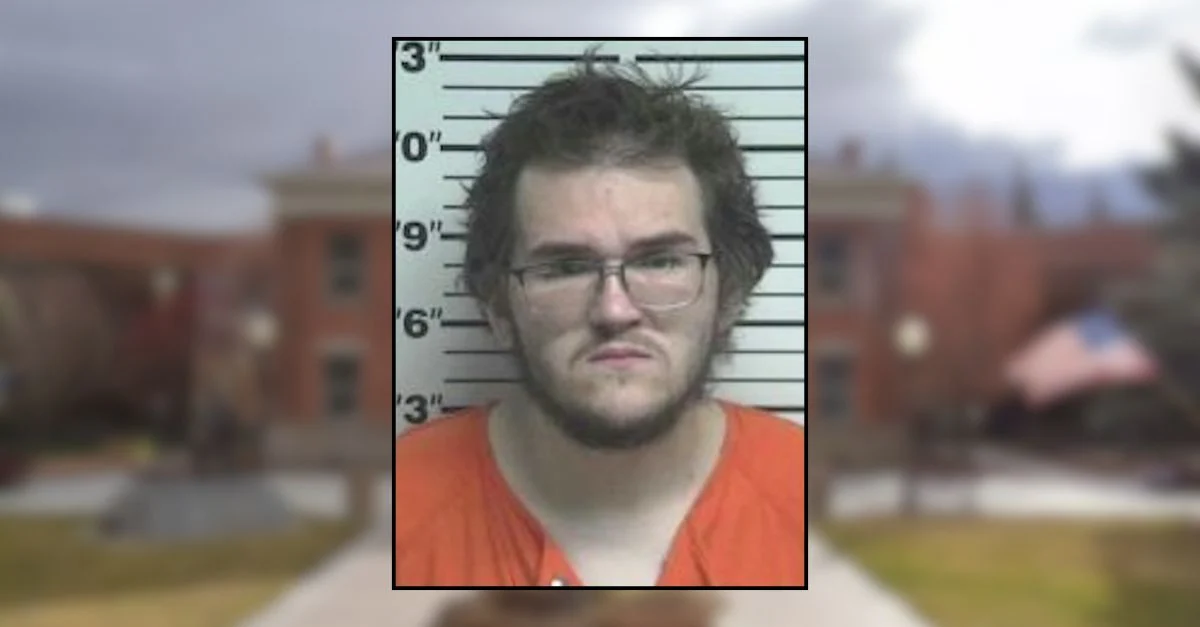
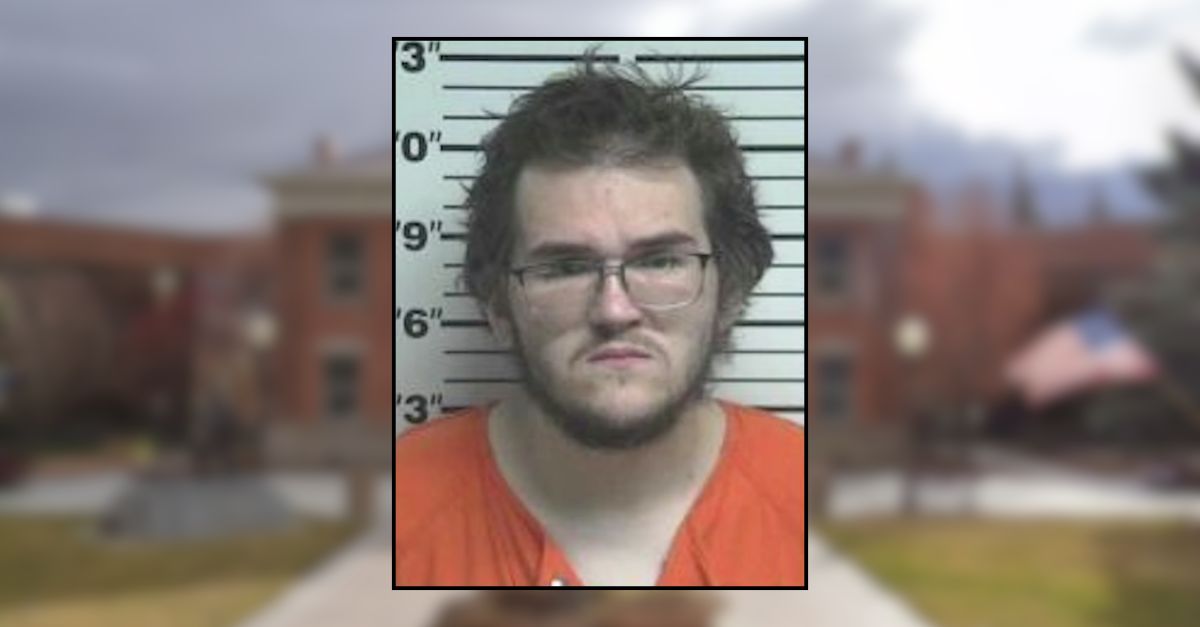
EVANSTON, Wyo. – A 23-year-old Wyoming man, Ethan Grasse, is preparing to face trial for second-degree murder in the fatal shooting of his 49-year-old father, Michael Grasse, an incident the younger Grasse maintains was an act of self-defense. Despite a recent attempt to have the case dismissed on these grounds, a Uinta County District Court judge denied the motion, though affirming that self-defense remains a viable argument for the jury to consider during the impending trial. The complex case, unfolding in Evanston, Wyoming, highlights the critical legal nuances of self-defense claims, especially within volatile domestic environments exacerbated by alcohol abuse.
The Tragic Chronology: A Domestic Dispute Escalates
The events leading to Michael Grasse’s death in November 2025 paint a grim picture of escalating domestic tension and a son’s desperate attempts to mitigate a father’s aggressive behavior. According to court documents and reporting by Cowboy State Daily, the conflict reached its tragic climax following a day marked by heavy drinking and threats.
November 21, 2025: A Day of Escalation
The narrative begins on the evening of November 21, 2025. Michael Grasse was reportedly consuming alcohol heavily, a pattern that, according to his son, often preceded violent outbursts and threats. That evening, Michael expressed a desire to get food, and Ethan, despite his father’s intoxication, drove him to a local restaurant for pickup. Upon their return, Ethan Grasse made a conscious decision to park his vehicle behind his father’s car, an attempt to prevent Michael from driving while impaired and potentially causing harm to himself or others. This act, while seemingly precautionary, inadvertently became a flashpoint for further confrontation.
Later that evening, Michael Grasse discovered his car was blocked. In a fit of frustration, he began to move trash cans in an apparent effort to maneuver his car around his son’s. Ethan, hearing the commotion and recognizing his father’s intent, emerged from the house. He confronted Michael, warning that he would contact law enforcement if his father attempted to drive in his inebriated state. This confrontation quickly devolved into a physical altercation, with Michael Grasse allegedly attacking his son. The struggle was reportedly quelled only by the intervention of Michael Grasse’s mother, who was also present in the home.
Following the physical altercation, Ethan Grasse sought refuge. He left the family residence, seeking temporary shelter at a friend’s house and attempting to find an alternative place to stay for the night. Unable to secure suitable overnight accommodation, he made a pivotal stop at a local Walmart, purchasing a locking doorknob for his bedroom door. His intent was clear: to create a physical barrier against his father’s unpredictable behavior.
Upon returning home, Ethan found Michael Grasse passed out on the couch, still heavily intoxicated. Seizing the opportunity to de-escalate the immediate threat and prevent further impairment, Ethan reportedly took his father’s keys and phone, then emptied several bottles of whiskey. He proceeded to install the new locking doorknob on his bedroom, reinforcing his personal sanctuary, before retiring for the night.
November 22, 2025: The Fatal Confrontation
The fragile peace was short-lived. Around 10:00 p.m., Michael Grasse awoke and began violently banging on Ethan’s newly secured bedroom door. His threats escalated, including explicit declarations to break down the door and physically harm his son. Ethan reportedly attempted to de-escalate the situation, promising to return the keys and phone once his father sobered up. Despite this, Michael continued his verbal assaults before retreating to his own room to exercise, according to court documents.
The fear and anxiety experienced by Ethan Grasse during this period are underscored by a text message he sent to his grandmother at 10:44 p.m. from his bedroom. The message, fraught with apprehension, stated: "He just woke up i can hear him threatening me throught [sic] the wall not to make you more sad but if he tries to break into my room i will defend myself love you yaya have a good night." This text message is expected to be a crucial piece of evidence for the defense, illustrating Ethan’s perceived imminent threat and his state of mind hours before the shooting.
The final, fatal confrontation occurred hours later, around 3:30 a.m. on November 22, 2025. Ethan Grasse was awakened by renewed and forceful banging on his bedroom door. Without his glasses, impairing his vision, he retrieved a .22-caliber handgun he kept in his room. As the door began to yield under his father’s assault, Ethan allegedly fired at least three shots through the door. Upon hearing a moan from the other side, he put on his glasses, realized the gravity of the situation, and immediately called 911.
Michael Grasse was transported to a hospital but was pronounced dead at 4:22 a.m. Ethan Grasse later stated in court documents that, due to his poor vision without glasses, he "did not mean to kill any one just defend myself from an unknown intruder." This statement forms the core of his self-defense claim, emphasizing his subjective belief of an imminent threat from an unidentified aggressor rather than a deliberate act of patricide.
The Legal Landscape: Self-Defense in Wyoming
Ethan Grasse’s defense hinges on Wyoming’s self-defense statutes, which, like many states, allow for the use of deadly force when an individual reasonably believes they are in imminent danger of death or serious bodily harm. Wyoming operates under a "Stand Your Ground" principle, meaning there is no duty to retreat from a place where one has a lawful right to be (such as one’s home) before using deadly force in self-defense. However, the use of force must be objectively and subjectively reasonable given the perceived threat.
Key elements the defense will likely emphasize include:
- Reasonable Belief of Imminent Danger: The history of threats, the physical assault on November 21, the continued banging and threats on November 22, and the actual breaking down of the bedroom door.
- Necessity of Force: The argument that the force used (firing a handgun) was necessary to prevent death or serious bodily injury, particularly given the perceived intruder status due to impaired vision.
- Absence of Duty to Retreat: Ethan was in his own bedroom, a place where he had every right to be.
Conversely, the prosecution will likely challenge the "reasonableness" of Ethan’s actions. They may argue:
- Excessive Force: Whether firing multiple shots through a closed door, even if being broken down, constituted an appropriate level of force given the circumstances.
- Opportunity for De-escalation/Alternative Actions: While Wyoming has no duty to retreat, the prosecution might argue whether other non-lethal means were available or if Ethan’s actions (taking keys, emptying whiskey) contributed to the escalation rather than de-escalation, or if he could have called 911 earlier.
- Intent vs. Accident: The prosecution will seek to establish the element of "malice" or "reckless disregard for human life" necessary for second-degree murder, challenging Ethan’s claim of not intending to kill but merely to defend against an "unknown intruder." The emptying of the whiskey bottles could be interpreted as an act of control or provocation rather than de-escalation, potentially affecting the "reasonableness" of the subsequent self-defense claim in the eyes of the prosecution.
The Judge’s Ruling and Its Implications
During the recent hearing in Uinta County District Court, Ethan Grasse’s public defender presented the detailed self-defense case, seeking a dismissal of the second-degree murder charge. Judge James Kaste, after reviewing the evidence and arguments, was not convinced that the case should be dismissed outright based on self-defense alone.
Judge Kaste’s decision is crucial. By denying the motion to dismiss, he indicated that there is sufficient evidence for a jury to reasonably conclude that Ethan Grasse’s actions may not have met the legal requirements for self-defense, or at least that the matter warrants a full trial. This does not preclude the self-defense argument; rather, it shifts the burden to the defense to prove to a jury, by a preponderance of the evidence, that Ethan’s actions were justified. The jury will ultimately be tasked with weighing all the facts, including the history of the relationship, the father’s aggressive behavior, Ethan’s attempts to protect himself, and the circumstances of the shooting, to determine if Ethan Grasse acted in reasonable self-defense.
Second-Degree Murder in Wyoming
In Wyoming, second-degree murder is generally defined as causing the death of another human being with malice aforethought, but without premeditation. This could include situations where an individual acts with a reckless disregard for human life, or with an intent to cause serious bodily injury that results in death. The penalty for second-degree murder in Wyoming can range from 20 years to life imprisonment. The prosecution will need to prove beyond a reasonable doubt that Ethan Grasse acted with the requisite mental state (malice) and that his actions were not justified under self-defense laws.
Broader Societal Context and Implications
This case underscores the tragic consequences that can arise from domestic disputes, particularly when alcohol abuse is a contributing factor. Studies consistently show a strong correlation between alcohol consumption and violent behavior, especially within family settings. The Uinta County Sheriff’s Office and local law enforcement frequently respond to calls involving domestic disturbances, and the escalation to a fatal outcome, while not common, highlights the inherent dangers in such situations.
The trial will also serve as a public examination of the complexities of self-defense claims in highly personal and emotionally charged circumstances. It will force the jury to grapple with questions of intent, perception, and the boundaries of justifiable force when the aggressor is a family member and the confrontation occurs within the sanctity of one’s home.
The Path Forward: Awaiting Trial
Ethan Grasse remains in custody at the Uinta County Jail, awaiting his trial. The proceedings are scheduled to commence on May 12. This date marks the beginning of a potentially lengthy and emotionally charged legal battle, where a jury will ultimately decide the fate of a son who claims he was merely trying to survive a violent encounter with his father. The outcome will not only determine Ethan Grasse’s future but will also offer a stark reminder of the devastating toll that unchecked domestic conflict and substance abuse can exact on families and communities. The community of Evanston and beyond will be watching closely as the intricate details of this tragic family saga unfold in the courtroom.



 Yuyun Lusiyani
 Joko Widodo
 Jia Lissa
 Pevita Pearce
 admin
admin
