
 Lina Irawan
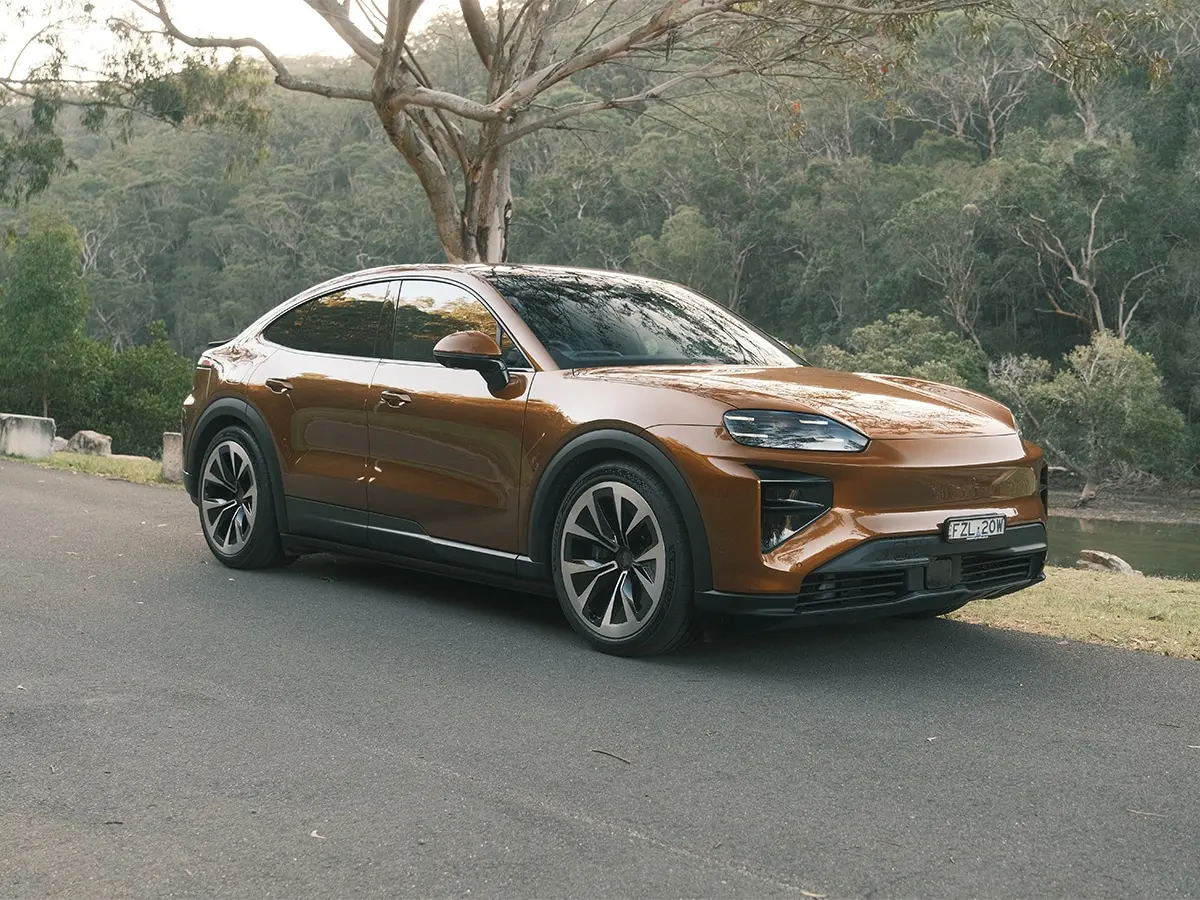
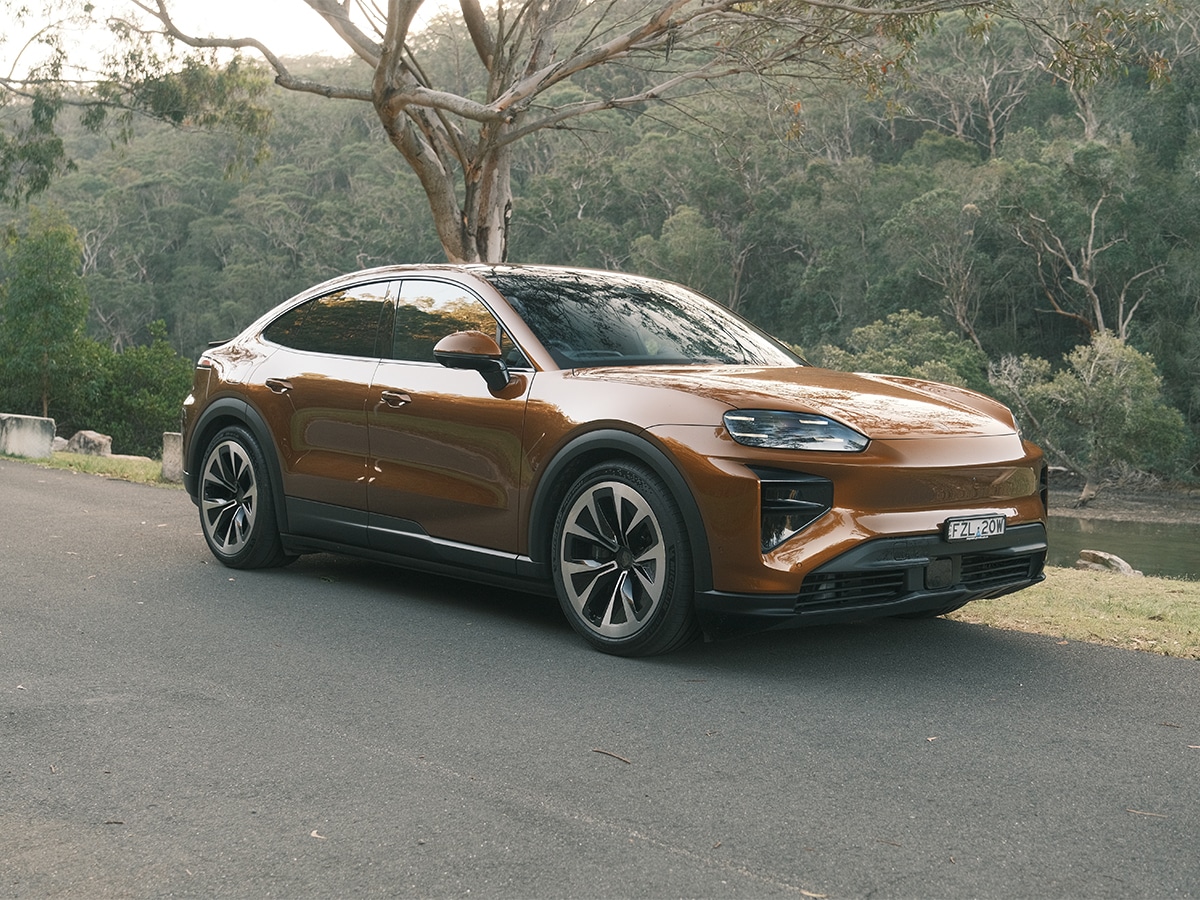
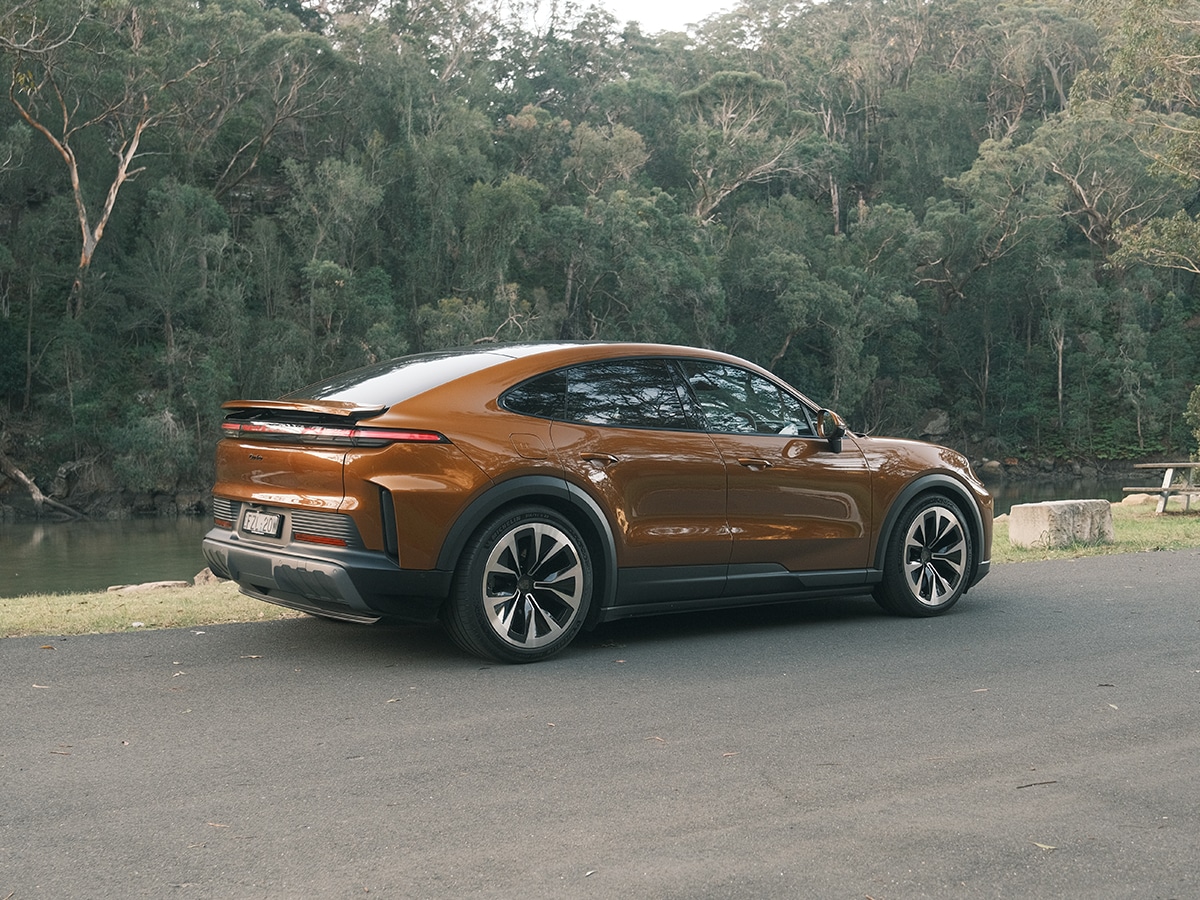
The arrival of the 2026 Porsche Cayenne Turbo Coupé Electric marks a definitive shift in the strategy of the Zuffenhausen-based manufacturer, signaling the full-scale electrification of its most successful and profitable model line. Following the release of the electric Macan, which some critics viewed as a transitionary step constrained by emissions regulations, the Cayenne Turbo Coupé Electric is positioned as a flagship statement of intent. It represents the culmination of Porsche’s "E-Performance" philosophy, aiming to prove that the mechanical soul of the brand can be preserved, and even enhanced, through a high-voltage architecture. With a peak output of 1,156 horsepower and a chassis that utilizes advanced computational hydraulics to negate its 2.6-tonne mass, this vehicle is designed to set a new standard for the global luxury SUV segment.
The Evolution of the Cayenne: From Savior to Electric Flagship
To understand the significance of the 2026 Cayenne Turbo Coupé Electric, one must look at the historical context of the model. When the original Cayenne was launched in 2002, it was met with skepticism by Porsche purists but ultimately became the financial engine that allowed the company to continue developing its legendary sports cars. Over two decades, the Cayenne evolved from a rugged off-roader to a performance powerhouse, culminating in the Nürburgring-conquering Turbo GT.
The transition to a fully electric powertrain for the fourth generation of the Cayenne is perhaps the most significant milestone since its inception. Utilizing the Premium Platform Electric (PPE) architecture—co-developed with Audi—the 2026 model is not merely a conversion of an internal combustion engine (ICE) platform but a purpose-built EV. This move is a response to shifting global market demands and tightening environmental standards, yet Porsche’s engineering team was tasked with ensuring that the vehicle remained the "911 of SUVs."

Powertrain and Performance: Beyond Hypercar Territory
The technical core of the Cayenne Turbo Coupé Electric is a dual-motor, all-wheel-drive system that pushes the boundaries of current production EV technology. Both the front and rear axles are equipped with high-output Permanent Magnet Synchronous Motors (PMSM). Under standard operation, the system produces a formidable 857 HP (630 kW). However, when the driver engages Launch Control via the steering-wheel-mounted mode switch, the system enters an "overboost" state, unleashing a staggering 1,156 HP (850 kW) and 1,500 Nm of torque.
This power translates into acceleration figures that were previously reserved for multi-million-dollar hypercars. Porsche officially claims a 0-100 km/h sprint time of 2.5 seconds, though early independent testing suggests that in optimal conditions, the vehicle can achieve this in as little as 2.2 seconds. The acceleration remains relentless well past highway speeds, with the 0-200 km/h benchmark reached in just 7.4 seconds. The vehicle’s top speed is electronically governed at 260 km/h, a figure that ensures the Cayenne remains competitive on the German Autobahn.
The delivery of this power is managed by Porsche Traction Management (PTM), an electronically controlled system that can distribute torque between the axles and individual wheels with a level of precision and speed that mechanical differentials cannot match. This allows for a "torque vectoring" effect that significantly improves corner-exit traction and high-speed stability.
Energy Management and 800-Volt Charging Infrastructure
Powering the dual-motor setup is a 113.2 kWh gross (100 kWh net) lithium-ion battery pack integrated low into the chassis floor. This placement provides a low center of gravity, which is essential for a vehicle of this height and weight. On the Worldwide Harmonized Light Vehicles Test Procedure (WLTP) cycle, the Cayenne Turbo Coupé Electric offers a claimed range of up to 637 km. In real-world Australian conditions, which often involve coarse-chip roads and higher cruising speeds, testing indicates a practical range of between 410 km and 450 km.
The vehicle’s 800-volt charging architecture remains a standout feature in the industry. When connected to a 350 kW DC ultra-fast charger, the Cayenne can replenish its battery from 10% to 80% in approximately 16 minutes. For home or destination charging, the standard 11 kW AC onboard charger allows for a full charge in roughly 11 hours.
A notable innovation for the 2026 model year is the introduction of optional inductive wireless charging. By utilizing a magnetic coil floor pad, the vehicle can charge at 11 kW without the need for physical cables. This technology, while still in its early adoption phase, represents a significant leap forward in user convenience for luxury EV owners.
Porsche Active Ride: Defying the Laws of Physics
While the raw power of the Cayenne is impressive, the most significant engineering achievement is arguably the Porsche Active Ride suspension system. Traditional performance vehicles rely on mechanical anti-roll bars to manage body lean; however, the Cayenne Turbo Coupé Electric replaces these entirely with four active electro-hydraulic motor-pump units.
These units are connected directly to the dampers and can adjust hydraulic pressure at each wheel individually within milliseconds. The system is so proactive that it can virtually eliminate nose-dive during heavy braking and rear-end squat during hard acceleration. Furthermore, in certain driving modes, the car can actively lean into corners—similar to a motorcycle—to keep the tire contact patches perfectly flat against the road surface. This technology effectively masks the vehicle’s 2,645 kg curb weight, providing the agility of a much smaller, lighter sports car.
Complementing the suspension is an optional rear-axle steering system. At low speeds, the rear wheels turn up to 2.8 degrees in the opposite direction of the front wheels, reducing the turning circle and improving maneuverability in urban environments. At high speeds, the wheels turn in the same direction, enhancing stability during rapid lane changes or high-speed cornering.
Interior Craftsmanship and Digital Integration
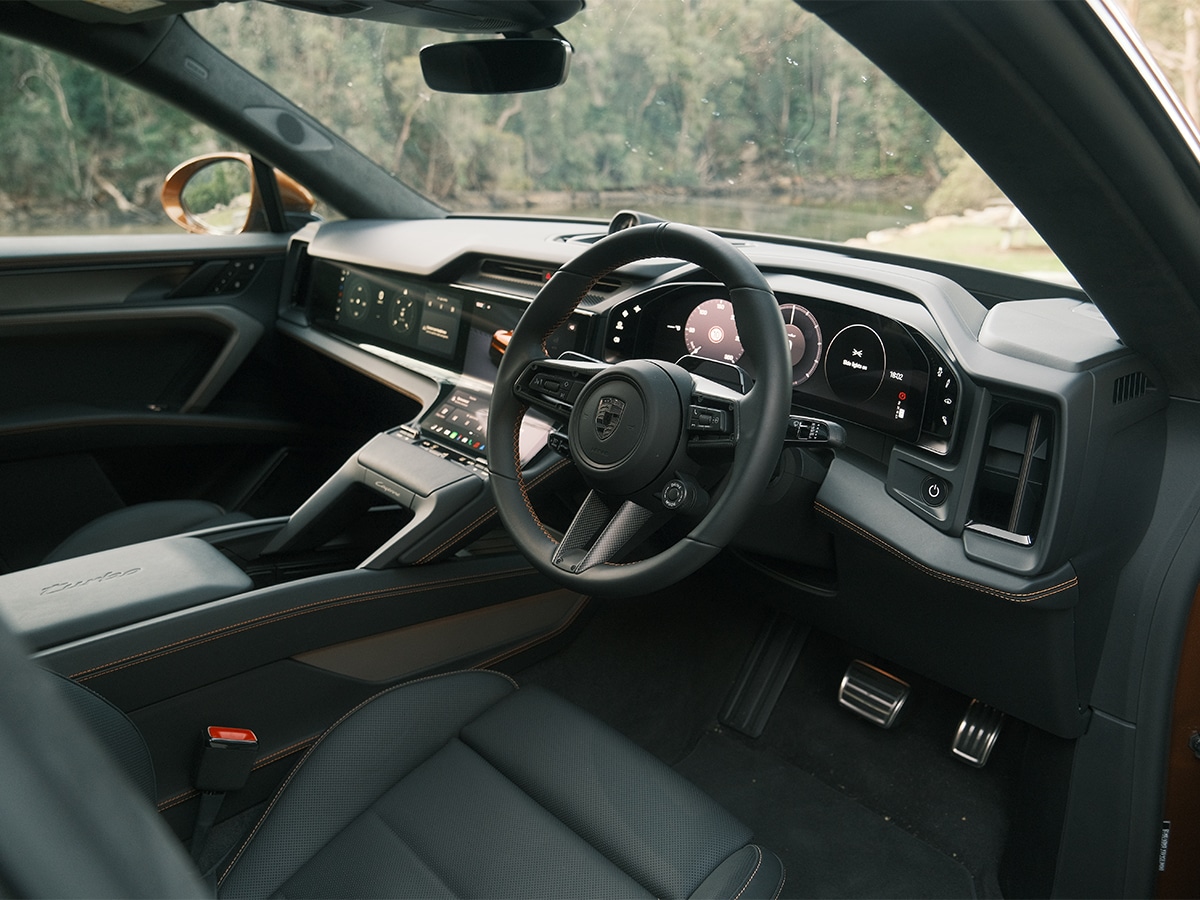
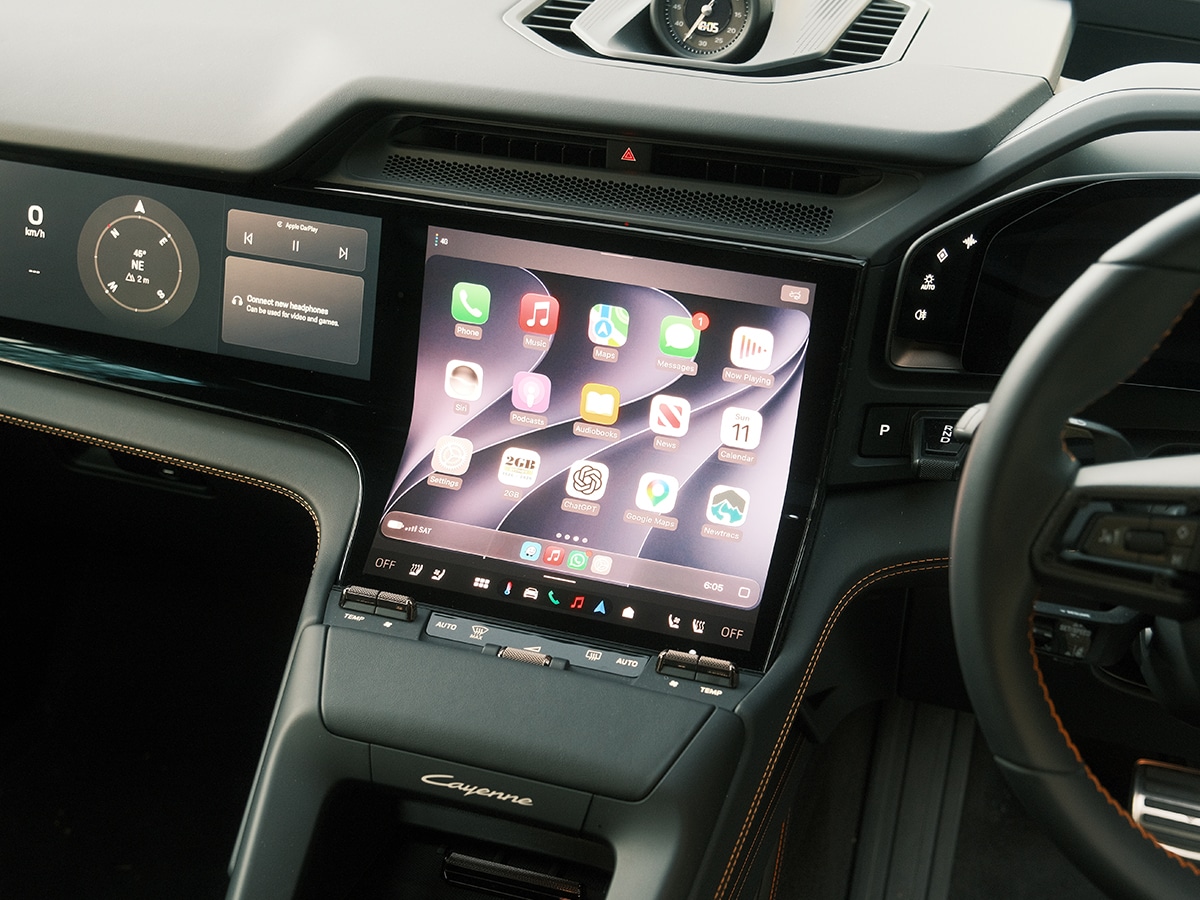
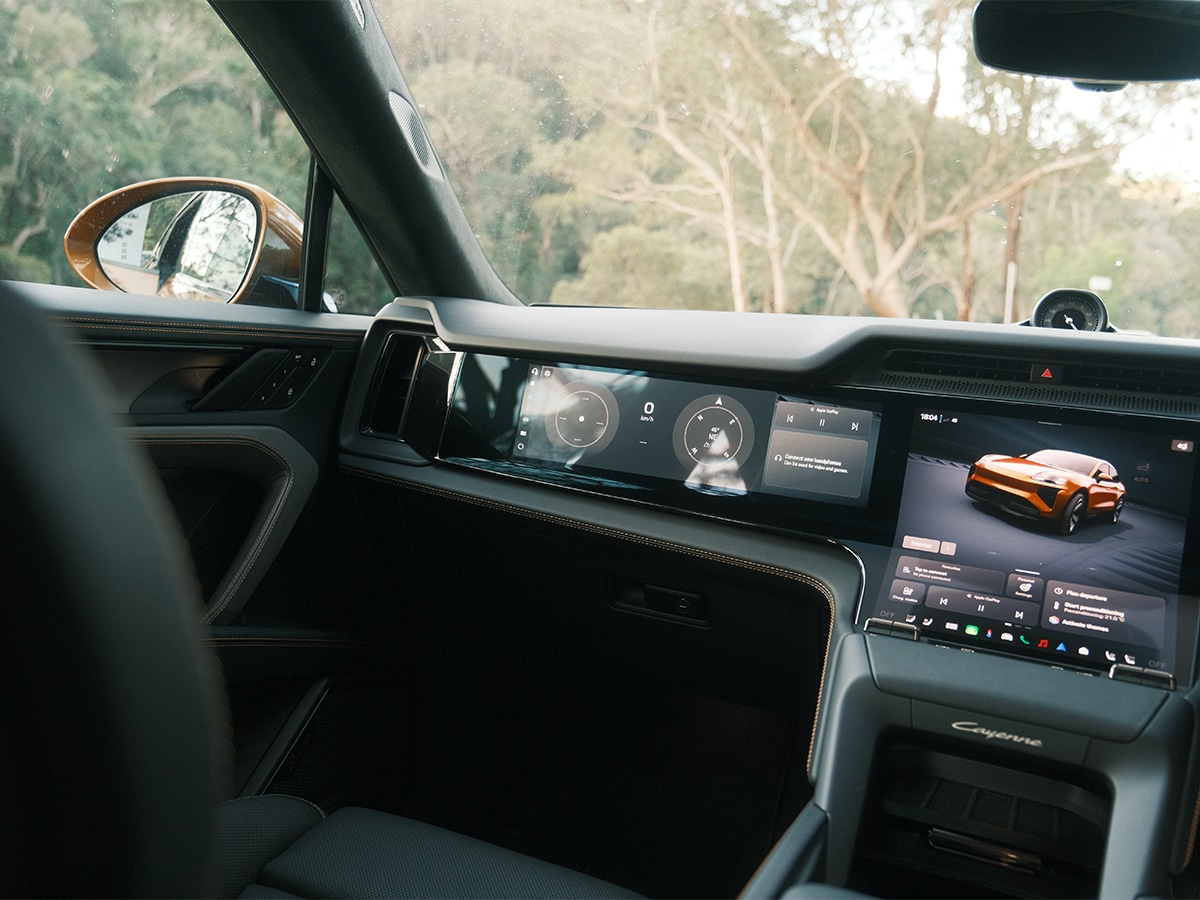
The cabin of the 2026 Cayenne Turbo Coupé Electric reflects a balance between traditional Porsche driver-centric ergonomics and modern digital luxury. The driver is greeted by a 14.2-inch curved OLED digital instrument cluster that is highly customizable and remains legible under direct sunlight thanks to an anti-reflective coating.
The central 12.25-inch Porsche Communication Management (PCM) touchscreen is the hub for infotainment and vehicle settings. Porsche has notably retained physical toggles for critical climate control functions on the center console, responding to customer feedback regarding the over-reliance on touch menus in modern vehicles.
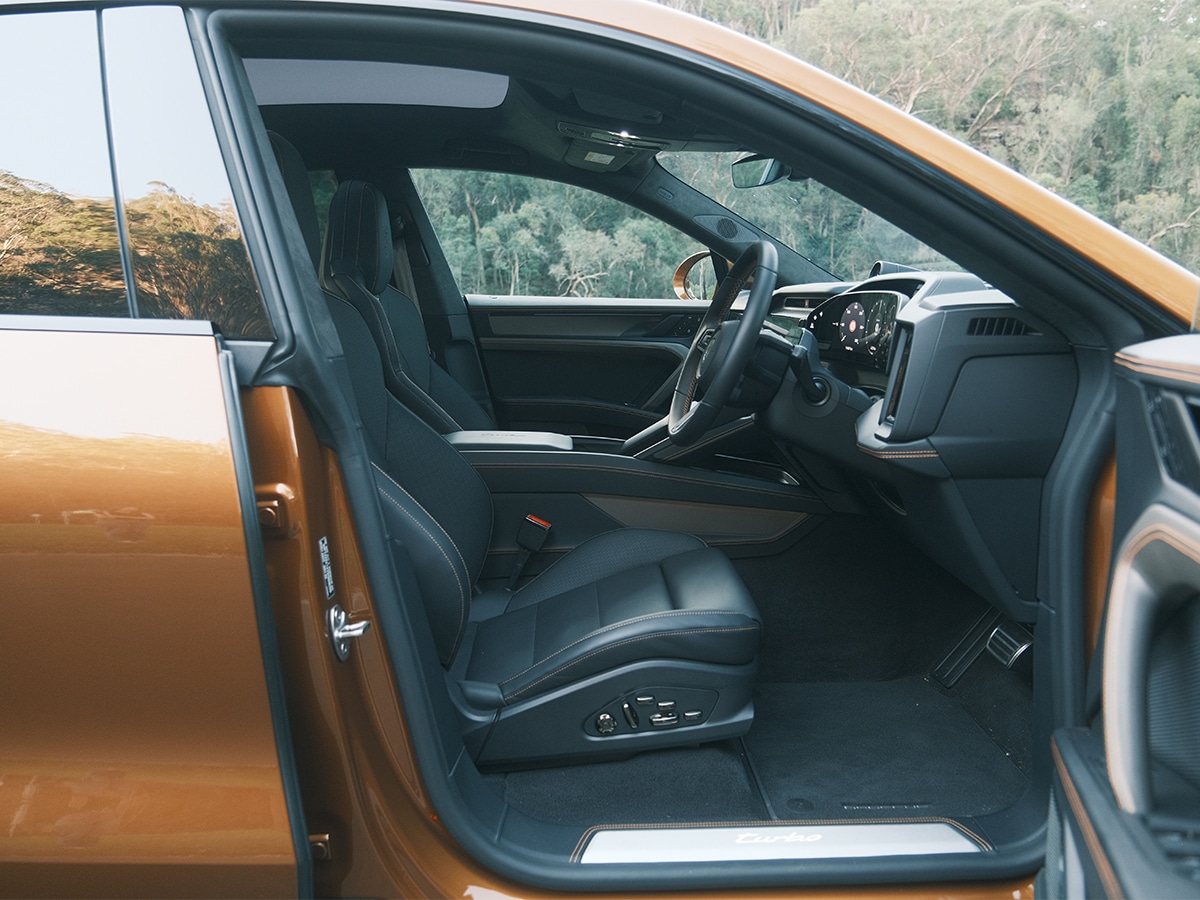
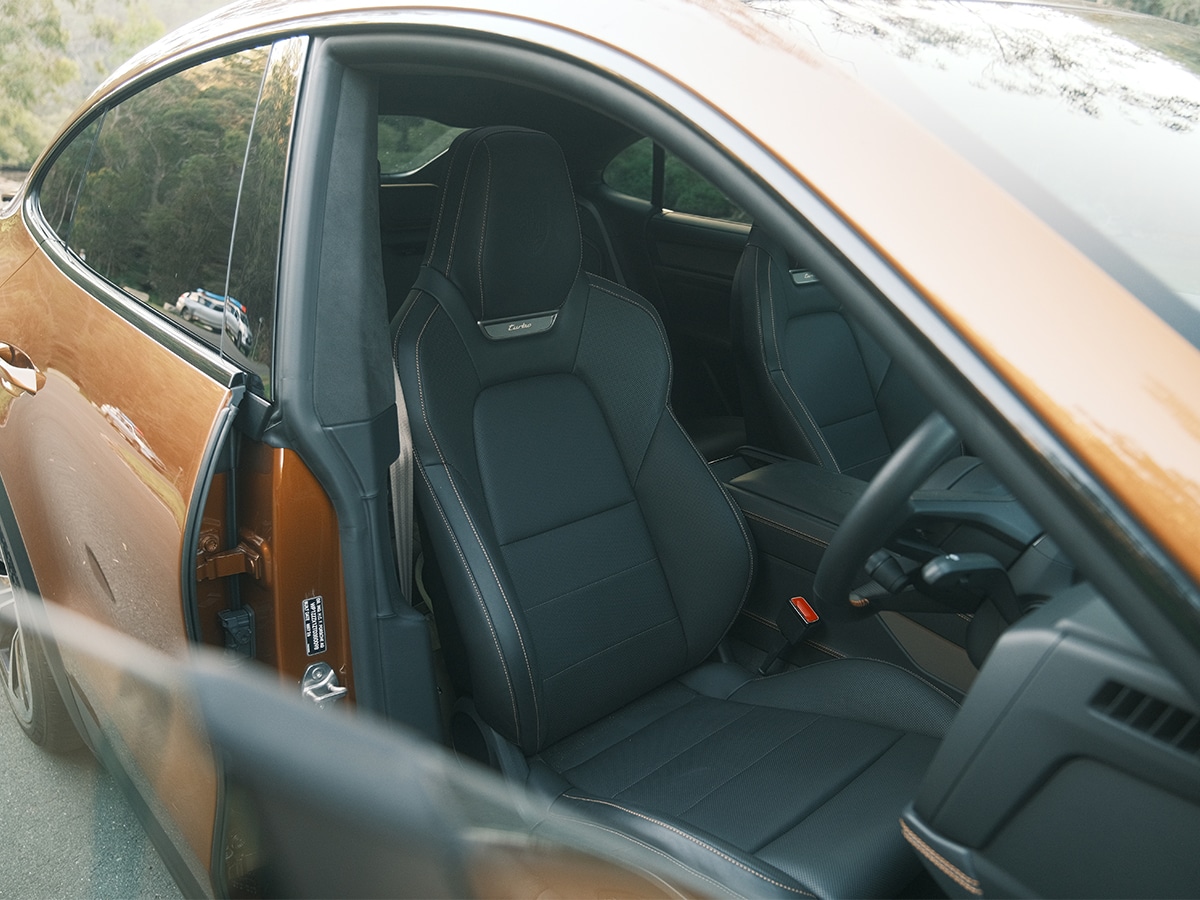
An optional 10.9-inch passenger display allows the co-pilot to manage navigation, media, or view vehicle telemetry. A specialized privacy filter ensures that the screen is not visible to the driver, preventing distraction. The interior materials are of the highest caliber, featuring "Turbonite" accents—a unique metallic grey finish exclusive to Porsche Turbo models—along with extensive use of leather, carbon fiber, and Alcantara.
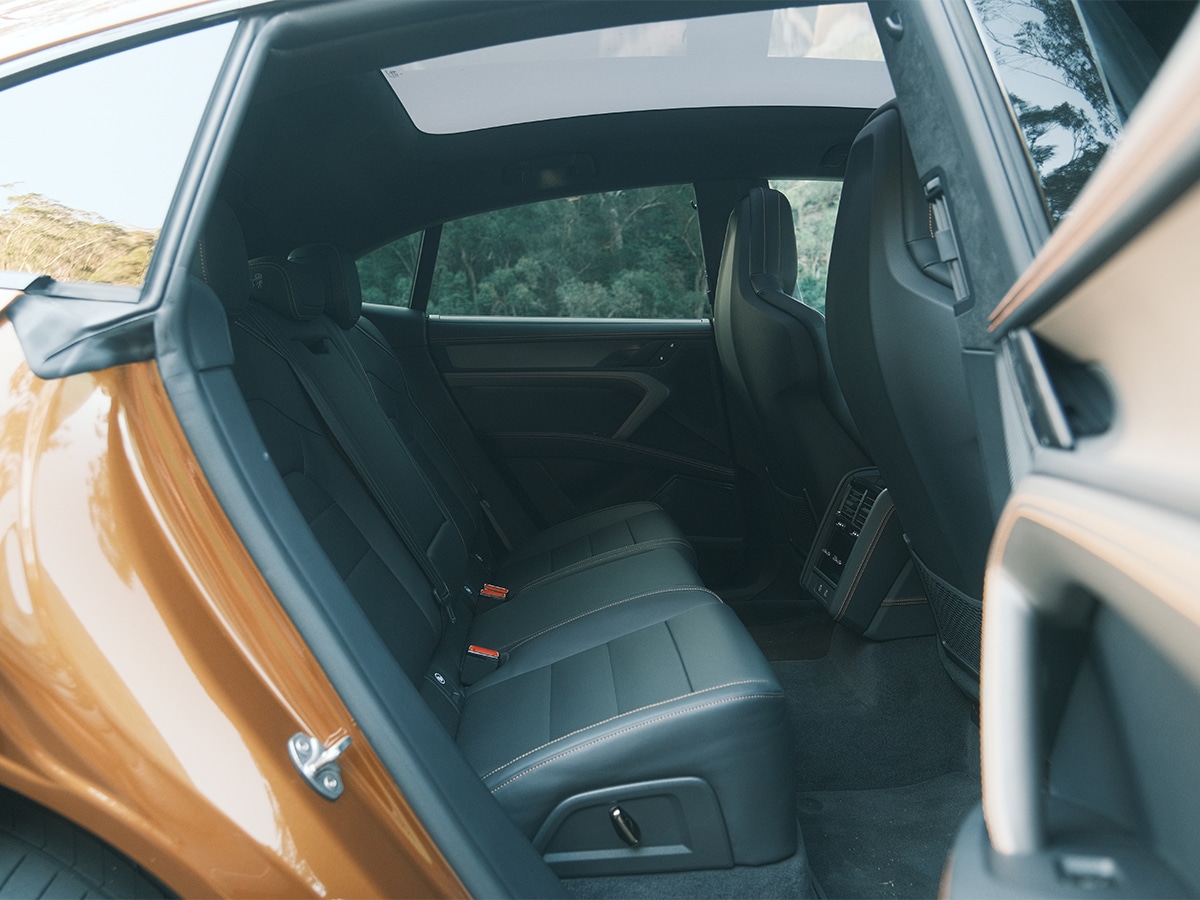
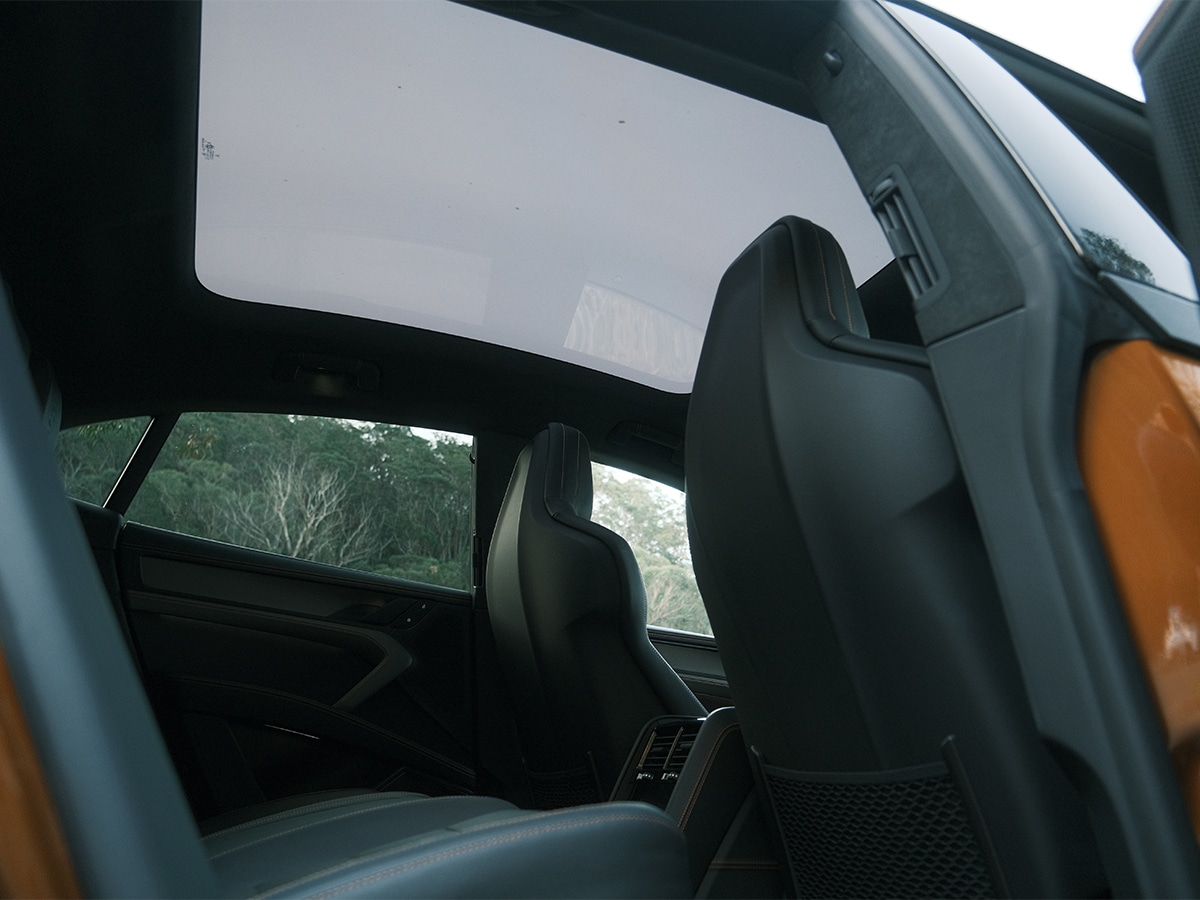
Despite its performance credentials, the Cayenne remains a practical SUV. The Coupé variant offers 500 liters of rear luggage space, which can be expanded by folding the 40:20:40 rear seats. Additionally, a 90-liter front trunk (frunk) provides storage for charging cables and smaller items. Crucially for the Australian market, the electric Cayenne retains a 3,500 kg braked towing capacity, matching its combustion-powered predecessors and outperforming most other electric SUVs.
Market Positioning and Economic Context
In the Australian market, the 2026 Porsche Cayenne Turbo Coupé Electric starts at a base price of AUD $272,000. However, the Porsche business model heavily emphasizes personalization, and the options list is extensive. Highly specified models, such as the one evaluated for this report, can easily exceed AUD $373,000 before on-road costs.
When accounting for Australian Luxury Car Tax (LCT) and state-based stamp duties, the drive-away price for a fully optioned Cayenne Turbo Electric can surpass AUD $410,000. This places it in direct competition with high-end luxury EVs like the Lotus Eletre R and the Tesla Model X Plaid, as well as high-performance ICE SUVs like the Lamborghini Urus and Aston Martin DBX.
Porsche provides a three-year, unlimited-kilometer warranty in Australia, along with an eight-year/160,000 km warranty on the high-voltage battery. Maintenance intervals are set at two years or 30,000 km, reflecting the reduced mechanical complexity of electric drivetrains compared to internal combustion engines.
Chronology of Porsche’s Electric Transition
- 2019: Launch of the Taycan, Porsche’s first series-production EV.
- 2021: Introduction of the Taycan Cross Turismo, expanding EV practicality.
- 2024: Launch of the all-electric Macan, the first model on the PPE platform.
- 2025/2026: Launch of the Cayenne Electric, marking the electrification of Porsche’s core SUV line.
- 2027 (Projected): Introduction of a new flagship seven-seater electric SUV (codenamed K1).
Broader Implications for the Automotive Industry
The 2026 Cayenne Turbo Coupé Electric serves as a bellwether for the future of the high-performance automotive industry. It demonstrates that the transition to electrification does not necessitate a compromise in dynamic capability. By utilizing advanced software and hydraulic systems like Active Ride, Porsche has solved the "weight problem" associated with large battery packs, creating a vehicle that defies traditional physics.
Furthermore, the retention of a 3,500 kg towing capacity and legitimate off-road modes suggests that Porsche is unwilling to sacrifice the "utility" aspect of the SUV. As other manufacturers look to electrify their flagship models, the Cayenne Turbo Coupé Electric provides a blueprint for how to integrate massive electric power with the nuanced handling characteristics that define a premium brand. It is an expensive, technologically dense, and uncompromising machine that confirms Porsche’s readiness for the post-combustion era.




 Nila Kartika Wati

 Eva Lovia

 Yuyun Lusiyani

 Ana Megawati

 Joko Widodo
