Lina Irawan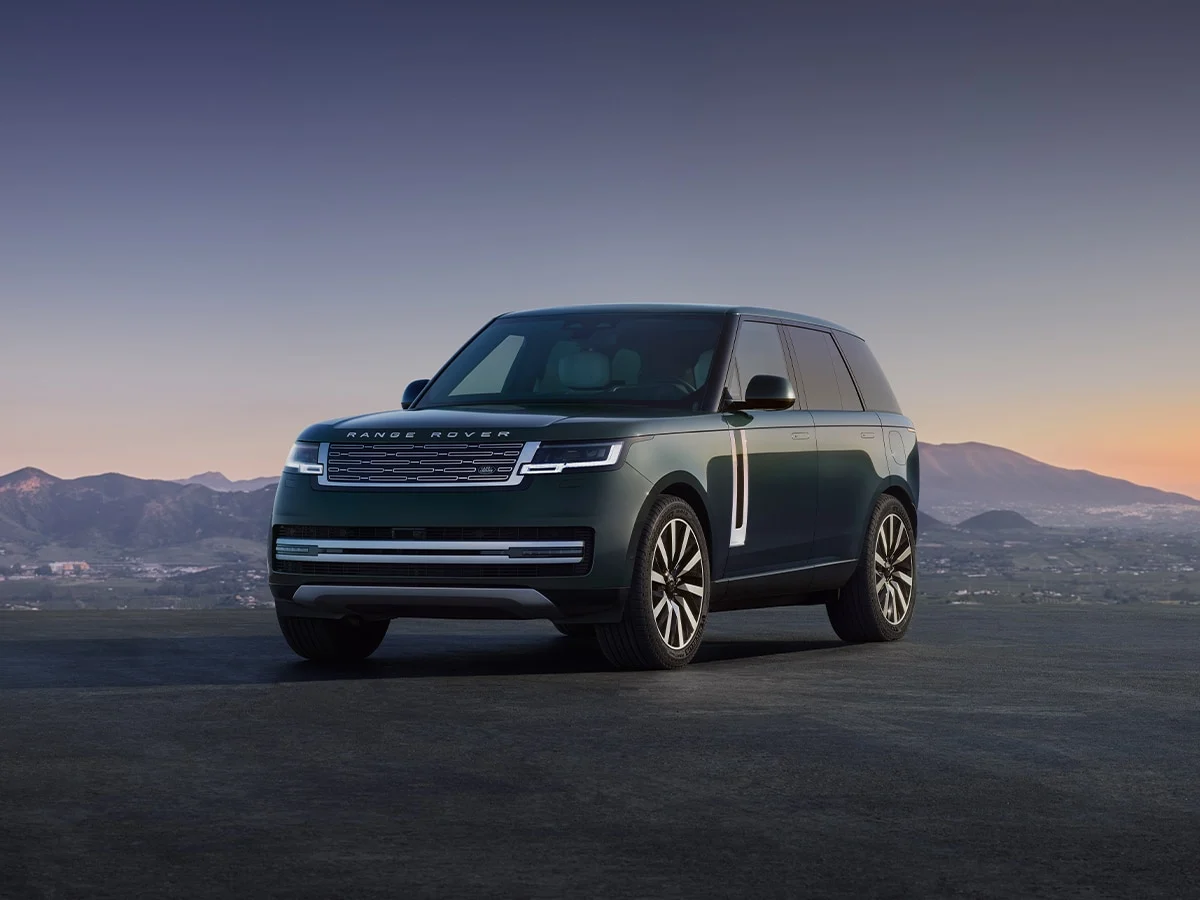
The automotive landscape is currently navigating a period of unprecedented transition as legacy luxury manufacturers attempt to reconcile decades of internal combustion heritage with the stringent requirements of a global electric future. JLR (formerly Jaguar Land Rover) has officially entered this arena with the debut of the Range Rover Electric, a vehicle that represents the most significant engineering shift in the model’s 54-year history. Unveiled behind closed doors at the Goodwood Festival of Speed, the flagship battery-electric vehicle (BEV) seeks to maintain the brand’s "modern luxury" philosophy while meeting the performance and environmental benchmarks set by a rapidly evolving market, particularly in China and Europe.
Strategic Positioning and the "Reimagine" Strategy
The introduction of the Range Rover Electric is a cornerstone of JLR’s "Reimagine" strategy, a multi-billion dollar investment aimed at transforming the company into an electric-first luxury manufacturer by 2030. For the Range Rover sub-brand, the challenge was twofold: satisfying a traditionalist client base that values the effortless torque of V8 engines, while complying with increasingly aggressive global emissions regulations.
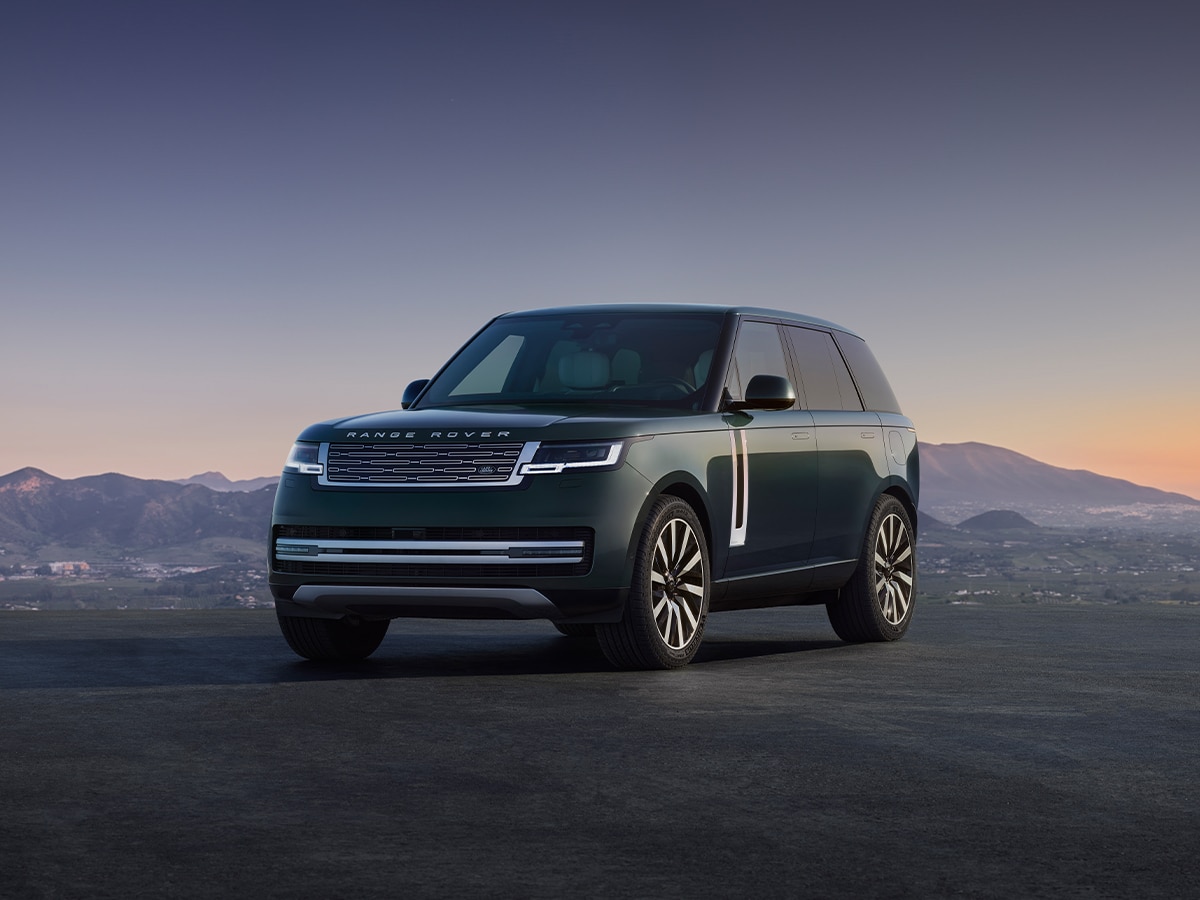
Market analysts note that luxury consumers have historically been hesitant to embrace full electrification due to concerns over charging infrastructure and the perceived loss of mechanical character. However, JLR’s approach with the Range Rover Electric is one of continuity rather than radical departure. By utilizing the existing Modular Longitudinal Architecture (MLA-Flex) that supports internal combustion and plug-in hybrid variants, the company has ensured that the electric flagship remains visually and structurally a Range Rover, albeit one with a significantly advanced technological core.
Engineering Challenges: From Desert Heat to High-Voltage Power
The development cycle of the Range Rover Electric was marked by a significant engineering pivot that delayed the vehicle’s launch by approximately one year. Originally, JLR engineers intended to utilize a hybrid motor setup consisting of a front induction motor and a rear permanent magnet motor. However, during rigorous "torture testing" in the sand dunes of the Middle East, the front induction unit proved unable to withstand the thermal stresses of sustained high-torque off-road maneuvers.
In a move that underscores the brand’s commitment to durability, JLR moved the development of its drive units in-house. The final production model features dual permanent magnet electric motors, one on each axle, which provide a 20 percent higher torque density than typical off-the-shelf components. These motors generate a combined output of 405 kW (543 hp) and 850 Nm (627 lb-ft) of torque. This powertrain allows the near-three-tonne SUV to accelerate from 0 to 100 km/h in just 4.5 seconds, with a top speed electronically limited to 200 km/h.

800V Architecture and Battery Innovation
Central to the vehicle’s usability is its 800V electrical architecture, a high-voltage system that significantly reduces charging times compared to the 400V systems used by many competitors. The Range Rover Electric is equipped with a 118.5 kWh lithium-ion battery pack, constructed using a cell-to-pack method. This design utilizes 344 prismatic cells, maximizing energy density within the footprint of the chassis.
To ensure safety and thermal stability, each cell is encased in an aerogel—a rigid, NASA-derived foam used in lunar rovers. This material serves as both a thermal insulator and a fire barrier, accommodating the natural heat expansion of the cells during rapid charging and high-load driving. The vehicle supports DC rapid charging at speeds up to 350 kW, allowing the battery to replenish from 10 to 80 percent in approximately 22 minutes. In terms of range, the vehicle is rated at 600 km under the NEDC cycle, with JLR suggesting a realistic real-world range of approximately 535 km (332 miles).
Aerodynamics and Design Refinement
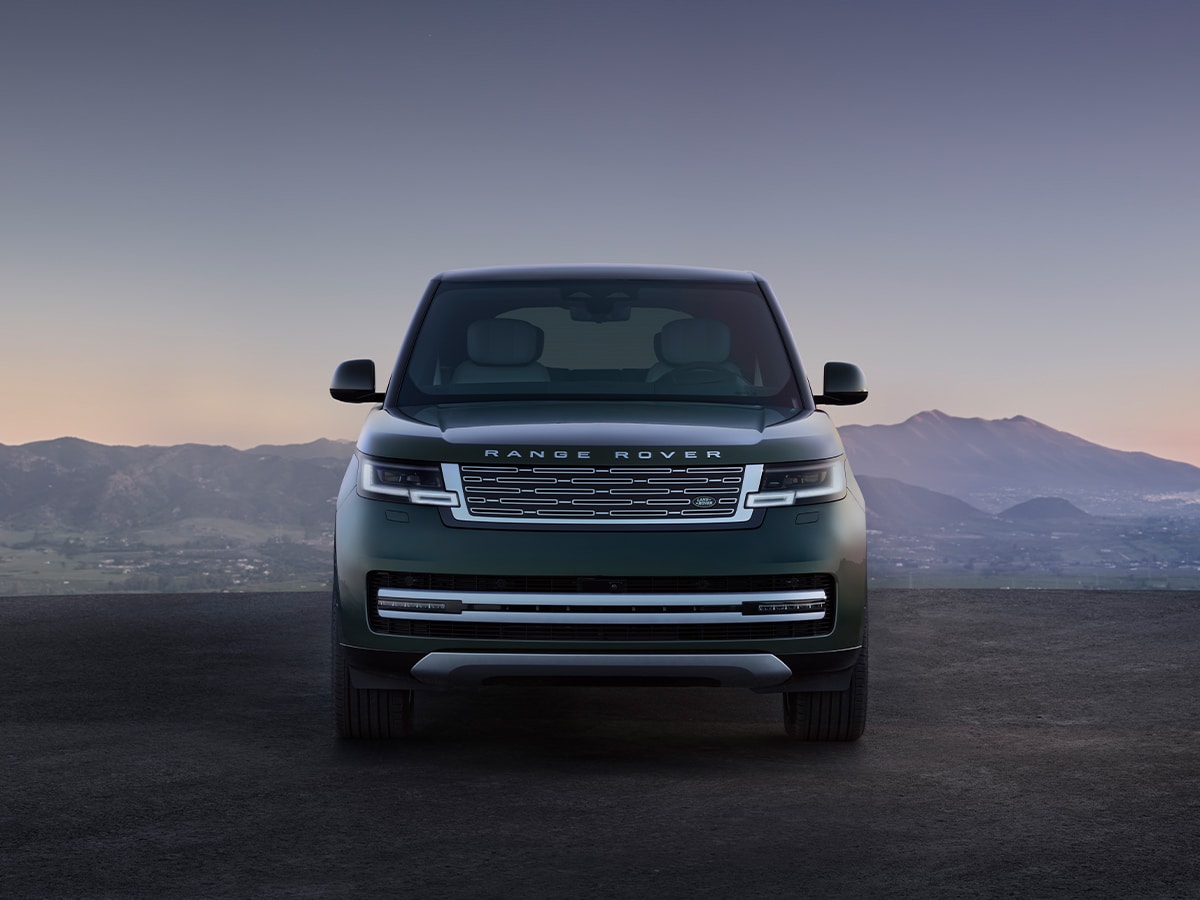
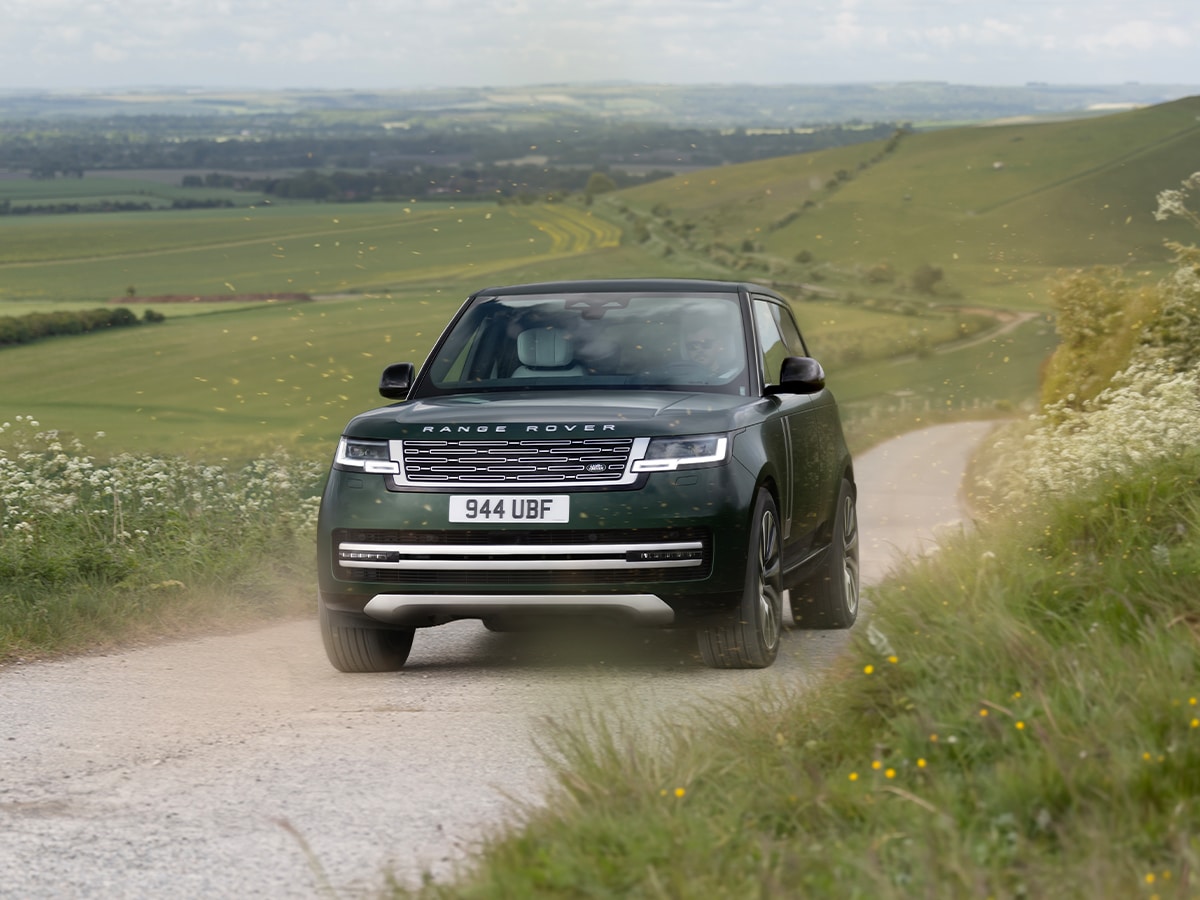
The exterior of the Range Rover Electric adheres to the brand’s "reductionist" design language. To the casual observer, it is nearly indistinguishable from its combustion-powered counterparts, a deliberate choice intended to reassure loyalists. However, the pursuit of efficiency necessitated several aerodynamic enhancements. The front grille has been blanked off to reduce drag, as the electric motors require significantly less airflow for cooling than an internal combustion engine.
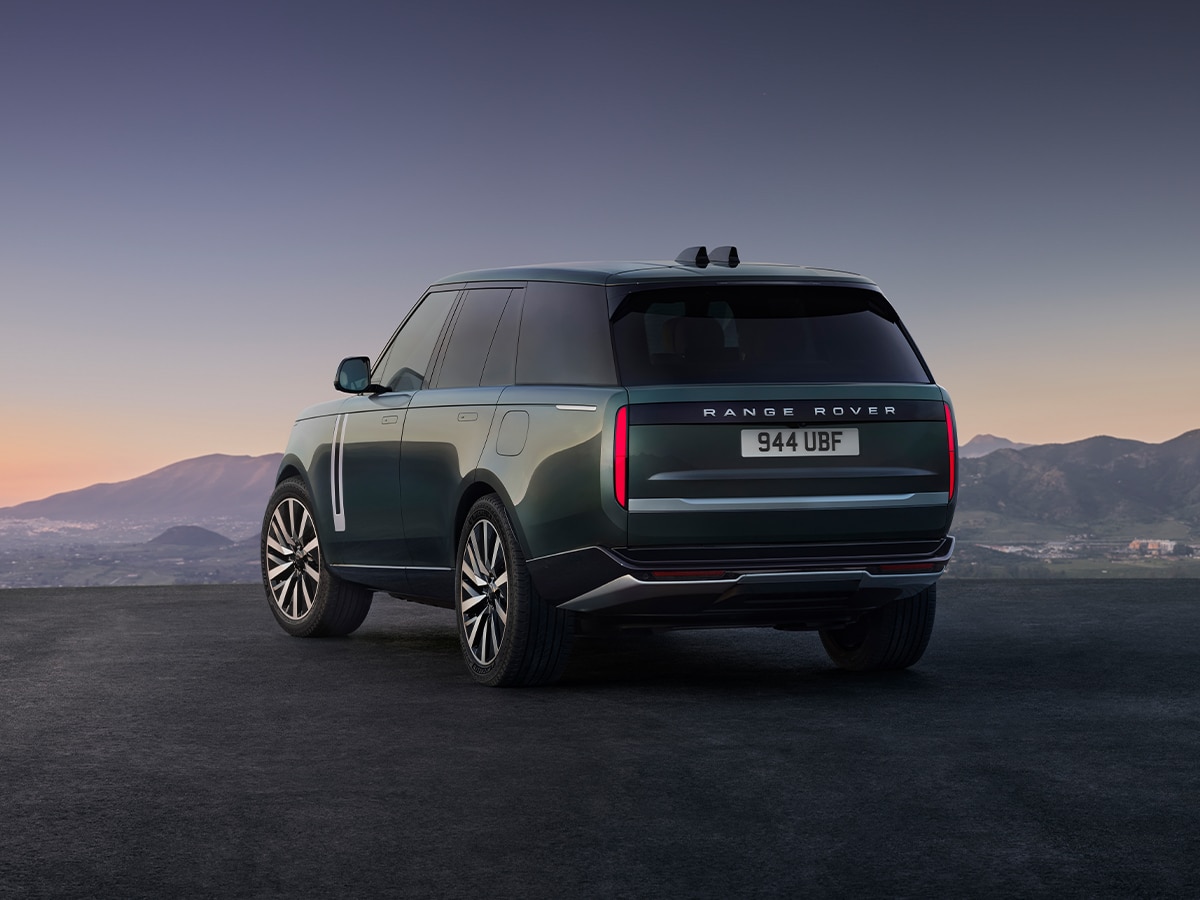
Further refinements include a completely flush underbody tray and aerodynamically optimized wheel designs. These modifications result in a drag coefficient of 0.29 Cd. While this figure is higher than some dedicated EV sedans, it represents a benchmark for the full-size luxury SUV segment, where frontal area and ground clearance usually compromise aerodynamic performance.
Off-Road Capability and the "Chauffeur" Experience
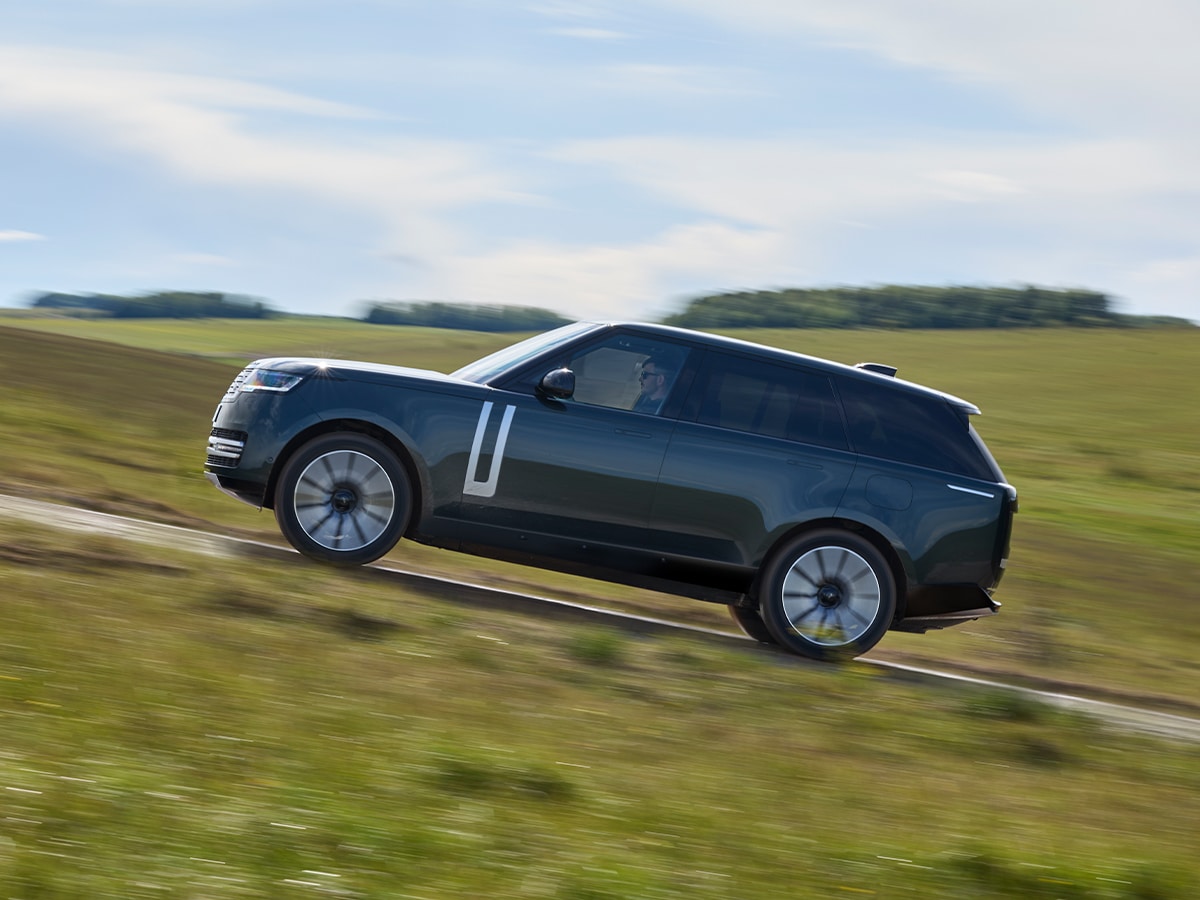
The transition to electric propulsion has arguably enhanced the Range Rover’s legendary off-road capabilities. The Integrated Traction Management (ITM) system can adjust torque delivery to each wheel within 50 milliseconds, a response time that is roughly 100 times faster than a traditional mechanical four-wheel-drive system. This allows for unprecedented precision when navigating low-grip surfaces like mud, snow, or wet grass.
The vehicle retains a class-leading wading depth of 900 mm. To achieve this, the entire high-voltage system is sealed to IP67 standards. A unique feature of the air suspension system is its ability to detect when the vehicle begins to float in deep water; in such instances, the sensors trigger an automatic extension of the suspension by an additional 60 mm to ensure the tires regain contact with the ground.
On-road, the electric model benefits from a lower center of gravity due to the floor-mounted battery pack. This increased stability allowed JLR engineers to remove the heavy active anti-roll bars found in the V8 models, simplifying the suspension architecture while maintaining composed handling. A new "S" mode on the gear selector engages a high-regeneration "chauffeur mode," allowing for smooth, single-pedal driving that minimizes the lurching often associated with traditional braking in heavy traffic.
The Challenge of Silence: Acoustic Engineering
One of the most complex tasks for the engineering team was managing the "sound of silence." Without the masking noise of an engine, secondary sounds such as tire roar, wind whistle, and the high-pitched hum of electrical inverters become prominent. To combat this, JLR utilized hundreds of microphones to map the cabin’s acoustic profile.
The solution involved the installation of active noise-cancellation speakers within the headrests of all four main seats. For the exterior and interior "engine" sound, the brand avoided the sci-fi whirring common in many EVs, opting instead for a synthesised soundscape based on an F-minor chord. This was chosen for its perceived sense of "groundedness" and luxury. For enthusiasts of high-fidelity audio, an optional 21-speaker electrostatic panel system is available, utilizing coil-free components that are lighter and more responsive than traditional speakers.
Manufacturing and Local Market Impact
The Range Rover Electric will be produced at the historic Solihull facility in the United Kingdom, which has undergone a significant retrofit to accommodate high-voltage assembly. The drive units and battery packs are sourced from the nearby Electric Propulsion Manufacturing Centre in Wolverhampton. This localized supply chain is a key part of JLR’s effort to reduce the carbon footprint of the manufacturing process itself.
In the Australian market, the Range Rover Electric will debut with three distinct trim levels:
- HSE: Starting at AUD$317,718
- Autobiography: Starting at AUD$357,718
- SV (Special Vehicle): Starting at AUD$417,418
Australian buyers will receive a complimentary one-year subscription to the ChargeFox network, though it is capped at 500 kWh. The vehicle is backed by an eight-year or 160,000 km battery warranty. Furthermore, JLR has introduced a "Battery Digital Twin" diagnostic platform, which monitors 900 data points in real-time to predict potential maintenance issues before they result in vehicle downtime.
Analysis of Implications for the Luxury Segment
The launch of the Range Rover Electric is a calculated risk. While brands like Tesla and various Chinese manufacturers have dominated the EV conversation through sheer volume and software integration, JLR is betting that the "Range Rover" nameplate still carries enough prestige to command a premium in the electric era.
The decision to maintain the existing design language suggests that JLR believes its customers want the benefits of an EV—silence, torque, and environmental credentials—without the "look-at-me" futurism of rivals like the BMW iX or the Mercedes-Benz EQS SUV. By focusing on mechanical integrity, such as the in-house development of motors after desert failures, the brand is positioning itself as the "serious" choice for luxury buyers who require genuine utility alongside zero-emissions travel.
As the first of several planned electric models, including an electric Range Rover Sport and a radical reimagining of the Jaguar brand, the success of this vehicle will likely determine the financial trajectory of JLR for the next decade. If the Range Rover Electric can prove that a battery-powered SUV can wade through 900 mm of water and cross a desert as reliably as its diesel predecessors, it may finally convince the luxury holdouts that the age of electricity has truly arrived.



 admin
admin
 Yuyun Lusiyani
 Nana Wu
 Joko Widodo