
 admin
admin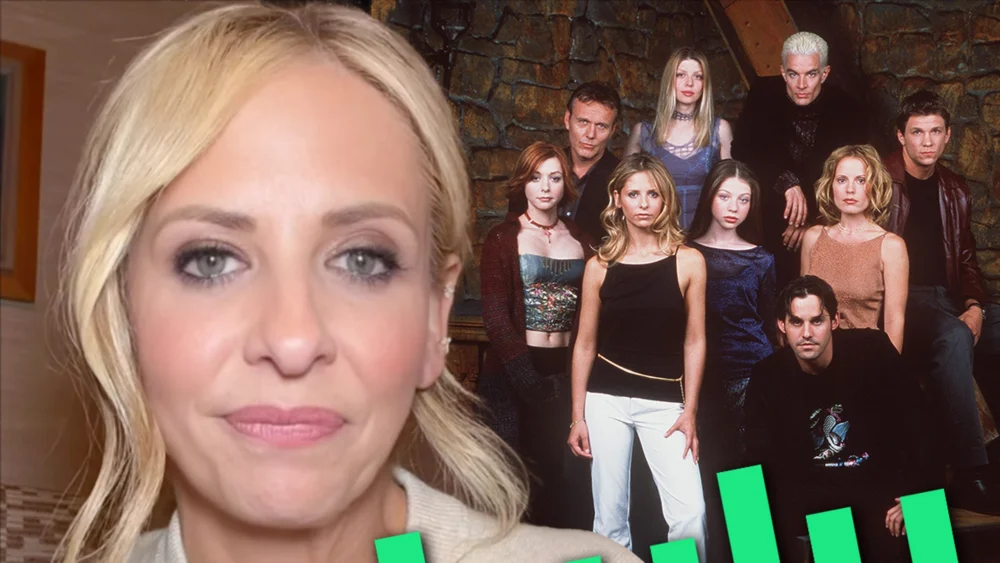
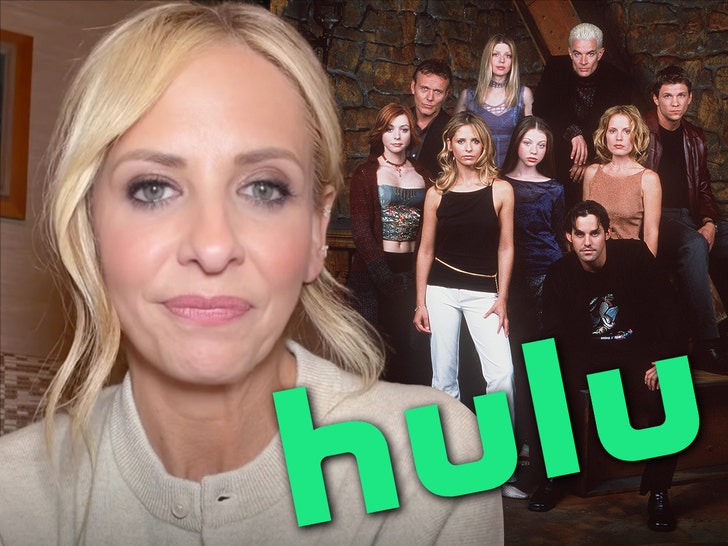
The highly anticipated "Buffy the Vampire Slayer" reboot, envisioned to rekindle the beloved supernatural franchise for a new generation, has been abruptly canceled by Hulu, leaving its creative team, including original star Sarah Michelle Gellar and acclaimed director Chloé Zhao, reportedly "blindsided" and profoundly disappointed. The news, emerging on March 14, 2026, casts a shadow over a project that had generated significant buzz since its announcement in February 2025, highlighting the volatile landscape of streaming content development.
The Unforeseen Axe: Details of the Cancellation
Sources close to both Sarah Michelle Gellar and Chloé Zhao have confirmed to media outlets that the decision from Hulu came as a complete shock. Gellar, who was slated to reprise her iconic role in a recurring capacity, and Zhao, an Oscar-winning director tapped to helm the revival, had reportedly been deeply invested in shaping the new narrative for "Buffy the Vampire Slayer: New Sunnydale." The timing of the cancellation has added to the sting, coinciding with peak career moments for both women. Gellar recently celebrated a triumphant opening for her new film, "Ready or Not 2: Here I Come," at the prestigious SXSW festival, receiving critical acclaim and audience enthusiasm. Meanwhile, Zhao is poised for potentially more Oscar glory this Sunday with her latest cinematic achievement, "Hamnet," following her historic win for "Nomadland." The cancellation thus disrupts a period of professional ascendancy for key figures attached to the project.
The swiftness of Hulu’s decision and the apparent lack of prior communication have led to widespread speculation within Hollywood circles regarding the underlying reasons. For Gellar and Zhao, the abrupt end to their shared vision for "Buffy" represents a significant setback, particularly given their enthusiasm to continue the legacy of a character and universe that holds deep cultural resonance. They were reportedly eager to introduce a fresh perspective while honoring the original series’ spirit, aiming to connect with both long-time fans and new viewers.
A Legacy Reimagined: The ‘New Sunnydale’ Vision
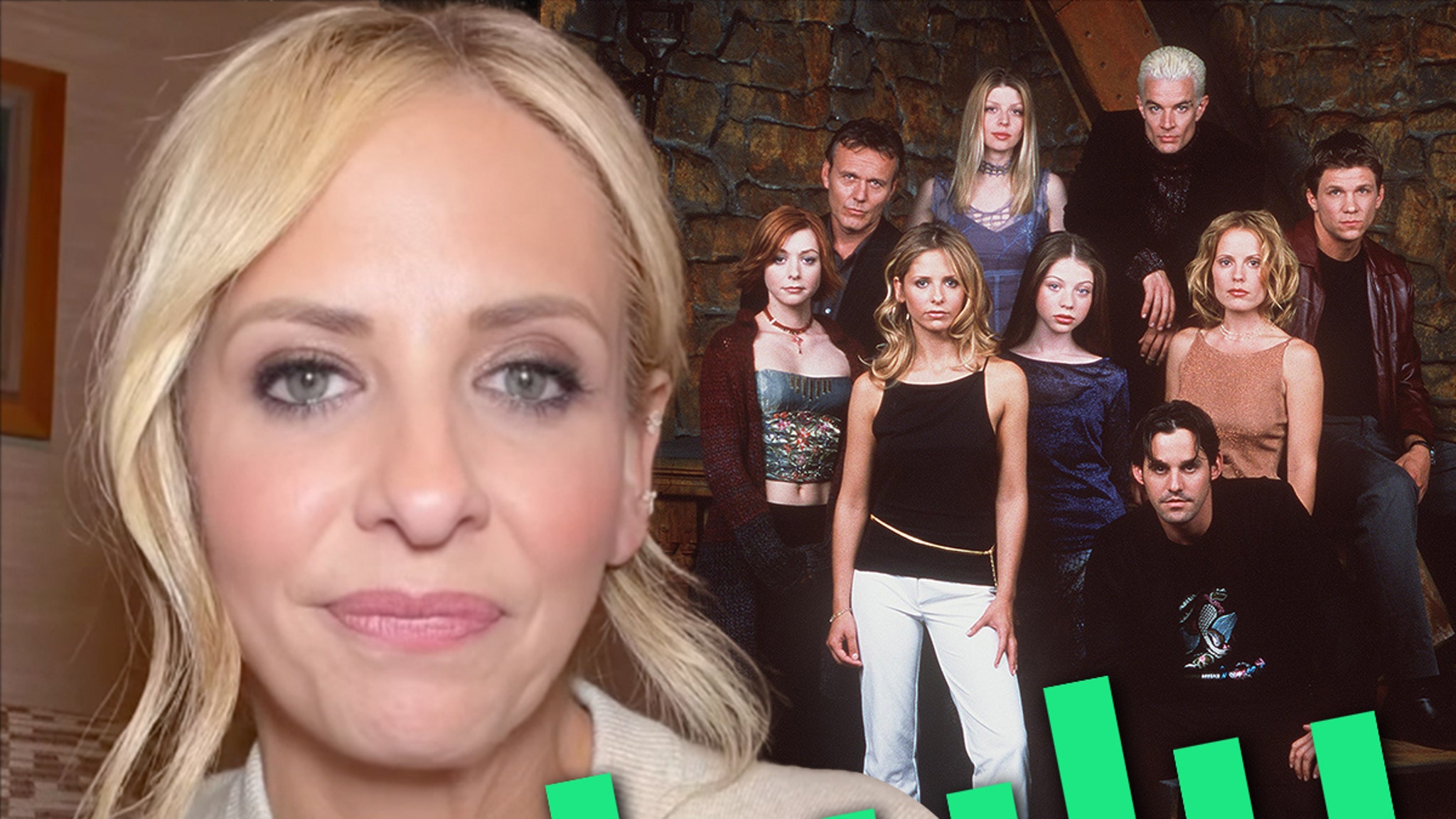
The reboot, officially titled "Buffy the Vampire Slayer: New Sunnydale," was initially unveiled in February 2025, sparking immediate excitement among the global fanbase. The project aimed to introduce Ryan Kiera Armstrong as the new central slayer, promising a fresh face to carry the torch of supernatural defense. Crucially, Sarah Michelle Gellar’s involvement was a major draw, with plans for her to appear in a recurring role. This strategic move was designed to bridge the gap between the classic series and its modern iteration, offering a comforting sense of continuity while allowing for new storytelling avenues.
The concept was to explore the evolution of the slayer line, the challenges of a new generation facing ancient evils, and the wisdom that an elder, battle-hardened Buffy Summers could impart. Chloé Zhao’s attachment as director was particularly noteworthy. Known for her distinctive, character-driven storytelling and visually striking cinematography, Zhao’s involvement signaled a serious artistic ambition for the project, suggesting a more mature, nuanced approach to the "Buffy" universe than previous attempts at revival might have offered. Her proven ability to blend intimate character studies with expansive narratives made her an intriguing choice to shepherd the beloved franchise into a new era, promising a revival that would be both reverent and groundbreaking.
A Cultural Phenomenon: The Enduring Appeal of ‘Buffy’
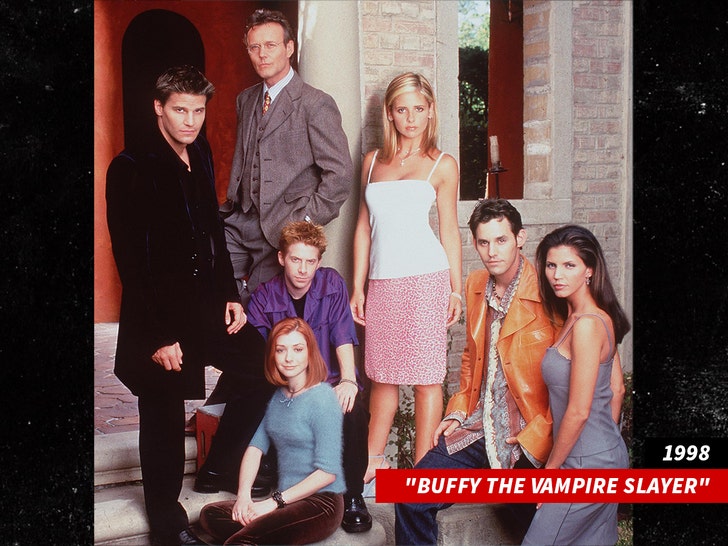
"Buffy the Vampire Slayer" holds a unique and indelible place in television history. Originating from the 1992 film of the same name, the television series premiered in 1997 and ran for seven seasons, concluding in 2003. Created by Joss Whedon, the show transcended its genre trappings to become a cultural touchstone, lauded for its sharp writing, complex characters, and groundbreaking exploration of themes such as female empowerment, adolescence, grief, and moral ambiguity, all wrapped in a witty, action-packed supernatural package.
Buffy Summers, portrayed by Sarah Michelle Gellar, became an iconic figure—a seemingly ordinary high school girl burdened with extraordinary destiny, balancing homework and relationships with saving the world from vampires, demons, and the forces of darkness. The series garnered critical acclaim for its innovative storytelling, often employing metaphors for real-life struggles, and developed a passionate, enduring fanbase. Its influence can be seen across countless subsequent television shows and films, particularly in the young adult and supernatural genres. The enduring appeal of "Buffy" lies not just in its monster-of-the-week format but in its profound character development and its ability to resonate with audiences grappling with their own personal "apocalypses." The idea of a new "Buffy" series, especially one involving Gellar and a visionary director like Zhao, tapped directly into this deep well of nostalgia and cultural significance.
The Streaming Landscape: Why Revivals Are a Double-Edged Sword
The cancellation of "Buffy the Vampire Slayer: New Sunnydale" is a stark reminder of the intense pressures and strategic shifts inherent in the contemporary streaming industry. In recent years, streaming platforms have heavily invested in reboots, revivals, and spin-offs of established intellectual properties (IPs). This strategy is often seen as a safer bet in a crowded market, as existing fanbases provide a built-in audience, reducing the risk associated with entirely new content. For platforms like Hulu, owned by Disney, leveraging popular IPs is crucial for subscriber acquisition and retention in the ongoing "streaming wars."
However, this approach is not without its pitfalls. The cost of acquiring rights, securing original cast members, and producing high-quality content can be exorbitant. Furthermore, the sheer volume of reboots has led to a degree of audience fatigue, with viewers becoming more discerning about which beloved franchises they wish to revisit. Success is not guaranteed; for every triumphant revival, there are multiple others that fail to capture the original magic or find a new audience. Streaming services constantly evaluate content performance against investment, scrutinizing metrics such as viewership numbers, subscriber growth, and critical reception to justify expenditures. A project might be greenlit with great fanfare, only to be quietly shelved if internal projections or strategic priorities shift.
Behind the Scenes: Unpacking Hulu’s Decision
While Hulu has yet to issue an official statement regarding the cancellation of "Buffy the Vampire Slayer: New Sunnydale," industry insiders and analysts are piecing together potential reasons behind such an abrupt decision. Several factors could contribute to a platform "staking" a high-profile revival:
- Financial Viability and Production Costs: Developing a supernatural series with a known cast and a director of Chloé Zhao’s caliber undoubtedly entails significant production costs. In an era where streaming services are increasingly focused on profitability and reducing content spending, projects with hefty budgets may face stricter scrutiny. Hulu, like other platforms, is under pressure to demonstrate a clear return on investment, and perhaps the projected costs for "New Sunnydale" were deemed too high relative to anticipated subscriber growth or retention.
- Creative Differences or Strategic Re-evaluation: It is not uncommon for creative visions to clash between studios, producers, and directors, particularly on projects involving beloved IPs. While Gellar and Zhao were reportedly aligned, there could have been disagreements at a higher executive level regarding the tone, direction, or overall scope of the series. Alternatively, Hulu’s broader content strategy might have shifted, prioritizing different genres or target demographics.
- Market Saturation and IP Fatigue: The streaming landscape is saturated with content, including numerous reboots. Executives might have concluded that the market for "Buffy" was not as robust as initially believed, or that other planned projects offered a more compelling value proposition.
- Past Controversies Surrounding the IP: Although not directly stated as a reason, the "Buffy" franchise has faced scrutiny in recent years due to allegations of misconduct against its creator, Joss Whedon, from former cast members. While Chloé Zhao and Sarah Michelle Gellar were spearheading a new vision, the lingering controversies surrounding the original creative force might have presented a complex public relations challenge or made the IP inherently riskier for a major studio to invest heavily in, especially for a new iteration. While the new series was explicitly distancing itself from Whedon’s direct involvement, the shadow of past issues can sometimes influence executive decisions on legacy projects.
Industry Reactions and Fan Outcry
The immediate aftermath of the cancellation saw a significant wave of disappointment, particularly from the dedicated "Buffy" fanbase. Sarah Michelle Gellar herself broke the news on Instagram on Saturday, choosing to inform her followers directly. Her post, while expressing her disappointment, also carried a characteristic Buffy-esque resilience. She humorously noted her excitement to get back in Buffy’s "stylish yet affordable boots" and assured fans that if an apocalypse were to happen, she was "still here to help us out," a nod to her character’s enduring commitment to saving the world.
The comments section of Gellar’s post quickly erupted with expressions of outrage and solidarity. Fans universally bashed Hulu for the decision, questioning the logic behind canceling a project with such strong creative talent and an established audience. A recurring sentiment was the tagging of Netflix in the comments, urging the rival streaming giant to "swoop in" and rescue the project. This fervent reaction underscores the deep emotional connection fans have with the "Buffy" universe and their desire to see its legacy continue, regardless of the platform. The collective outcry serves as a powerful reminder to streaming services that while data drives many decisions, the passion of a loyal fanbase remains a potent force in the entertainment industry.
Statements and Silence: The Official Stance
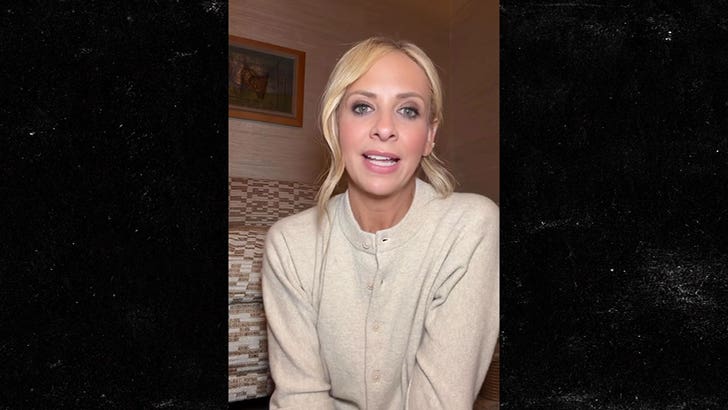
As of the latest reports, Hulu has maintained official silence regarding the cancellation, a common practice for studios dealing with sensitive development decisions. Typically, official statements are brief, generic, and cite "creative differences" or "scheduling conflicts" rather than delving into specific financial or strategic reasons. This silence, however, only fuels further speculation and fan frustration.
In contrast, Sarah Michelle Gellar’s direct communication with her fans on Instagram offered a rare glimpse into the personal impact of such corporate decisions. Her willingness to be transparent, albeit subtly, about her disappointment resonated deeply with the "Buffy" community. While representatives for Gellar and Zhao have not issued extensive formal statements beyond confirming their "blindsided" status, their silence on specific details likely adheres to industry protocols, leaving the public to infer the true nature of the decision. The contrast between the measured public relations from the talent side and the corporate silence from the platform side highlights the different stakes involved for each party.
The Road Ahead: Implications for the ‘Buffy’ Universe
The cancellation of "Buffy the Vampire Slayer: New Sunnydale" leaves the future of the beloved franchise in an uncertain state. While fans are actively campaigning for another platform, such as Netflix, to pick up the project, the complexities of rights acquisition, existing contracts, and the inherent financial risks make such a swift rescue challenging, though not impossible. The "Buffy" IP remains incredibly valuable, but its path forward will likely be subject to intense strategic consideration.
For Sarah Michelle Gellar and Chloé Zhao, this setback is unlikely to derail their individual careers, both of whom are at strong points. However, it represents a missed opportunity to contribute to a significant cultural legacy. The broader implications for Hollywood’s reliance on legacy content are also noteworthy. This cancellation could serve as a cautionary tale for studios considering investing in expensive reboots, emphasizing the need for robust planning, clear strategic alignment, and realistic expectations regarding market reception and financial returns. The dream of a new generation of slayers in "New Sunnydale" may have been staked, but the enduring spirit of "Buffy the Vampire Slayer" and its dedicated fanbase will undoubtedly continue to champion its potential return, in one form or another, for years to come.

 Jia Lissa
 Yuyun Lusiyani
 Joko Widodo
 Eva Lovia

 Pevita Pearce