Pevita Pearce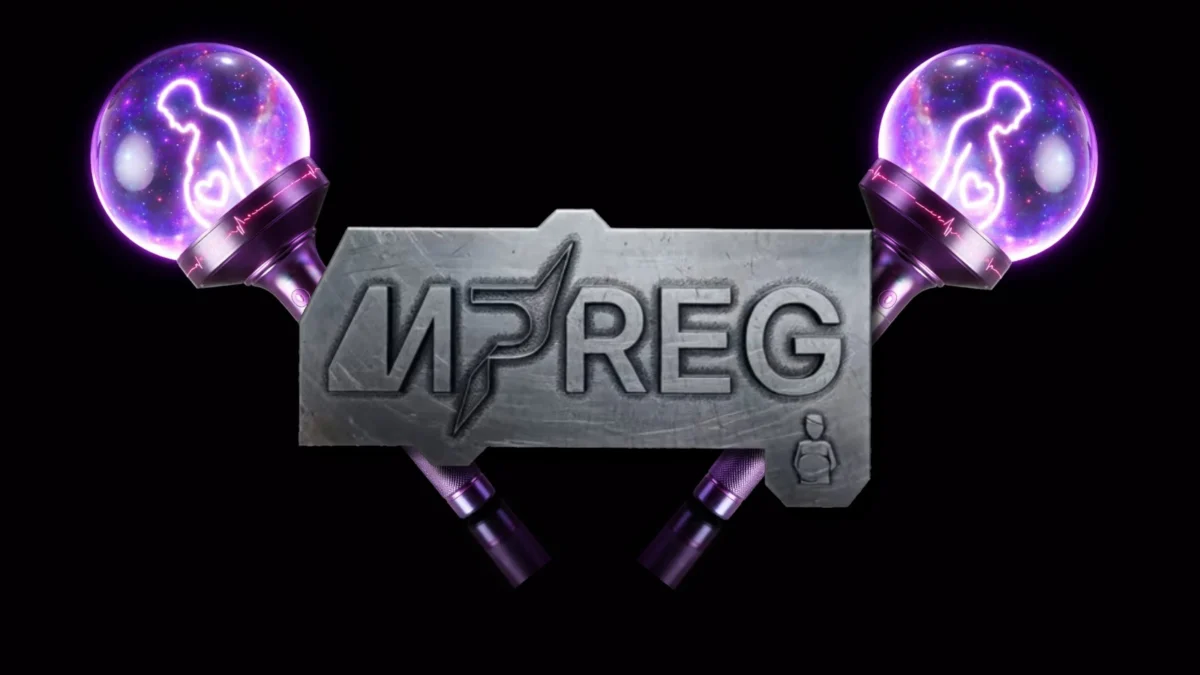
The global music industry is currently scrutinizing a burgeoning digital phenomenon that has captured the attention of K-pop enthusiasts and media analysts alike. A mysterious entity identified as "MPREG" has emerged across social media platforms, teasing a debut scheduled for May 2026. While the K-pop industry is no stranger to unconventional marketing tactics and the rise of virtual idols, the specific branding and thematic choices of this group have sparked a complex debate regarding its legitimacy. Observers are currently divided on whether the project represents a genuine entry into the music market, a sophisticated artificial intelligence experiment, or an elaborate piece of performance art tied to Western television production.
The controversy stems primarily from the group’s name. In digital subcultures and fanfiction communities, "MPREG" is a widely recognized abbreviation for "male pregnancy." This trope is a foundational element of the "Omegaverse," a speculative fiction subgenre that reimagines human biology through a hierarchy of Alphas, Betas, and Omegas. The adoption of such a niche and polarizing term for a commercial music group has led many to question the motives of the creators, as the concept deviates significantly from the highly polished and broadly palatable image typically maintained by mainstream K-pop agencies.
The Emergence of MPREG and Digital Footprint
The MPREG project first gained traction in late 2024 and early 2025 through an Instagram account that has rapidly amassed a following exceeding 20,000 users. The account, which identifies itself as the "MPREG Official Account," utilizes the provocative slogan "Male can be pregnant too." This messaging is reinforced by a visual aesthetic that mimics the promotional rollout of traditional K-pop "rookie" groups, including high-resolution logos, conceptual photography, and merchandise renders.
To date, the promotional campaign has centered on the introduction of individual members. The first profile released is that of "Luke," a 20-year-old described using Omegaverse terminology as a "recessive omega." The profile includes a series of specific personal details intended to build a parasocial connection with the audience, a standard practice in the South Korean idol industry. However, the inclusion of biological classifications from fanfiction has introduced an element of absurdity that many fans find difficult to reconcile with a professional business model.
In addition to static imagery, the project has utilized "voice reveals" to generate engagement. Short audio clips featuring unreleased tracks have been attributed to members Luke and Willow. While these snippets demonstrate a level of production quality consistent with contemporary pop music, digital forensics and community analysis suggest the possibility of AI-generated vocals. The use of AI in K-pop is an accelerating trend, with groups like MAVE: and PLAVE successfully navigating the "virtual idol" space, yet the MPREG project lacks the transparency regarding its technological origins that these other groups typically provide.
Chronology of Promotional Activity
The timeline of the MPREG rollout suggests a calculated, long-term marketing strategy. Unlike many internet "hoaxes" that burn out quickly, the MPREG accounts have maintained a consistent posting schedule for several months.
- Initial Account Creation: Social media handles were secured across Instagram, X (formerly Twitter), and YouTube in late 2024.
- Visual Branding Reveal: The group’s logo and color palette were introduced, utilizing minimalist designs that mirror the current "aesthetic" trends of Gen Z marketing.
- Member Introductions: In early 2025, the profile for "Luke" was published, followed by cryptic teasers for a second member, "Willow."
- Audio Integration: The release of "voice reveal" snippets allowed the audience to hear purported vocals, shifting the project from a purely visual prank to a multi-media endeavor.
- Merchandise Renders: The account posted mock-ups of physical albums and apparel, suggesting a commercial infrastructure that has yet to be verified.
- The May 2026 Target: All promotional materials point toward a distant debut date in May 2026, a timeline that allows for sustained viral growth but also raises questions about the sustainability of the hype.
Theories Regarding Media Origin and the Nathan Fielder Connection
A significant portion of the discourse surrounding MPREG involves the theory that the group is not a musical act at all, but rather a component of an experimental television project. Specifically, speculation has linked the group to Nathan Fielder, the creator and star of HBO’s The Rehearsal and Nathan for You. Fielder is renowned for his "cringe-comedy" and elaborate social experiments that often involve creating absurd business entities to test public reaction or solve minor problems through convoluted means.
The "Fielder Theory" gained momentum on platforms like Reddit, where users pointed out the "hyper-polished yet fundamentally broken" logic of the MPREG brand. Proponents of this theory argue that the group’s name and concept are perfectly calibrated to go viral for being "wrong," which fits Fielder’s history of subverting industry norms. The high production value of the graphics, contrasted with the bizarre "recessive omega" descriptors, suggests a level of intentionality that some believe is beyond the scope of a standard internet troll.
This theory is further supported by comparisons to "Boy Throb," another viral boy band that faced similar scrutiny. Boy Throb’s members eventually clarified their status in an interview with Teen Vogue, stating they are a legitimate musical group. They explained that their viral social media presence was a strategic move to support a member’s O-1 visa application, which requires proof of "extraordinary ability" and public recognition. While Boy Throb insisted on their reality, the MPREG project remains shrouded in anonymity, with no known agency or management company claiming responsibility.
Technical Analysis: AI vs. Reality
Digital media experts have noted that the imagery used by MPREG bears the hallmarks of advanced generative AI. The textures in the promotional photos and the "uncanny valley" quality of the member profiles suggest the use of tools such as Midjourney or Stable Diffusion. In the context of 2025’s technological landscape, creating a "fake" K-pop group has become significantly more accessible.
The audio snippets are also under investigation by fans. Using RVC (Retrieval-based Voice Conversion) technology, creators can now synthesize singing voices that are indistinguishable from human vocalists to the untrained ear. If MPREG is an AI-driven project, it represents a new frontier in "automated fandom," where a group can be market-tested and built entirely through algorithms before a single human performer is ever hired.
Conversely, if the group is real, it signifies a radical shift in how niche subcultures are being commodified. The Omegaverse, once relegated to the corners of Archive of Our Own (AO3) and Wattpad, has seen a surge in mainstream visibility through webtoons and manhwa. The MPREG group could be an attempt to capitalize on this existing, highly engaged audience, albeit through a high-risk, high-reward shock marketing strategy.
Industry Implications and Ethical Considerations
The MPREG phenomenon raises several critical questions for the music industry and digital regulators:
- Consumer Protection: If the project is a hoax or a social experiment, the collection of data and the potential sale of merchandise could lead to legal scrutiny regarding consumer rights and deceptive marketing.
- The Sanitization of Subcultures: Bringing "MPREG" into the mainstream K-pop idol sphere risks alienating both the general public and the subculture from which the term originated. Critics argue that using a term associated with queer-coded fanfiction for a commercial "stunt" may be seen as exploitative.
- The Future of "Rookie" Marketing: The success of MPREG’s viral growth—achieved without the backing of a major label like HYBE or SM Entertainment—could encourage other independent creators to use shock tactics to bypass traditional industry gatekeepers.
Public and Official Reactions
As of this writing, no official statement has been issued by any major entertainment conglomerate or production house regarding MPREG. The lack of a "verified" checkmark on social media platforms for the MPREG accounts further complicates the situation, as it suggests the project has not yet undergone formal business verification.
On social media, the reaction from the K-pop community is largely one of skepticism. "This is either the most genius marketing for a new season of The Rehearsal or a very confused AI bot," one viral post on X remarked. Others expressed concern that the group’s branding could negatively impact the perception of K-pop, which has worked for decades to establish itself as a serious global cultural export.
Conclusion and Future Outlook
The mystery of MPREG remains unsolved, positioned at the intersection of K-pop, internet meme culture, and the evolving capabilities of artificial intelligence. If the project follows through with its May 2026 debut, it will likely be forced to reveal the human (or digital) faces behind the curtain. Between now and then, the project serves as a potent case study in how branding, even when absurd or controversial, can command significant digital real estate in an increasingly crowded attention economy.
Whether MPREG turns out to be a legitimate musical endeavor, a groundbreaking AI-driven IP, or a satirical commentary on modern fame by a creator like Nathan Fielder, it has already succeeded in one regard: it has forced a global audience to question the authenticity of the content they consume. As the line between reality and digital fabrication continues to blur, the story of MPREG may become a landmark moment in the history of 21st-century media.




 Jia Lissa
 Yuyun Lusiyani
 Joko Widodo
 Eva Lovia