
 admin
admin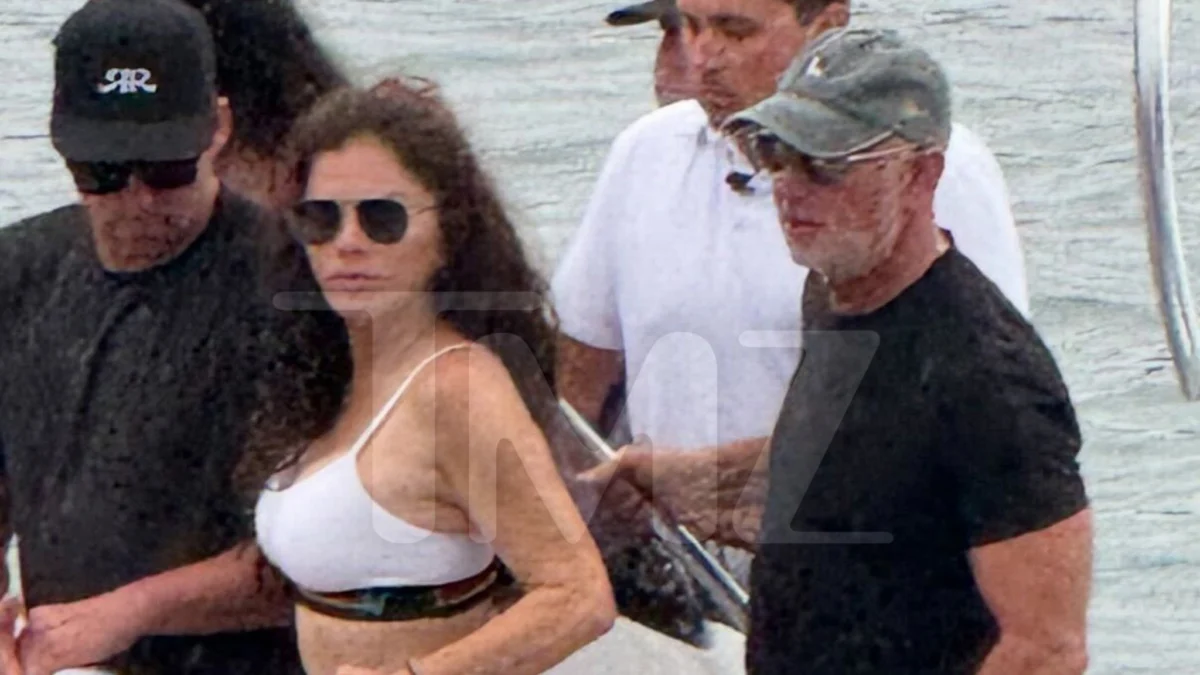
In a conspicuous display of ultra-luxury travel, Amazon founder Jeff Bezos and his fiancée, Lauren Sánchez, were recently observed embarking on an exclusive expedition to the ecologically pristine Galápagos Islands. The voyage, undertaken aboard their opulent $500 million superyacht, the Koru, and its accompanying $100 million support vessel, the Abeona, unfolded just days after Sánchez made headlines with candid remarks about her relationship with Bezos, including a desire to expand their family, and amid public discussions sparked by a recent New York Times interview. Published on April 15, 2026, the images of the couple enjoying the unique volcanic archipelago have once again placed their lifestyle under the global spotlight, highlighting the intersection of extreme wealth, environmental conservation, and public scrutiny.
The Galápagos Expedition: A Blend of Luxury and Ecological Immersion
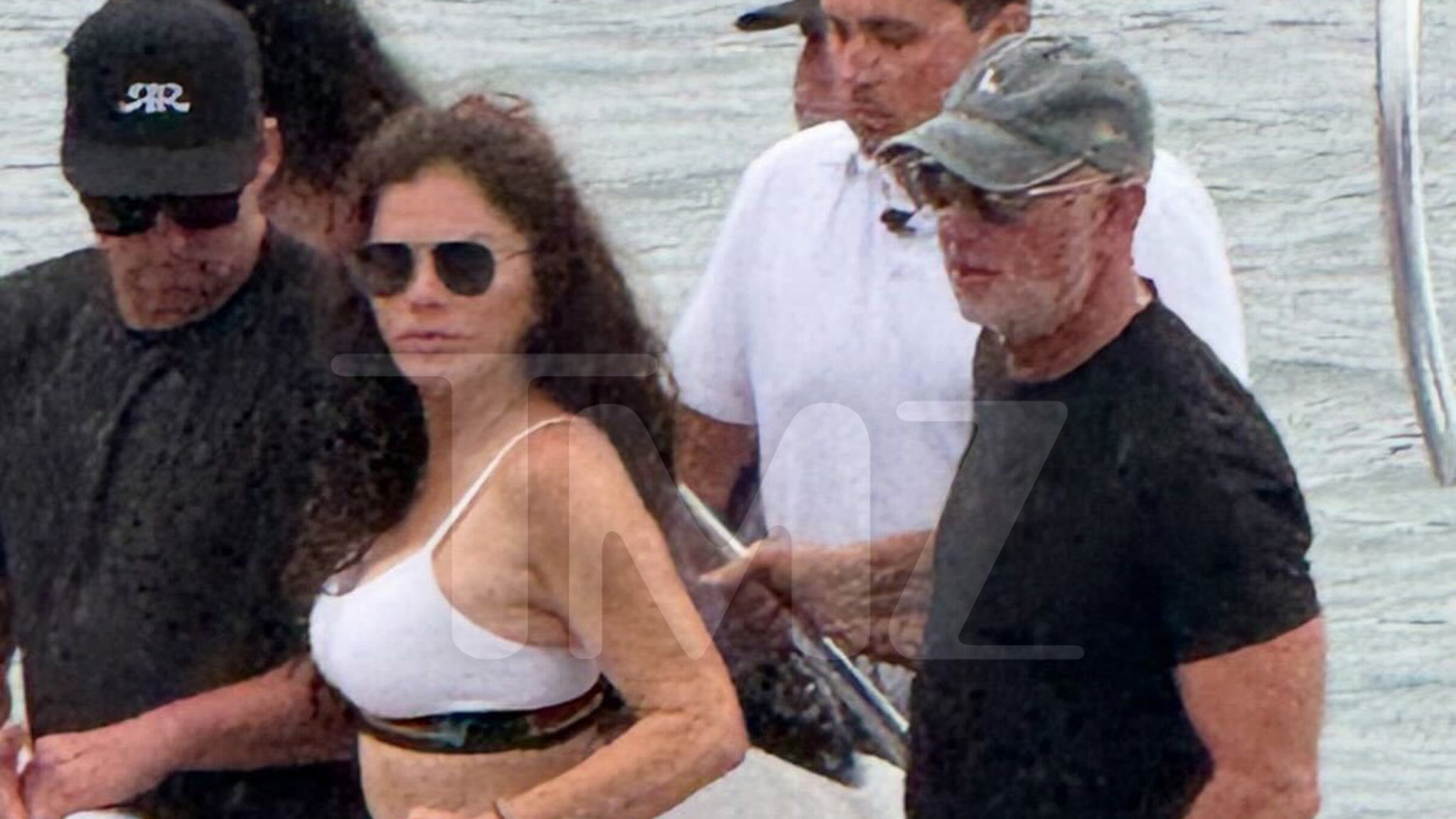
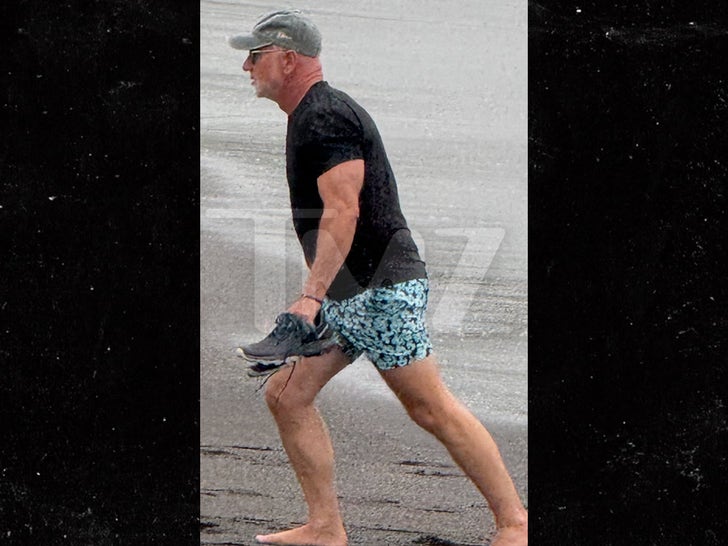
The recent photographs captured Bezos and Sánchez in casual swimwear, disembarking from their colossal vessel to explore one of the Galápagos’ iconic islands. Bezos was seen walking barefoot in the sand, carrying his shoes, while Sánchez likewise held a pair of comfortable footwear, suggesting an intention for a hike or an extended exploration of the island’s unique terrain. This casual attire contrasted sharply with the grandeur of their mode of transport, underscoring a desire to engage directly with the natural environment of the Galápagos, renowned globally for its unparalleled biodiversity and as a living laboratory for evolutionary science.
The Galápagos Islands, a remote volcanic archipelago in the Pacific Ocean, are a designated UNESCO World Heritage site and a national park of Ecuador. Famed for inspiring Charles Darwin’s theory of evolution by natural selection during his 1835 visit aboard HMS Beagle, the islands boast an extraordinary array of endemic species, including giant tortoises, marine iguanas, blue-footed boobies, and various finches, all uniquely adapted to their isolated habitats. Strict regulations govern visitor access and activities to preserve this delicate ecosystem, mandating guided tours, designated pathways, and strict rules against disturbing wildlife or removing natural elements. The presence of a superyacht flotilla in such a sensitive environment naturally draws attention, prompting discussions about the impact of high-end tourism on fragile ecological zones.
The Koru and Abeona: A Flotilla of Grandeur and Capability
At the heart of this expedition is the Koru, a majestic sailing superyacht that stands as a testament to unparalleled luxury and engineering prowess. Delivered by the Dutch shipyard Oceanco in 2023, the Koru, measuring approximately 417 feet (127 meters) in length, is one of the largest sailing yachts in the world. Its three towering masts dominate the skyline, embodying both traditional nautical elegance and cutting-edge design. Features typically include multiple decks, luxurious staterooms, expansive lounges, a swimming pool, and sophisticated navigation and communication systems. The construction cost, estimated at around $500 million, reflects the bespoke craftsmanship and advanced technology integrated into every aspect of its design.
Accompanying the Koru is its dedicated support vessel, the Abeona, valued at an additional $100 million. Support vessels like the Abeona are integral to the operation of mega-yachts, serving as a floating garage and logistics hub. They typically carry an array of tenders, smaller boats, jet skis, diving equipment, and, notably in this case, a helicopter. The original report mentioned that "Charles Darwin worked on his theory of evolution down here back in the day … but he didn’t bring a helicopter like Jeff and Lauren." This detail highlights the vast technological disparity between historical and contemporary exploration. The Abeona ensures that the Koru itself remains unburdened by utilitarian equipment, allowing its primary vessel to maintain its pristine aesthetic and focus solely on luxury and leisure. Furthermore, support vessels often house additional crew, provisions, and fuel, enabling extended voyages to remote locations like the Galápagos without the need for frequent port calls.
The operation and maintenance of such a flotilla entail significant ongoing costs, including fuel, crew salaries, insurance, provisions, and extensive upkeep. This massive investment in personal leisure vessels by the world’s wealthiest individuals often sparks broader conversations about wealth distribution, carbon footprint, and the ethics of luxury consumption in an era of pressing global challenges, including climate change and biodiversity loss.
Public Scrutiny and Personal Revelations: Navigating the Narrative
The Galápagos excursion unfolded against a backdrop of heightened public interest in Jeff Bezos and Lauren Sánchez’s relationship and personal lives. Just days prior to the reported trip, on April 11, 2026, a New York Times interview with Lauren Sánchez was published, generating considerable discussion. While the specifics of the "backlash" mentioned in the original report were not detailed, such interviews often delve into their philanthropic endeavors, their shared vision, and the personal dynamics of their relationship, frequently leading to public commentary on their opulent lifestyle versus their stated commitments to global issues.
In the New York Times piece, Sánchez reportedly expressed a strong desire to expand her family with Bezos, stating she "would have a baby tomorrow" with her billionaire husband. This personal revelation offers a glimpse into their shared future aspirations and underscores a profound personal connection. Coupled with this, Sánchez also revealed a daily ritual they share: listing 10 unique things they are grateful for each morning, with no repeats allowed. This practice, intended to foster gratitude and mindfulness, provides a contrasting narrative to the public perception of their extraordinary wealth. The juxtaposition of a half-billion-dollar yacht trip to a remote ecological marvel with a daily gratitude practice creates a complex public image, inviting both admiration and critical examination.
The Bezos-Sánchez Dynamic: Philanthropy, Public Profile, and Future Aspirations
Jeff Bezos and Lauren Sánchez’s relationship became publicly known in 2019, evolving into a prominent feature of the global celebrity and business landscape. Their engagement, confirmed earlier this year, solidified their status as a power couple. Beyond their personal lives, they have increasingly channeled their influence and resources towards philanthropic initiatives, most notably through the Bezos Earth Fund.
Established in 2020 with a monumental $10 billion commitment from Jeff Bezos, the Bezos Earth Fund is dedicated to combating climate change and protecting nature. Sánchez plays an active and visible role in the fund’s initiatives, often accompanying Bezos to climate-related events and advocating for environmental causes. This active engagement in philanthropy, particularly in environmental conservation, adds another layer of complexity to their Galápagos visit. While the trip is undeniably a private luxury vacation, it also offers them a direct, immersive experience in one of the world’s most critical biodiversity hotspots, potentially informing their future philanthropic strategies and public advocacy. The question often arises whether such high-profile visits to environmentally sensitive areas are purely recreational or serve a dual purpose of personal enjoyment and direct observation for their conservation efforts.
The Galápagos: A Fragile Paradise and the Ethics of High-End Tourism
The Galápagos Islands represent a unique challenge for conservationists and policymakers worldwide. Their unparalleled ecological significance is constantly balanced against the pressures of tourism, which, while providing economic benefits to Ecuador, also poses inherent risks to the fragile ecosystem. The Galápagos National Park and Marine Reserve enforces stringent regulations to minimize human impact, including limits on visitor numbers, designated landing sites, mandatory naturalist guides, and strict codes of conduct that prohibit touching wildlife, straying from marked paths, or introducing foreign species.
The arrival of a mega-yacht like the Koru, even with its advanced environmental systems, invariably raises questions about its ecological footprint compared to smaller, locally operated eco-tourism vessels. Concerns often include waste management, potential for anchor damage to sensitive marine habitats, fuel consumption, and the sheer scale of logistical support required. While superyacht owners often emphasize their commitment to sustainable practices and adherence to local regulations, the sheer size and opulence of such vessels can symbolize a disconnect from the conservation ethos that the Galápagos embodies. The contrast with Charles Darwin’s humble voyage aboard the Beagle more than a century and a half ago, which relied on basic scientific tools and human observation, is stark, highlighting the profound evolution in both human capability and impact on the natural world.
Wealth, Influence, and Public Expectation in the 21st Century
Jeff Bezos, consistently ranked among the world’s wealthiest individuals, occupies a unique position in global society. His influence extends far beyond the business realm, touching technology, space exploration through Blue Origin, media ownership with The Washington Post, and philanthropy. With such immense wealth and influence comes intense public scrutiny, and every action, from business decisions to personal vacations, is often analyzed through multiple lenses.
The public discourse surrounding Bezos and Sánchez’s Galápagos trip encapsulates broader societal debates about extreme wealth, its responsibilities, and its manifestations. While luxury travel is a personal choice, when undertaken by figures of their stature, it inevitably becomes a point of reference for discussions on global inequality, environmental stewardship, and the role of billionaires in addressing planetary challenges. The couple’s efforts through the Bezos Earth Fund demonstrate a commitment to these issues, yet their lifestyle choices continue to fuel conversations about the balance between private indulgence and public responsibility.
Conclusion
The recent voyage of Jeff Bezos and Lauren Sánchez to the Galápagos Islands aboard their extraordinary superyacht flotilla is more than just a celebrity vacation; it is a vivid illustration of the complex interplay between unprecedented personal wealth, global ecological treasures, and contemporary public perception. Amidst personal revelations about family aspirations and a stated commitment to gratitude, the couple’s journey highlights the profound contrasts and connections in their public and private lives. As they navigate the pristine landscapes that once inspired Darwin, their presence in such a sensitive environment serves as a potent symbol of the ongoing global dialogue about luxury, conservation, and the evolving responsibilities of the world’s most influential figures in the 21st century.


 Yuyun Lusiyani
 Joko Widodo
 Eva Lovia
 Pevita Pearce
 Lina Irawan