
 Ana Megawati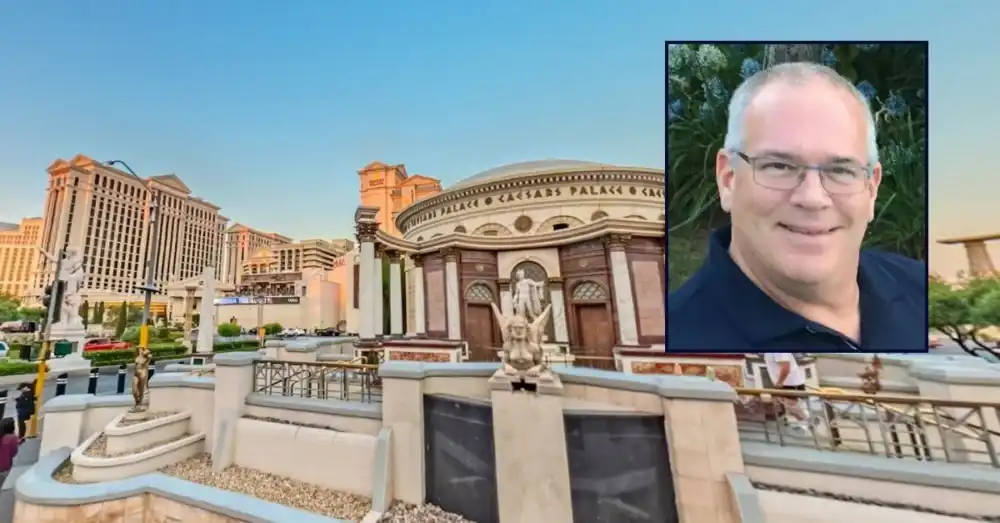
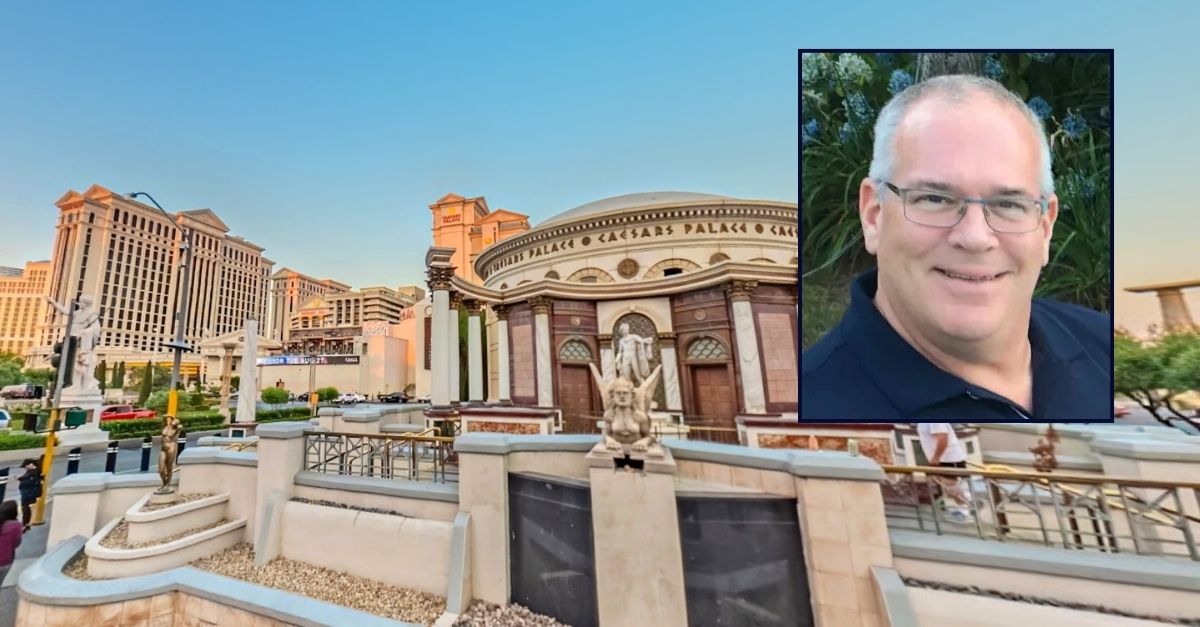
A U.S. Army veteran visiting the iconic Caesars Palace in Las Vegas allegedly fell critically ill on the property in November 2024, only to be misidentified as intoxicated by numerous employees and security guards, who then arranged for a rideshare service instead of providing medical aid or calling emergency responders. This alleged failure to render appropriate care is now the subject of a wrongful death lawsuit filed by the veteran’s family, claiming that the critical delay in medical attention ultimately led to his death just weeks later. The case has ignited a crucial discussion about premises liability, staff training, and the duty of care owed by large hospitality establishments to their patrons.
The Allegations: A Misdiagnosis with Fatal Consequences
According to a legal complaint filed by the estate of Gary Perrin, 64, of Rhode Island, and obtained by Law&Crime on Wednesday, Mr. Perrin exhibited "visible signs" of an undisclosed illness while at Caesars Palace. Despite these overt symptoms, which reportedly included "sudden onset of sweating, double vision, dizziness and vomiting," the lawsuit contends that no one on staff took appropriate steps to help him. Instead, the complaint alleges, "Due to, but not limited to, a lack of training, a lack of supervision, laziness, being overworked and tired, profiling, and or a lack of policies and procedures, it was presumed, incorrectly, that Perrin was intoxicated."
This "incorrect presumption," the family asserts, directly led to the decision by Caesars workers to "call an Uber/Lyft instead of onsite paramedics or EMR transport" for Mr. Perrin. The legal filing describes this decision as causing a "critical delay of medical care that ultimately led to, caused, or contributed substantially to his death." The family’s complaint underscores a profound failure in the casino’s protocols, stating, "Despite the knowledge of [Perrin’s] serious illness, the Caesars defendants did not render immediate and/or reasonable medical attention… nor did they take steps to call for medical attention." It further alleges that "Caesars defendants did not call an ambulance for [Perrin] one [of] which was on property, upon information and belief." While the precise cause of Mr. Perrin’s death is not detailed in the available court documents, the family claims the delayed care resulted in him suffering "severe injuries, including but not limited [to] surgical scars and disfigurement, pain and suffering, and loss of life."
A Life of Service and Dedication: Who Was Gary Perrin?
Gary Joseph Perrin was a man defined by service and unwavering dedication to his family and community. An obituary for Mr. Perrin describes him as a "proud veteran of the U.S. Army," having served his country for four years. Following his military service, Mr. Perrin embarked on a distinguished civilian career with UPS, where he dedicated 29 years before retiring. His commitment to service did not end there; he later took on a role as an assistant to the dean of students and football coach at Goffstown High School in New Hampshire, impacting countless young lives through mentorship and guidance.
Mr. Perrin is survived by his loving wife of 29 years and their daughter, who now navigate a profound grief compounded by the circumstances surrounding his passing. The lawsuit poignantly states, "[Perrin] was a loving and devoted father and by reason of his demise, plaintiffs were caused to suffer grief, sorrow, loss of companionship, society, and comfort." His death represents not only a personal tragedy for his family but also a stark reminder of the potential human cost when established safety protocols are allegedly overlooked or misapplied.
Chronology of Alleged Negligence
The unfolding of events, as detailed in the lawsuit, paints a troubling picture of alleged systemic failure:
- November 2024 (Specific Date Undisclosed): Gary Perrin, a U.S. Army veteran, is a guest at Caesars Palace in Las Vegas.
- During His Stay: Mr. Perrin begins to exhibit "visible signs" of an undisclosed illness, including "sudden onset of sweating, double vision, dizziness and vomiting." These symptoms are reportedly observed by "numerous" Caesars employees and security guards.
- Misdiagnosis: Despite the clear medical distress, staff allegedly "presumed, incorrectly," that Mr. Perrin was intoxicated. The lawsuit attributes this misjudgment to factors such as "a lack of training, a lack of supervision, laziness, being overworked and tired, profiling, and or a lack of policies and procedures."
- Failure to Render Aid: The complaint alleges that Caesars defendants "did not render immediate and/or reasonable medical attention" and "did not take steps to call for medical attention." It specifically notes the alleged failure to call an ambulance, despite one potentially being on the property.
- Arrangement of Rideshare: Instead of summoning paramedics or emergency medical transport, Caesars staff allegedly called an Uber/Lyft for Mr. Perrin.
- Critical Delay: This decision is characterized as causing a "critical delay of medical care."
- Subsequent Medical Decline: Mr. Perrin’s condition reportedly deteriorated, leading to "severe injuries, including but not limited [to] surgical scars and disfigurement, pain and suffering."
- Weeks Later: Gary Perrin succumbs to his illness, with his death allegedly "led to, caused, or contributed substantially to" by the delayed medical intervention.
- Wednesday, [Date of Lawsuit Filing]: The lawsuit is filed by Mr. Perrin’s estate, alleging wrongful death and negligence against Caesars Palace.
Legal Framework: Premises Liability and the Duty of Care
The lawsuit against Caesars Palace hinges on the legal principle of premises liability, which dictates that property owners and operators have a duty to maintain a safe environment for their patrons. This duty extends beyond physical safety to include reasonable care in responding to medical emergencies. In Nevada, like many other states, businesses open to the public are generally expected to provide reasonable assistance to patrons who become ill or injured on their property. This often includes summoning emergency medical services if a person appears to be in distress.
Legal experts frequently emphasize that the standard of "reasonable care" is central to such cases. This can encompass having adequately trained staff, clear emergency protocols, and the ability to distinguish between intoxication and genuine medical emergencies. For large establishments like Caesars Palace, which host thousands of guests daily, the expectation for robust emergency response systems is particularly high. This includes not only trained security personnel but often also readily available medical staff or a direct line to local emergency services.
A significant challenge in crowded environments like casinos is the potential for misdiagnosis. Symptoms of various medical conditions, such as stroke, diabetic emergency, or severe dehydration, can sometimes mimic those of alcohol intoxication. This underscores the importance of staff training in basic first aid, symptom recognition, and, crucially, the protocol to err on the side of caution by calling for professional medical assessment rather than making a potentially life-threatening judgment.
Industry Standards and Emergency Protocols in Hospitality
The hospitality industry, particularly large resorts and casinos, operates under stringent safety and security guidelines. Many venues employ dedicated security teams, some of whom are trained in basic life support (BLS) and first aid. It is also common for such establishments to have arrangements with local emergency medical services (EMS) for rapid response, or even to have onsite medical personnel or clinics.
The industry generally advocates for a "see something, say something" approach to guest welfare. When a guest appears to be in distress, whether physical or medical, the standard protocol usually involves assessing the situation, securing the area, and, if there’s any doubt about the person’s condition, immediately contacting EMS. The decision to use a rideshare service, rather than professional medical transport, for someone exhibiting severe symptoms is widely considered a deviation from best practices, particularly if the individual is visibly incapacitated or unresponsive. Such a decision shifts the responsibility for medical assessment and transport from trained professionals to an untrained driver and potentially delays vital medical care.
The Critical Delay: Impact of Misdiagnosis and Delayed Treatment
The lawsuit explicitly alleges that the "critical delay of medical care" was a substantial factor in Gary Perrin’s death. Medical science consistently demonstrates that for many acute conditions, such as strokes, heart attacks, or severe infections, the speed of intervention is paramount. The "golden hour" concept in emergency medicine highlights that early diagnosis and treatment within the first hour of a medical emergency can significantly improve outcomes and reduce mortality.
When symptoms like "sudden onset of sweating, double vision, dizziness and vomiting" are misinterpreted, valuable time is lost. Instead of receiving immediate evaluation, vital signs assessment, and potentially life-saving interventions, a patient may be left without care, transported without medical supervision, or even sent home, allowing their condition to worsen irreversibly. The alleged decision to call a rideshare, rather than an ambulance, bypasses the essential initial assessment by paramedics who are trained to stabilize patients, administer first aid, and transport them safely to a hospital while communicating critical information to emergency room staff. This omission, if proven, represents a profound failure in the chain of care that could have dramatically altered Mr. Perrin’s prognosis.
Caesars Entertainment’s Response
As of Wednesday, Caesars Entertainment had not responded to Law&Crime’s requests for comment regarding the lawsuit. In legal proceedings of this nature, it is common for large corporations to refrain from public comment on ongoing litigation, often citing policy or the advice of legal counsel. Their official response will typically come in the form of a legal filing in court, such as a motion to dismiss or an answer to the complaint, outlining their defense. The absence of immediate public comment does not necessarily indicate admission of guilt but is standard practice in high-stakes legal battles.
Broader Implications for the Hospitality Industry
This case has significant implications for the entire hospitality industry, particularly for large-scale venues like casinos, hotels, and entertainment complexes. Should the lawsuit proceed and find in favor of Mr. Perrin’s family, it could serve as a powerful precedent, reinforcing the stringent duty of care expected from such establishments. This could lead to:
- Enhanced Training Protocols: A renewed focus on comprehensive first aid and medical emergency training for all customer-facing staff, especially security personnel, with an emphasis on distinguishing between intoxication and medical distress.
- Revised Emergency Procedures: A review and potential overhaul of existing emergency response protocols, ensuring that calling 911 or internal medical teams is the default action when a guest appears seriously ill.
- Increased Scrutiny of Onsite Medical Resources: A push for more robust onsite medical facilities or closer integration with local EMS to ensure rapid professional medical assessment and transport.
- Legal Precedent: A potential increase in premises liability lawsuits if similar incidents occur, with plaintiffs citing this case as a benchmark for negligence in emergency response.
- Public Trust: The outcome of this case could significantly impact public perception of safety and care at major hospitality venues, influencing consumer trust and potentially affecting business.
The case also highlights the complexities of operating in a high-volume environment where staff are expected to make quick judgments. However, the core argument of the lawsuit is that these judgments must align with a fundamental duty to protect guest well-being, prioritizing medical safety over assumptions.
Advocacy and Public Awareness
The tragic circumstances surrounding Gary Perrin’s death resonate deeply within the veteran community and broader society. Veteran advocacy groups often highlight the unique challenges faced by former service members, including potential health issues that may not be immediately apparent. The alleged mischaracterization of a veteran’s medical distress as mere intoxication also touches upon broader societal issues of profiling and assumptions.
This lawsuit serves as a poignant reminder for both the public and institutions to be vigilant in recognizing signs of medical emergency and to prioritize human life by seeking professional medical help rather than making potentially fatal assumptions. It underscores the importance of public awareness campaigns that educate individuals on how to identify various medical emergencies and the correct steps to take when witnessing someone in distress.
Conclusion: Awaiting Justice and Accountability
The lawsuit filed by Gary Perrin’s estate against Caesars Palace is in its early stages, and the legal process will likely be protracted. However, the allegations raise profound questions about corporate responsibility, staff preparedness, and the fundamental duty of care owed to patrons. For Mr. Perrin’s family, the legal battle is not just about financial compensation but about seeking justice for a beloved husband and father, and potentially, about preventing similar tragedies from befalling other guests in the future. As the legal proceedings unfold, the case will undoubtedly be closely watched by the hospitality industry, legal professionals, and the public, all awaiting clarity on accountability and the ultimate implications for safety standards in public spaces.

 Yuyun Lusiyani
 Joko Widodo
 Jia Lissa
 Pevita Pearce
 admin
admin
