Pevita Pearce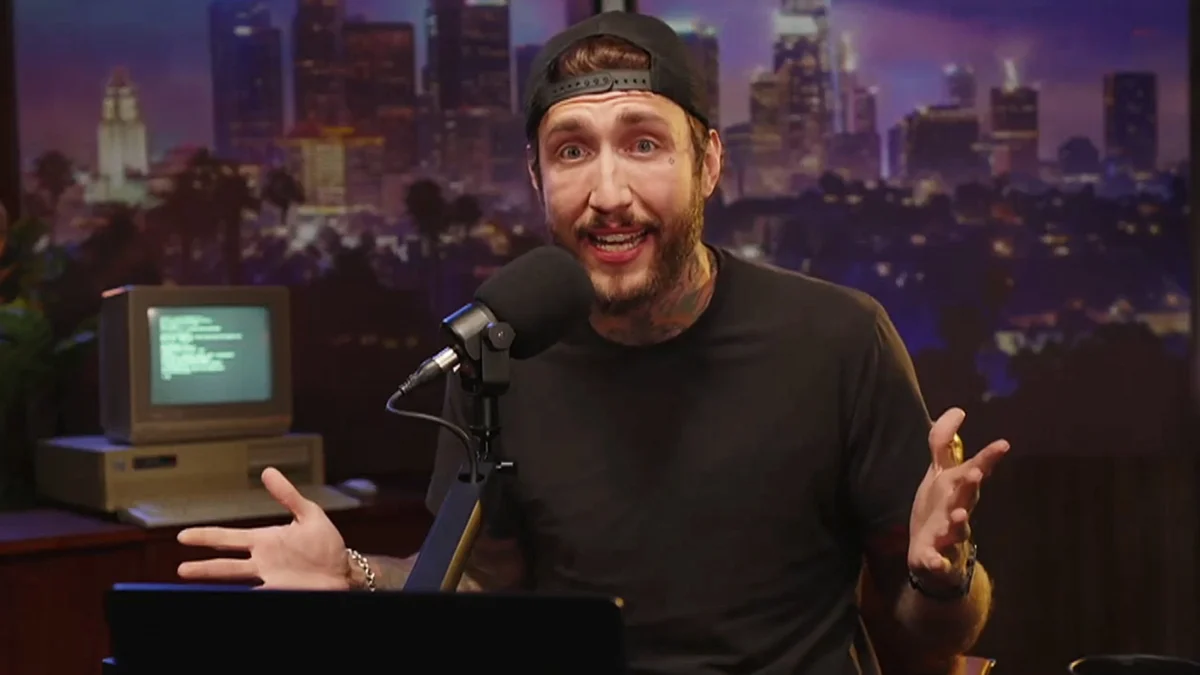
The landscape of digital content creation and professional gaming has undergone a seismic shift following the formal dissolution of the most recent iteration of FaZe Clan and the subsequent emergence of a new entity known as CORE. Ricky Banks, the long-standing co-founder and former Chief Executive Officer of FaZe Clan, has publicly addressed the fragmentation of his organization, offering a candid post-mortem on the management failures that led to the departure of its most prominent creators. This admission coincides with the high-profile reveal of CORE, a collective founded by former FaZe members who cited a lack of autonomy and equitable ownership as the primary catalysts for their exit. The transition marks the end of a turbulent era for FaZe Clan, once the most recognized brand in esports, and signals a new chapter for the creators who propelled the organization to the top of the streaming charts throughout 2024 and 2025.
The Genesis of the Schism and the Rise of CORE
The friction within FaZe Clan reached a critical mass in late 2025, a period characterized by a "mass exodus" of talent that left industry analysts and fans questioning the internal stability of the organization. High-profile creators, including Lacy, Silky, Adapt, and Plaqueboymax, transitioned away from the brand with minimal initial explanation. However, the silence was eventually broken by Plaqueboymax, who engaged in a public discourse on social media regarding the structural flaws of the organization. The central grievance cited was a fundamental lack of control; creators felt they were the primary engines of the brand’s value but possessed little to no equity or decision-making power within the corporate hierarchy.
This internal discord culminated in the announcement of CORE, a new organization positioned as a creator-centric collective. CORE’s debut was punctuated by the reveal of a $20 million content house, a move intended to signal financial viability and a commitment to high-production-value collaborative content. The formation of CORE represents a growing trend in the creator economy, where talent seeks to bypass traditional "middleman" organizations in favor of self-governed entities where the creators themselves are the primary stakeholders.
Accountability and the Management of a Digital Empire
In a livestream on Twitch, conducted on the same day as CORE’s public unveiling, Ricky Banks addressed the situation with an uncharacteristic level of professional accountability. Banks, who had assumed the role of CEO during a 2024 restructuring intended to save the flailing brand, admitted that his leadership style was ultimately detrimental to the organization’s long-term health. He acknowledged that while the creative output of the group was unparalleled, the operational and administrative foundations were neglected.
Banks stated that the primary failure lay in the inability to align the interests of the corporate entity with those of the individual creators. He admitted to a historical pattern of ignoring the "boring" aspects of the business, such as contracts, legal obligations, and financial planning, in favor of focusing on brand identity and social media engagement. This "content-first" approach, while successful in generating short-term hype and viewership dominance, proved unsustainable. Banks revealed that the endeavor to keep FaZe at the top of the industry cost "millions and millions of dollars," and his belief that the business logistics could be "figured out later" was a critical miscalculation.
A Chronology of the FaZe Clan Transformation (2024–2026)
To understand the weight of Banks’ admission, it is necessary to examine the timeline of FaZe Clan’s final years.
- The 2024 Reboot: Following years of financial instability and a poorly received public listing, Ricky Banks spearheaded a radical restructuring of FaZe Clan. The organization pivoted away from its sprawling esports roster to focus on a core group of high-energy streamers. This "reboot" was initially hailed as a massive success.
- Twitch Dominance (Late 2024 – Early 2025): The new roster, including many now-CORE members, dominated the "Just Chatting" category on Twitch. The organization earned multiple industry awards and saw its engagement metrics soar, revitalizing the brand’s cultural relevance.
- Internal Friction (Mid-2025): Despite public success, internal reports began to surface regarding disputes over contract terms and the distribution of revenue. Creators began expressing public dissatisfaction with the "old guard" management style.
- The Great Exit (Late 2025): A significant portion of the talent roster officially cut ties with FaZe Clan. The lack of clarity surrounding these departures led to intense speculation within the gaming community.
- The Reveal of CORE and ‘Market Bubble’ (April 2026): Former members officially rebranded under the CORE banner. Simultaneously, Banks announced his pivot to a financial-themed podcast titled "Market Bubble," signaling his departure from day-to-day talent management.
Economic Realities of the Content House Model
The collapse of the 2024 FaZe roster highlights the precarious economics of content houses. While these collectives generate massive viewership, the overhead costs—including luxury real estate, production staff, and talent stipends—often outpace the revenue generated from sponsorships and platform payouts. Banks’ admission that the brand "crushed" the content side but lost millions suggests that the traditional esports and gaming house model may be fundamentally flawed when managed without rigorous fiscal discipline.
Data from the 2024–2025 period shows that while FaZe Clan was often the most-watched organization on Twitch, its "burn rate" remained a point of concern for investors. The transition to CORE suggests that the departing creators believe a leaner, more autonomous structure can achieve similar viewership numbers without the heavy corporate baggage and debt associated with the FaZe brand. The $20 million investment in the CORE house indicates that private capital is still flowing into the creator space, but with a shift in focus toward groups that maintain direct ownership of their intellectual property.
Official Responses and Industry Implications
While the members of CORE have focused their messaging on the future, the sentiment among the group remains one of hard-learned lessons. In various social media posts and teaser videos, the founders of CORE have emphasized "transparency" and "ownership" as their new guiding principles. They have positioned CORE not just as a content group, but as a proof-of-concept for how modern influencers should organize.
The fallout has also prompted a broader discussion within the industry regarding the role of the "CEO-creator." Banks’ struggle to balance his identity as a cultural figurehead with the requirements of a corporate executive serves as a cautionary tale. Industry analysts suggest that the era of "vibes-based" management is ending, replaced by a need for sophisticated business operations that can support the high-stakes world of digital entertainment.
Banks’ new venture, the "Market Bubble" podcast, appears to be an attempt to leverage his experiences—both successful and failed—to educate others on the volatility of the digital economy. By naming the podcast "Market Bubble," Banks seems to be acknowledging the inflated expectations and unsustainable spending that characterized the recent history of the gaming industry.
The Future of the "FaZe" Legacy and the Debut of CORE
As of May 2026, the FaZe Clan brand exists in a state of uncertainty. With its primary talent drivers now operating under the CORE umbrella, the organization that defined a generation of gaming culture must find a new identity or face total obsolescence. Banks himself has described the previous era as one of the best moments of his life, despite the regrettable conclusion. His willingness to take 100% accountability for the "f*** up" is a rare moment of transparency in an industry often clouded by corporate spin.
CORE is scheduled to host its inaugural stream on May 2, 2026. The success of this debut will be a significant indicator of whether the audience’s loyalty lies with the historic "FaZe" brand or with the individual creators who define it. If CORE manages to maintain its viewership without the backing of the FaZe infrastructure, it will further validate the "creator-first" model and potentially mark the permanent decline of the traditional esports organization as a talent management entity.
For now, the story of FaZe Banks and the formation of CORE stands as a definitive case study in the evolution of the creator economy. It illustrates the transition from the chaotic, growth-at-all-costs mindset of the early 2020s to a more mature, equity-focused landscape where the "boring" details of business—contracts, ownership, and financial sustainability—are no longer optional, but essential for survival.



 Jia Lissa
 Yuyun Lusiyani
 Joko Widodo
 Eva Lovia