
 Joko Widodo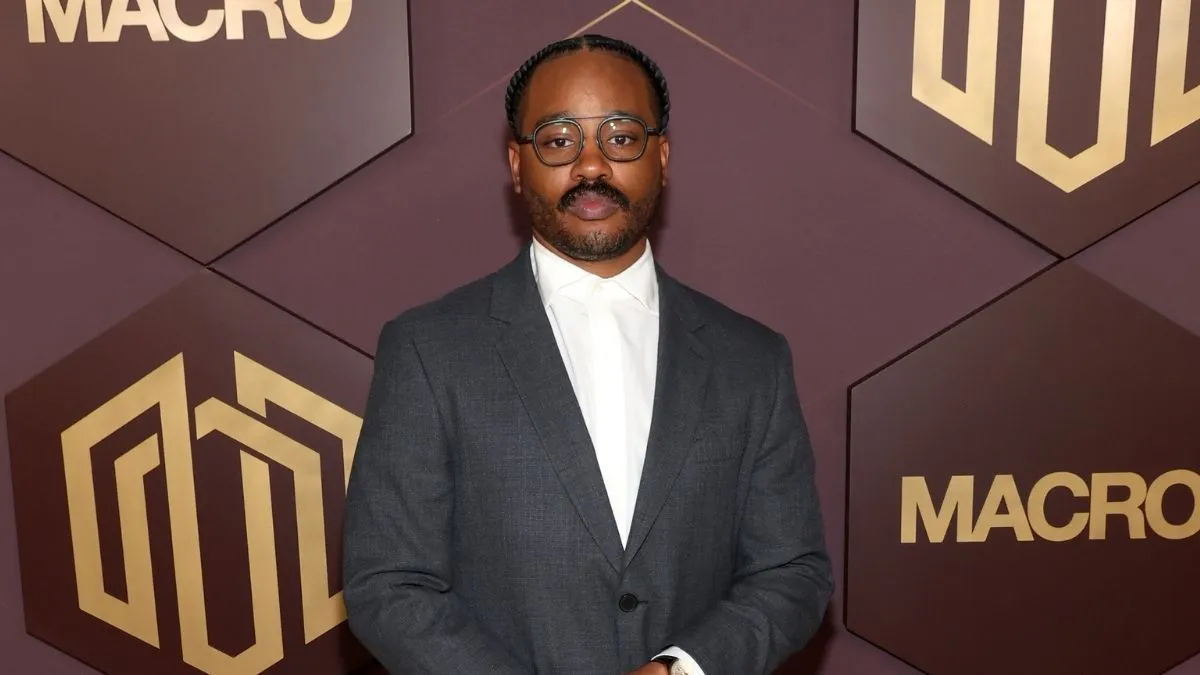
The cinematic world, often characterized by its grand narratives and star-studded premieres, has recently witnessed a peculiar convergence of high art and viral internet culture. Ryan Coogler, the visionary director behind the critically acclaimed supernatural horror-thriller Sinners, has found himself the subject of an unexpected and rather unsettling social media phenomenon. An innovative TikTok skit, conceived as a social media experiment and ultimately serving as a clever advertisement, has transformed an imitator of Coogler into a personification of sleep paralysis demon, a concept that taps into primal fears and shared psychological experiences. This transformation, while humorous in its execution, has sparked conversations about the evolving landscape of content creation, celebrity influence, and the often-unforeseen ways popular culture intersects with deeply ingrained human anxieties.
The genesis of this unique viral moment can be traced to a TikTok video posted by user @jharvin15, which was subsequently shared across platforms like Instagram. The skit features a Coogler lookalike emerging from the shadows, presenting a disoriented and sleep-deprived individual with a cup of coffee. The doppelganger’s dialogue is steeped in the unsettling logic of a nightmare: "So, we in your nightmare, right? Yeah, yeah, yeah. We in your nightmare. … Sometimes it could be a traumatic experience, right? Of all the myriad of people that you could have had as your demon, right? You chose me. So I’m just eternally grateful for the opportunity." This dialogue masterfully blends the mundane with the terrifying, a hallmark of effective horror, and cleverly subverts the typical perception of a "demon" as purely malevolent, instead imbuing it with a sense of almost pathetic gratitude for its assigned role.
While the skit initially plays on the anxieties associated with sleep paralysis – a phenomenon characterized by a temporary inability to move or speak while falling asleep or waking up, often accompanied by vivid and frightening hallucinations – its true purpose is revealed as a promotional tool for Kalshi, a financial exchange where users can trade on the outcome of real-world events. The unexpected pivot from a horror-themed narrative to a commercial advertisement highlights the increasing sophistication and often surprising integration of marketing within viral content. This approach allows brands to tap into existing trends and engage audiences on a more visceral and memorable level, bypassing traditional advertising channels.
This is not the first instance of Coogler’s persona being humorously integrated into online content. A prior example, shared by @espy.psd earlier in the month, showcased Coogler’s musings on the unconventional yet appealing possibilities of cinema snack combinations. During an appearance on the Good Hang podcast with Amy Poehler in January 2026, Coogler shared his thoughts on beverage mixing, stating, "I’m not a big soda person, but like, when they started to let you mix and match the drinks, I got involved with that." This seemingly trivial anecdote, when recontextualized within a creative online narrative, demonstrates the power of mundane observations to become sources of engaging content when presented through the lens of humor and popular culture. The ability of creators to extract quotable, relatable, or even amusing snippets from interviews and weave them into entirely new narratives is a testament to the dynamic nature of digital storytelling.
The context for these internet phenomena is deeply rooted in the immense success and critical acclaim of Ryan Coogler’s film, Sinners. Released in 2025, the movie is a supernatural horror-thriller set against the backdrop of 1932 Mississippi. The narrative centers on twin brothers, Smoke and Stack, portrayed by Michael B. Jordan, who return to their hometown to establish a juke joint, seeking to escape the clutches of the Chicago Mafia. Their aspirations are soon threatened by a malevolent supernatural force that plunges them into a desperate fight for survival. The film’s atmospheric setting, compelling performances, and intricate plot have resonated deeply with audiences and critics alike.
Sinners has emerged as a significant contender in the awards season, boasting an impressive 16 Academy Award nominations. These nominations include a coveted Best Picture nod, as well as two individual nominations for Coogler himself: Best Director and Best Original Screenplay. This level of recognition underscores Coogler’s directorial prowess and his ability to craft narratives that are both commercially successful and artistically profound. Prior to its Oscar push, Sinners had already garnered significant accolades, including prestigious awards from BAFTA and the National Board of Review, signaling its strong standing within the cinematic community.
The intersection of a celebrated filmmaker like Ryan Coogler with the often-absurdist and experimental nature of TikTok presents a fascinating case study in the modern media ecosystem. The sleep paralysis demon skit, while undeniably entertaining, also highlights the increasing permeability between different forms of media. What might have once been considered disparate realms – high-brow filmmaking and ephemeral internet trends – are now increasingly influencing and informing one another. The ability of a viral video to leverage the perceived persona of a successful director, even through imitation, speaks to the pervasive influence of celebrity and creativity in the digital age.
Background and Chronology of the Viral Phenomenon
The timeline of this particular viral trend, while difficult to pinpoint with absolute precision due to the rapid dissemination of content online, can be broadly understood within the context of late 2025 and early 2026, coinciding with the awards season buzz surrounding Sinners.
- Early 2026: Speculation and anticipation surrounding Sinners‘ Oscar potential begins to solidify, with the film garnering significant attention at precursor awards ceremonies like BAFTA and the National Board of Review. Ryan Coogler’s name is prominently associated with critical and commercial success.
- January 2026: Coogler’s interview on the Good Hang podcast with Amy Poehler, where he discusses cinema snack preferences, takes place. This interview, though seemingly lighthearted, would later provide source material for creative online content.
- Early to Mid-February 2026: The first iteration of a viral TikTok skit featuring a Coogler imitator appears. The video, shared by @espy.psd, humorously integrates Coogler’s thoughts on beverage mixing, demonstrating an early trend of repurposing his public persona for comedic effect.
- Mid-February 2026: The more elaborate sleep paralysis demon skit, posted by @jharvin15 on TikTok and Instagram, gains significant traction. This video builds upon the previous trend, introducing a more unsettling narrative and a clear, albeit creative, advertising tie-in for Kalshi. The skit’s success is amplified by its shareability and its ability to tap into a widely recognized cultural phenomenon (sleep paralysis).
The underlying appeal of these skits lies in their ability to create a humorous dissonance between Coogler’s established reputation as a serious and talented filmmaker and the absurd or uncanny scenarios he is depicted in. This juxtaposition generates surprise and amusement, making the content highly shareable. Furthermore, the use of an imitator, rather than Coogler himself, allows for a degree of creative license and ethical distance, while still leveraging the audience’s recognition of his distinctive appearance and persona.
Supporting Data: The Power of Viral Content and Influencer Marketing
The success of these TikTok skits, particularly their ability to integrate commercial messaging, is a testament to the evolving landscape of digital marketing. Platforms like TikTok have become powerful engines for viral content, capable of reaching millions of users instantaneously. According to Statista, by the end of 2023, TikTok had over 1.5 billion monthly active users globally, a figure that continues to grow. This vast audience presents an unparalleled opportunity for brands to engage consumers in novel and engaging ways.
The concept of "influencer marketing" has also evolved beyond simple endorsements. Creators are now adept at weaving brand messages seamlessly into their content, making advertisements feel more organic and less intrusive. In the case of the Sinners director skit, the integration of Kalshi is not a direct product placement but a narrative twist that uses the surreal nature of the skit to subtly highlight the platform’s ability to facilitate trading on various outcomes. This "storytelling advertising" approach is particularly effective on platforms where users are primarily seeking entertainment and connection, rather than overt sales pitches.
The financial implications of such viral campaigns can be substantial. While specific figures for the Kalshi campaign are not publicly available, successful viral marketing efforts can lead to significant increases in brand awareness, website traffic, and ultimately, conversions. For platforms like Kalshi, which operate in a competitive financial technology space, generating buzz and educating potential users about their unique offering is crucial for growth. The use of a recognizable figure like Ryan Coogler, even in an imitative capacity, lends a certain gravitas and cultural relevance to the campaign, attracting attention that might otherwise be missed.
Analysis of Implications: Celebrity, Culture, and the Digital Frontier
The transformation of a respected director into a sleep paralysis demon, even by an imitator, raises several interesting points about the relationship between celebrity, popular culture, and the digital sphere.
Firstly, it underscores the ubiquity of online culture and its capacity to co-opt and reimagine public figures. Coogler, through his directorial achievements, has become a recognizable cultural icon. This recognition, however, can transcend the boundaries of his professional work, making him a subject of creative interpretation in entirely unrelated contexts. The internet’s ability to remix, parody, and reinterpret existing cultural artifacts is a defining characteristic of its landscape.
Secondly, the trend highlights the evolving nature of influence. While Coogler’s primary influence stems from his filmmaking, the viral nature of these skits suggests an indirect influence on internet trends and meme culture. His persona, or at least its recognizable elements, has become a building block for online creativity. This phenomenon is not unique to Coogler; many prominent figures find their images and voices adapted into various online narratives, for better or worse.
Thirdly, the integration of a commercial message within such a creatively driven, albeit humorous, piece of content speaks to the blurring lines between entertainment and advertising. As audiences become more adept at filtering out traditional advertisements, brands are forced to innovate. The success of this Kalshi campaign suggests that when done cleverly and with a degree of cultural relevance, advertising can be integrated into content in a way that enhances, rather than detracts from, the viewer’s experience.
The potential for such viral content to be perceived in different ways is also noteworthy. While many viewers likely appreciated the humor and creativity of the skits, the association with sleep paralysis, a genuinely frightening experience for some, could also elicit a more unsettling reaction. The "dark humor" inherent in the concept walks a fine line, and its reception can vary depending on individual sensitivities.
Official Responses and Broader Impact
As of the time of reporting, there have been no official statements from Ryan Coogler or his representatives regarding the TikTok skits. This is not uncommon in the realm of viral internet phenomena, where direct engagement can sometimes amplify the trend further or inadvertently legitimize content that might otherwise fade. The lack of a response can be interpreted in various ways: it could signify that Coogler and his team are aware of the content and choose to disregard it as harmless online creativity, or it could simply mean they have not yet seen it or deemed it unworthy of comment.
However, the existence of these skits and their virality demonstrates a broader impact on how public figures and their work are perceived and interacted with in the digital age. It illustrates the power of user-generated content to shape narratives and create new cultural touchpoints. The fact that a respected director’s persona can be so effectively repurposed for comedic and commercial ends speaks to the pervasive nature of internet culture and its influence on even the most established figures in the entertainment industry.
The success of Sinners has undoubtedly provided fertile ground for such interpretations. The film’s critical acclaim and Oscar nominations have placed Coogler and his work in the public consciousness, making his persona a recognizable element within broader cultural conversations. The internet, in its characteristic fashion, has found a way to engage with this cultural moment through humor, creativity, and the ubiquitous nature of viral trends.
In conclusion, the transformation of a Ryan Coogler imitator into a sleep paralysis demon within a TikTok skit is a compelling example of the dynamic interplay between high-profile cinema and the ever-evolving landscape of social media. It highlights the creative potential of online platforms, the cleverness of modern advertising, and the enduring fascination with both celebrity personas and shared human anxieties. As content creation continues to innovate, such unexpected intersections of art, culture, and commerce are likely to become even more commonplace, shaping how we consume and interact with media in the years to come. The legacy of Sinners, it seems, extends beyond the silver screen, weaving its way into the fabric of internet culture in ways that are both surprising and thought-provoking.




 Yuyun Lusiyani
 Eva Lovia
 Pevita Pearce
 admin
admin
 Lina Irawan