
 Lina Irawan
The Australian National Women’s Football Team has officially secured its place in the 2026 AFC Women’s Asian Cup final following a high-stakes 2–1 victory over China. In a match defined by tactical patience and moments of individual brilliance, the Matildas overcame a resilient Chinese defense to move within one win of their first continental title in sixteen years. The semi-final, held before a fervent crowd, showcased the enduring synergy between the team’s veteran stars and its emerging creative talents, setting the stage for a grand final at Sydney’s Allianz Stadium on Saturday, March 21.
Match Analysis: Tactical Execution and Key Breakthroughs
The encounter began with Australia asserting dominance through high-possession play and aggressive wing-back positioning. The tactical intent was clear from the opening whistle: utilize the pace of Ellie Carpenter and the technical vision of Mary Fowler to stretch the Chinese defensive line. This strategy bore fruit early in the first half. Ellie Carpenter, operating with her trademark verticality, broke forward into the final third before finding Fowler. The young playmaker, showing composure beyond her years, cut the ball back into the path of Caitlin Foord, who clinical finished to give Australia an early 1–0 lead.

However, the opening goal did not demoralize the Chinese side, the defending champions of the 2022 iteration. China responded by tightening their mid-block and looking for transition opportunities. Their persistence was rewarded shortly before the halftime interval when a lapse in the Australian defensive communication led to a foul inside the penalty area. China converted the resulting spot-kick with precision, leveling the score at 1–1 and sending the teams into the locker rooms with the momentum seemingly shifted toward the visitors.
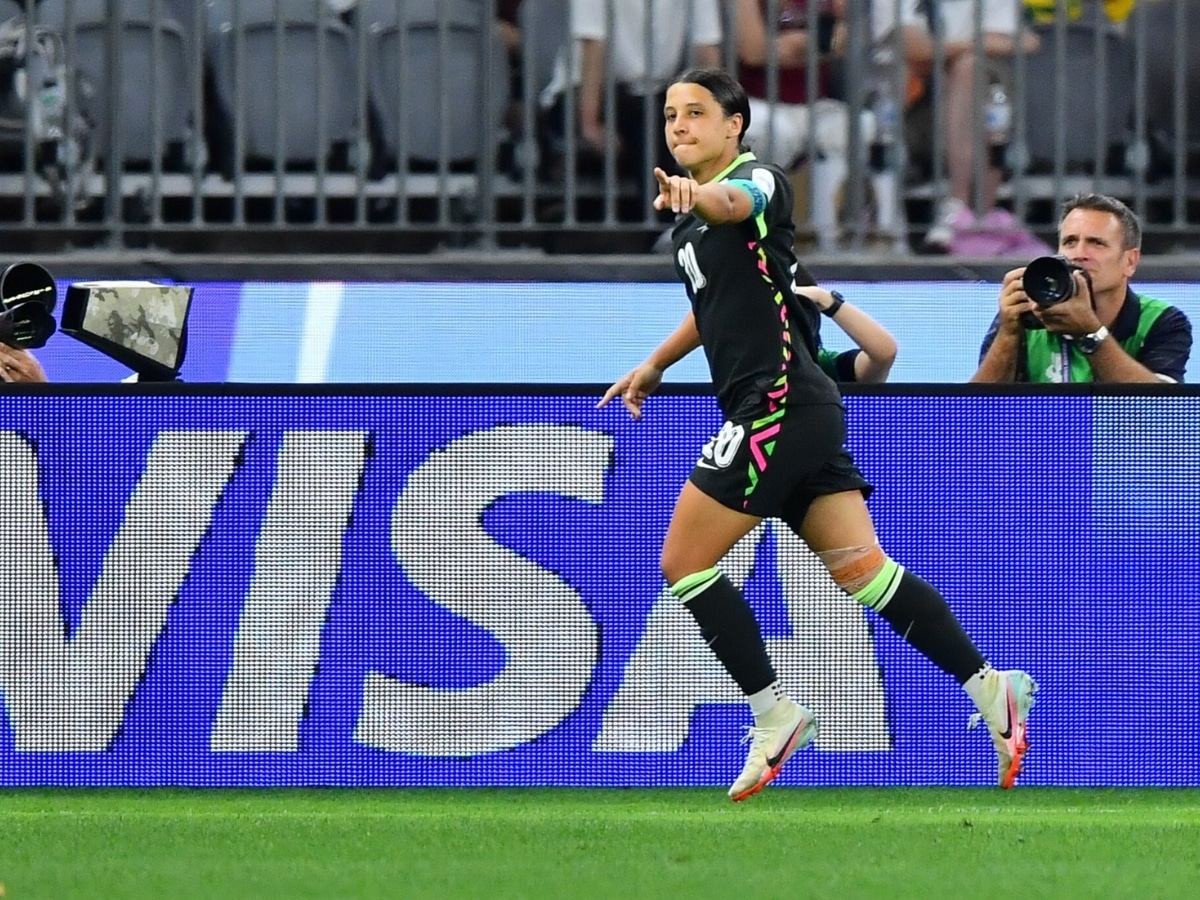
The second half was characterized by a more cautious approach from both sides. China retreated into a disciplined low block, challenging Australia to find space in a congested final third. For nearly fifteen minutes, the Matildas struggled to translate their 62% possession into clear-cut scoring opportunities. The breakthrough finally arrived in the 58th minute. Caitlin Foord, turning from scorer to provider, delivered a perfectly weighted through-ball that bypassed two Chinese defenders. Sam Kerr, the nation’s all-time leading goal scorer, latched onto the pass, rounded the onrushing goalkeeper, and managed to squeeze the ball into the net from an acute, nearly impossible angle. This moment of world-class finishing restored Australia’s lead and ultimately decided the contest.
Historical Context: A Sixteen-Year Pursuit of Glory
Australia’s progression to the 2026 final marks a significant milestone in the program’s history. The Matildas last hoisted the AFC Women’s Asian Cup trophy in 2010, when they defeated North Korea in a dramatic penalty shootout in Chengdu, China. Since that victory, the team has reached the final on two occasions—in 2014 and 2018—but fell short both times to Japan.
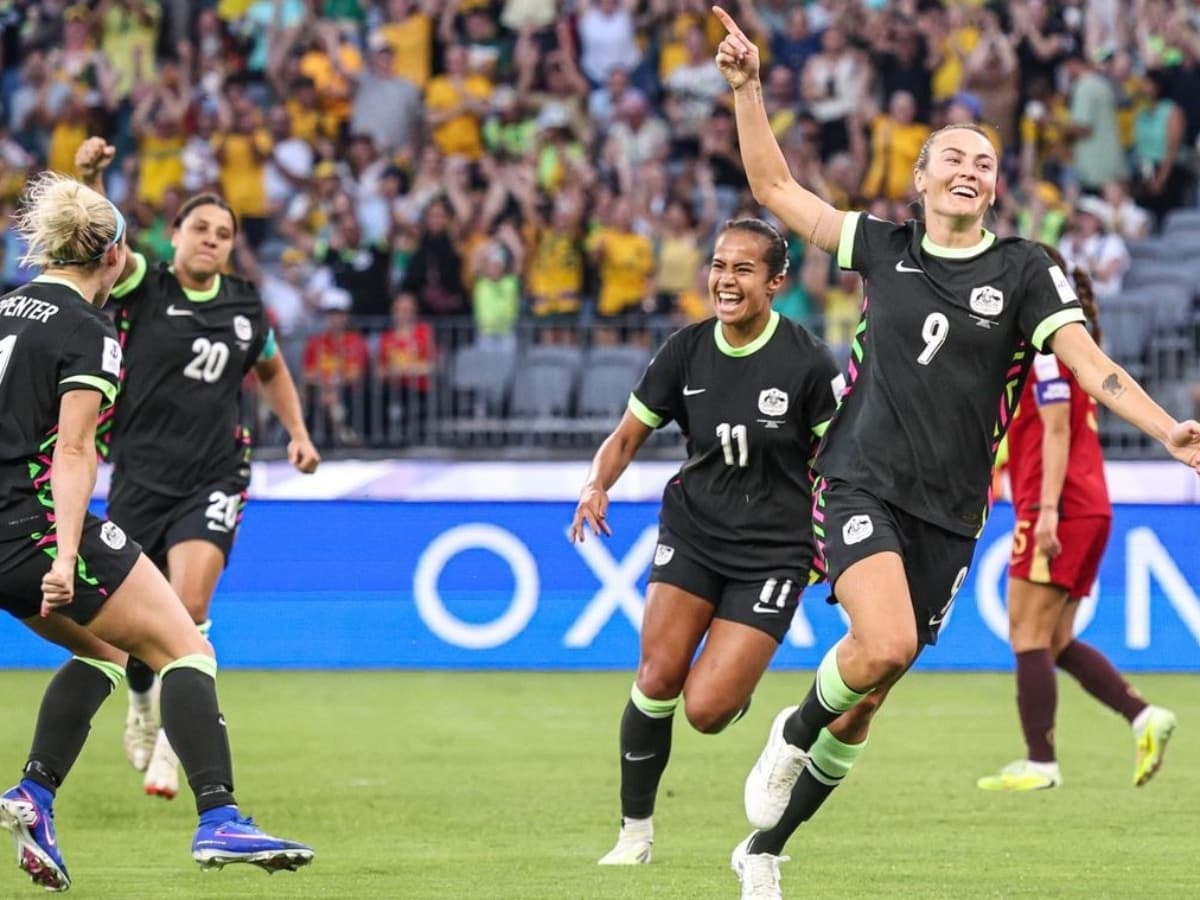
The 2026 tournament represents more than just a quest for silverware; it is a validation of the long-term investment in Australian women’s football following the immense success of the 2023 FIFA Women’s World Cup. Hosting the Asian Cup has allowed the Matildas to capitalize on home-ground advantage and maintain the cultural momentum that has made them one of the most popular sporting teams in the country. A victory in the upcoming final would cement this era of players as the most successful generation in the history of Football Australia.
Statistical Breakdown and Team Performance
Data from the semi-final highlights the technical superiority Australia maintained throughout the ninety minutes, despite the narrow scoreline.
- Possession: Australia 59% – 41% China
- Total Shots: Australia 14 – 6 China
- Shots on Target: Australia 5 – 2 China
- Pass Accuracy: Australia 84% – 72% China
- Corner Kicks: Australia 7 – 3 China
Individually, Caitlin Foord’s performance was rated as the highest on the pitch, contributing both a goal and the decisive assist. Her evolution into a dual-threat attacker has been a cornerstone of the Matildas’ 2026 campaign. Meanwhile, the defensive unit, led by Clare Hunt and Alanna Kennedy, remained largely untested in the final thirty minutes as Australia successfully managed the game’s tempo to prevent a late Chinese equalizer.

Official Reactions and Coaching Insights
Following the match, the Australian coaching staff emphasized the importance of resilience. While acknowledging that the performance "wasn’t always pretty," the focus remained on the result. "In tournament football, the objective is to find a way to win when the tactical plan is disrupted," a team spokesperson noted during the post-match press conference. "China is a disciplined, world-class opponent, and overcoming their defensive structure required a level of patience that our squad has developed over years of international experience."
Sam Kerr’s winning goal was a primary topic of discussion. Teammates praised her ability to remain focused despite limited service in the second half. "That is the Sam Kerr effect," said midfielder Mary Fowler. "You can keep her quiet for fifty minutes, but if you give her half a yard of space, she will punish you. The pass from Caitlin was world-class, but the finish was something only a few players in the world can pull off."
From the Chinese camp, there was a sense of missed opportunity. Their head coach remarked on the team’s inability to maintain the pressure they had established at the end of the first half. "We had the momentum after the penalty, but we allowed Australia to dictate the pace in the second half. Against a team with their experience, you cannot afford to lose concentration for even one second."

The Road Ahead: The Final at Allianz Stadium
Australia now turns its attention to the final, scheduled for Saturday, March 21, at 8:00 pm AEDT. The match will be held at the reconstructed Allianz Stadium in Sydney, a venue that has become a fortress for the national teams.
The opponent will be determined by the outcome of the second semi-final between Japan and South Korea. Both potential matchups offer unique challenges for the Matildas:
- Japan: Known for their technical "tiki-taka" style and disciplined defensive structure, Japan has not conceded a single goal throughout the 2026 tournament. They have historically been Australia’s "bogey team," having defeated the Matildas in the 2014 and 2018 Asian Cup finals.
- South Korea: A side characterized by high energy and clinical counter-attacking. Australia and South Korea played out a thrilling 3–3 draw during the group stages of this tournament, suggesting that a rematch in the final would be an offensive, high-scoring affair.
Broader Impact on Australian Sport
The success of the Matildas in the 2026 AFC Women’s Asian Cup continues to drive unprecedented engagement with women’s sport in the Asia-Pacific region. Television ratings for the semi-final reached record highs for a non-World Cup event, with millions tuning in via Network 10 and streaming platforms like 10 Play and Paramount+.
The economic implications are equally significant. The final in Sydney is expected to be a sell-out, contributing millions to the local hospitality and tourism sectors. Furthermore, the performance of the national team serves as a critical marketing tool for the A-League Women’s competition, as fans look to follow their local stars beyond the international window.
Conclusion and Outlook
As the Matildas prepare for their final training sessions before Saturday’s clash, the mood within the camp is one of focused determination. The 2–1 victory over China served as a necessary "litmus test," proving that the team can handle the pressure of being tournament favorites on home soil.
With the Foord-Kerr partnership firing and a defensive unit that has shown it can absorb pressure, Australia enters the final with significant momentum. Whether they face the tactical precision of Japan or the explosive energy of South Korea, the Matildas are now just ninety minutes away from reclaiming their status as the queens of Asian football. For a nation that has fully embraced the "Matildas mania," Saturday night in Sydney promises to be a defining moment in the country’s sporting narrative.




 Yuyun Lusiyani
 Joko Widodo
 Eva Lovia
 Pevita Pearce
 admin
admin