
 Lina Irawan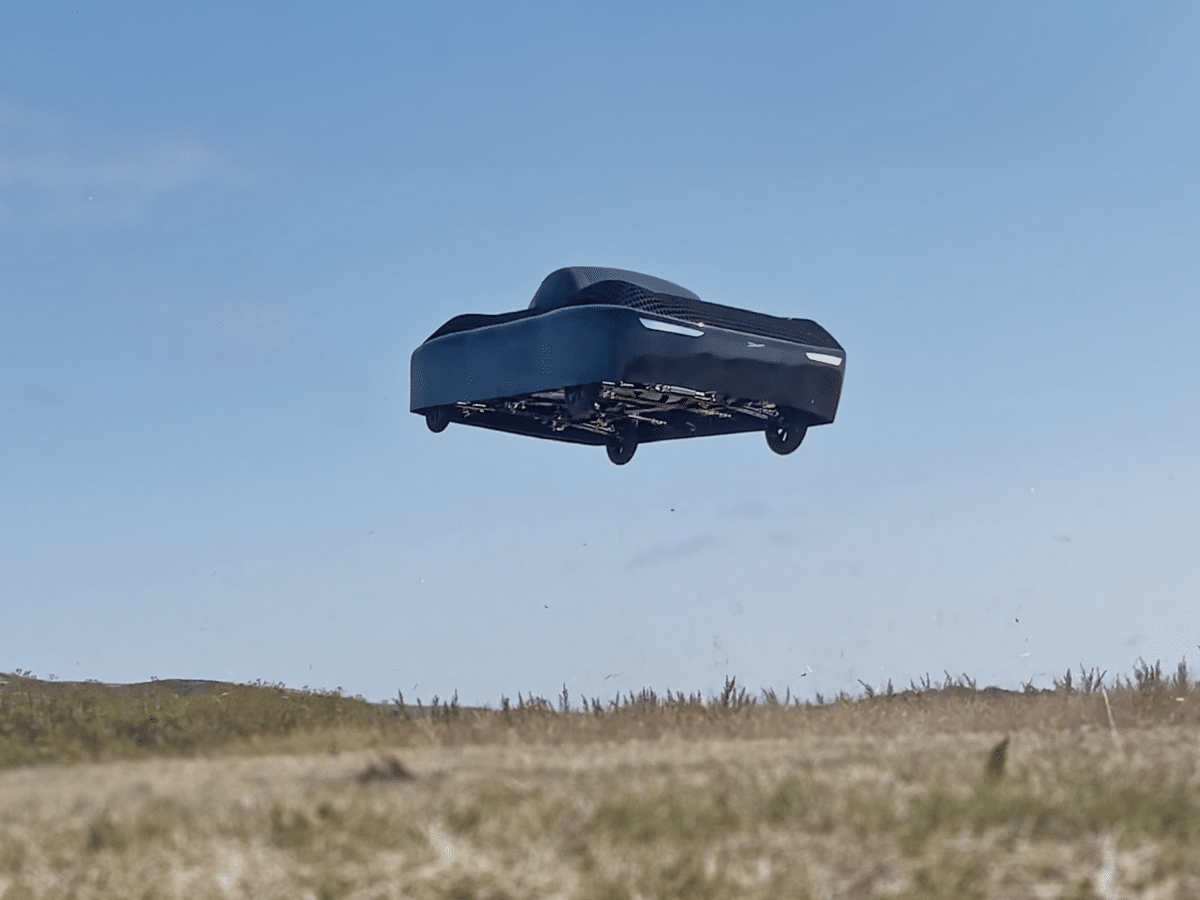
The transition of the flying car from a staple of mid-century science fiction to a tangible component of modern transportation infrastructure is no longer a matter of "if" but "when." For decades, the concept remained tethered to the whimsical imagery of The Jetsons, characterized by non-functional prototypes and ambitious promises that failed to navigate the complex intersection of aeronautical engineering and civil regulation. However, a significant momentum shift has occurred over the last 24 months. The industry has pivoted from the era of staged demonstrations to a phase defined by production-aligned testing, rigorous certification pathways, and the establishment of global manufacturing partnerships.
As of 2024, the market has fragmented into three distinct operational models: fleet-based electric Vertical Take-Off and Landing (eVTOL) air taxis, private roadable aircraft, and autonomous cargo drones. Each category operates under unique constraints, ranging from battery energy density and noise signatures to the necessity of new air traffic management systems. While the engineering breakthroughs in carbon composites and distributed electric propulsion (DEP) have provided the hardware, the ultimate timeline for deployment now rests in the hands of global regulators like the Federal Aviation Administration (FAA) in the United States and the European Union Aviation Safety Agency (EASA).
The Evolution of Urban Air Mobility: A Chronology of Progress
The journey toward viable flying cars has moved through several distinct epochs. The early 2010s were defined by the emergence of the multicopter, popularized by consumer drone technology, which proved that vertical lift could be achieved through simple, electronically controlled rotors rather than complex mechanical linkages. By 2018, venture capital began flowing into "Advanced Air Mobility" (AAM), leading to the founding and public listing of companies such as Joby Aviation and Archer Aviation.

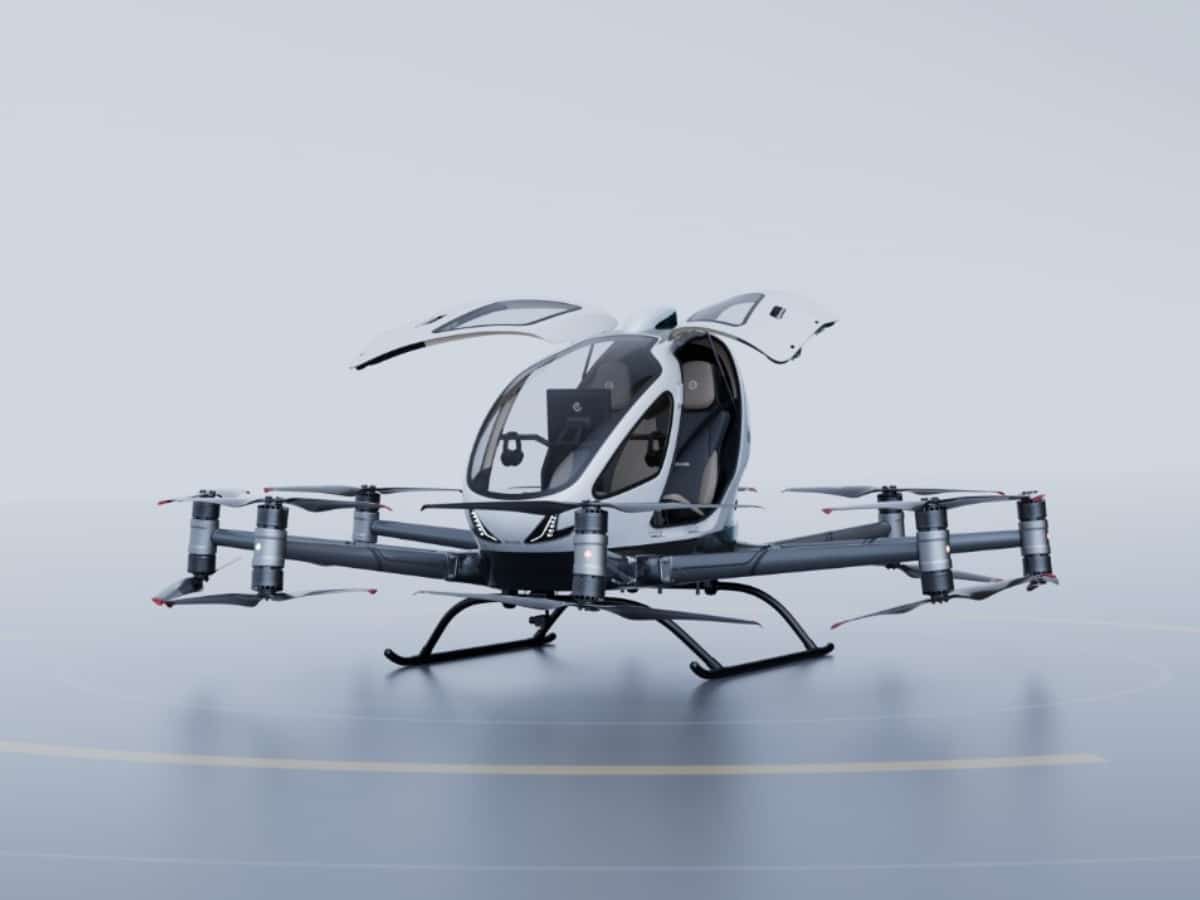
In 2023, the industry reached a critical milestone when the FAA released its "Innovate28" plan, a roadmap designed to enable scaled air taxi operations at specific locations by 2028. This was followed closely by the Civil Aviation Administration of China (CAAC) granting the world’s first Type Certificate for an autonomous passenger-carrying eVTOL to EHang. This regulatory green light in Asia has forced Western regulators to accelerate their own timelines to maintain a competitive edge in what is projected to be a multi-trillion-dollar industry by 2040.
Leading Competitors and the Air Taxi Model
The most capitalized segment of the market is the fleet-based air taxi, designed to operate similarly to a premium ride-sharing service. Unlike traditional helicopters, these vehicles are electric, significantly quieter, and designed for high-frequency urban routes.
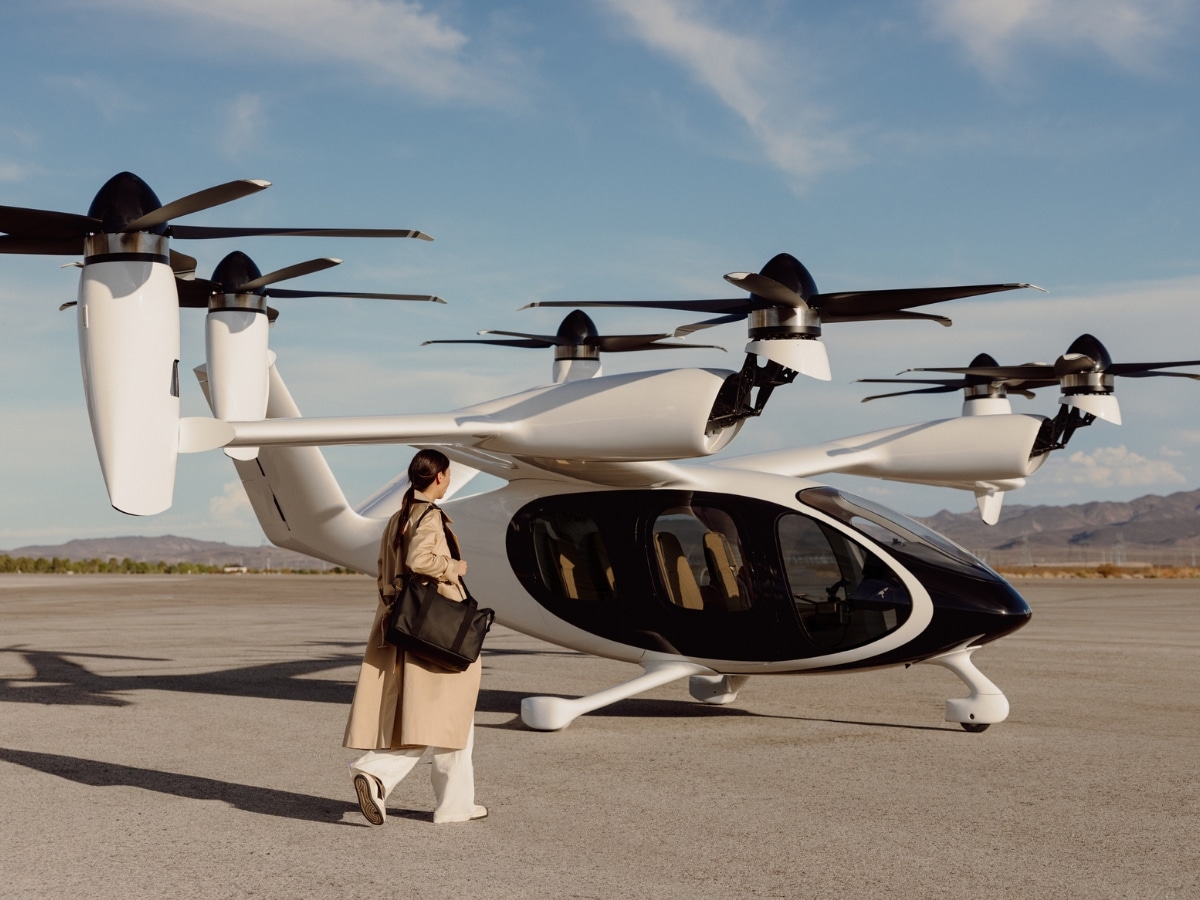
Joby Aviation and Archer Aviation
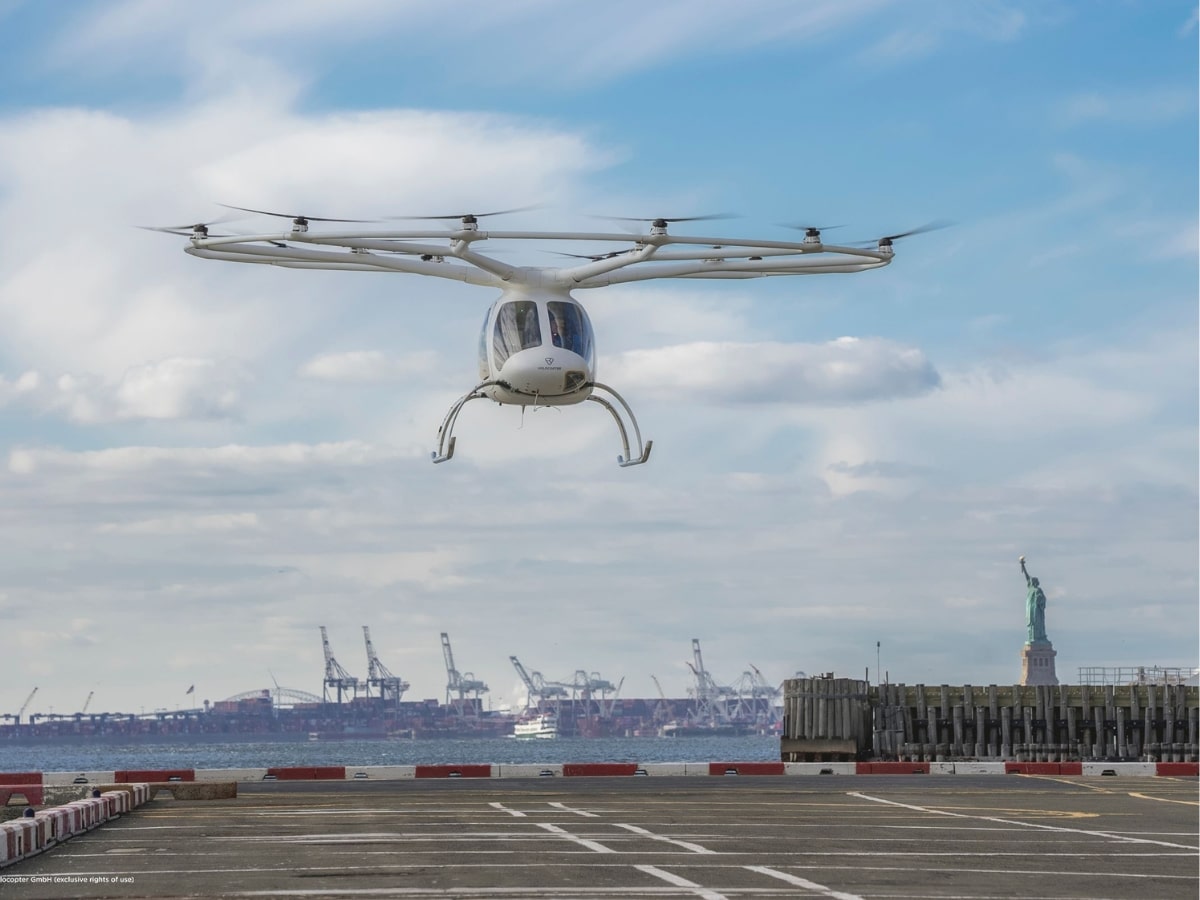
Joby Aviation’s S4 is currently viewed as a frontrunner for US commercialization. The aircraft utilizes a tilt-rotor design, allowing it to take off vertically and then transition to wing-borne flight for greater efficiency. Joby has strategically aligned itself with Toyota for manufacturing expertise and Delta Air Lines for passenger integration. In late 2023, Joby performed the first-ever eVTOL flight in New York City, demonstrating the vehicle’s low noise profile at the iconic Downtown Manhattan Heliport.
Archer Aviation, Joby’s primary domestic rival, has focused on the "Midnight" model. Backed by Stellantis and United Airlines, Archer’s strategy emphasizes rapid turnaround times—aiming for 10-to-20-minute flights followed by 10-minute charging cycles. Archer is currently constructing a high-volume manufacturing facility in Georgia, signaling a shift from boutique engineering to industrial-scale production.

International Contenders: Vertical Aerospace and Eve
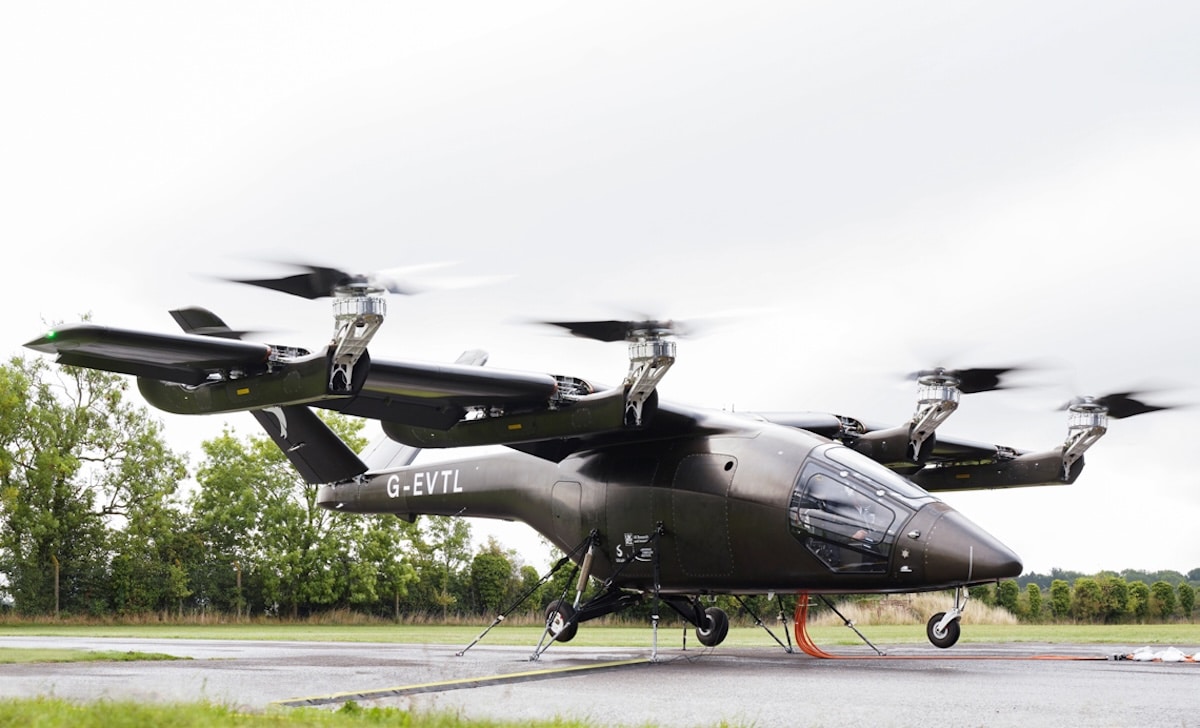
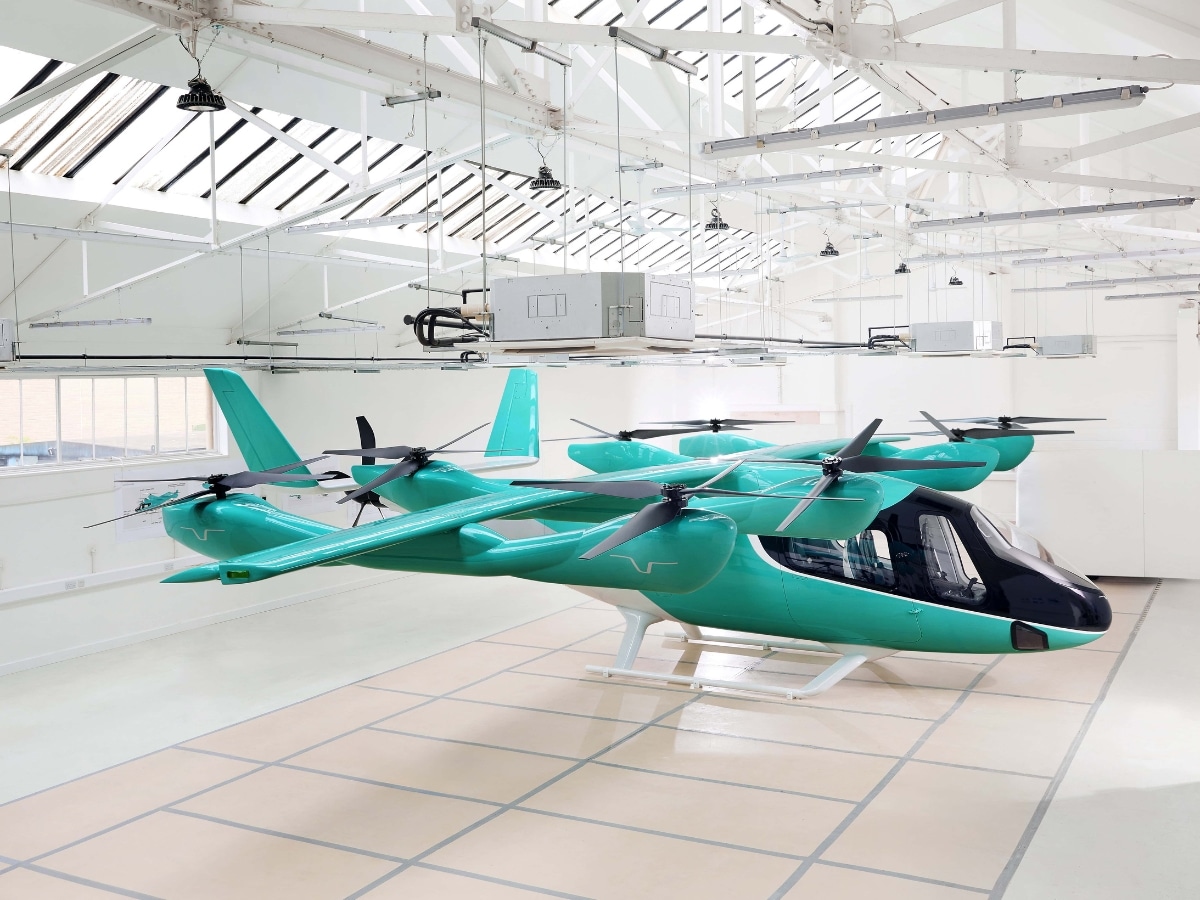
In Europe and South America, the landscape is equally competitive. The United Kingdom’s Vertical Aerospace has secured over 1,500 pre-orders for its VX4 model, focusing on airport-to-city-center transfers. Meanwhile, Brazil’s Eve Air Mobility benefits from the institutional weight of Embraer, one of the world’s largest aircraft manufacturers. Eve’s focus is not just on the vehicle, but on the "Urban Air Traffic Management" (UATM) software required to prevent mid-air collisions in crowded city skies.
The Quest for the True Roadable Aircraft
While eVTOLs are essentially quiet helicopters, a separate category of "true" flying cars is emerging for private ownership. These vehicles are designed to be driven on public roads and parked in standard garages, offering a seamless transition between ground and air.

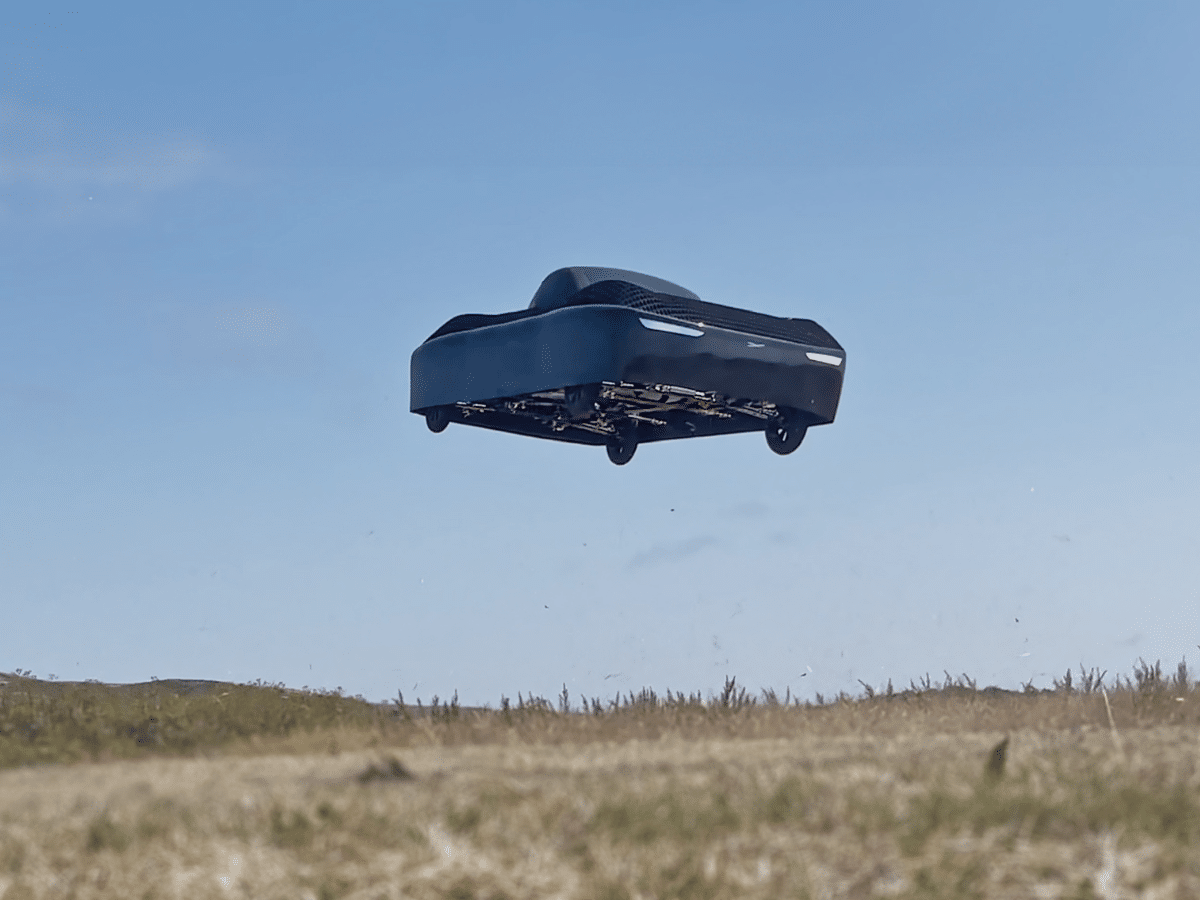
Alef Aeronautics Model A
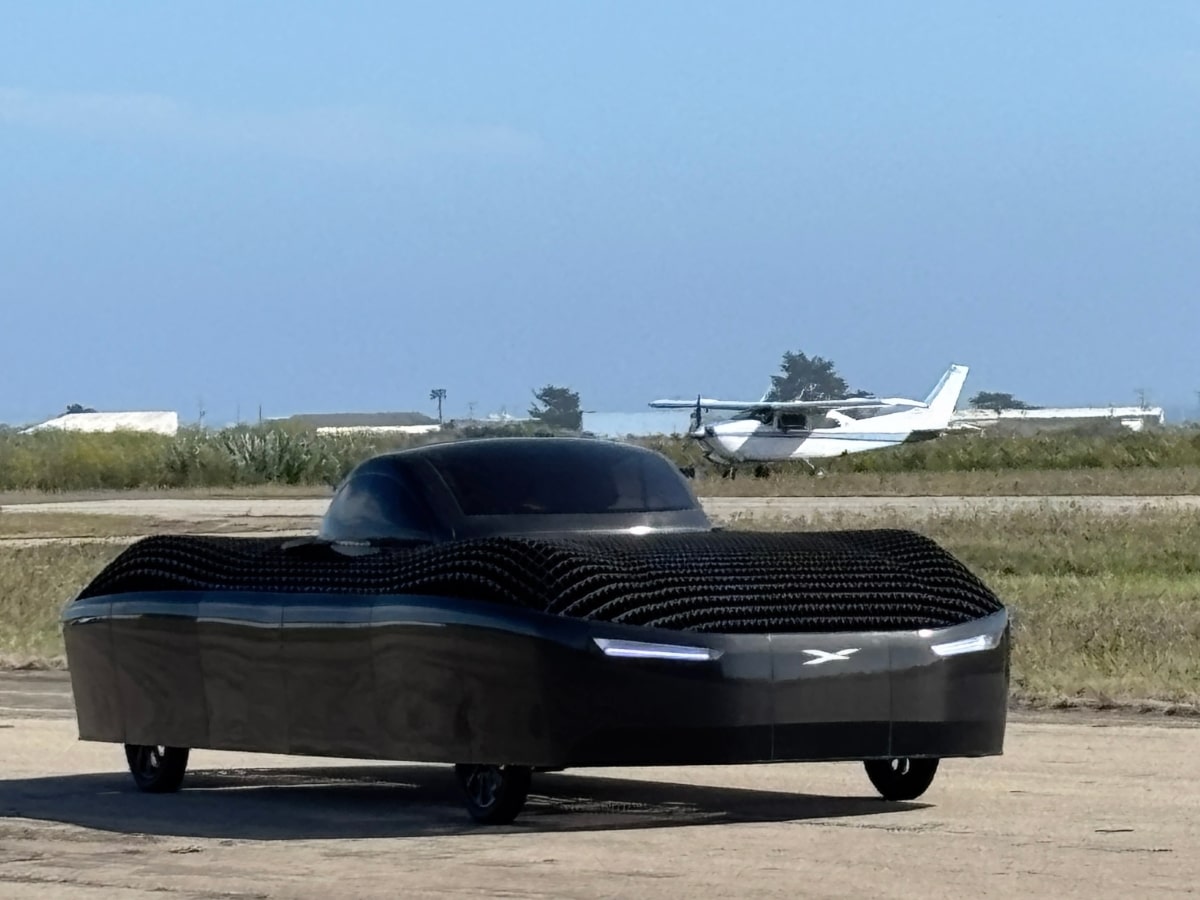
Alef Aeronautics has captured public imagination with its Model A, which features a unique mesh-like body that allows for vertical takeoff. Once in the air, the entire car body tilts 90 degrees to become a wing, with the cockpit gimbaling to keep the passengers upright. In 2023, Alef became the first vehicle of its kind to receive a Special Airworthiness Certification from the FAA for testing purposes. However, the dual-mode nature of the vehicle presents a significant engineering paradox: it must be light enough to fly but sturdy enough to meet automotive crash-test standards.
PAL-V Liberty
The Dutch-made PAL-V Liberty takes a more pragmatic approach by utilizing gyrocopter technology. Unlike eVTOLs, the Liberty requires a short runway for takeoff, which simplifies the mechanical requirements and aligns more closely with existing aviation regulations. In a major milestone for the sector, PAL-V was recently recognized as an official automotive manufacturer under European standards, proving that the legal bridge between "car" and "plane" is finally being built.
Technical Specifications and Comparative Analysis
To understand the viability of these models, a comparison of their 2026 projected technical capabilities is essential.
| Model | Capacity | Max Speed | Range | Propulsion | Status |
|---|---|---|---|---|---|
| Joby S4 | 5 (incl. pilot) | 200 mph | 100 miles | Electric Tilt-Rotor | Certification Phase |
| Archer Midnight | 5 (incl. pilot) | 150 mph | 60 miles | Electric Lift+Cruise | Testing |
| BETA ALIA | 6 (incl. pilot) | 170 mph | 250 miles | Electric Fixed Wing | Cargo Trials |
| EHang EH216-S | 2 (Autonomous) | 81 mph | 22 miles | Electric Multicopter | Operational (China) |
| Alef Model A | 1–2 | 110 mph | 110 miles | Electric Tilt-Body | Prototype |
| PAL-V Liberty | 2 | 112 mph | 310 miles | Combustion Gyro | Certification |
Regulatory Frameworks and Official Oversight
The greatest hurdle to the "flying car" remains the regulatory framework. Aviation is one of the most strictly policed industries in the world, and for good reason. The FAA and EASA are currently grappling with how to certify "Simplified Vehicle Operations" (SVO). SVO refers to fly-by-wire technology that automates many of the complex maneuvers of flight, theoretically allowing a pilot with minimal training to operate the vehicle safely.
Official statements from the FAA suggest a cautious but optimistic approach. "Our goal is to safely integrate this new class of aircraft into the national airspace while maintaining the gold standard of safety that the traveling public expects," an FAA spokesperson noted during a recent industry summit. In Australia, the Civil Aviation Safety Authority (CASA) is mirroring these efforts, focusing on how eVTOLs will interact with existing drone delivery networks and traditional light aircraft.
Infrastructure: The Rise of the Vertiport
A flying car is only as useful as its landing spot. This has given rise to a new infrastructure sector: the "Vertiport." Companies like Skyports are already partnering with city governments to design landing pads that can be integrated into existing transportation hubs, such as the roofs of train stations or parking structures. These vertiports must include high-capacity electric charging stations, passenger lounges, and security screening areas.
In the Middle East, Dubai and Abu Dhabi have positioned themselves as the world’s leading testbeds for this infrastructure. Dubai has already granted Joby Aviation exclusive rights to operate air taxi services in the emirate for six years, with plans to have four vertiports operational by 2026. This region’s ability to move quickly on infrastructure, unencumbered by the same zoning complexities found in Western cities, makes it the likely birthplace of the first scaled commercial network.
Broader Economic and Social Implications
The successful deployment of urban air mobility will have profound effects on urban planning and real estate. If a 90-minute commute can be reduced to 15 minutes via an air taxi, the "commutable" radius of major cities will expand dramatically, potentially shifting property values and easing the density of city centers.
Furthermore, the environmental impact is a key driver of government support. As nations strive for "Net Zero" targets, the transition from gas-guzzling helicopters and idling cars to zero-emission electric flight aligns with global decarbonization goals. However, critics point to the "noise-to-benefit" ratio, questioning whether residents will tolerate a sky filled with rotors, regardless of how quiet they are compared to traditional aircraft.
Conclusion: A Multi-Axis Future
While the vision of every household owning a flying car remains distant, the arrival of commercial air taxi services is imminent. The industry is currently in its most critical phase—the transition from experimental flight to certified commercial operation. The data suggests that by 2026, the first paying passengers will likely take flight in regions like China and the UAE, with the US and Europe following shortly thereafter.
The "Jetsons" dream is being realized, but it is being built on a foundation of rigorous safety protocols, massive industrial investment, and a new era of electric propulsion. The next three years will determine which of these nine models will become the icons of the 21st-century sky and which will remain as footnotes in the long, arduous history of human flight. For the first time, the third axis of urban travel is not just a fantasy—it is an impending reality.




 Yuyun Lusiyani
 Joko Widodo
 Jia Lissa
 Pevita Pearce
 admin
admin
