
 Lina Irawan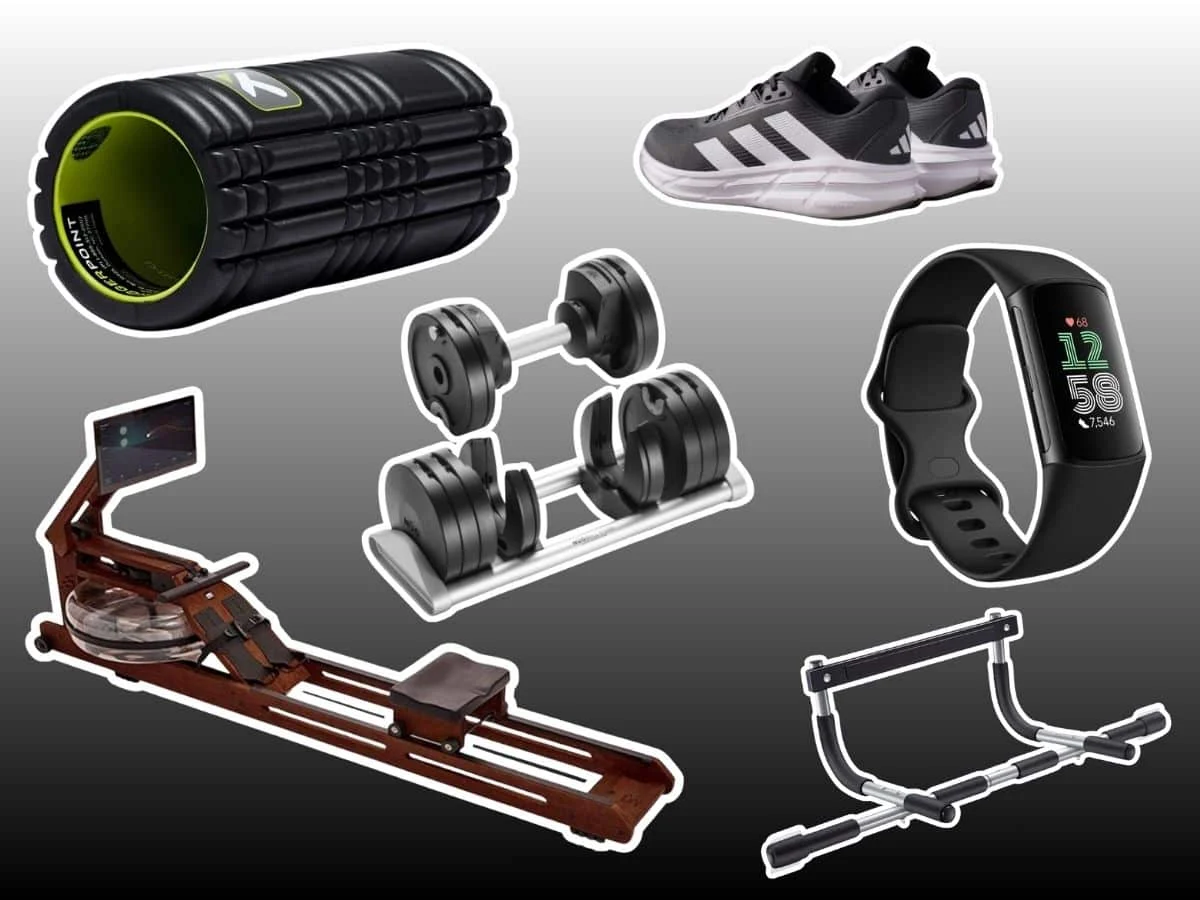
The landscape of personal health and wellness in 2026 has shifted significantly from the high-intensity, gym-centric models of the early 2020s toward a more integrated, "realistic fitness" approach. For the modern man, the primary obstacle to maintaining a healthy lifestyle is no longer a lack of information or motivation, but rather the friction of daily life. Between demanding professional schedules, family obligations, and the mental load of a hyper-connected society, traditional hour-long gym sessions often become the first casualty of a busy week. Industry data indicates that while gym memberships surged in the post-pandemic era, active utilization rates have leveled off, as consumers prioritize efficiency and accessibility over the prestige of high-end athletic clubs.
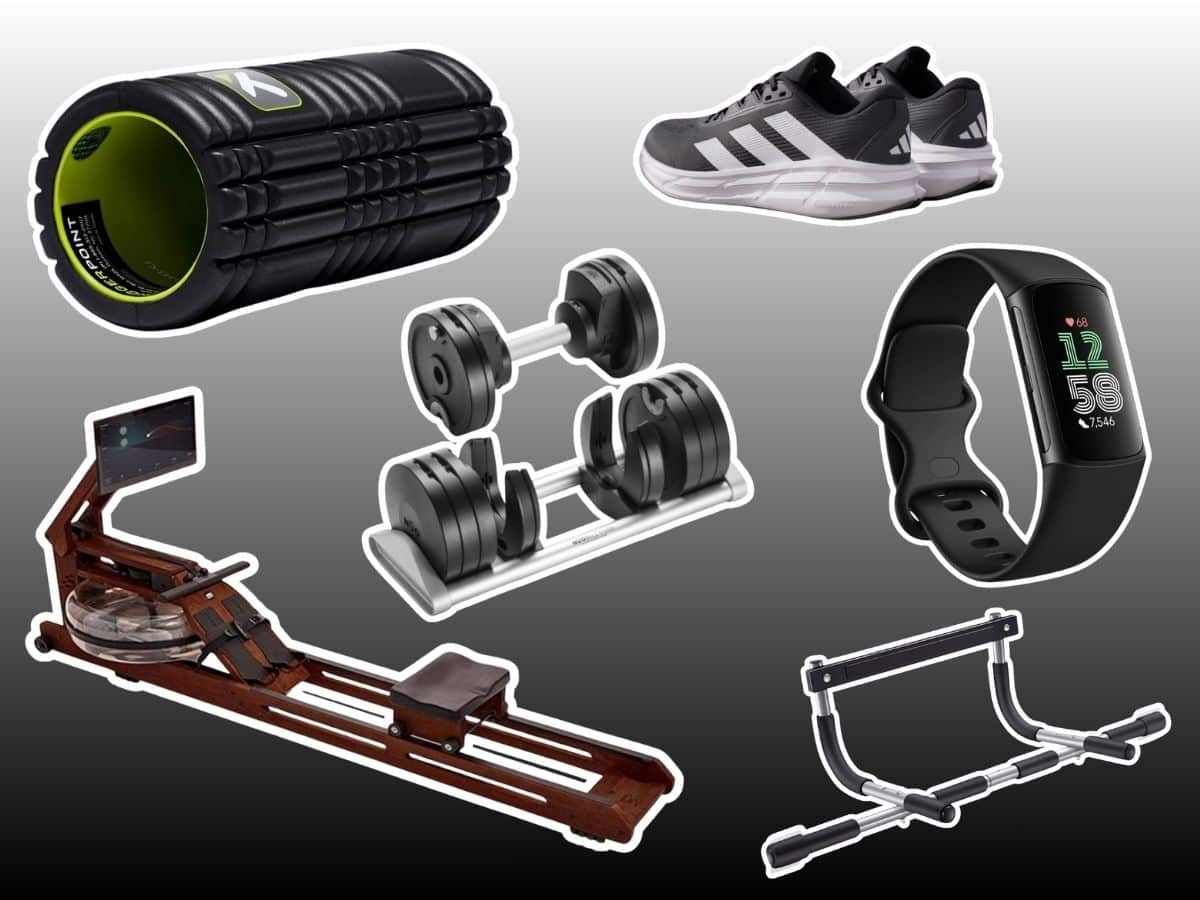
The philosophy guiding this new era of fitness is rooted in the ancient wisdom of Lao Tzu: "Anticipate the difficult by managing the easy." In a practical sense, this means removing the physical and psychological barriers that prevent consistency. Experts in sports science and behavioral psychology now emphasize that the most effective fitness plan is not the one that promises the fastest results, but the one that fits seamlessly into a user’s existing environment. This shift has led to the rise of the "minimalist home rig"—a curated selection of high-utility gear designed for longevity, recovery, and versatility.
The Evolution of Personal Fitness: A 2020-2026 Chronology
To understand the current state of fitness gear, one must look at the trajectory of the industry over the last six years. In 2020, the global pandemic forced a sudden pivot to home fitness, leading to an unsustainable boom in connected fitness hardware like Peloton. By 2023, a "return to normalcy" saw a massive resurgence in big-box gyms and boutique studios as people craved social interaction. However, by 2025, the "hybrid fitness" model emerged as the dominant trend.

This hybrid model acknowledges that while the social aspect of a gym is valuable, the ability to train at home is essential for maintaining consistency during high-stress periods. The gear of 2026 reflects this maturity; it is less about "biohacking" and more about fundamental biomechanics and habit formation. Manufacturers have moved away from bulky, single-use machines in favor of multi-functional, space-saving tools that prioritize the user’s long-term musculoskeletal health.
Supporting Data: The Case for Consistency Over Intensity
Recent longitudinal studies from the World Health Organization (WHO) and the Centers for Disease Control and Prevention (CDC) underscore the importance of low-barrier exercise. Data suggests that men who engage in at least 150 minutes of moderate-intensity aerobic activity, combined with two days of muscle-strengthening activity per week, see a 30% reduction in all-cause mortality.
Crucially, researchers have found that "Non-Exercise Activity Thermogenesis" (NEAT)—the energy expended during everything we do that is not sleeping, eating, or sports-like exercise—is a greater predictor of long-term weight management and metabolic health than short, intense gym sessions. This data has fueled the demand for walking pads and wearables that track movement throughout the day, rather than just during a workout. Furthermore, grip strength and upper-body pulling power have been identified as key biomarkers for longevity, making tools like pull-up bars and adjustable dumbbells essential components of a proactive health kit.
The 2026 Essential Fitness Kit: Analysis of Utility and Design
To build a routine that lasts, the selection of equipment must meet three specific criteria: utility, accessibility, and longevity. The following items represent the core of a realistic fitness kit that balances these needs.
1. Versatile Footwear: The Adidas Questar 3
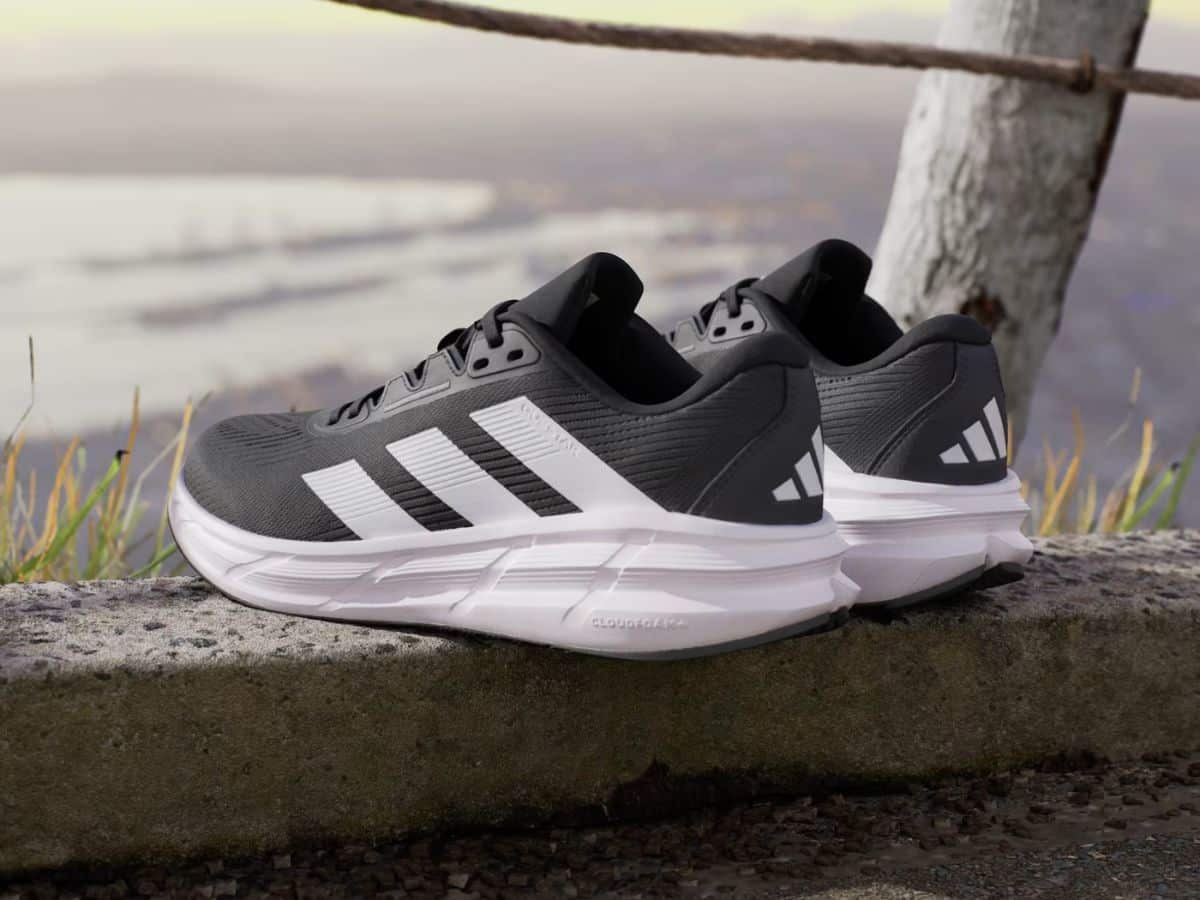
The foundation of any fitness routine is the ability to move without pain. While the "super shoe" trend dominated the early 2020s with carbon-plated racing shoes, 2026 has seen a return to the "daily trainer." The Adidas Questar 3 has emerged as a market leader in the budget-friendly, high-utility category. Featuring Bounce 2.0 cushioning and a Cloudfoam+ sockliner, it is designed for the versatility required by a hybrid lifestyle—durable enough for road walking and light running, yet stable enough for lateral movements in the gym.
2. The Rise of the Walking Pad: Lifespan Fitness V-Fold
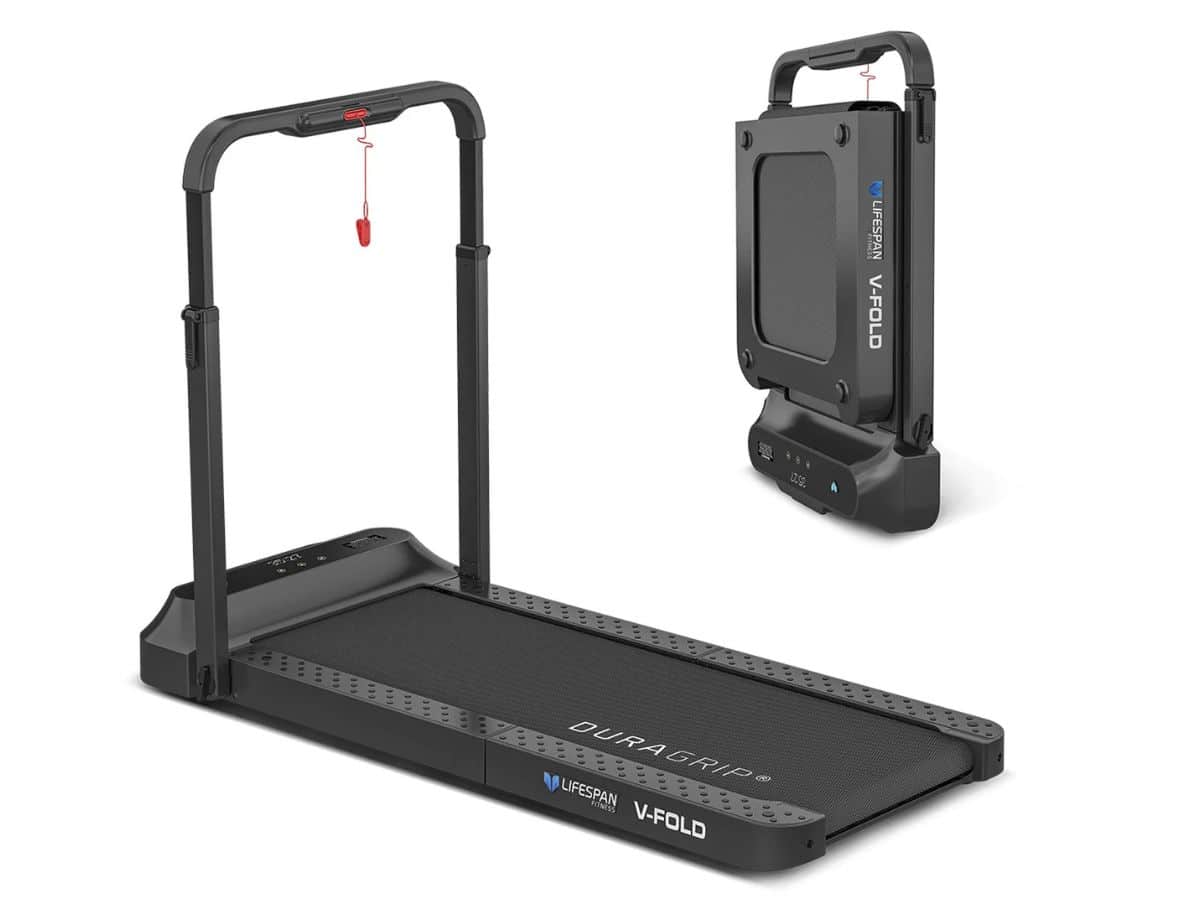
As remote and hybrid work becomes the standard for professional men, the "sedentary office" has become a major health risk. The Lifespan Fitness V-Fold Treadmill addresses this by integrating movement into the workday. Unlike traditional treadmills, its patented 180-degree folding mechanism allows it to be stored under a sofa or bed. Industry analysts note that walking pads have become the fastest-growing segment of home cardio equipment, as they allow users to accumulate steps during meetings or while consuming media, effectively "managing the easy" to prevent the "difficult" health issues associated with prolonged sitting.
3. Space-Efficient Strength: Nuobell Adjustable Dumbbells
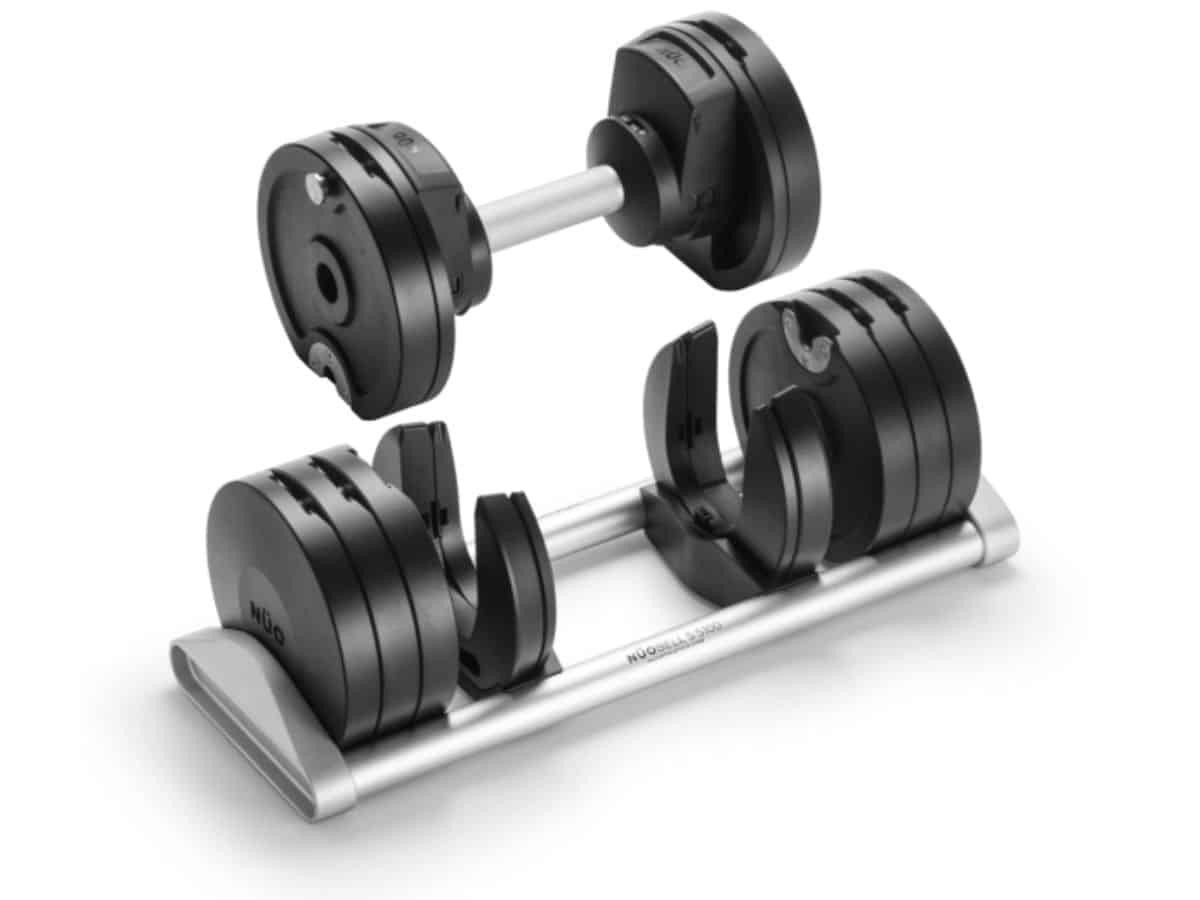
Strength training remains the most effective way to maintain bone density and metabolic rate as men age. However, traditional dumbbell racks are impractical for most homes. The Nuobell system represents a pinnacle of engineering in this space, using a twist-handle mechanism to adjust weight from 5kg to 45kg. This replaces 16 pairs of dumbbells, occupying less than two square feet of floor space. The use of machined steel rather than plastic ensures these tools last decades, providing a high return on investment (ROI) for the consumer.
4. Portable Resistance: Rogue Resistance Tube Bands
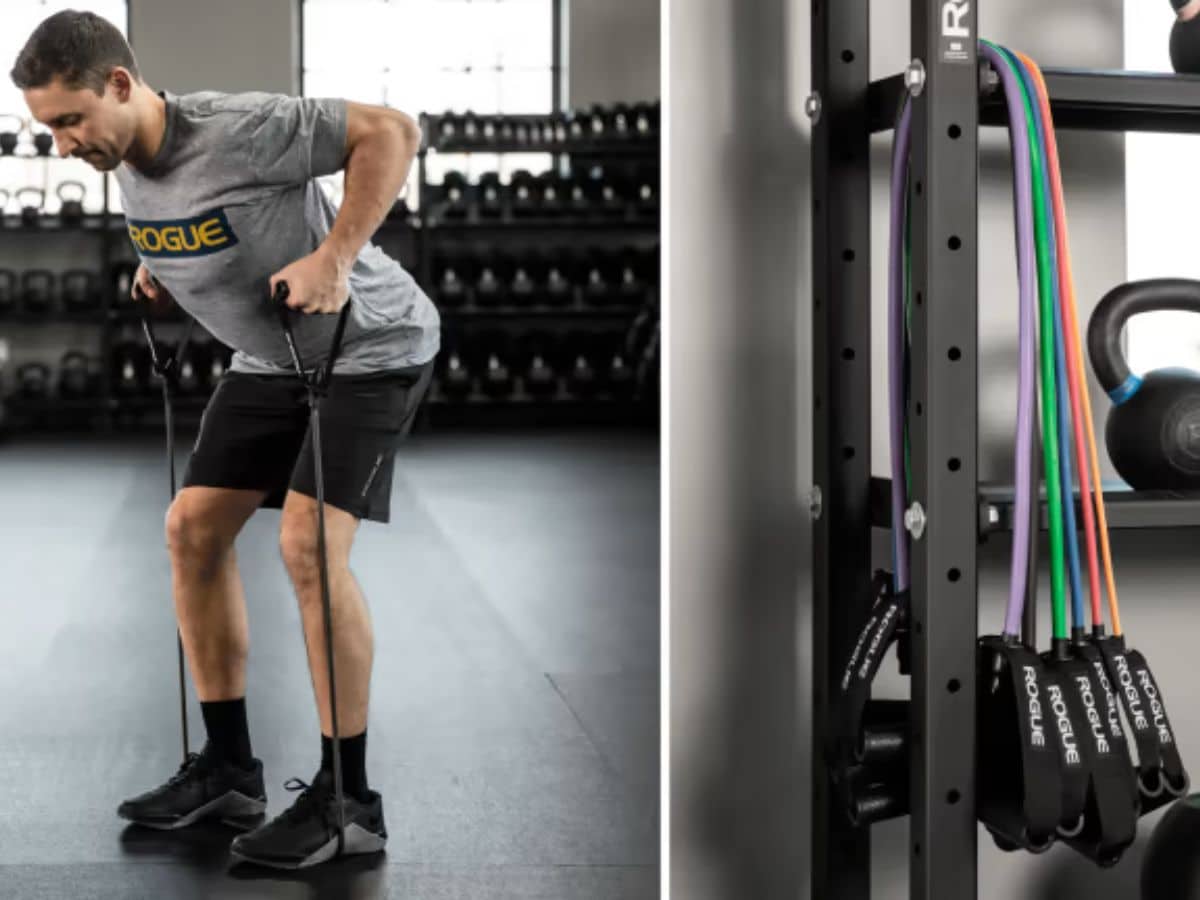
For the traveling professional, consistency is often broken by the lack of gym access in hotels. Resistance bands provide a solution that eliminates this friction. Rogue’s latex rubber tube bands offer a range of resistance (10 lbs to 60 lbs) and can be used for everything from dynamic warm-ups to full-body hypertrophy sessions. Market trends show that high-quality bands have replaced cheap Amazon alternatives as consumers realize that durability is a safety requirement when dealing with elastic tension.
5. Functional Benchmarks: Ally Peaks Doorframe Pull-Up Bar
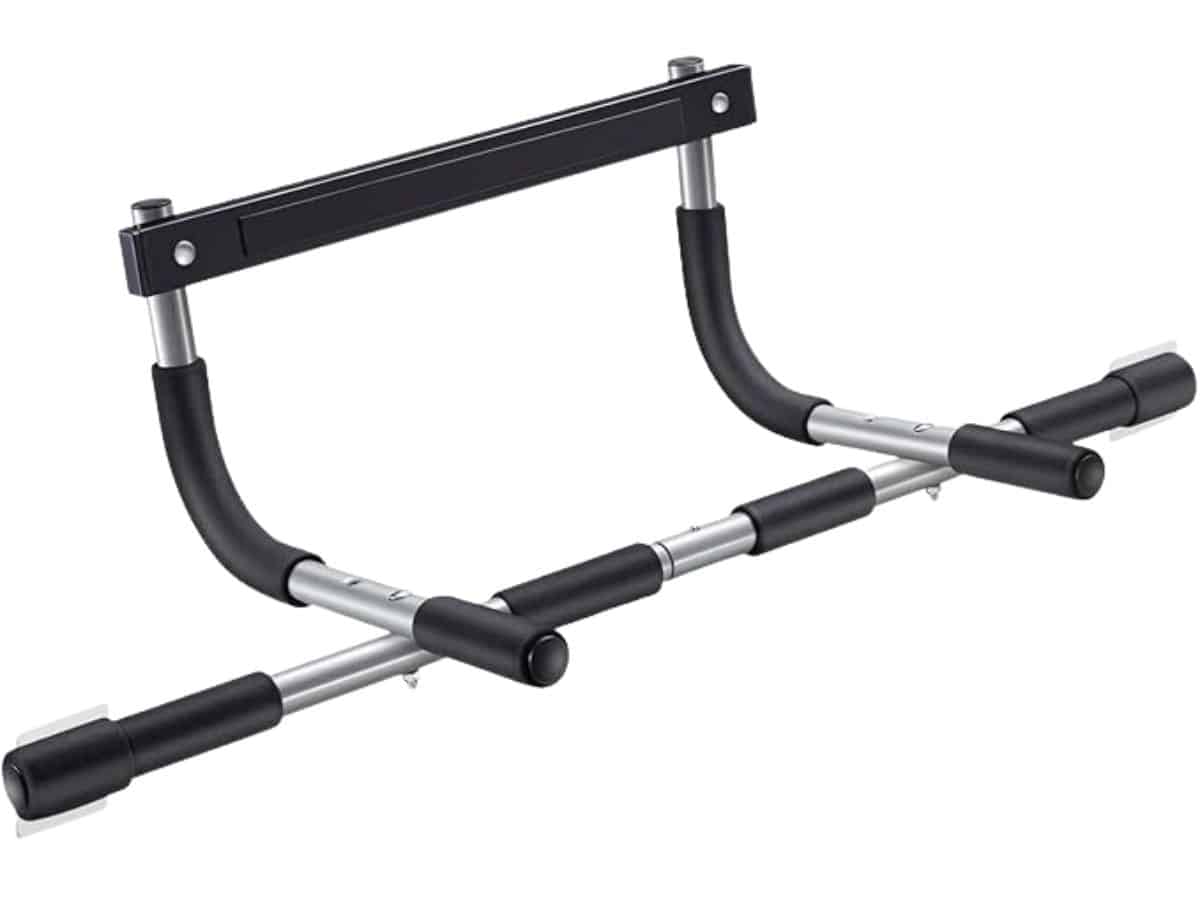
The pull-up is widely regarded by strength coaches as the ultimate test of relative upper-body strength. The Ally Peaks bar utilizes a leverage-based design that requires no permanent hardware, making it suitable for renters or those who do not want to damage their home. By placing this in a frequently used doorway, it serves as a visual cue to engage in "micro-workouts"—performing a few repetitions throughout the day to build volume without the need for a dedicated training session.
6. Recovery and Mobility: TriggerPoint Grid and TheraGun Mini
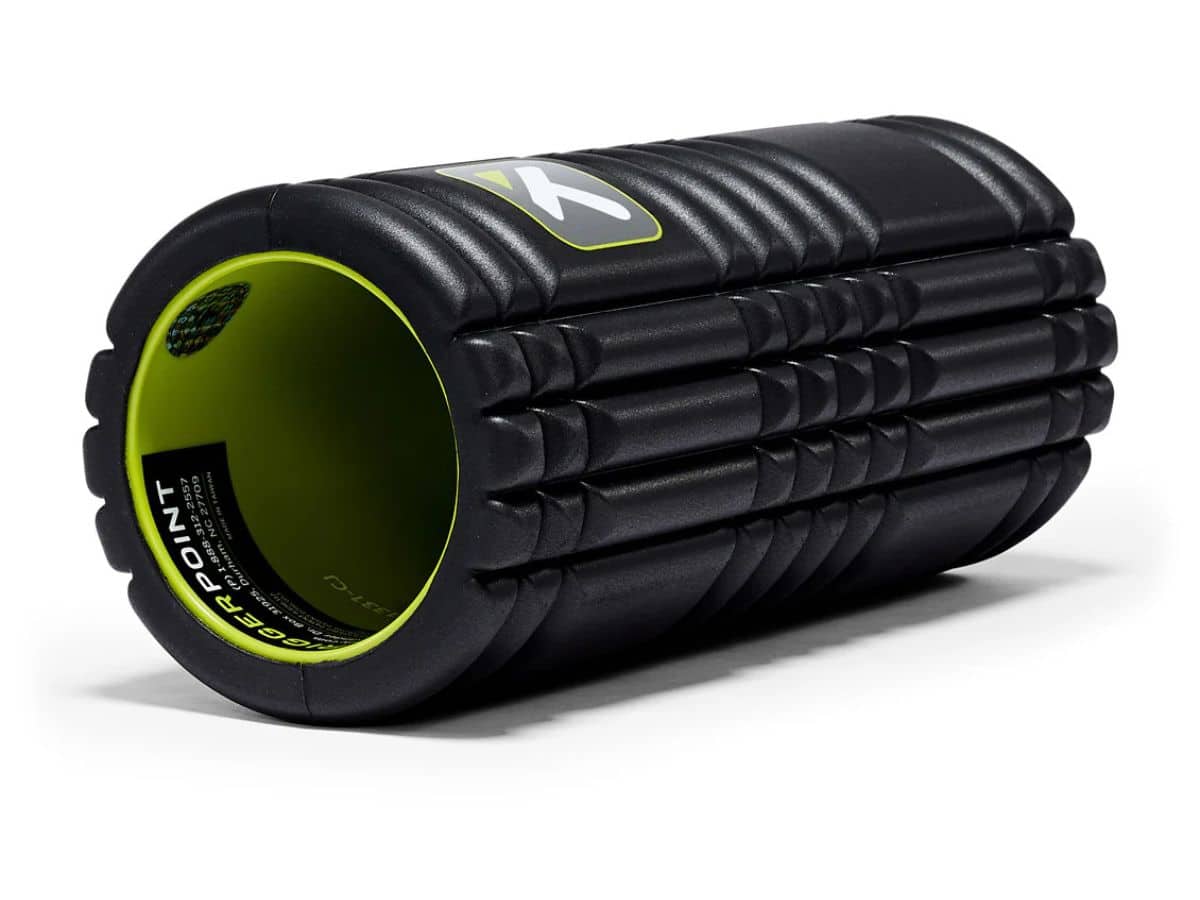
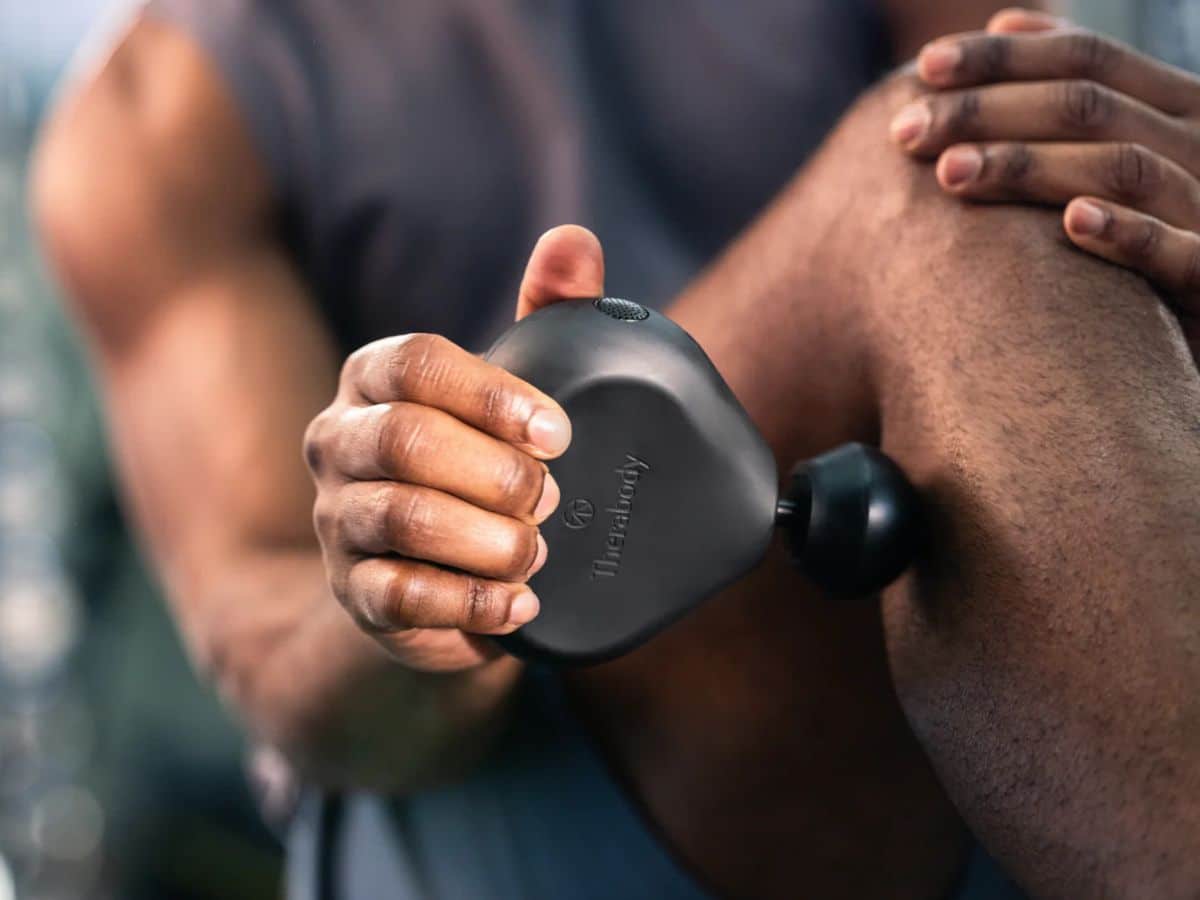
As the average age of the fitness-conscious male increases, recovery has moved from an afterthought to a priority. The TriggerPoint Grid Foam Roller and the TheraGun Mini represent two sides of the recovery coin: myofascial release and percussion therapy. The TheraGun Mini, in particular, has seen widespread adoption due to its portability. By increasing blood flow and reducing muscle soreness (DOMS), these tools ensure that a user can return to training sooner, preventing the "stop-start" cycle that kills consistency.
7. Data-Driven Awareness: Fitbit Charge 6
In 2026, the role of the fitness tracker has evolved from a "step counter" to a holistic health monitor. The Fitbit Charge 6 focuses on actionable data—heart rate variability (HRV), sleep quality, and active zone minutes—without the overwhelming complexity of high-end multisport watches. This data creates a feedback loop that reinforces positive behaviors, allowing men to see the direct impact of their lifestyle choices on their physiology.
8. The Aesthetic Rower: Ergatta
For those with the space and budget, the Ergatta Rower represents the convergence of fitness and interior design. Handcrafted from American Walnut, it uses water resistance to provide a full-body workout that engages 86% of the body’s musculature. Its game-based interface leverages the psychology of competition to keep users engaged, proving that "fun" is a critical, often overlooked component of long-term fitness adherence.
Industry Perspectives and Market Responses
Manufacturers are increasingly aware that the modern consumer values time above all else. According to a 2025 report by the Global Wellness Institute, the "frictionless fitness" market is expected to grow by 12% annually through 2030. Companies like Rogue and Lifespan are pivoting their marketing strategies to highlight ease of storage and "real-world" durability rather than professional-grade specs that the average user will never utilize.
"The goal for the industry now is to make exercise as invisible as possible," says one fitness tech analyst. "If a piece of equipment takes ten minutes to set up, it won’t be used. If it’s already there, or if it takes thirty seconds, it becomes a habit. We are seeing a move toward ‘furniture-grade’ fitness gear that doesn’t need to be hidden away when guests come over."
Broader Impact and Long-Term Implications
The shift toward realistic, home-based fitness routines has profound implications for public health. By lowering the barrier to entry, these tools allow for a more equitable distribution of health resources. Men who might have felt intimidated by gym culture or restricted by time are now able to maintain a baseline of health that prevents chronic lifestyle diseases such as Type 2 diabetes and hypertension.
Furthermore, the mental health benefits of consistent, low-friction exercise cannot be overstated. The "all-or-nothing" mentality of the past often led to burnout and feelings of failure. The 2026 approach—prioritizing small, manageable wins through better gear and smarter habits—promotes a more positive relationship with physical activity. As we move further into the decade, the integration of movement into the fabric of daily life will likely be remembered as the most significant advancement in personal wellness of the era. By managing the easy, the modern man is finally finding a way to master the difficult.



 Yuyun Lusiyani
 Joko Widodo
 Eva Lovia
 Pevita Pearce
 admin
admin