
 Eva Lovia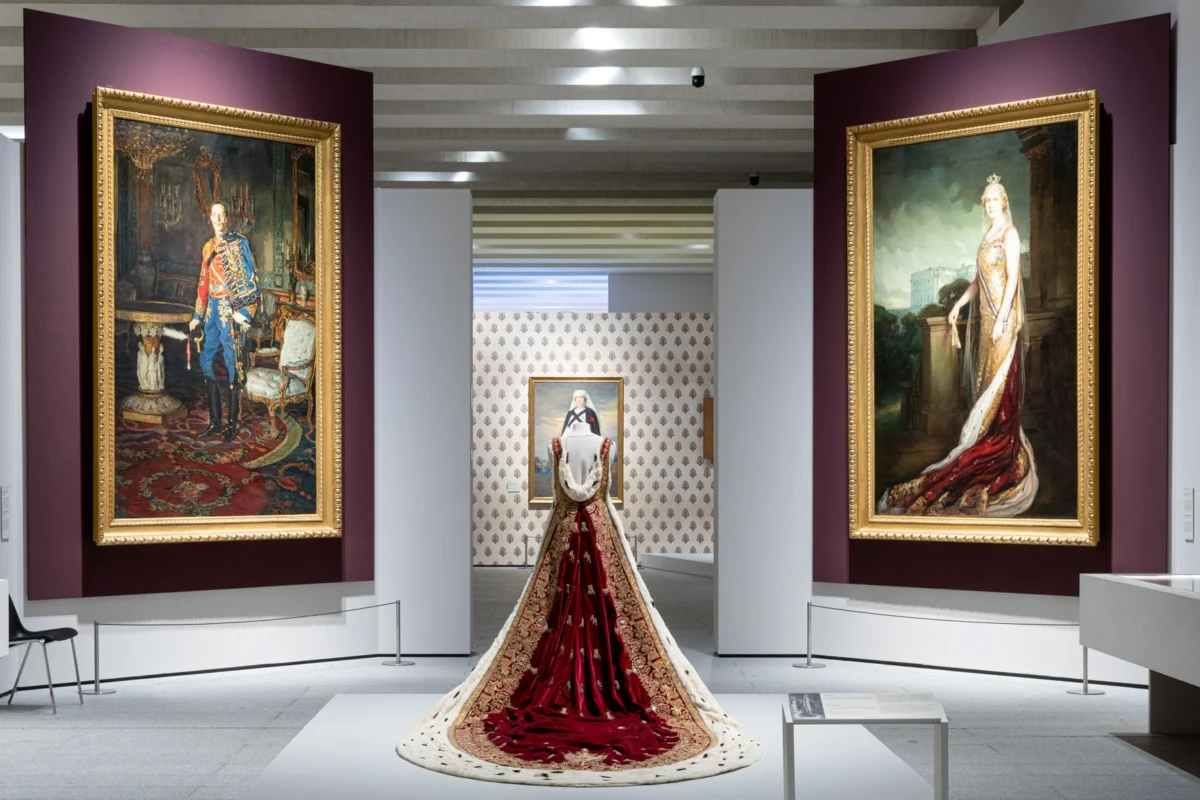
Queen Letizia of Spain has graciously loaned one of Europe’s most celebrated royal jewels, the exquisite Flor de Lis tiara, for a special exhibition at the Royal Collection Gallery in Madrid. This rare public display offers royal enthusiasts and the general public a unique opportunity to admire this historically significant piece and delve into the life of its original owner, Queen Victoria Eugenia, the consort of King Alfonso XIII and the great-grandmother of the current monarch, King Felipe VI. The exhibition, titled "Victoria Eugenia," runs until Easter Sunday, April 5th, providing a limited window for visitors to connect with this storied heirloom and the compelling narrative of the queen it represents.
A Glimpse into Royal History: The Flor de Lis Tiara
The Flor de Lis tiara, affectionately known as "La Buena" or "The Good One" by Queen Victoria Eugenia’s family, holds a place of immense prestige within the Spanish Crown Jewels. Its significance transcends its dazzling material worth, deeply intertwined with the tumultuous yet illustrious history of the Spanish monarchy. Gifted to Victoria Eugenia upon her marriage to King Alfonso XIII, the tiara quickly became a potent symbol of her role as queen, a reign marked by profound political upheaval and personal tragedy.
The story of Queen Victoria Eugenia’s arrival in Spain is as dramatic as it is poignant. Her wedding day, in 1906, was marred by a terrifying anarchist attack. As the newlywed royal couple processed through Madrid, a bomb was detonated, tragically claiming several lives. Despite the chaos and the visible evidence of the attack, including bloodstains on her wedding gown, Victoria Eugenia demonstrated remarkable composure, proceeding to the reception with unwavering dignity. This early incident set the tone for a reign that would witness the erosion of the monarchy and eventual exile.
The tiara itself is a masterpiece of craftsmanship, its design featuring the fleur-de-lis, the heraldic symbol of the House of Bourbon, King Alfonso XIII’s illustrious dynasty. This choice was not merely aesthetic; it underscored the continuity and legitimacy of the Bourbon line, a crucial element during a period of political instability. The tiara’s substantial size and opulent design were befitting of a reigning queen, projecting an image of regal authority and enduring grace.
The Tiara’s Journey Through Exile and Restoration
The Flor de Lis tiara’s narrative is inextricably linked to the fate of the Spanish monarchy. Following the proclamation of the Second Spanish Republic in 1931, King Alfonso XIII and his family were compelled into exile. Amidst the upheaval, Queen Victoria Eugenia ensured that this cherished piece, along with other significant family heirlooms, was safeguarded. The tiara’s survival through the dissolution of the monarchy and the long years of exile speaks to its profound sentimental and symbolic value.
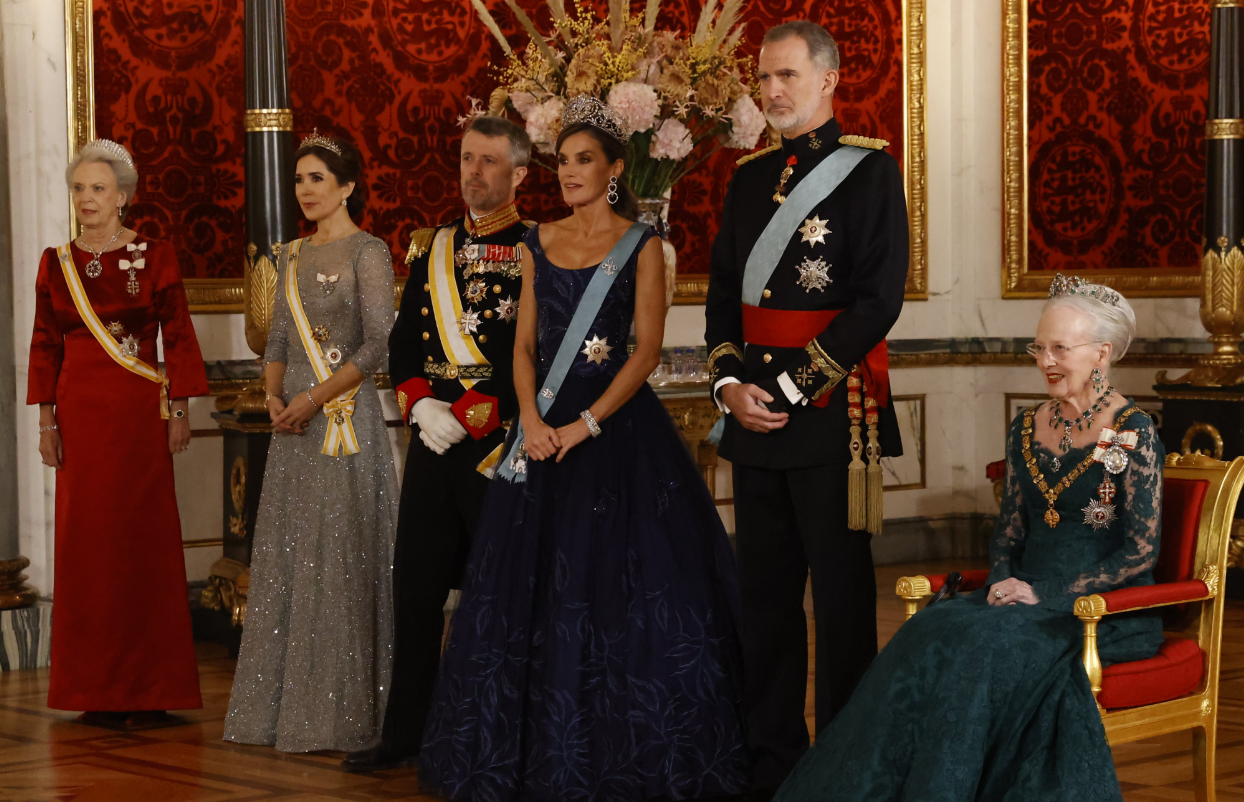
Upon the restoration of the Spanish monarchy in 1975, under the reign of King Juan Carlos I, the tiara returned to its rightful place within the royal collection. Since then, its wear has been a deliberate and significant choice, traditionally reserved for the reigning queen. Queen Sofia, the mother of the current King Felipe VI, wore the Flor de Lis tiara for nearly four decades, a testament to its enduring importance. Following King Felipe VI’s accession to the throne in 2014, Queen Letizia has also frequently donned this iconic piece, most notably during a state visit to the United Kingdom, where she wore it at Buckingham Palace, underscoring its status as a jewel of international royal significance.
The "Victoria Eugenia" Exhibition: A Multifaceted Portrait
The "Victoria Eugenia" exhibition at the Royal Collection Gallery offers a comprehensive exploration of the queen’s life, extending far beyond the glittering presence of the Flor de Lis tiara. The exhibition meticulously curates a collection of artifacts, including poignant letters, evocative photographs, and personal correspondence, that together paint a detailed portrait of a woman who navigated immense personal and political challenges.
Central to the exhibition are several of Queen Victoria Eugenia’s actual garments, including formal court dresses and an impressive ermine-trimmed train. These pieces provide a tangible connection to her life and the era she inhabited, allowing visitors to visualize her presence at significant royal occasions. The exhibition also dedicates a special section to her tragic wedding day, featuring a replica of the royal carriage that was present during the anarchist attack, further immersing visitors in the historical context of her early reign.
Furthermore, the exhibition highlights Queen Victoria Eugenia’s significant humanitarian efforts, particularly her work during wartime. Her dedication to supporting her country and its people during periods of conflict demonstrated a commitment that resonated deeply, solidifying her legacy as a queen of compassion and resilience. The inclusion of these aspects of her life ensures a balanced and nuanced portrayal, moving beyond the traditional focus on regalia and ceremony.
Supporting Data and Chronology
- 1906: Victoria Eugenia of Battenberg marries King Alfonso XIII of Spain. The Flor de Lis tiara is presented as a wedding gift. The couple survives an anarchist bomb attack on their wedding day.
- 1931: The Spanish monarchy is overthrown, and the royal family is forced into exile. Queen Victoria Eugenia takes the Flor de Lis tiara with her.
- 1975: The monarchy is restored in Spain under King Juan Carlos I. The Flor de Lis tiara is returned to the Spanish royal collection.
- Post-1975: Queen Sofia wears the Flor de Lis tiara extensively for nearly 40 years.
- 2014: King Felipe VI ascends to the throne. Queen Letizia becomes the primary wearer of the Flor de Lis tiara.
- Late 2023 – April 5, 2024: The Flor de Lis tiara is on loan to the Royal Collection Gallery for the "Victoria Eugenia" exhibition.
The exhibition’s setting within the Royal Collection Gallery in Madrid is itself a significant element, providing a prestigious platform for showcasing these national treasures. The gallery, established to preserve and display the vast artistic and historical heritage of the Spanish Crown, serves as an ideal repository for such an important exhibition.
Analysis of Implications and Broader Impact
The decision by Queen Letizia to lend the Flor de Lis tiara for this exhibition carries several layers of significance. Firstly, it underscores the Spanish Royal Family’s commitment to public engagement and historical preservation. By making such a significant piece accessible to the public, they are fostering a deeper understanding and appreciation of their lineage and the historical events that have shaped Spain.

Secondly, the exhibition serves as a powerful reminder of the continuity of the Spanish monarchy. The fact that a tiara with such deep historical roots is still worn by the current queen highlights the enduring nature of royal traditions and their ability to adapt to contemporary times. Queen Letizia’s choice to showcase the tiara, a symbol of past queens, also subtly reinforces her own position and legacy within this historical continuum.
The exhibition’s focus on Queen Victoria Eugenia, a figure often associated with a period of great upheaval, also allows for a re-examination of her role and impact. In an era where historical narratives are constantly being revisited, presenting her story with such depth and detail offers a valuable opportunity for public discourse and historical scholarship. The inclusion of her wartime humanitarian efforts, in particular, can serve as an inspiration, showcasing leadership and resilience beyond the ceremonial aspects of monarchy.
The exhibition’s success is likely to be measured not only by visitor numbers but also by its ability to foster a greater connection between the Spanish public and their royal heritage. The limited timeframe of the exhibition—running until Easter Sunday, April 5th—creates a sense of urgency and exclusivity, encouraging those with an interest in history, art, and royalty to make the journey to Madrid.
Official Responses and Visitor Information
While direct statements from Queen Letizia regarding the loan have not been widely publicized, the act of lending such a significant piece is a clear indication of her endorsement and support for the exhibition. The Royal Household’s cooperation with the Royal Collection Gallery in facilitating this display speaks volumes about their dedication to sharing Spain’s rich history with the public.
The Royal Collection Gallery has provided comprehensive information regarding the exhibition on its official website, including details on admission times, ticket prices, and accessibility. Visitors are encouraged to consult the museum’s website for the most up-to-date information and to plan their visit accordingly. The exhibition represents a unique opportunity to witness not only a magnificent piece of jewelry but also to immerse oneself in the compelling life story of a remarkable Spanish queen. The Flor de Lis tiara, once a symbol of a monarch in a turbulent era, now serves as a radiant link between Spain’s past and its present, captivating audiences with its enduring beauty and historical resonance.


 Yuyun Lusiyani
 Ana Megawati
 Jia Lissa
 Pevita Pearce
 admin
admin