
 admin
admin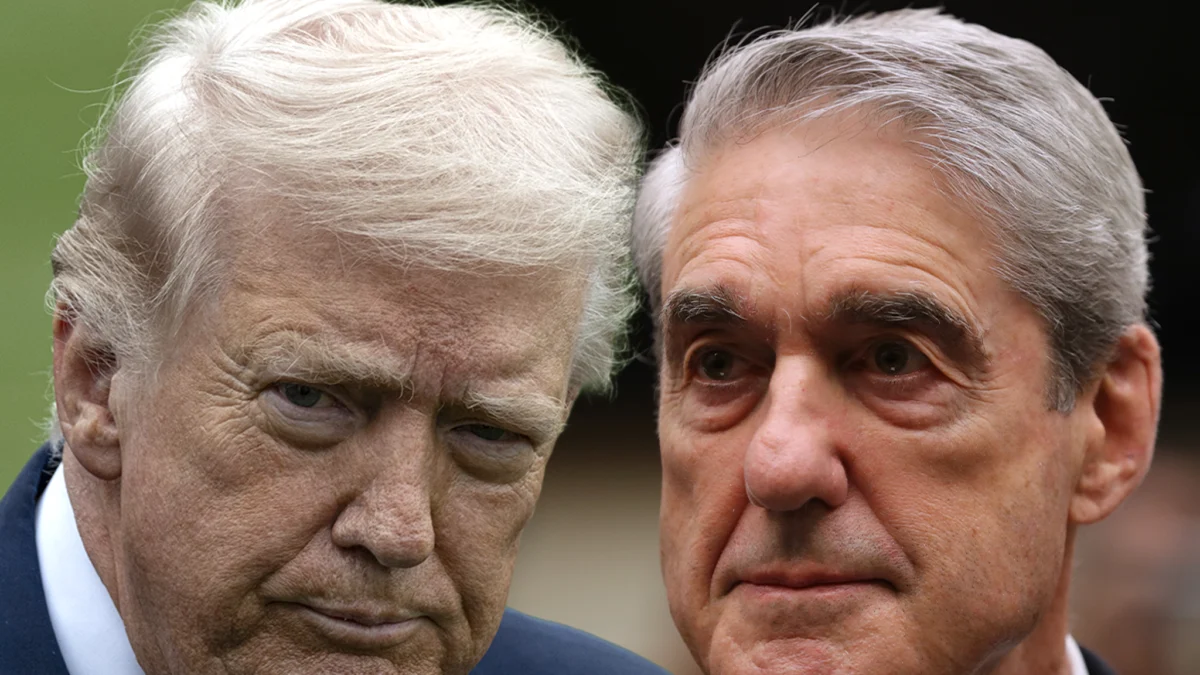
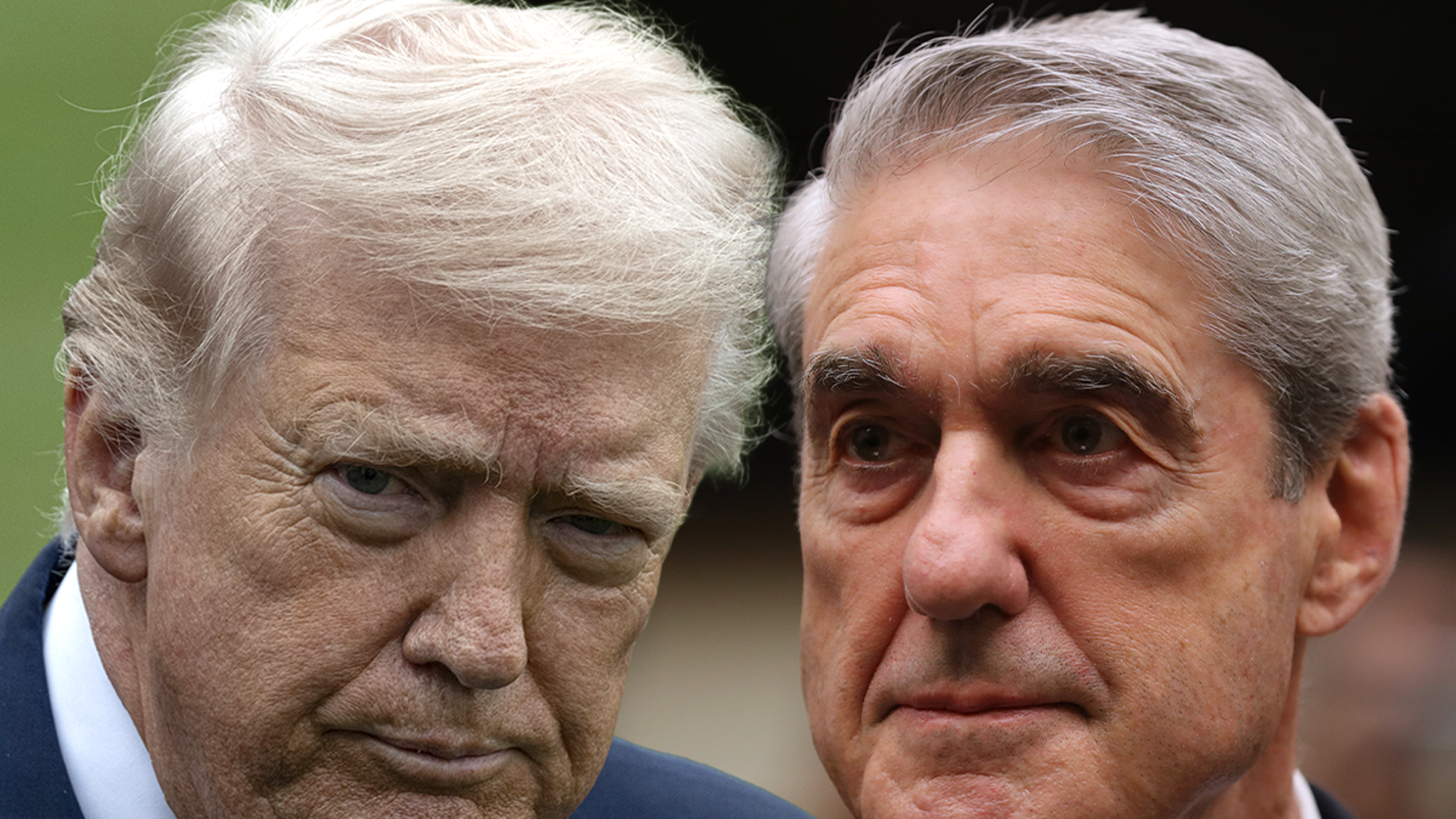
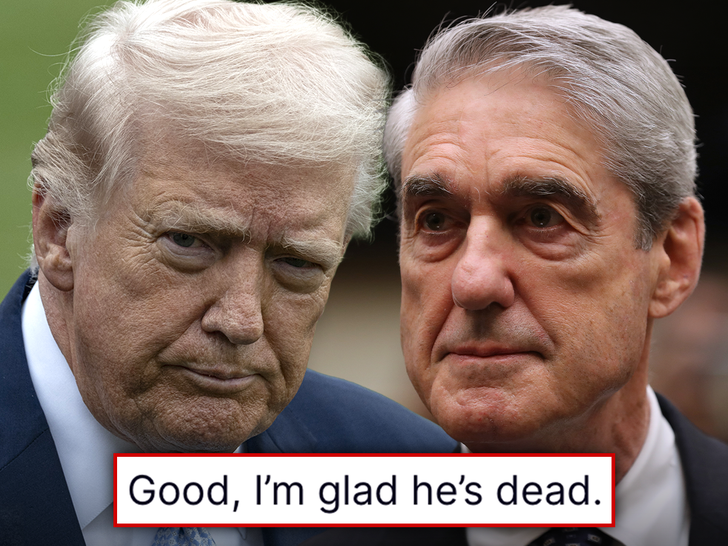
President Donald Trump issued an immediate and stark reaction to the news of former FBI Director Robert Mueller’s passing on Friday, March 21, 2026, stating, "Good, I’m glad he’s dead," in a post on his social media platform, Truth Social. The announcement of Mueller’s death had been conveyed by his family to the New York Times earlier that day, though details regarding the location or cause of death were not disclosed. President Trump’s subsequent post elaborated on his initial comment, adding, "He can no longer hurt innocent people!" This extraordinary statement marks a contentious coda to one of the most fraught political rivalries of recent American history, stemming from Mueller’s two-year investigation into Russian interference in the 2016 presidential election and allegations of obstruction of justice.
The President’s Unprecedented Statement
The swift and unvarnished nature of President Trump’s remarks, shared across his widely followed social media channels, sent immediate shockwaves through political circles and the public sphere. Coming just hours after the somber announcement of Mueller’s death, the statement was widely perceived as a highly unusual, if not unprecedented, expression of animosity from a sitting president towards a deceased public servant, particularly one who had served with distinction across multiple administrations. The brevity and directness of "Good, I’m glad he’s dead" offered no ambiguity regarding the President’s sentiments, underscoring the deep-seated resentment that had characterized their relationship since Mueller’s appointment as Special Counsel in May 2017. The follow-up assertion that Mueller "can no longer hurt innocent people!" directly invoked Trump’s long-held belief that the investigation was a politically motivated "witch hunt" designed to undermine his presidency.
A Legacy of Public Service: Robert Mueller’s Distinguished Career
Before his polarizing role as Special Counsel, Robert Swan Mueller III was widely regarded as a figure of unimpeachable integrity and a dedicated public servant with a formidable career in law enforcement and government. Born in 1944, Mueller’s early life was marked by military service; he was a decorated Marine Corps officer who served in Vietnam, earning the Bronze Star with Combat "V" and the Purple Heart. Following his military service, he embarked on a distinguished legal career, graduating from the University of Virginia School of Law.
Mueller’s tenure in public service included roles as Assistant U.S. Attorney in San Francisco and Boston, U.S. Attorney for the District of Massachusetts, and Assistant Attorney General for the Criminal Division of the Justice Department. His leadership was particularly noted during his time as Acting Deputy Attorney General. In 2001, President George W. Bush appointed him Director of the Federal Bureau of Investigation, a position he held for 12 years, making him the longest-serving FBI Director since J. Edgar Hoover. His leadership during the September 11, 2001, terrorist attacks was pivotal, as he spearheaded the agency’s transformation from a traditional law enforcement body into a national security-focused intelligence organization. Mueller’s bipartisan respect was such that his term as FBI Director was extended for two years by President Barack Obama in 2011, an extremely rare occurrence requiring special congressional authorization, a testament to his perceived independence and competence. Throughout his career, Mueller cultivated a reputation for being meticulous, methodical, and fiercely apolitical, attributes that would later be central to both the praise and criticism he received during the Special Counsel investigation.
The Genesis and Scope of the Special Counsel Investigation
The appointment of Robert Mueller as Special Counsel by then-Deputy Attorney General Rod Rosenstein on May 17, 2017, marked a critical juncture in American politics. The decision came amid escalating concerns over Russia’s interference in the 2016 election and President Trump’s firing of FBI Director James Comey just over a week prior. Comey’s dismissal, which Trump later admitted was motivated by the "Russia thing," raised questions about potential obstruction of justice. Mueller’s mandate was broad: to investigate "any links and/or coordination between the Russian government and individuals associated with the campaign of President Donald Trump" and "any matters that arose or may arise directly from the investigation."
Over the next two years, the Special Counsel’s Office conducted an exhaustive investigation, issuing more than 2,800 subpoenas, executing nearly 500 search warrants, obtaining more than 230 orders for communication records, and conducting approximately 500 witness interviews. The probe resulted in indictments or guilty pleas for 34 individuals and three Russian companies. These included key figures within Trump’s campaign and administration, such as Paul Manafort (campaign chairman), Rick Gates (deputy campaign chairman), George Papadopoulos (foreign policy advisor), Michael Flynn (National Security Advisor), and Roger Stone (longtime Trump associate). The charges ranged from financial crimes and conspiracy to lying to federal investigators and witness tampering. The investigation brought to light extensive contacts between Russian individuals and the Trump campaign, as well as a sophisticated Russian disinformation campaign aimed at influencing the election outcome.
Key Findings and Contentious Interpretations of the Mueller Report
The Special Counsel’s findings were formally submitted in a confidential report to Attorney General William Barr on March 22, 2019, culminating in a highly anticipated public release, albeit with redactions, in April 2019. The report, divided into two volumes, addressed the two primary areas of Mueller’s mandate: Russian interference and obstruction of justice.
Volume I detailed the Russian government’s "sweeping and systematic" efforts to interfere in the 2016 election, including hacking Democratic Party emails and engaging in social media disinformation campaigns. While the report established numerous contacts between Russian individuals and the Trump campaign, it stated that the investigation "did not establish that members of the Trump Campaign conspired or coordinated with the Russian government in its election interference activities." This conclusion became a cornerstone of President Trump’s declaration of "total exoneration."
However, Volume II, focusing on obstruction of justice, presented a far more nuanced and controversial picture. It meticulously detailed 10 specific episodes where President Trump allegedly sought to impede the investigation, including efforts to fire Mueller, pressure witnesses, and influence testimony. Crucially, the report stated, "While this report does not conclude that the President committed a crime, it also does not exonerate him." Mueller explained that charging a sitting president with a crime was precluded by Justice Department policy, but he also outlined a legal framework for Congress to consider if it deemed obstruction had occurred. This left the door open for congressional action and fueled intense debate about the President’s conduct.
The public’s understanding of the report was further complicated by Attorney General Barr’s four-page summary released prior to the full report. Critics argued Barr’s summary downplayed the report’s findings regarding obstruction, creating a narrative favorable to the President. Mueller himself expressed concerns about Barr’s characterization, indicating it "did not fully capture the context, nature, and substance" of his office’s work. The subsequent congressional testimony by Mueller in July 2019, where he reiterated that Trump was not exonerated, only intensified the political divide, with Democrats advocating for impeachment proceedings and Republicans defending the President’s actions as within his executive authority.
Years of Lingering Animosity: Trump’s Consistent Critique
Even after the conclusion of the Special Counsel investigation and the public release of the report, President Trump’s animosity towards Robert Mueller and the probe never subsided. For years, long after Mueller had returned to private life, Trump continued to lambaste the investigation as a "hoax," a "scam," and the "greatest political witch hunt in American history." These critiques were consistently amplified through his social media platforms, first Twitter and later Truth Social, where he commanded a direct line to his supporters, bypassing traditional media filters.
Trump’s rhetoric often painted Mueller and his team as politically biased operatives, part of a "deep state" conspiracy aimed at overturning the results of the 2016 election. He frequently referenced the cost of the investigation (approximately $32 million, much of which was offset by assets recovered from convicted individuals) as an example of wasteful government spending driven by partisan malice. This persistent narrative solidified among his base, making Mueller a symbol of what many Trump supporters viewed as an illegitimate attack on their president. The President’s post-mortem comments, therefore, were not an isolated outburst but a culmination of years of publicly expressed contempt, consistent with his established pattern of attacking perceived adversaries.
Immediate Political and Public Reactions
The President’s statement on Robert Mueller’s death immediately ignited a firestorm of reactions across the political spectrum and within the public discourse. Leading Democratic figures were quick to condemn the remarks as "disgraceful," "unpresidential," and a profound demonstration of a lack of empathy and respect for public service. Senate Majority Leader, Senator [Hypothetical Name], released a statement lamenting the "unseemly and profoundly disrespectful" nature of the President’s words, contrasting it with Mueller’s decades of dedicated service to the nation. Calls for decorum and respect for the deceased were widespread among critics.
Conversely, some of President Trump’s staunchest allies and supporters defended his comments, framing them as an honest and unfiltered expression of his frustration with an investigation they also viewed as unjust. One prominent Republican Congressman, [Hypothetical Name], stated on cable news that the President was "simply speaking his mind" and reflecting the sentiments of many Americans who felt wronged by the Mueller probe. These defenders argued that the President was entitled to his feelings, especially given what they perceived as a politically motivated attack on his presidency.
Social media platforms, including Truth Social and its competitors, became immediate battlegrounds for these opposing viewpoints, with hashtags related to Mueller and Trump trending globally. Public sentiment was deeply divided, mirroring the political polarization that has characterized the nation for years. Many expressed shock and sadness at the perceived lack of civility, while others applauded the President’s directness. Mueller’s family, through a spokesperson, reportedly issued a brief statement reiterating their gratitude for the outpouring of support and emphasizing Robert Mueller’s commitment to the rule of law and the institutions of American democracy, pointedly avoiding direct engagement with President Trump’s remarks. Legal experts and ethicists also weighed in, with many expressing concern over the erosion of traditional norms regarding presidential conduct and respect for those who serve the nation, regardless of political differences.
Implications for Presidential Discourse and Political Civility
President Trump’s highly charged statement regarding Robert Mueller’s death carries significant implications for presidential discourse, political civility, and the historical perception of their rivalry. Such an explicit and celebratory remark about the passing of a prominent political adversary, particularly one who served with distinction, is virtually without precedent in modern American presidential history. It further solidifies a trend towards increasingly aggressive and personalized political rhetoric, even in contexts traditionally reserved for solemnity and respect.
The incident is likely to be scrutinized by historians and political scientists as a stark example of the extreme polarization that defined this era. It raises questions about the long-term impact on the office of the presidency itself, and whether such unfiltered and inflammatory language, amplified by social media, sets a new, lower bar for public communication from the nation’s highest office. For supporters, it reinforces Trump’s image as an anti-establishment figure unafraid to speak his mind, while for critics, it underscores what they view as a profound disregard for democratic norms and human decency.
Furthermore, the statement ensures that the legacy of the Mueller investigation, already a subject of intense debate, will remain inextricably linked to this final, bitter exchange. It highlights the deep scars left by the investigation and the enduring inability of the principal figures to reconcile or move past the contentious events of 2016-2019. The remarks also serve as a stark reminder of the power of social media to disseminate immediate, unmediated presidential commentary, often bypassing traditional journalistic filters and contributing to a fragmented public understanding of events.
The Enduring Shadow of a Historic Rivalry
The passing of Robert Mueller and President Trump’s subsequent reaction casts an enduring shadow over one of the most significant political rivalries in contemporary American history. The contentious relationship between the former FBI Director, known for his stoic professionalism, and the populist President, famous for his confrontational style, encapsulated many of the broader ideological and cultural clashes of the late 2010s and early 2020s. Mueller’s investigation represented, for many, a defense of democratic institutions and the rule of law, while for Trump and his supporters, it symbolized an overreaching and partisan attempt to invalidate a legitimate election.
President Trump’s "Good, I’m glad he’s dead" is not merely a statement about an individual but a powerful, albeit controversial, articulation of victory in a long-standing political battle. It serves as a definitive, if undignified, closing chapter to a saga that consumed national attention for years, ensuring that the personal animosity between the two figures will remain a notable footnote in the historical record of the Mueller investigation and the Trump presidency. The incident guarantees that the complex legacy of Robert Mueller’s service and the polarizing impact of his Special Counsel probe will continue to be debated and reinterpreted for years to come, now with the added weight of this unprecedented final exchange.

 Jia Lissa
 Yuyun Lusiyani
 Joko Widodo
 Eva Lovia

 Pevita Pearce