
 Eva Lovia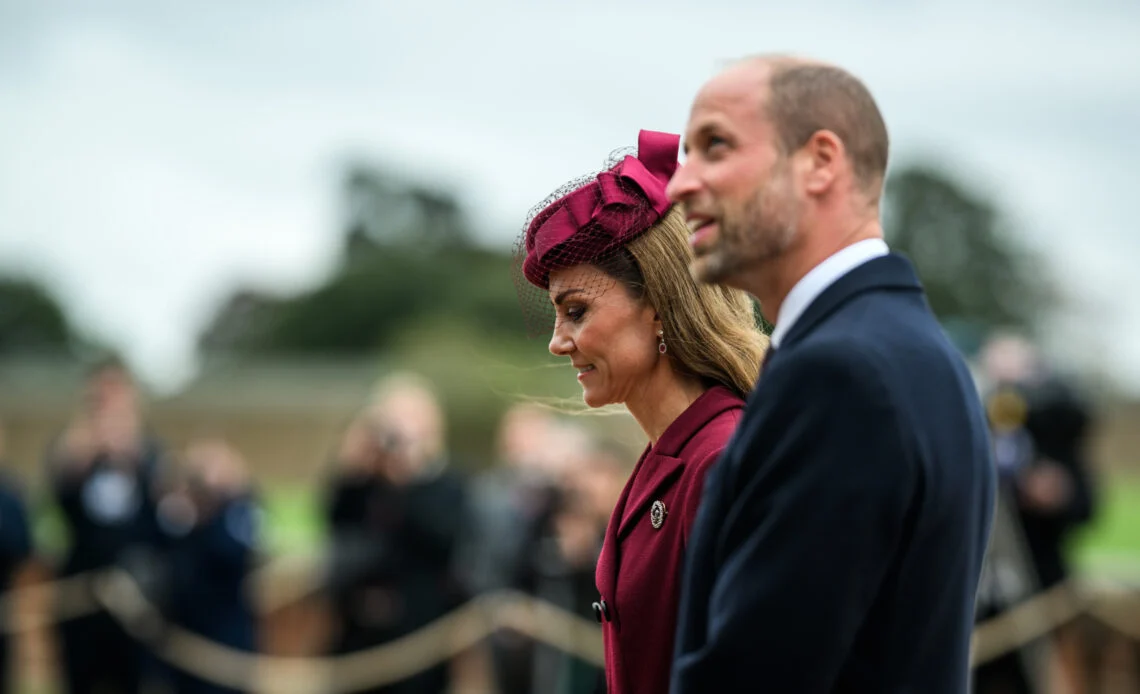
Prince William, The Prince of Wales, is reportedly cultivating a "quiet faith" and is keen to publicly underscore his commitment to the Church of England as it stands on the cusp of a significant moment in its history. The heir to the throne is scheduled to attend the installation of the first female Archbishop of Canterbury this week, an event that marks a pivotal point for the Anglican communion. This forthcoming ceremony has prompted renewed focus on the Prince’s personal spiritual convictions and his future role within the established church.
As the future Supreme Governor of the Church of England and the designated Defender of the Faith, Prince William’s relationship with the institution is of considerable interest. While the deep devotion of his late grandmother, Queen Elizabeth II, and the well-documented spiritual curiosity of his father, King Charles III, have long been subjects of public discourse, the Prince of Wales’s personal faith has, at times, been a topic of more nuanced discussion. His ascension to the position of heir apparent in September 2022, and thus next in line to hold these significant religious titles, has naturally brought his spiritual landscape into sharper focus.
Sources close to Prince William, speaking to The Sunday Times, have indicated that the Prince approaches his faith and his responsibilities to the Church of England with considerable seriousness. While acknowledging that his personal practice may not involve daily attendance at services, these sources emphasize that the depth of his commitment to Christian faith is not in question. An aide, speaking anonymously, articulated this sentiment, stating, "those who know him well recognise that his connection to the Church and to the sense of duty that comes with it, runs deep and is grounded in something personal and sincere." This underscores a conviction that extends beyond ceremonial obligation, suggesting an internalised belief system that informs his public persona and future duties.
The aide further elaborated on Prince William’s forward-looking perspective. "As he looks ahead to the responsibilities he will one day assume," the source explained, "he is keen to build a strong and meaningful bond with the Church and its leadership." This indicates a proactive approach to understanding and engaging with the spiritual and administrative facets of the Church, aiming for a relationship that "respects tradition while speaking to a modern Britain." This desire to bridge historical continuity with contemporary relevance suggests an awareness of the evolving societal landscape and the Church’s role within it.
The Prince and Princess of Wales have already demonstrated a willingness to engage directly with the incoming Archbishop. In February, Prince William and Catherine visited Dame Sarah Mullally at Lambeth Palace. This meeting, described as "warm," provided an early opportunity for dialogue and for the couple to familiarise themselves with the new leadership. Following the engagement, Dame Sarah expressed her pleasure, stating, "It was a privilege to welcome the Prince and Princess of Wales to Lambeth Palace today. I know we hold the same hope for a better world and I look forward to working together in the years to come." This exchange highlights a shared vision for positive societal impact and a foundation for future collaboration.
An interesting personal connection between Prince William and the new Archbishop of Canterbury is their mutual passion for football, with both being noted supporters of Aston Villa. This shared interest, while seemingly unrelated to their ecclesiastical and royal duties, can foster a sense of common ground and informal rapport, potentially aiding in the development of a productive working relationship.
The Road to the Archbishopric: A Chronology
The upcoming installation marks the culmination of a significant period of transition for the Church of England. The previous Archbishop of Canterbury, Justin Welby, concluded his tenure following considerable criticism regarding his handling of allegations of sexual abuse by John Smyth. This situation necessitated a formal process for selecting a successor, a process that ultimately led to the nomination and confirmation of Dame Sarah Mullally.
- Prior to 2024: Justin Welby serves as Archbishop of Canterbury.
- Early 2024: Reports emerge regarding criticism of Archbishop Welby’s handling of past abuse cases.
- Undisclosed Date in 2024: Archbishop Justin Welby resigns from his position.
- February 2024: Prince William and Catherine visit Dame Sarah Mullally at Lambeth Palace.
- Undisclosed Date (following February 2024): Dame Sarah Mullally is officially installed or confirmed as the new Archbishop of Canterbury.
- This Week: Formal installation ceremony for Dame Sarah Mullally at Canterbury Cathedral.
The customary participation of the heir to the throne in the installation of the Archbishop of Canterbury underscores the deep historical and constitutional links between the monarchy and the Church. This tradition signifies the continuity of the monarch’s role as the Supreme Governor and Defender of the Faith, a role that Prince William will eventually inherit. The Princess of Wales’s attendance alongside her husband further emphasizes the couple’s united front in supporting the Crown’s religious responsibilities.
The Significance of a Female Archbishop
The appointment of Dame Sarah Mullally as the first female Archbishop of Canterbury is a landmark event, reflecting shifts within the Church of England and broader societal changes regarding gender equality. While the ordination of women as priests and bishops has been established for some time, the elevation of a woman to the highest office within the Anglican Communion represents a significant symbolic and practical advancement. This decision by the Crown Nominations Commission and ultimately by the monarch (acting on governmental advice) signals a Church that is evolving and adapting to contemporary values, while still navigating its rich historical and theological traditions.
This development also positions Prince William at a unique juncture. His future reign will oversee a Church that has demonstrably embraced greater inclusivity at its leadership level. His stated desire to build a "strong and meaningful bond with the Church and its leadership" will be tested and shaped by this new era, requiring him to engage with a diverse range of perspectives within the Communion.
Broader Implications and Analysis
Prince William’s "quiet faith" and his commitment to supporting the Church of England carry significant implications. In an increasingly secularised Britain, the role of the monarchy as a spiritual figurehead is subject to ongoing scrutiny. The Prince’s proactive engagement suggests an understanding of the need to demonstrate relevance and continuity in this capacity. His focus on a faith that "respects tradition while speaking to a modern Britain" indicates an awareness of the delicate balance required to maintain public engagement and support.
The Prince’s personal journey of faith, particularly in the wake of his father’s accession and his own heightened public profile, is a subject of natural interest. The fact that his spiritual convictions are described as "personal and sincere" by those close to him suggests a belief system that is not merely performative but deeply ingrained. This authenticity, if perceived by the public, could bolster the monarchy’s spiritual authority in an era where such authority is often questioned.
Furthermore, the Princess of Wales’s own reported deepening spirituality in recent months, following her cancer diagnosis in early 2024, adds another layer to the couple’s engagement with faith. While the article does not elaborate on the specifics of her spiritual journey, this personal experience may foster a greater empathy and understanding of faith-based support systems, potentially influencing their approach to their royal duties and charitable work.
The installation of the first female Archbishop of Canterbury, coupled with the Prince of Wales’s public affirmation of his commitment to the Church, signals a period of evolution and potential renewal for the Anglican Communion. Prince William’s role in this transition will be closely observed, as he prepares to embody the future of both the monarchy and its spiritual leadership in the United Kingdom and the Commonwealth. His willingness to engage with the complexities of faith in a modern context, while honouring tradition, will be crucial in shaping public perception and ensuring the enduring relevance of his future position as Defender of the Faith.



 Yuyun Lusiyani
 Joko Widodo
 Pevita Pearce
 admin
admin
 Lina Irawan