
 Eva Lovia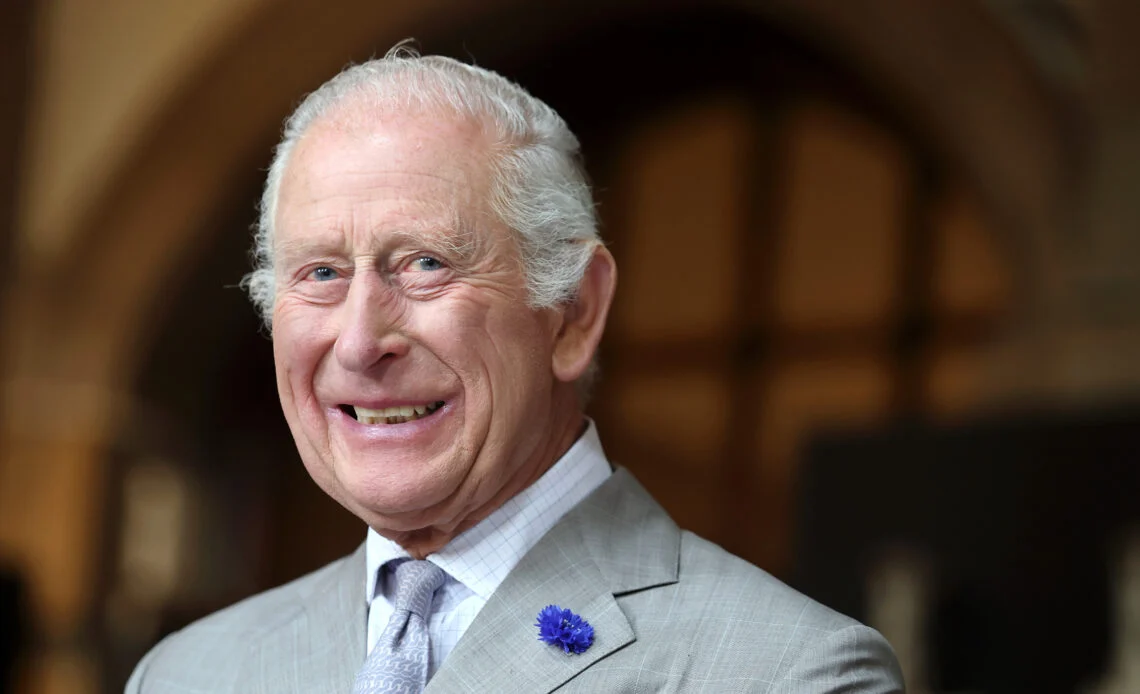
King Charles III has personally intervened to lift a long-standing informal ban on garden gnomes at the esteemed RHS Chelsea Flower Show, a move that signals a renewed emphasis on bringing joy and accessibility to horticulture, particularly for younger generations. This significant shift, driven by His Majesty’s well-known affection for the whimsical charm that gnomes can bring to outdoor spaces, will see these colourful ornaments return to the prestigious event for the first time in over a decade. The decision is intrinsically linked to the RHS and King’s Foundation’s collaborative “Curious Garden,” a special exhibit designed to ignite a passion for gardening in children and young people.
A Royal Patronage for Playful Gardening
For years, the RHS Chelsea Flower Show, a globally recognised pinnacle of horticultural excellence, has maintained a somewhat formal stance, largely excluding garden gnomes from its meticulously curated displays. This unwritten rule, however, has been directly challenged by King Charles, who is known to embrace a more lighthearted approach to garden design, even incorporating gnomes into the grounds of his private residence, Highgrove House. His Majesty’s personal encouragement has evidently persuaded organisers to reconsider the role of such ornaments, recognising their potential to democratise and de-mystify gardening.
The return of the gnomes is not merely a whimsical gesture but a strategic element of the "Curious Garden." This innovative exhibit, co-designed with input from His Majesty, Sir David Beckham, and renowned horticulturalist Alan Titchmarsh, aims to create an engaging and interactive environment for young visitors. The garden will feature an array of brightly coloured gnomes, many of which have been imaginatively designed by a host of celebrities. These playful figures will be strategically placed throughout the exhibit, interspersed with vibrant floral displays, including the striking blue delphiniums, a flower notably favoured by King Charles III himself.
The Curious Garden: Cultivating Future Gardeners
The "Curious Garden" represents a tangible manifestation of the King’s Foundation’s enduring mission, established decades ago, to foster personal development and skill-building through education and training. The Foundation champions sustainability and aims to transform lives by providing opportunities for thousands of young individuals annually to acquire practical skills. The garden’s design directly reflects these objectives, with every plant selected for its ecological benefit, particularly its role in supporting pollinators. Furthermore, the trees incorporated into the design are chosen to highlight the importance of biodiversity, offering a living lesson in the interconnectedness of natural ecosystems.
Frances Tophill, a garden designer with a distinguished background including experience at Monet’s famous garden in Giverny and the Andromeda Botanical Garden in Barbados, is leading the design of the RHS and King’s Foundation Garden. Her extensive work also encompasses creating therapeutic gardens for vulnerable adults, underscoring her commitment to the power of horticulture for well-being. Tophill’s collaborative approach, involving insights from King Charles, Sir David Beckham, and Alan Titchmarsh, ensures the "Curious Garden" is not only aesthetically pleasing but also rich in educational and developmental potential. The inclusion of gnomes, therefore, serves to underline the initiative’s core message: that gardening can and should be fun and accessible to all.
A Historical Context: Gnomes at Chelsea
The decision to reintroduce garden gnomes is a significant departure for the RHS Chelsea Flower Show. Historically, the show has only permitted gnomes on one prior occasion: in 2013, to commemorate the event’s centenary. During that centenary celebration, celebrity-designed gnomes were also a feature, mirroring the approach being taken this year. The tradition of celebrity involvement in gnome design continues with a distinguished roster for 2026. This year’s creations will be crafted by luminaries such as Oscar-winning actress Cate Blanchett, Baroness Floella Benjamin, Dame Mary Berry, and Sir Brian May, adding a significant cultural cachet to the initiative.
The RHS Director General, Clare Matterson, articulated the organisation’s vision for this change. "We want people to be playful with their gardening," she stated, "which is why we’re lifting the gnome ban for these celebrity gnomes, who will then, by being auctioned off, help us do even more to awaken a curiosity in gardening in school children and support our national Campaign for School Gardening. Gardening in schools increases resilience, builds confidence, encourages curiosity and gives access to nature – it’s a vital resource that every school should have access to.” This statement highlights the dual purpose of the gnome initiative: to raise funds for educational programmes and to promote the tangible benefits of school gardening, which include fostering resilience, building confidence, and enhancing access to nature.
Beyond the Curious Garden: A Wider Impact
While the "Curious Garden" will be the primary showcase for the celebrity gnomes, there is anticipation that some may also appear in other areas of the expansive Chelsea Flower Show, which features dozens of gardens across the grounds of the Royal Hospital Chelsea. This broader integration further amplifies the message of inclusivity and fun.
The Royal Family traditionally attends the preview day of the RHS Chelsea Flower Show, a highlight that allows them to experience the horticultural displays firsthand. King Charles and Queen Camilla are expected to lead the royal contingent at this year’s event, providing them with an up-close view of the revived gnome tradition and the "Curious Garden" project.
The RHS Chelsea Flower Show is scheduled to take place from May 19th to May 23rd, 2026. The return of the garden gnome, facilitated by the direct involvement of King Charles III, represents more than just a change in exhibition policy. It signifies a deliberate effort to infuse the world of horticulture with a greater sense of playfulness and accessibility, aiming to cultivate a new generation of enthusiastic gardeners by making the pursuit enjoyable and engaging from the outset. The initiative also serves as a powerful fundraiser for vital educational programmes, ensuring that the joy and benefits of gardening can reach a wider audience.
Supporting Data and Implications
The RHS Chelsea Flower Show is one of the most famous flower shows in the world, attracting over 150,000 visitors annually. Its influence extends far beyond its attendees, shaping horticultural trends and inspiring garden design globally. The inclusion of elements like celebrity-designed gnomes, especially with royal backing, is likely to generate significant media attention, further amplifying the message of accessible and fun gardening.
Data from the RHS and other horticultural organisations consistently shows a decline in engagement with gardening among younger demographics. Initiatives like the "Curious Garden" and the playful inclusion of gnomes are crucial in reversing this trend. The RHS’s Campaign for School Gardening, which benefits from the auction proceeds of the gnomes, has been instrumental in bringing gardening into educational settings. Studies have demonstrated that participation in school gardening programmes can lead to improved academic performance, enhanced understanding of environmental issues, and better nutritional habits. For example, research published in the Journal of the American Society for Horticultural Science has indicated that school gardens can improve children’s consumption of fruits and vegetables.
The involvement of high-profile individuals like Sir David Beckham and Cate Blanchett adds a layer of celebrity endorsement that can significantly influence public perception and participation. Their association with the event not only raises its profile but also makes gardening seem more relatable and aspirational to their extensive fan bases, which often include younger audiences.
The analysis of this move suggests a strategic effort by both the Royal Family and the RHS to modernise the perception of gardening. By embracing elements traditionally seen as kitsch or less serious, they are aiming to break down perceived barriers and demonstrate that gardening is a vibrant, creative, and beneficial activity for people of all ages and backgrounds. The success of this initiative could pave the way for further innovative approaches to horticultural engagement, potentially influencing other major garden shows and horticultural organisations worldwide to adopt more inclusive and playful strategies. The financial implications of the gnome auction are also significant, providing much-needed funding for the King’s Foundation and the RHS’s educational outreach programmes, thus creating a sustainable model for fostering future horticulturalists. The RHS’s long-term commitment to school gardening, supported by initiatives like this, underscores a growing recognition of the critical role gardening plays in education, well-being, and environmental stewardship.


 Yuyun Lusiyani
 Joko Widodo
 Pevita Pearce
 admin
admin
 Lina Irawan