
 admin
admin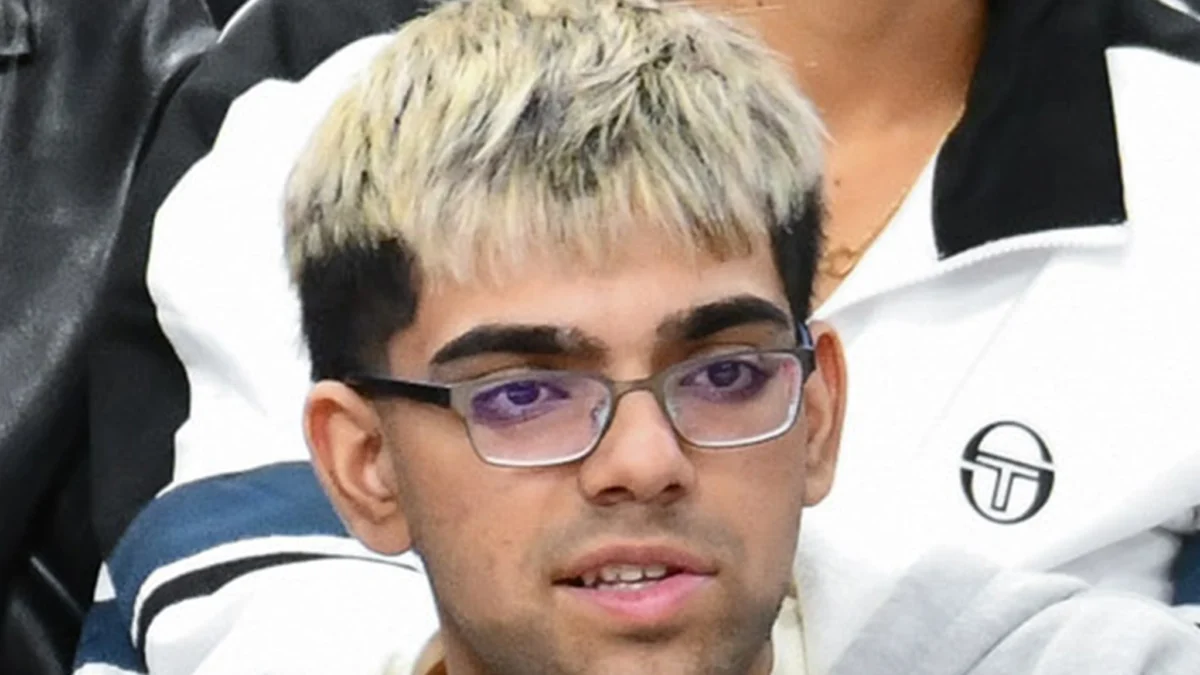
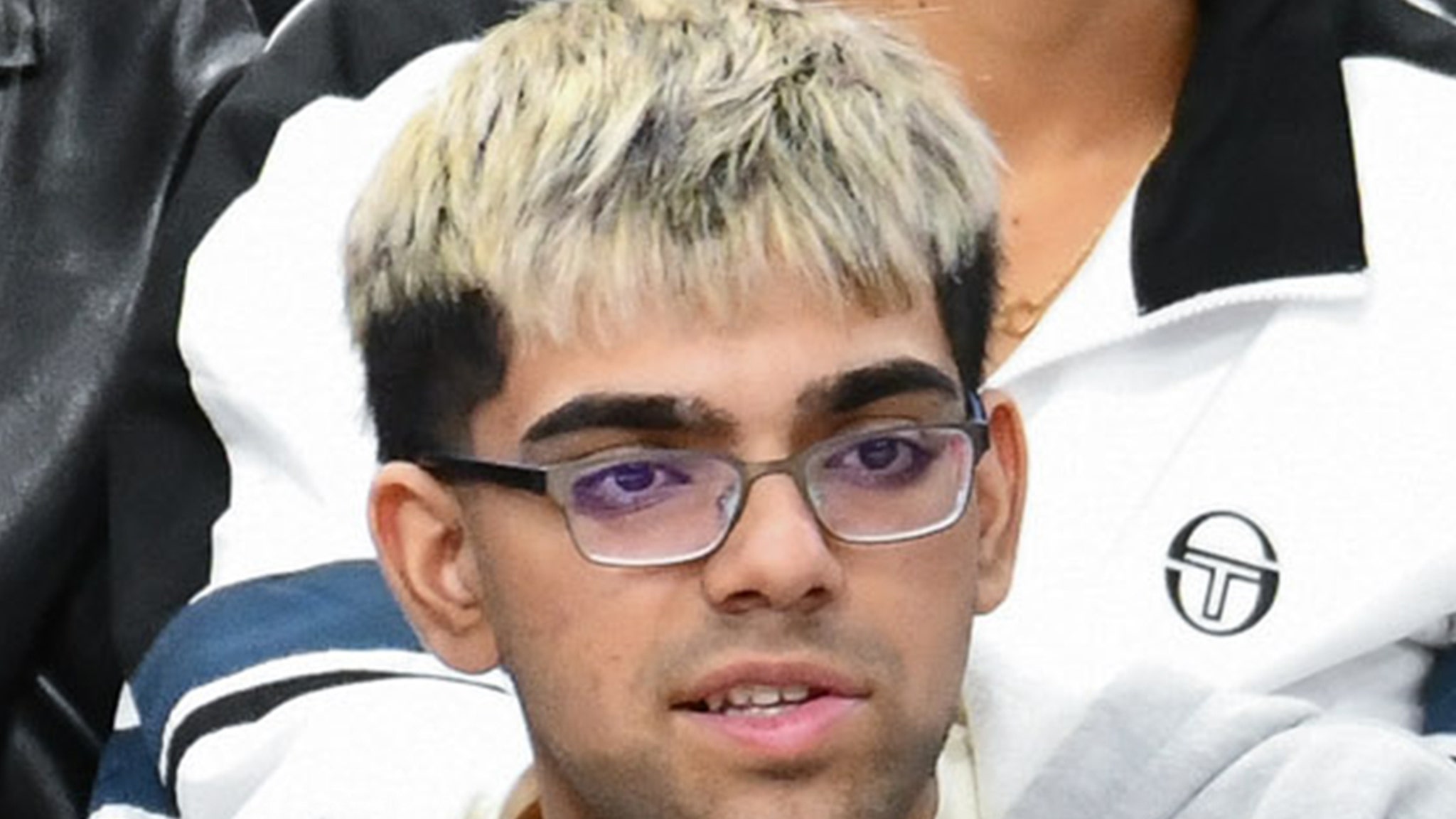
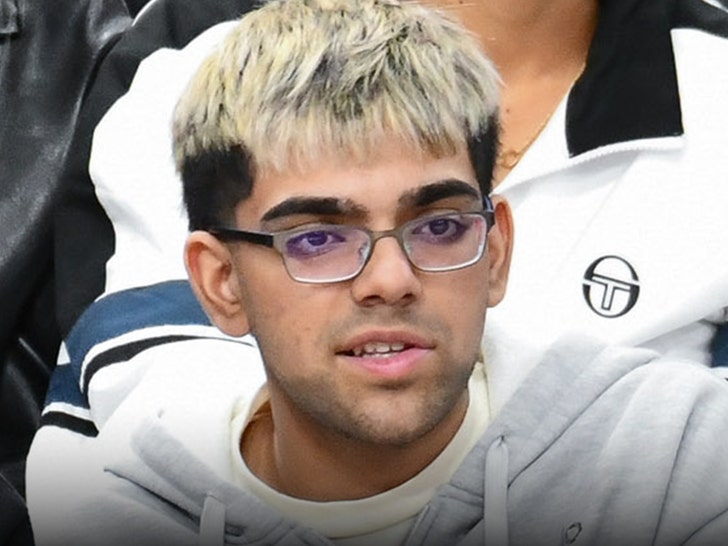
On Sunday, March 22, 2026, popular Kick streamer N3on, whose real name is Rangesh Mutama, was once again subjected to a "swatting" incident while livestreaming in Los Angeles. The event, which unfolded publicly before thousands of viewers, saw law enforcement officials responding to a false report of a violent crime, leading to N3on and his associate being detained on a public street. This marks a recurring and dangerous pattern for the streamer, highlighting the escalating risks faced by high-profile online personalities.
The incident occurred as N3on was walking along Melrose Avenue with his friend, Benjy Chavez, broadcasting their activities live to an engaged audience. Suddenly, the livestream captured the arrival of multiple law enforcement vehicles, whose occupants, identified as deputies, swiftly instructed N3on and Chavez to halt, drop to the ground, and place their hands behind their heads. Video footage from the stream shows N3on immediately complying with the officers’ commands, demonstrating a clear understanding of the situation as a swatting attempt. Chavez, initially appearing startled, also followed instructions, while the individual behind the camera confirmed the nature of the false alarm.
Law enforcement sources later confirmed to TMZ that the emergency response was triggered by a 911 call reporting individuals attempting to initiate a shooting in the area. This fabricated report prompted a significant deployment of resources, characteristic of a high-priority threat. Deputies quickly located N3on and Chavez, detained them for a brief period, and, upon assessing the situation, determined that the call was a malicious hoax. No arrests were made, and both individuals were subsequently released, but the incident underscored the serious implications of such targeted harassment.
A Pattern of Harassment: N3on’s History with Swatting
This is not an isolated incident for N3on. The streamer has become a frequent target of swatting, a dangerous form of online harassment where a false report of a serious crime, such as a hostage situation, bombing, or active shooter, is made to emergency services, prompting the dispatch of a large number of armed law enforcement officers (often a SWAT team) to an unsuspecting victim’s address.
A particularly notable previous incident occurred in October 2024, when N3on was swatted at his Los Angeles home while engaged in a 24/7 livestream. That event, which also resulted in a significant police response, led to a temporary ban for N3on from filming within the city during his then-ongoing 30-day continuous streaming event due to the disruption and resource drain caused by the repeated false alarms. Despite these previous encounters and the ensuing consequences, N3on has continued his prolific streaming activities, demonstrating a resilience, or perhaps an acceptance, of the inherent risks associated with his profession. His continued presence online, seemingly undeterred, contributes to a broader discussion within the streaming community about managing personal safety and public exposure.
The Grave Reality of Swatting: A Dangerous Digital Prank
Swatting, while often dismissed by perpetrators as a harmless prank, carries severe and potentially fatal consequences. The practice originated in the early 2000s within the gaming community and has since evolved into a prevalent form of cyber harassment, particularly targeting streamers, content creators, and public figures. The inherent danger lies in the unpredictable nature of emergency responses. Officers arriving at a scene under the belief that a violent crime is in progress are trained to react with maximum force and caution, creating a high-stress environment that can easily lead to injury or even death for the innocent victim, law enforcement personnel, or bystanders.
Statistics, though often difficult to compile comprehensively due to varying reporting methods, indicate a growing trend in swatting incidents across North America and Europe. The Federal Bureau of Investigation (FBI) in the United States has long categorized swatting as a serious federal crime, recognizing its potential for violence and its impact on public safety resources. Estimates suggest that thousands of such incidents occur annually, each draining critical resources from legitimate emergencies and placing responders and targets at undue risk. The financial cost associated with a single swatting incident can range from thousands to tens of thousands of dollars, encompassing the deployment of multiple police units, specialized SWAT teams, fire departments, and paramedics. These costs are ultimately borne by taxpayers, diverting funds and personnel from genuine community needs.
Beyond the immediate physical dangers, swatting inflicts significant psychological trauma on victims. The experience of having heavily armed officers storm one’s home or detain one in public, often at gunpoint, can lead to long-lasting anxiety, PTSD, and a pervasive sense of insecurity. Streamers, who often blur the lines between their public and private lives for content, become particularly vulnerable targets, with their personal information sometimes leaked by malicious actors seeking to cause harm.
Legal Ramifications and Law Enforcement Response
Law enforcement agencies globally have intensified efforts to combat swatting, recognizing it as a serious criminal offense rather than a mere prank. In the United States, perpetrators can face a range of federal and state charges, including making false reports to emergency services, conspiracy, stalking, aggravated assault, and even charges related to terrorism if the intent to instill fear is proven. Sentences can include significant prison time and substantial fines. For instance, a notable case in 2017 involved a fatal swatting incident in Wichita, Kansas, where a man was killed by police after a false report. The perpetrator, Tyler Barriss, was sentenced to 20 years in federal prison, marking one of the most severe penalties for swatting to date and serving as a stark warning about its gravity.
In response to the growing threat, police departments often issue public warnings, emphasizing the severe legal consequences for those who engage in swatting. They also work to educate the public on how to report suspicious activity without inadvertently becoming part of a swatting scheme. Many agencies have implemented protocols to identify potential swatting calls, such as verifying addresses and caller information, though the sophisticated nature of some hoaxes still makes immediate detection challenging. The Los Angeles Police Department (LAPD), which covers the area where N3on’s recent incident occurred, has considerable experience with swatting due to the high concentration of celebrities and online personalities residing in the region. They frequently reiterate their commitment to prosecuting perpetrators and protecting their community members from such malicious acts.
The Broader Impact on the Streaming Community
N3on’s repeated experiences highlight a broader crisis within the online streaming community regarding safety and security. Streamers, by the very nature of their profession, cultivate a public persona that often blurs the lines between entertainment and personal life. This accessibility, while fostering engagement with their audience, also creates vulnerabilities. Malicious actors, often fueled by parasocial relationships, grievances, or a desire for notoriety, exploit this accessibility to launch harassment campaigns, of which swatting is arguably the most dangerous.
The constant threat of swatting forces streamers to adopt various security measures, from hiring personal security and implementing advanced home security systems to carefully managing the disclosure of their personal information. However, as N3on’s latest incident demonstrates, even public locations can become targets, making it difficult for streamers to fully escape the threat. The psychological toll on content creators is significant, with many reporting increased anxiety, paranoia, and a diminished sense of safety in their own homes and communities. This pervasive fear can stifle creativity and lead to self-censorship, ultimately impacting the quality and spontaneity of their content.
Moreover, these incidents cast a shadow over the entire streaming ecosystem. While platforms like Kick, Twitch, and YouTube provide powerful tools for content creation and community building, they also grapple with the challenge of moderating harmful behavior and protecting their users from real-world threats. The community often engages in intense debates about platform responsibility: should platforms do more to identify and ban users who instigate swatting, or is the onus primarily on law enforcement?
Platform Responsibility and Future Challenges
Streaming platforms have a complex role in addressing swatting. While they are not directly responsible for the actions of individuals who make false 911 calls, their platforms can be used to organize, incite, or broadcast these events. Major platforms typically issue strong statements condemning swatting and outline policies against harassment and illegal activities. They also often cooperate with law enforcement investigations, providing data that can help identify perpetrators. However, the sheer volume of content and users makes proactive prevention incredibly challenging.
There is an ongoing discussion within the industry about whether platforms could implement more robust measures, such as enhanced reporting tools, AI-driven content moderation to detect threats, or even direct collaboration with emergency services to flag potential swatting incidents based on real-time stream content. However, these suggestions often come with concerns about privacy, censorship, and the technical feasibility of such large-scale interventions. The balance between protecting user safety and upholding freedom of expression remains a delicate and evolving challenge.
Calls for Enhanced Security and Deterrence
The repeated swatting of streamers like N3on serves as a stark reminder of the urgent need for enhanced security measures and stronger deterrents against this dangerous form of cybercrime. Beyond stricter legal penalties and more effective prosecution, there is a growing call for technological solutions and increased public awareness.
One proposed solution involves closer collaboration between internet service providers, streaming platforms, and law enforcement agencies to track and identify malicious callers more efficiently. Another area of focus is on developing technologies that allow emergency dispatch centers to quickly verify the legitimacy of high-risk calls, perhaps through a secure verification system that streamers or public figures could opt into. Public awareness campaigns are also crucial to educate individuals about the severe real-world consequences of swatting, moving beyond the perception of it as a harmless online prank.
Furthermore, the incidents underscore the importance of digital literacy and responsible online behavior. The anonymity of the internet can embolden individuals to engage in harmful actions they would never contemplate offline. Fostering a culture of respect and accountability within online communities is essential to mitigating not just swatting, but all forms of online harassment.
Conclusion: An Escalating Threat
N3on’s latest swatting incident on Melrose Avenue is more than just another news headline about a streamer; it is a critical indicator of an escalating threat that transcends the digital realm and directly impacts public safety. The incident not only disrupted N3on’s livestream and placed him and his friend in a potentially dangerous situation but also diverted precious emergency resources that could have been needed elsewhere for genuine crises.
As the lines between online entertainment and real-world consequences continue to blur, the responsibility to address phenomena like swatting falls on multiple stakeholders: law enforcement, who must continue to pursue and prosecute perpetrators vigorously; streaming platforms, who must evolve their safety protocols and cooperate with authorities; and the online community itself, which must foster an environment of respect and accountability. Until these collective efforts yield more comprehensive solutions, the shadow of swatting will unfortunately continue to loom over the vibrant, yet increasingly vulnerable, world of online streaming.




 Jia Lissa
 Yuyun Lusiyani
 Joko Widodo
 Eva Lovia

 Pevita Pearce