
 Lina Irawan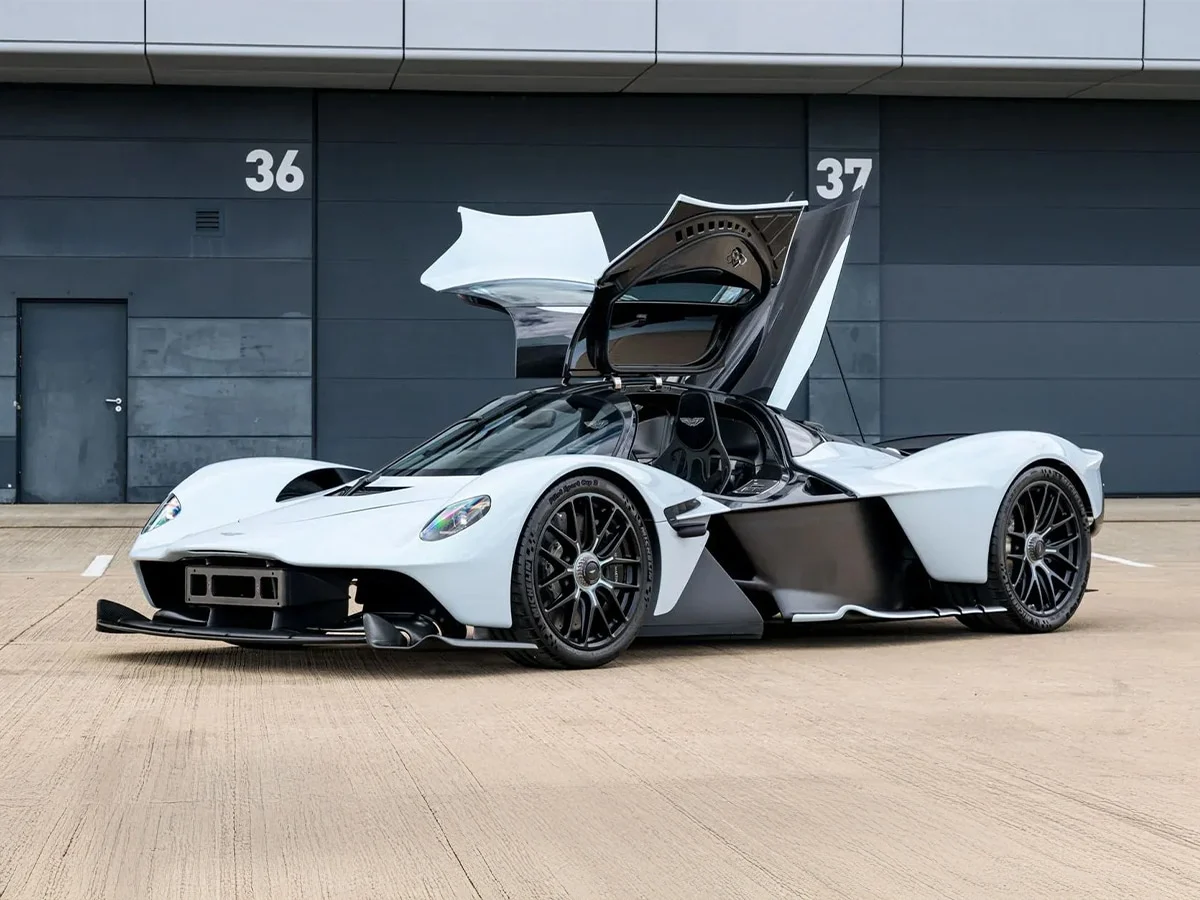
The global automotive industry is currently navigating a profound paradigm shift where the traditional metrics of performance, once defined almost exclusively by top speed and raw horsepower, are being recalibrated. For decades, the pursuit of the 1,000-horsepower threshold was considered the "Holy Grail" of automotive engineering—a feat of mechanical strength that separated experimental prototypes from production-ready vehicles. However, the rapid ascent of electric vehicle (EV) technology has effectively commoditized high-output performance. Today, family-oriented electric sedans can achieve acceleration figures that outpace the legendary supercars of the 1990s, leading to a saturation of "digital perfection" that has left the world’s most discerning collectors yearning for something more tangible.
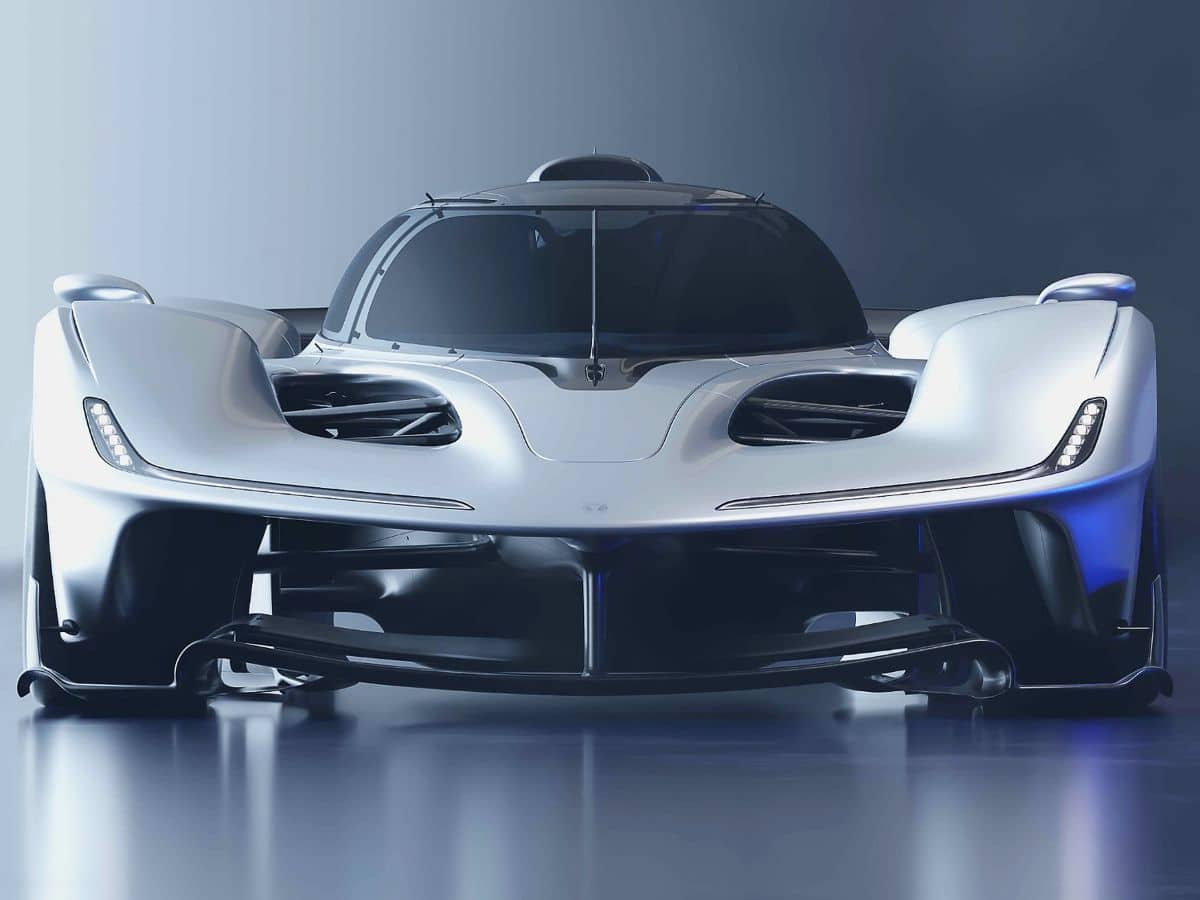
This evolution has culminated in the impending arrival of the Red Bull RB17, a vehicle designed by the legendary Adrian Newey. Armed with a naturally aspirated V10 engine capable of delivering over 1,200 horsepower and revving to a stratospheric 15,000 rpm, the RB17 represents a growing movement among ultra-high-net-worth enthusiasts to abandon sterile, software-driven speed in favor of visceral, mechanical engagement. This shift marks a return to the "mechanical soul" of driving, where the snap of a sequential gearbox and the vibration of a high-revving internal combustion engine (ICE) take precedence over the silent, linear torque of an electric motor.
The Chronology of the Horsepower Arms Race
To understand the significance of the current hypercar landscape, one must examine the trajectory of performance engineering over the last four decades. In the late 1980s and early 1990s, cars like the Ferrari F40 and the Lamborghini Diablo were the vanguards of performance, hovering around the 500-horsepower mark. At the time, industry analysts speculated that a ceiling was being reached regarding what a road-legal chassis could handle.
The narrative shifted dramatically in the mid-1990s with the arrival of the McLaren F1, designed by Gordon Murray. It utilized a BMW-sourced V12 to produce 618 horsepower, a figure that remained the benchmark for years. However, the true "Veyron Era" began in 2005 when Bugatti, under the stewardship of the Volkswagen Group, shattered expectations with the 1,001-horsepower Veyron 16.4. This car proved that a production vehicle could break the 250-mph barrier while maintaining luxury standards.
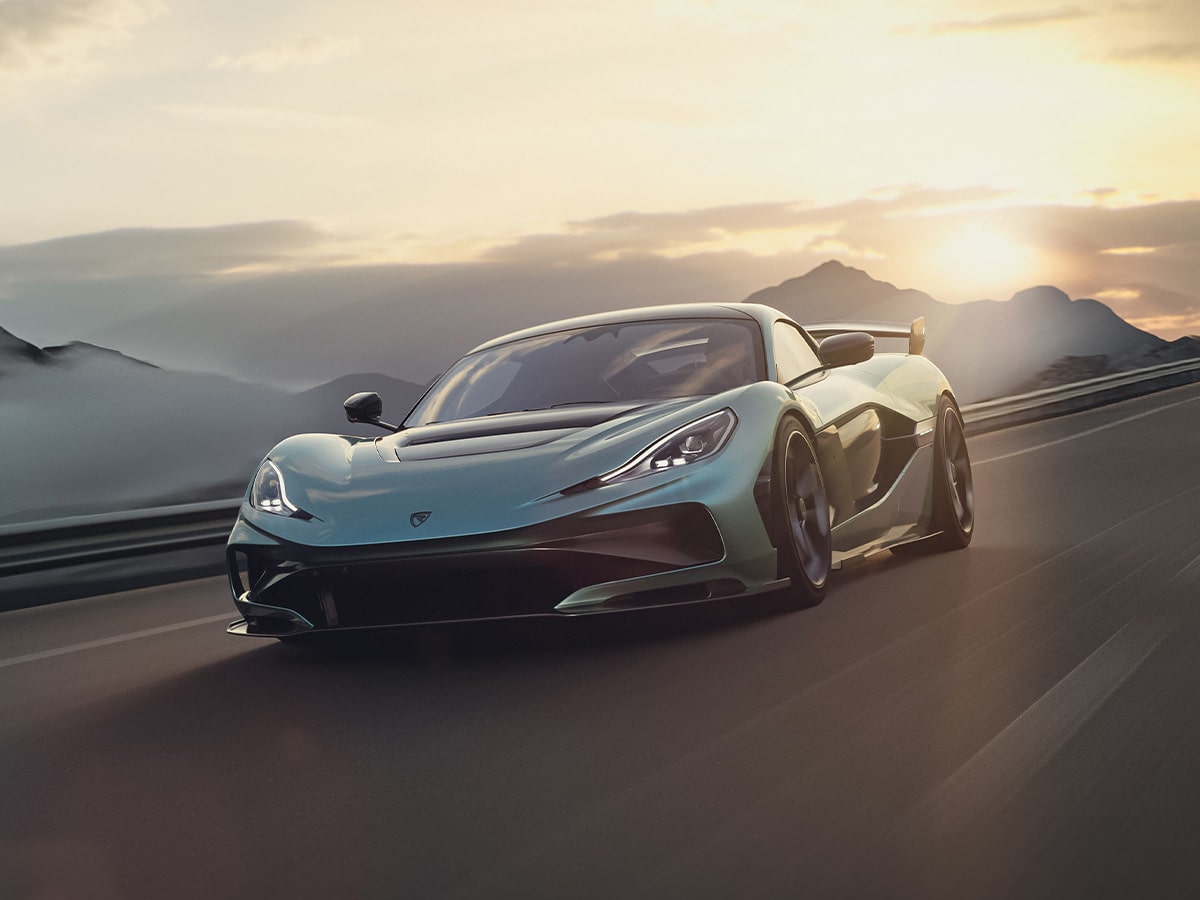
By 2015, the Bugatti Veyron Super Sport had pushed this limit to 1,200 horsepower. This decade-long cycle of incremental gains was suddenly disrupted by two forces: the "Holy Trinity" of hybrid hypercars—the Ferrari LaFerrari, McLaren P1, and Porsche 918 Spyder—and the subsequent explosion of all-electric performance. Within less than ten years, the benchmark for hypercar output doubled. The Rimac Nevera, an all-electric powerhouse, now delivers 1,914 horsepower, setting a new standard for what is possible when software and electric motors replace traditional pistons and valves.

The RB17: A Technical Masterpiece by Adrian Newey
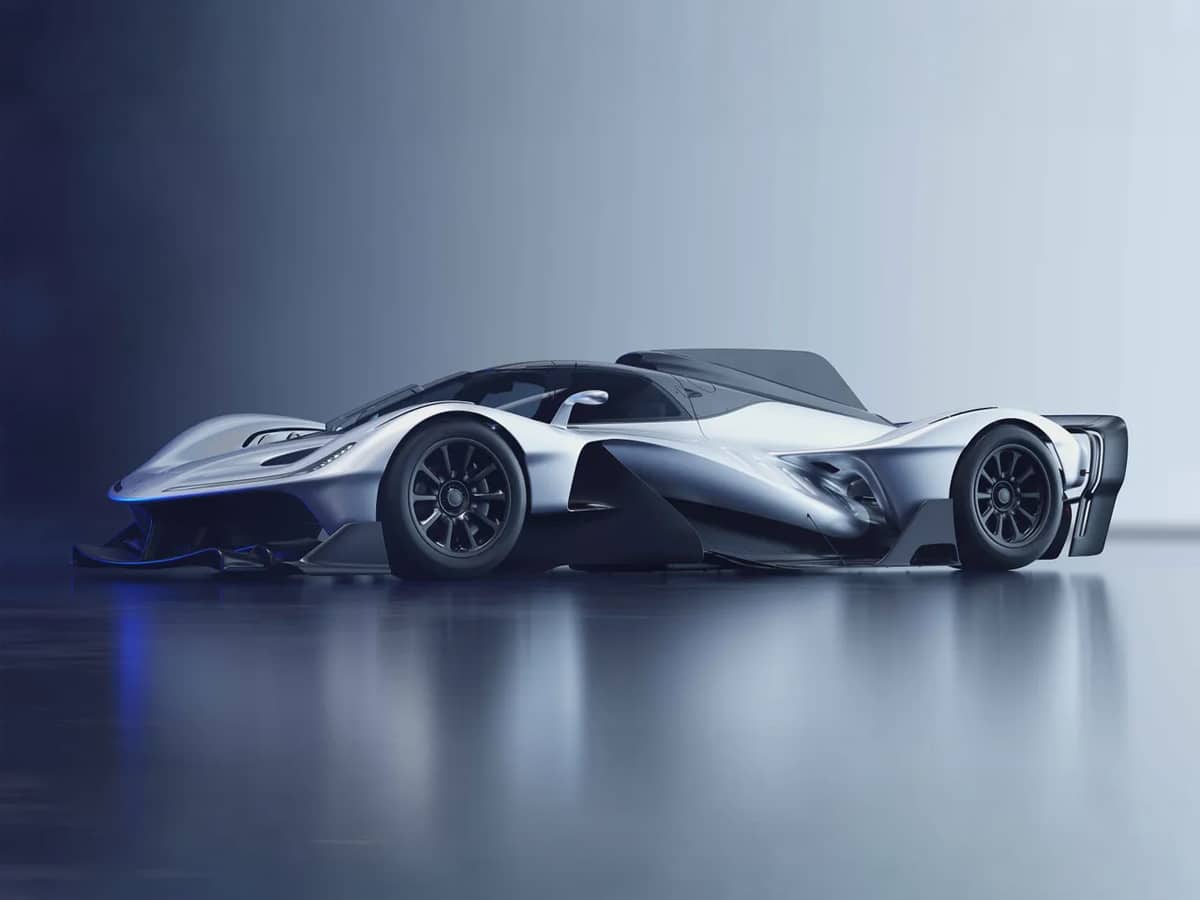
At the center of the current conversation is the Red Bull RB17, a track-focused hypercar that serves as the swan song for Adrian Newey’s tenure at Red Bull Racing Technologies before his move to Aston Martin for the 2026 season. Newey, widely regarded as the most successful aerodynamicist in Formula 1 history, has designed the RB17 to be the ultimate expression of track performance available to private individuals.
The RB17’s specifications are a direct rebuttal to the trend of heavy, battery-laden performance cars. It features a bespoke 4.5-liter V10 hybrid powertrain developed in collaboration with Cosworth. While many modern hypercars rely on turbocharging to reach high power figures, the RB17 utilizes natural aspiration to achieve its 15,000-rpm redline, ensuring a sensory experience that mimics the "Screaming V10" era of Formula 1.
Key design elements of the RB17 include:
- Aerodynamic Efficiency: The bodywork utilizes advanced "ground effect" technology, featuring reworked cooling channels and a pronounced fin integrated into the engine cover to optimize high-speed stability.
- Weight Management: Extensive use of carbon fiber and a refusal to incorporate heavy battery packs (beyond a small hybrid system for torque infill) keeps the vehicle’s weight at a minimum.
- Exhaust Packaging: In a notable design revision, the exhaust outlet is positioned along the spine of the engine cover, a change intended to optimize airflow and heat management.
With a price tag of €7 million (approximately $11.5 million AUD) and a limited production run of only 50 units, the RB17 is not merely a car; it is a collector’s asset designed to bridge the gap between a consumer product and a World Championship-winning F1 car.
The Paradox of Digital Perfection vs. Visceral Engagement
The rise of the "analog hypercar" is a response to what many enthusiasts call the "digital paradox." As vehicles become faster and more capable through the use of torque vectoring, active stability control, and instant electric torque, the role of the driver is increasingly marginalized. When an algorithm has the final say in how a car corners or accelerates, the sense of accomplishment for the driver is diminished.
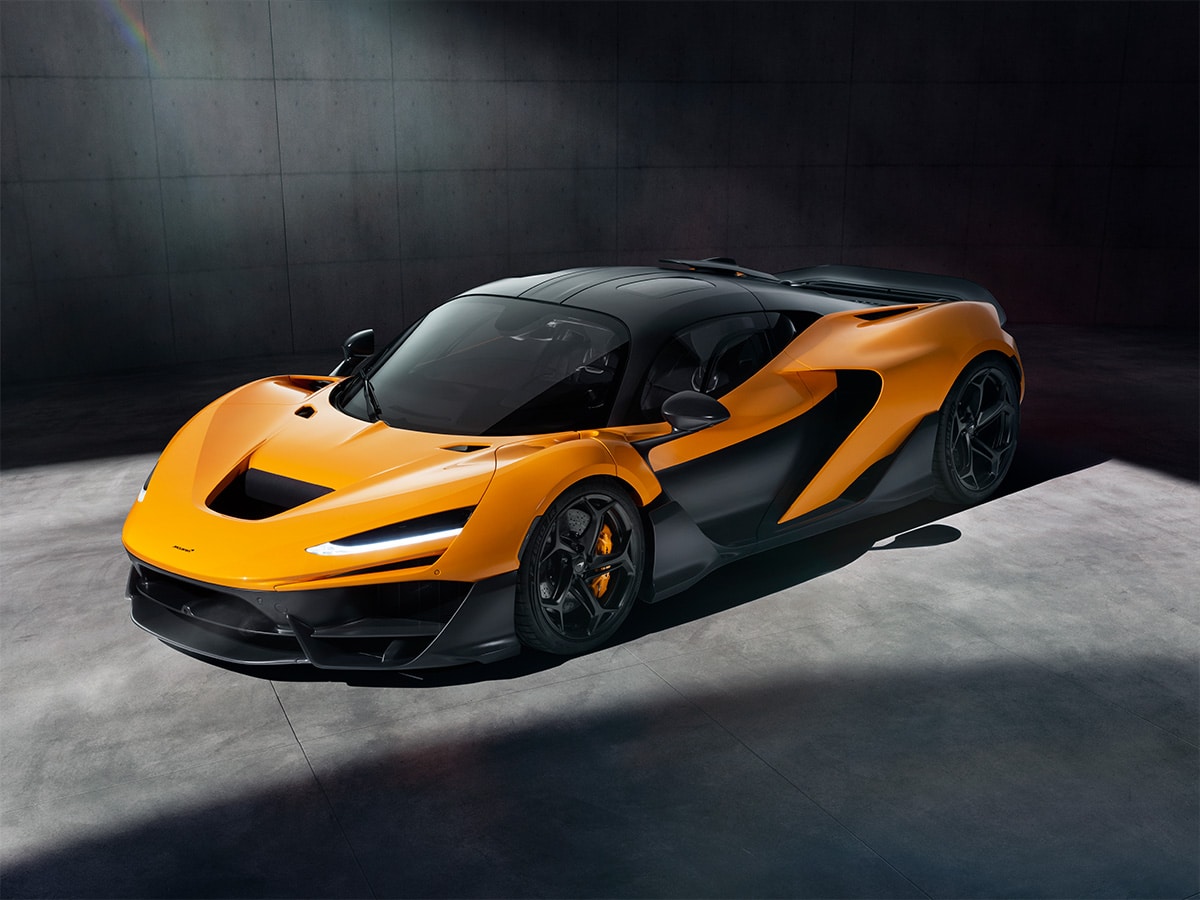
Christian von Koenigsegg, founder of the Swedish hypercar brand Koenigsegg, has long advocated for a "dialogue" between the driver and the machine. His latest creations, such as the Jesko Absolut, utilize innovative multi-clutch transmissions that provide near-instantaneous shifts while maintaining a mechanical connection that EVs cannot replicate. Similarly, Gordon Murray, the designer of the McLaren F1 and the new T.50, has flatly stated that he is not interested in chasing power figures. Murray argues that the real challenge—and the ultimate luxury—is reducing weight and improving tactile feedback.
This sentiment is echoed by high-profile collectors like Jay Leno. During a recent appearance at the SEMA show in Las Vegas, Leno noted that while he admires the sheer capability of EVs, his "psyche" remains connected to naturally aspirated engines. For collectors of this caliber, the goal is no longer to have the fastest car on paper, but to have the car that makes them feel the most "alive" through vibration, sound, and the physical requirement of skill to master.
Market Implications and the Future of the Hyper-Exclusivity
The hypercar market is currently bifurcating into two distinct segments. On one side are the "Technology Leaders" like Rimac and Lotus (with the Evija), who are pushing the boundaries of what electricity can achieve. On the other side are the "Emotional Purists" like Red Bull, Pagani, and Gordon Murray Automotive, who are leveraging modern materials to preserve internal combustion.
The economic data suggests that the latter category is seeing unprecedented demand. Despite the high entry costs—often exceeding $5 million per vehicle—these limited-run mechanical masterpieces are often sold out years before production begins. For manufacturers, these vehicles serve as high-margin laboratories where they can test aerodynamic and material innovations that may eventually trickle down to more "attainable" performance cars.
The RB17 is scheduled to begin production in the spring of 2027. Its success will likely dictate the direction of the industry for the next decade. If the 50 owners of the RB17 find that the visceral engagement of a V10 outweighs the raw 0-60 mph stats of an EV, it will signal to other manufacturers that the internal combustion engine still has a place in the ultra-luxury tier, even as the mass market transitions to electrification.
Analysis: The Blurring Line Between F1 and Road Performance
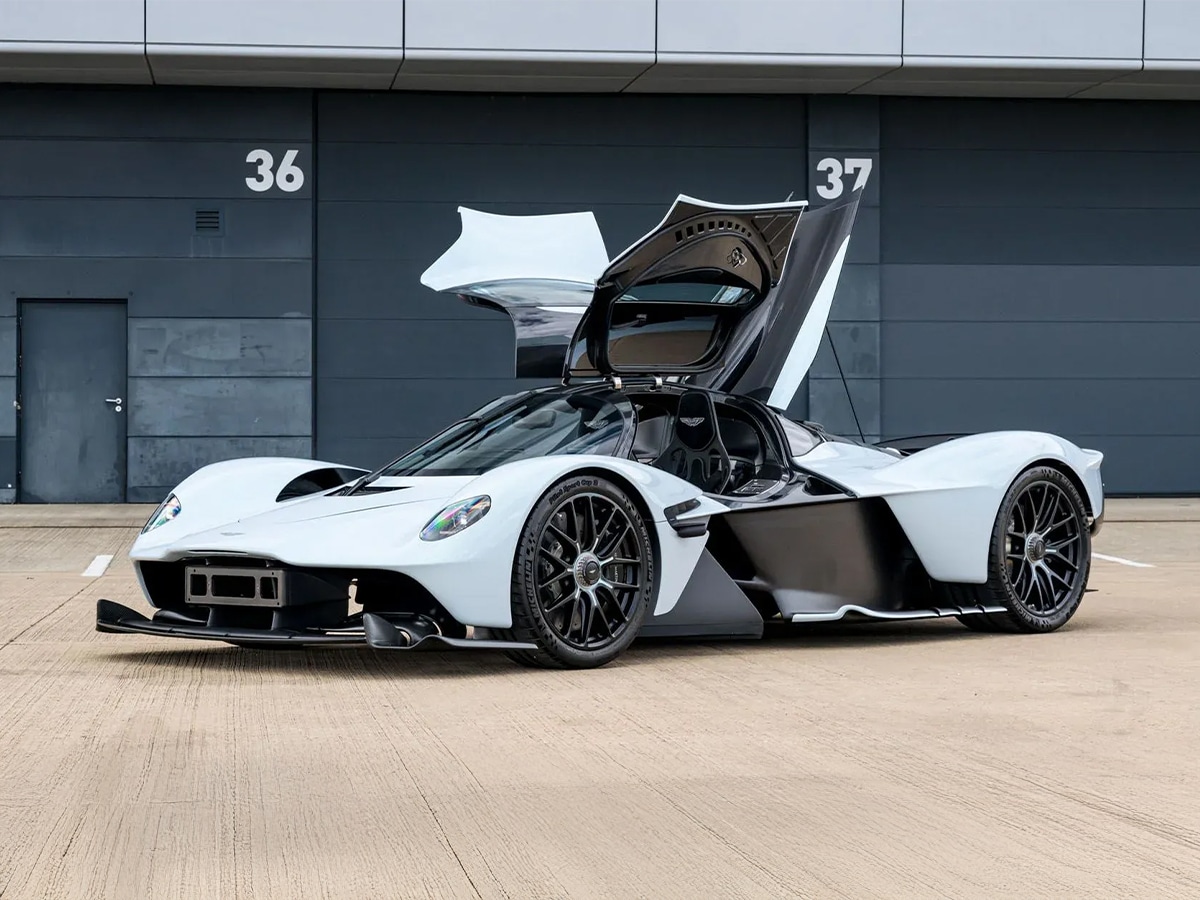
The RB17 and its predecessor, the Aston Martin Valkyrie, represent a new era where the line between Formula 1 and consumer-owned vehicles is almost non-existent. Automotive historian Karl Ludvigsen notes that each generation of high-performance cars resets the limits of what engineers once thought possible. In the past, F1 technology took a decade to reach road cars; today, the RB17 is being developed by the same engineers using the same simulation tools used to win Grand Prix races.
However, this proximity to racing performance brings unique challenges. The RB17 is so fast that it requires a specialized driver training program for its owners, as the physical G-forces generated by its aerodynamics exceed what an untrained human body can comfortably handle. This highlights a critical turning point: we have reached a stage where the car’s potential is greater than the driver’s capability. In this environment, "engagement" becomes the only way to keep the experience meaningful.
Conclusion
The unveiling of the Red Bull RB17 is more than just the release of another expensive vehicle; it is a manifesto for the future of high-end motoring. By prioritizing a 15,000-rpm V10 and sophisticated aerodynamics over the pursuit of 2,000+ horsepower via electrification, Red Bull and Adrian Newey are catering to a market that values the "soul" of the machine above all else.
As the automotive world continues to move toward automation and electrification, the hypercar remains the final sanctuary for pure, unadulterated mechanical engineering. For the ultra-wealthy individuals who will pilot these 50 machines, the thrill is found not in the perfection of the digital era, but in the glorious, vibrating, and loud refusal to let the machine drive itself. In the words of Hunter S. Thompson, life may indeed be too short for slow cars, but the modern hypercar market is proving that life is also too short for cars that don’t talk back.

 Jia Lissa
 Yuyun Lusiyani
 Joko Widodo
 Eva Lovia

 Pevita Pearce