
 Lina Irawan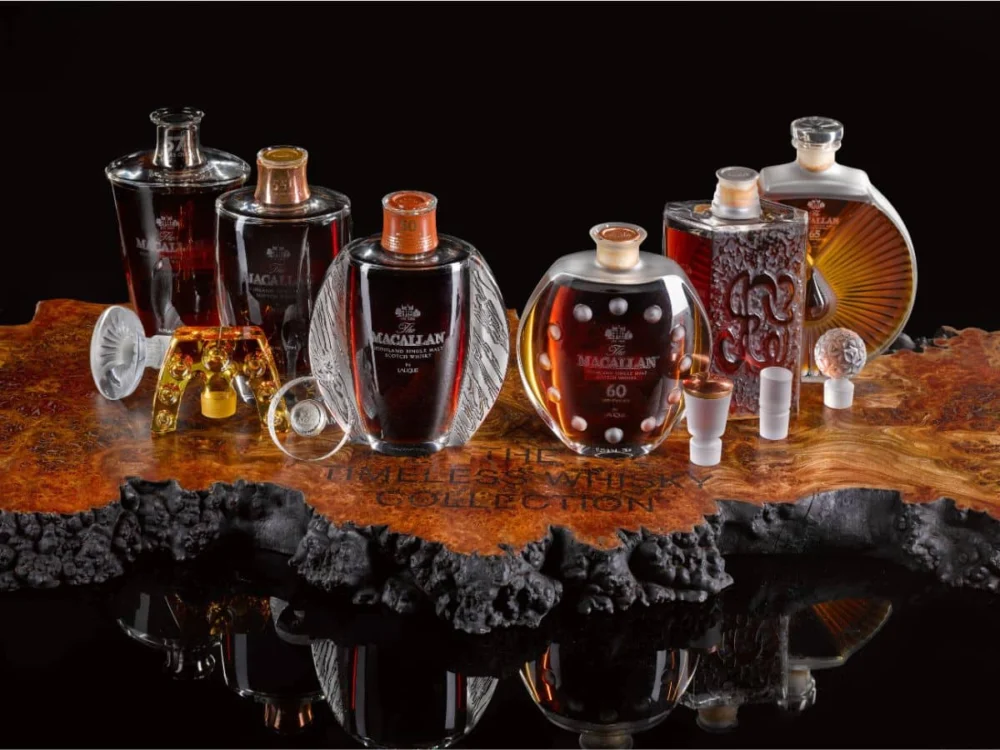
The Macallan distillery, situated in the heart of Scotland’s Speyside region, occupies a singular position within the global spirits industry, functioning as both a premier producer of single malt Scotch and a preeminent symbol of luxury. Often compared to high-end horological brands like Rolex or automotive icons like Bentley, The Macallan has transcended the traditional boundaries of the whisky market to become a primary target for international investors, a staple of corporate gifting, and a benchmark for ultra-aged spirits. As the distillery celebrates its bicentennial anniversary in 2024, its portfolio has expanded into a complex hierarchy of core expressions, limited editions, and record-breaking age statements that define the current landscape of high-end Scotch.
The Architectural and Historical Foundations of The Macallan
The history of The Macallan began in 1824 when Alexander Reid, a local farmer and schoolteacher, obtained one of the first licenses to legally distill whisky on the Easter Elchies estate. The distillery’s location on a plateau above the River Spey provided the necessary resources—pure water and fertile land for barley—to establish a Highland malt that would eventually gain global renown. Over two centuries, the distillery transitioned through various ownerships, most notably the Kemp family in the late 19th century, before becoming part of the Edrington Group.
A pivotal moment in the brand’s modern history occurred in 2018 with the opening of a new, state-of-the-art distillery and visitor experience. Designed by the architectural firm Rogers Stirk Harbour + Partners, the £140 million (approximately $186 million USD) facility features a unique undulating timber roof covered in grass, designed to blend into the Speyside landscape. This facility houses 36 copper pot stills, maintaining the "curiously small" size that the distillery claims is essential for producing its heavy, oily, and robust new-make spirit.

The Core Collections: A Hierarchy of Cask and Age
The Macallan’s portfolio is primarily organized by the types of casks used for maturation and the duration the spirit spends within the wood. The distillery is unique in its "Master of Wood" department, which oversees the entire journey of its casks from the selection of oak in the forests of America and Europe to the seasoning process in Jerez, Spain.
1. The Double Cask Collection
The Double Cask range serves as the modern gateway to The Macallan brand. These expressions are matured in a combination of American oak and European oak, both of which have been seasoned with Oloroso sherry. The objective of this range is balance; the American oak imparts notes of vanilla, citrus, and butterscotch, while the European oak provides the traditional Macallan dried fruit and wood spice.
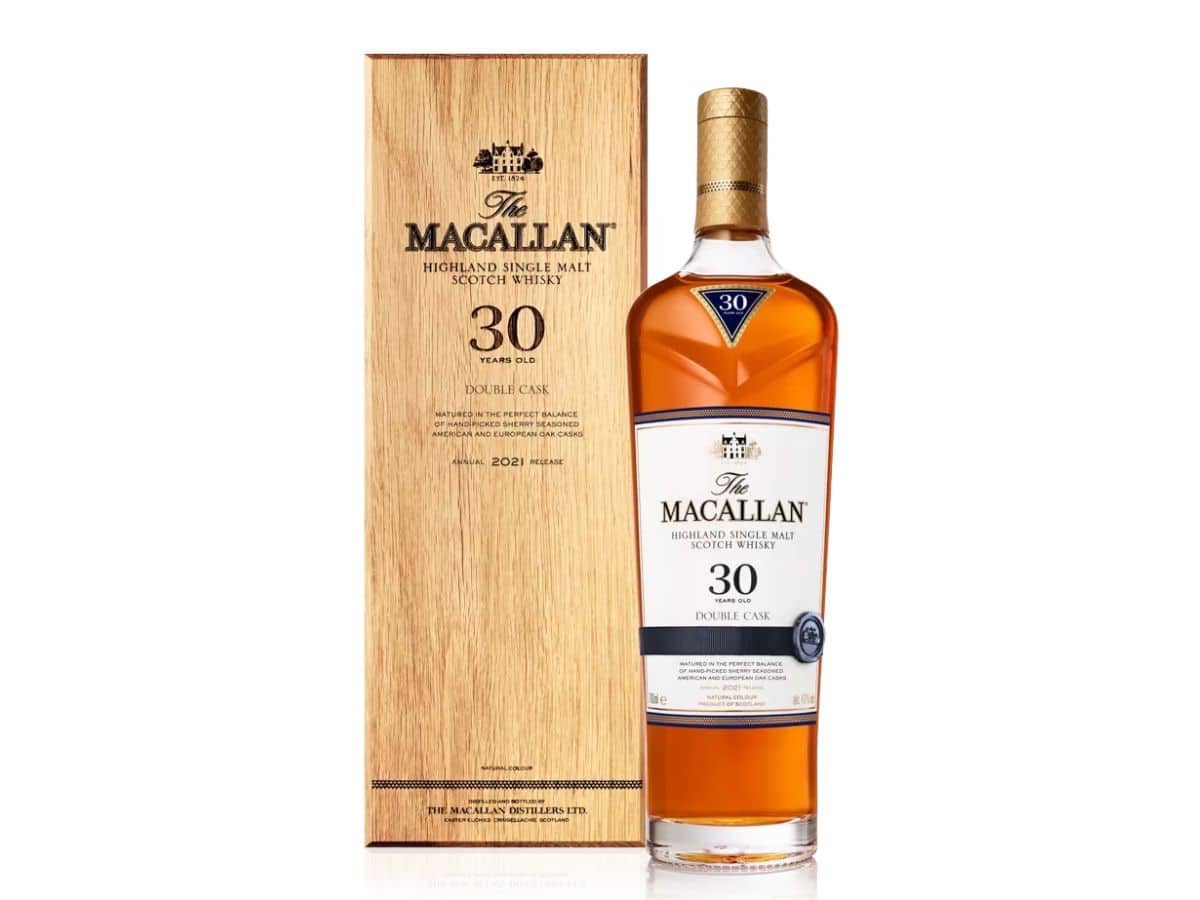
- Key Expressions: 12, 15, 18, and 30 Years Old.
- Target Market: Consumers seeking a versatile, balanced Speyside profile that bridges the gap between traditional and modern styles.
2. The Sherry Oak Collection
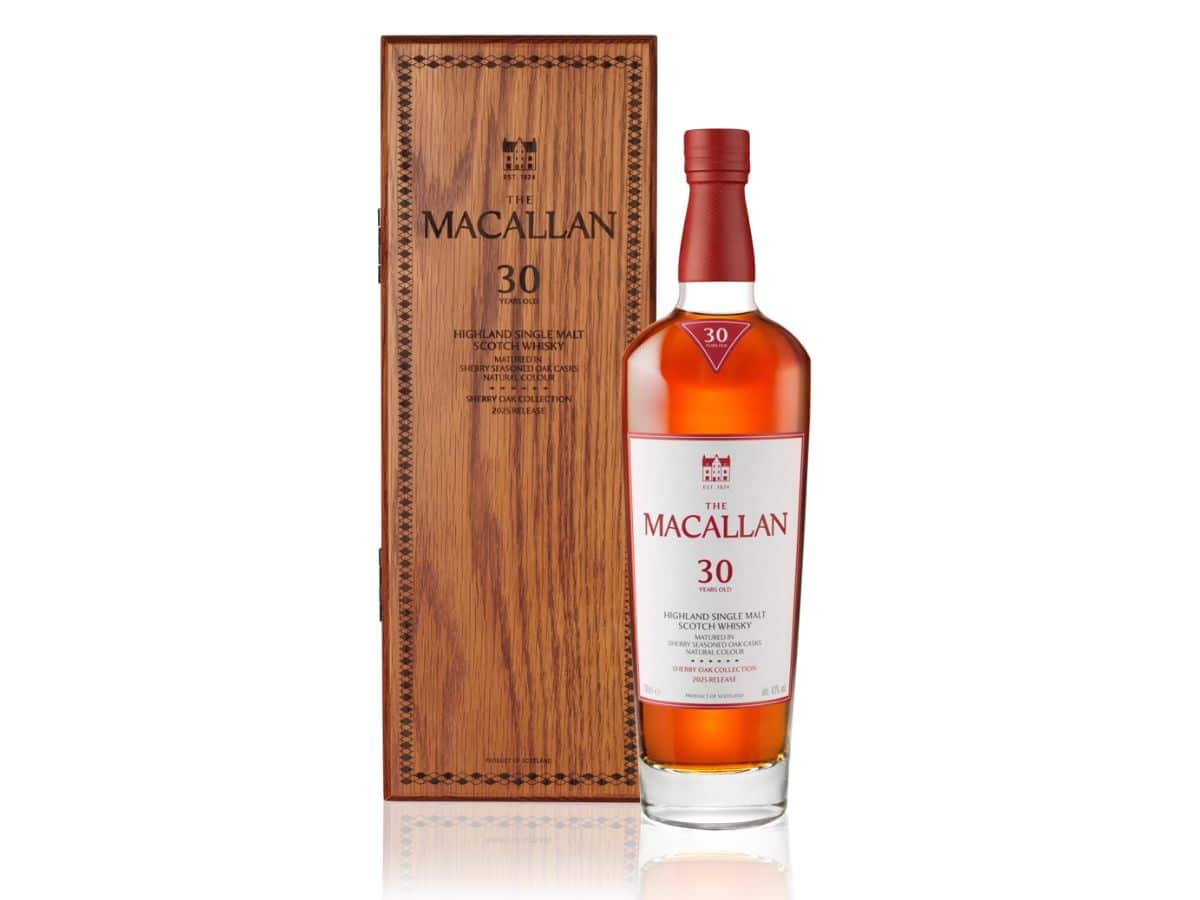
Regarded by purists as the "classic" Macallan, the Sherry Oak Collection is matured exclusively in Oloroso sherry-seasoned oak casks from Spain. This range is responsible for the distillery’s reputation for deep mahogany colors and intense flavors of ginger, cinnamon, and heavy dried fruits.
- Key Expressions: 12, 18, 25, and 30 Years Old.
- Significance: This collection emphasizes the European oak influence, which is more porous and tannin-rich than its American counterpart, resulting in a more structured and "antique" flavor profile.
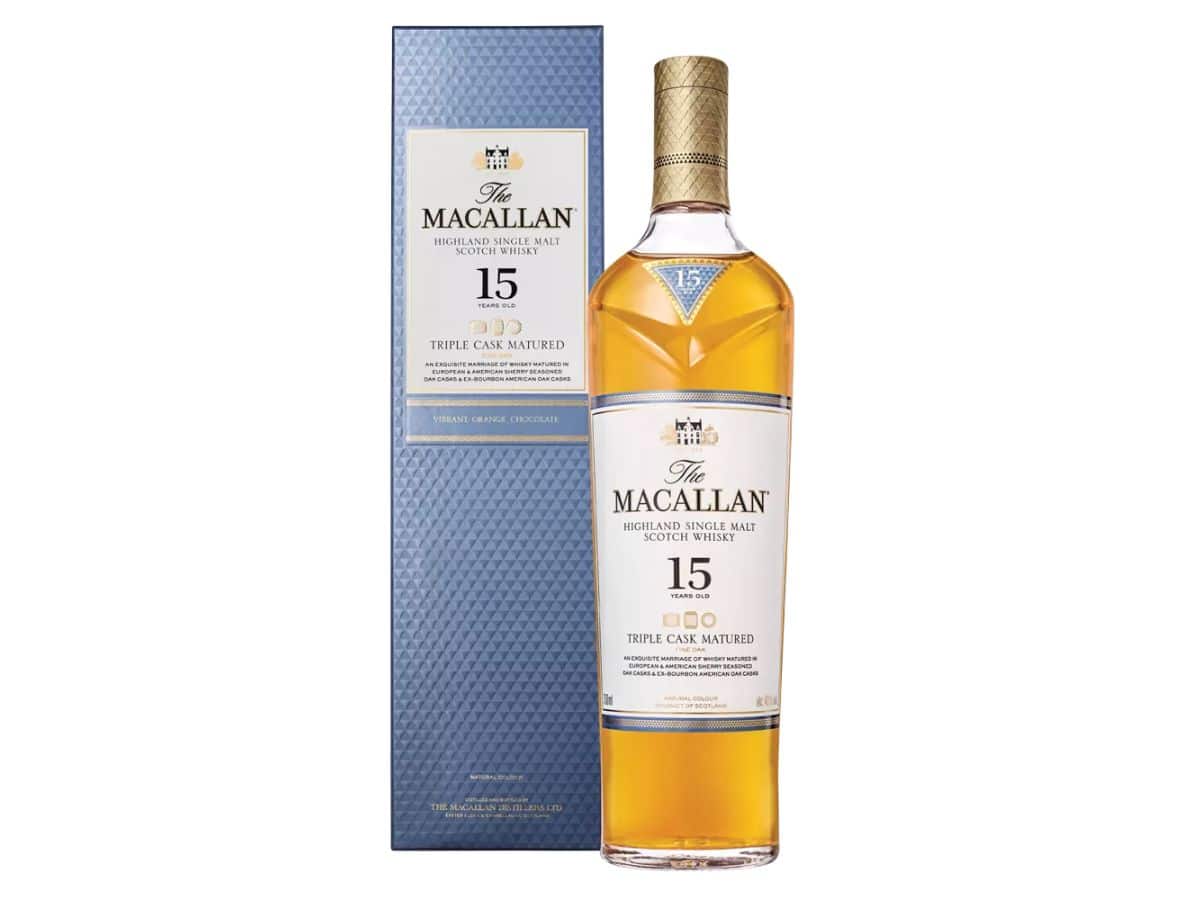
3. The Triple Cask Matured Collection
Formerly known as the Fine Oak range, this collection adds a third dimension to the maturation process: American ex-bourbon barrels. By incorporating bourbon-seasoned wood alongside American and European sherry casks, the resulting whisky is lighter, more floral, and characterized by notes of tropical fruit and melon.
- Current Status: While some markets have seen a reduction in Triple Cask availability in favor of the Double Cask range, it remains a favorite for those who prefer a less sherry-dominant spirit.
Limited Editions and Modern Innovation
Beyond its age-stated core ranges, The Macallan frequently releases limited-edition series that explore specific themes or sustainability initiatives.
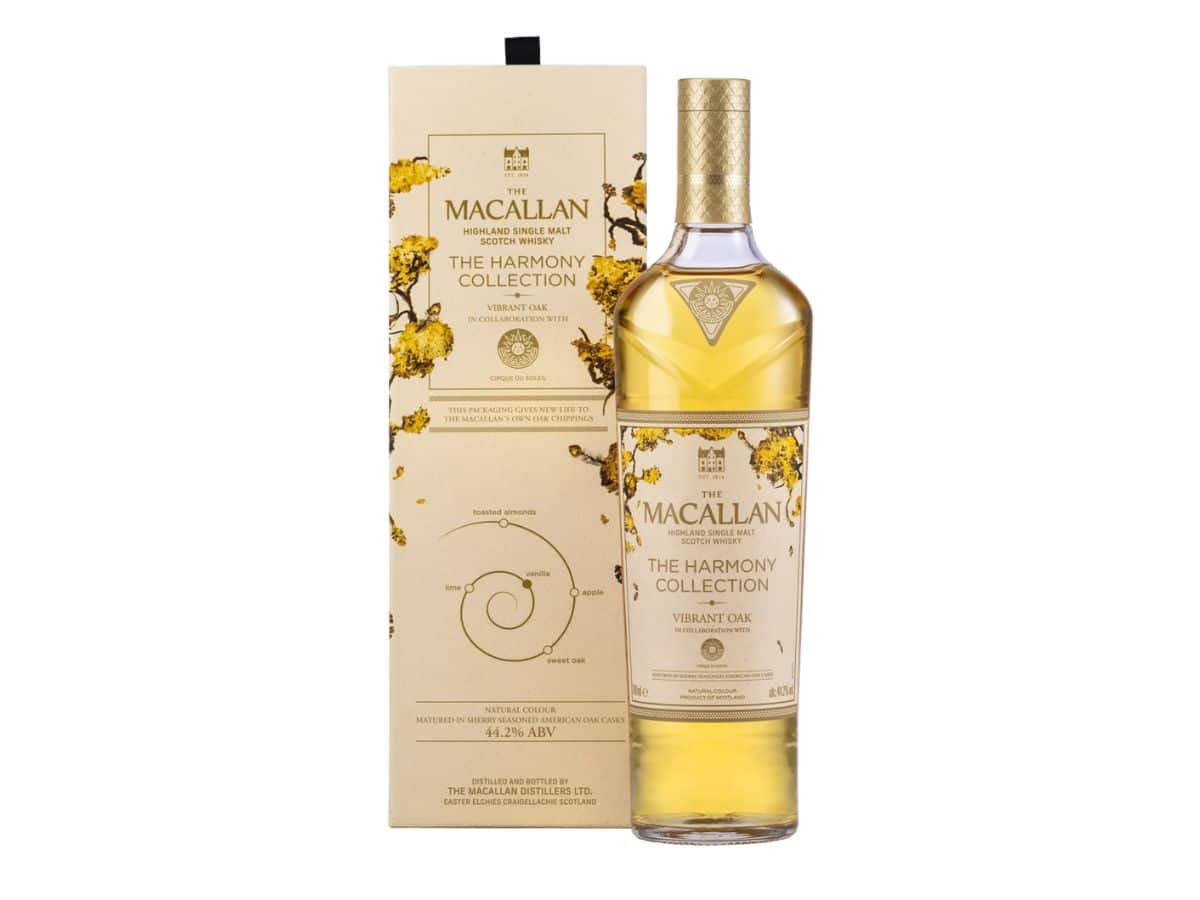
The Harmony Collection
The Harmony Collection represents the distillery’s move toward environmental consciousness and interdisciplinary collaboration. Each release is inspired by a natural or culinary motif—such as "Rich Cacao" or "Inspired by Intense Arabica"—and utilizes repurposed organic materials for its packaging. For example, the packaging for the chocolate-inspired release incorporated husks from cocoa beans, while the coffee-inspired release used coffee bean husks.
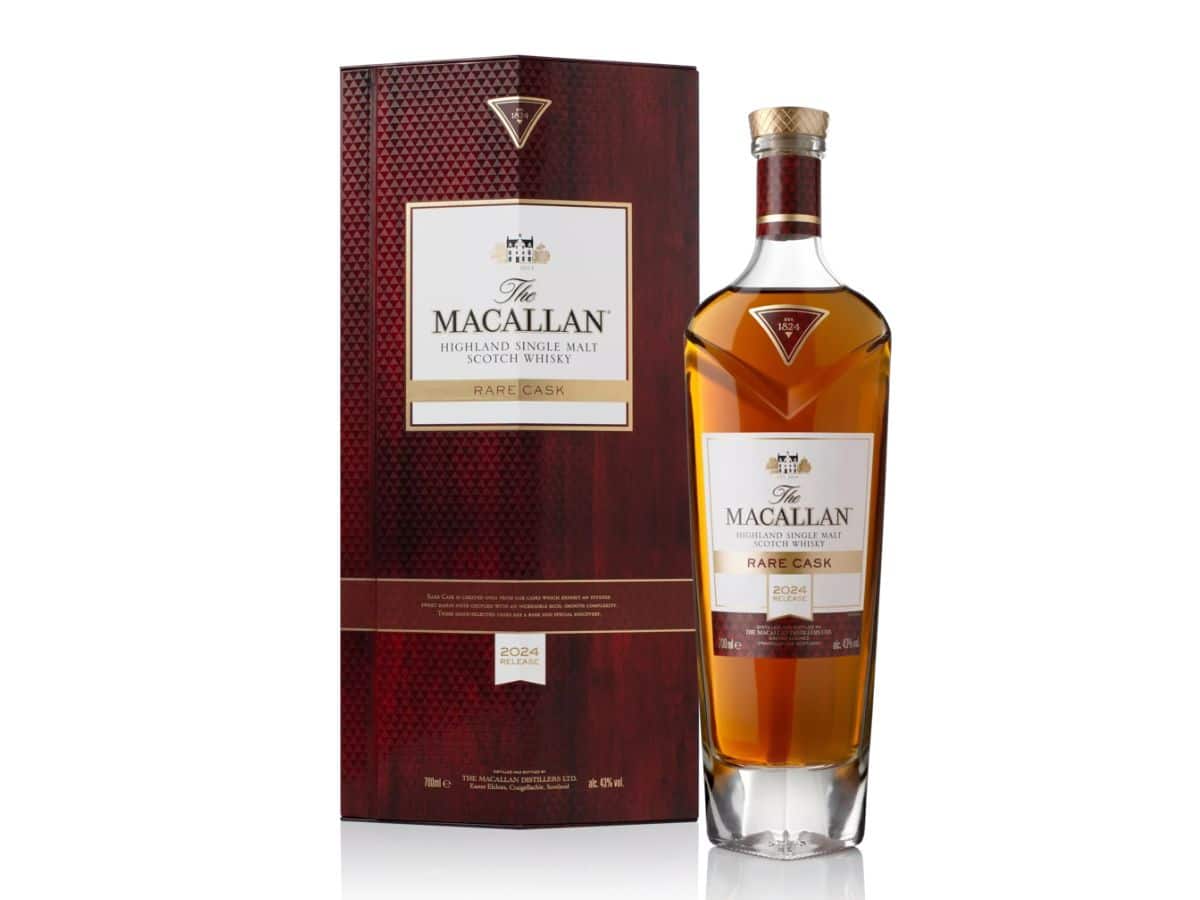
The Rare Cask Series
The Rare Cask is a Non-Age Statement (NAS) release that focuses on the selection process rather than a specific number on the bottle. Out of the thousands of casks maturing at the estate, fewer than 1% are identified by the Master Whisky Maker as possessing the specific profile required for Rare Cask. It is bottled at a higher ABV (typically 43%) and is celebrated for its velvety texture and deep raisin sweetness.
The Ultra-Premium and Prestige Tiers
For high-net-worth individuals and serious collectors, The Macallan offers several tiers of "prestige" spirits that often reach six-figure price points at auction.
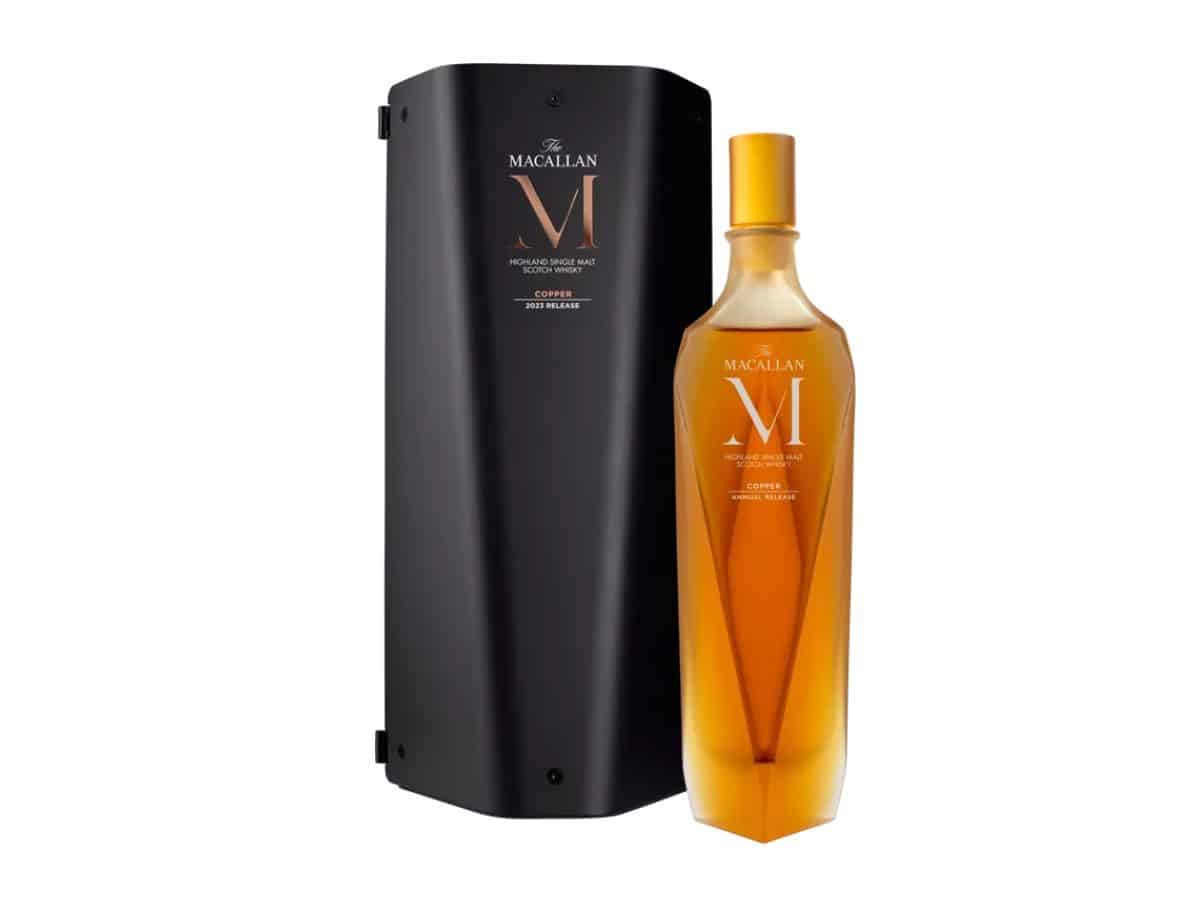
1. The M Collection
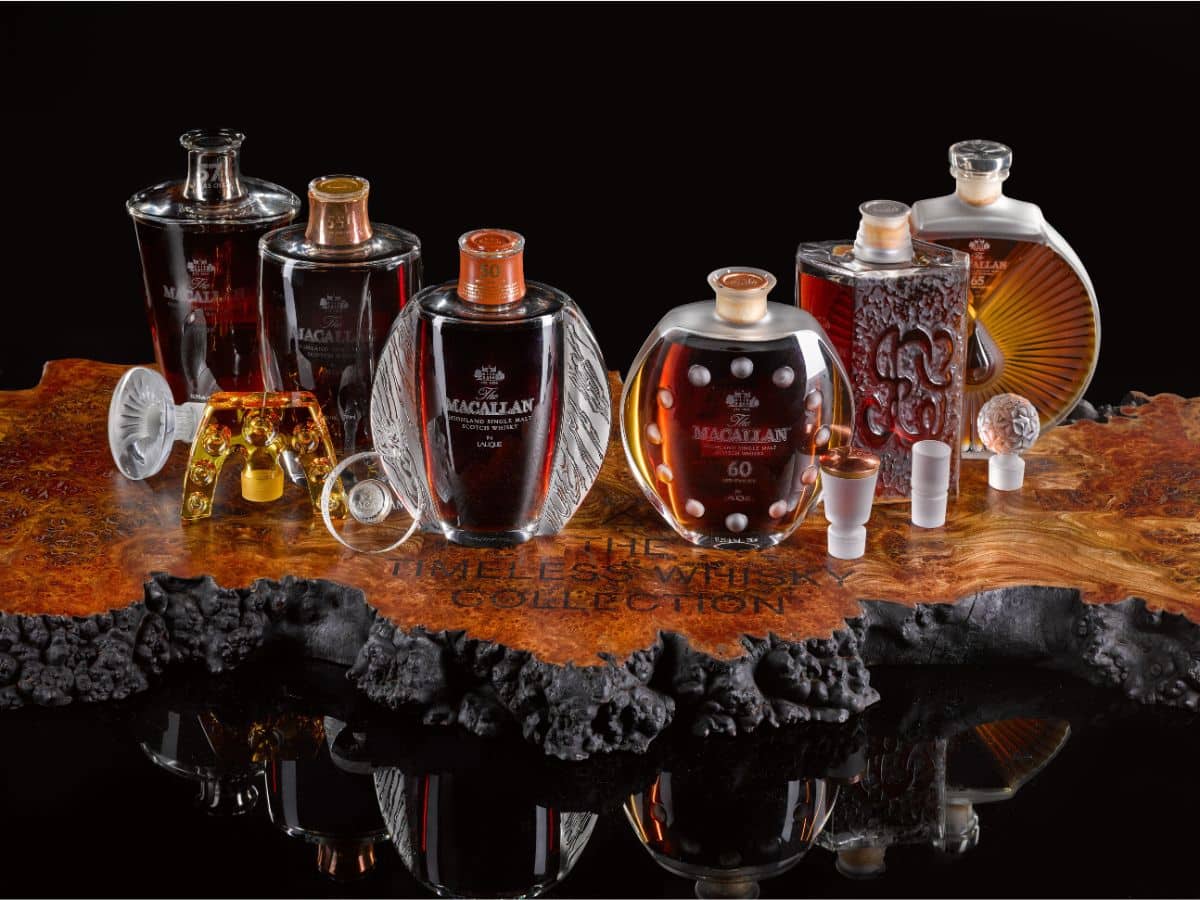
The M Collection is a tribute to the "Six Pillars" that define the distillery. Presented in geometric crystal decanters designed by Fabien Baron and crafted by Lalique, these whiskies are married from some of the oldest and rarest casks in the distillery’s inventory. The "M Copper" release, for instance, focuses on the contribution of the stills, while "M Black" explores a rare peated side of the distillery’s production.
2. The Six Pillars (Lalique) Collection
This collaboration with French crystal maker Lalique consists of six decanters, each representing one of the distillery’s foundational principles. These releases feature whiskies aged between 50 and 65 years. Given their rarity and the craftsmanship of the decanters, these sets are among the most sought-after items in the secondary market, often serving as centerpieces for private collections.
3. TIME : SPACE: The 84-Year-Old Pinnacle
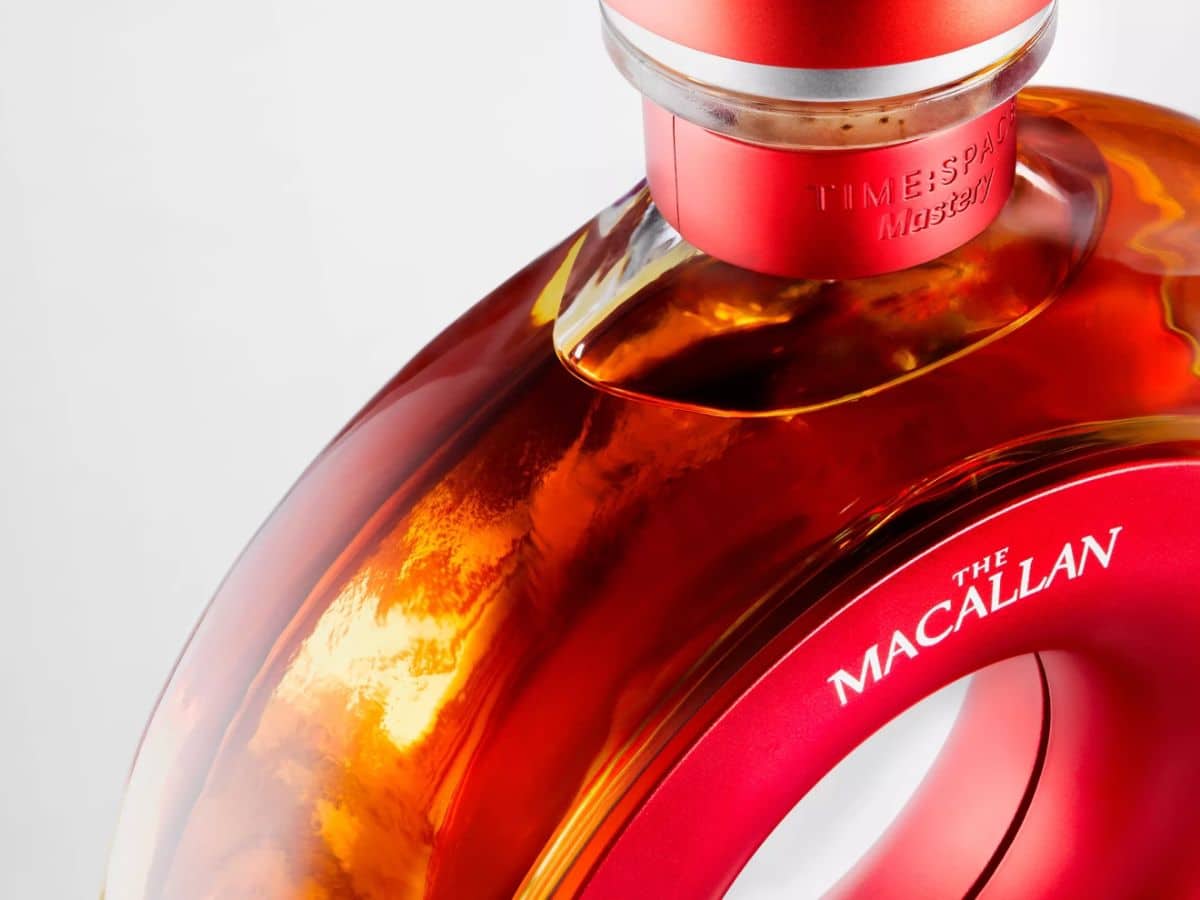
In 2024, to mark its 200th anniversary, The Macallan unveiled "TIME : SPACE," its oldest release to date. Distilled in 1940 and bottled at 84 years of age, the whisky survived the turbulent years of World War II and the subsequent decades of industrial change. The vessel for this release is a dual-chambered carafe; the outer chamber holds the 84-year-old spirit, while the inner chamber contains a 2018 vintage, symbolizing the bridge between the distillery’s past and its future.
The Six Pillars: The Technical Framework of Excellence
The consistency of The Macallan’s output is attributed to six foundational principles, which the distillery has codified as its "Six Pillars":
- Spiritual Home: Easter Elchies House, built in 1700, which serves as the symbol of the estate’s heritage.
- Curiously Small Stills: These ensure maximum copper contact, which helps to strip away sulfurous compounds and create a heavy, viscous spirit.
- The Finest Cut: The distillery takes a very narrow "cut" of the spirit from the stills, selecting only the best portion of the distillation run to go into the casks.
- Exceptional Oak Casks: The Macallan spends more per cask than almost any other distillery, maintaining a dedicated supply chain for sherry-seasoned wood.
- Natural Colour: No caramel coloring (E150a) is added to any Macallan expression; the hue is derived entirely from the wood.
- Peerless Spirit: The culmination of the previous five pillars, representing the final product’s quality.
Market Analysis and Economic Impact
The Macallan’s dominance in the secondary market is well-documented. According to industry data from Knight Frank and Rare Whisky 101, The Macallan consistently leads the "investability" rankings for Scotch. In 2023, a bottle of The Macallan Adami 1960 60-Year-Old sold for £2.1 million (approx. $2.7 million USD) at Sotheby’s, setting a world record for any bottle of wine or spirit sold at auction.
Analysts suggest that this value is driven by "perceived scarcity" and "brand equity." While the distillery produces a significant volume of whisky—approximately 15 million liters per year—its ultra-aged stocks are finite. This rarity, combined with a global marketing strategy that emphasizes luxury lifestyle associations, ensures that demand continues to outpace supply for its premium tiers.
Chronology of Major Milestones
- 1824: Alexander Reid founds the distillery.
- 1892: Roderick Kemp acquires the distillery and establishes the focus on quality.
- 1960s: The Macallan begins to focus heavily on the "single malt" category rather than just providing liquid for blends.
- 1986: The first collaboration with Lalique is conceptualized.
- 2018: The new £140m distillery opens.
- 2021: The Reach, an 81-year-old malt, is released.
- 2024: The distillery celebrates its 200th anniversary with the TIME : SPACE collection.
Implications for the Future of Scotch
The trajectory of The Macallan reflects a broader trend within the Scotch whisky industry: "premiumization." As global consumption of volume-based spirits plateaus, producers are shifting focus toward high-value, low-volume releases. The Macallan’s success has encouraged other Speyside and Highland distilleries to invest in architectural tourism and ultra-aged statements.
However, the brand also faces challenges. Industry experts occasionally debate whether the focus on luxury packaging and high price points alienates the traditional whisky enthusiast. Furthermore, the reliance on sherry-seasoned casks makes the distillery vulnerable to fluctuations in the Spanish wine industry. Despite these factors, The Macallan remains the primary barometer for the health of the luxury spirits market. Its ability to maintain a 200-year-old heritage while adopting futuristic architecture and sustainable packaging suggests a strategic resilience that will likely see it remain at the apex of the industry for the foreseeable future.


 Jia Lissa
 Yuyun Lusiyani
 Joko Widodo
 Eva Lovia

 Pevita Pearce