
 Lina Irawan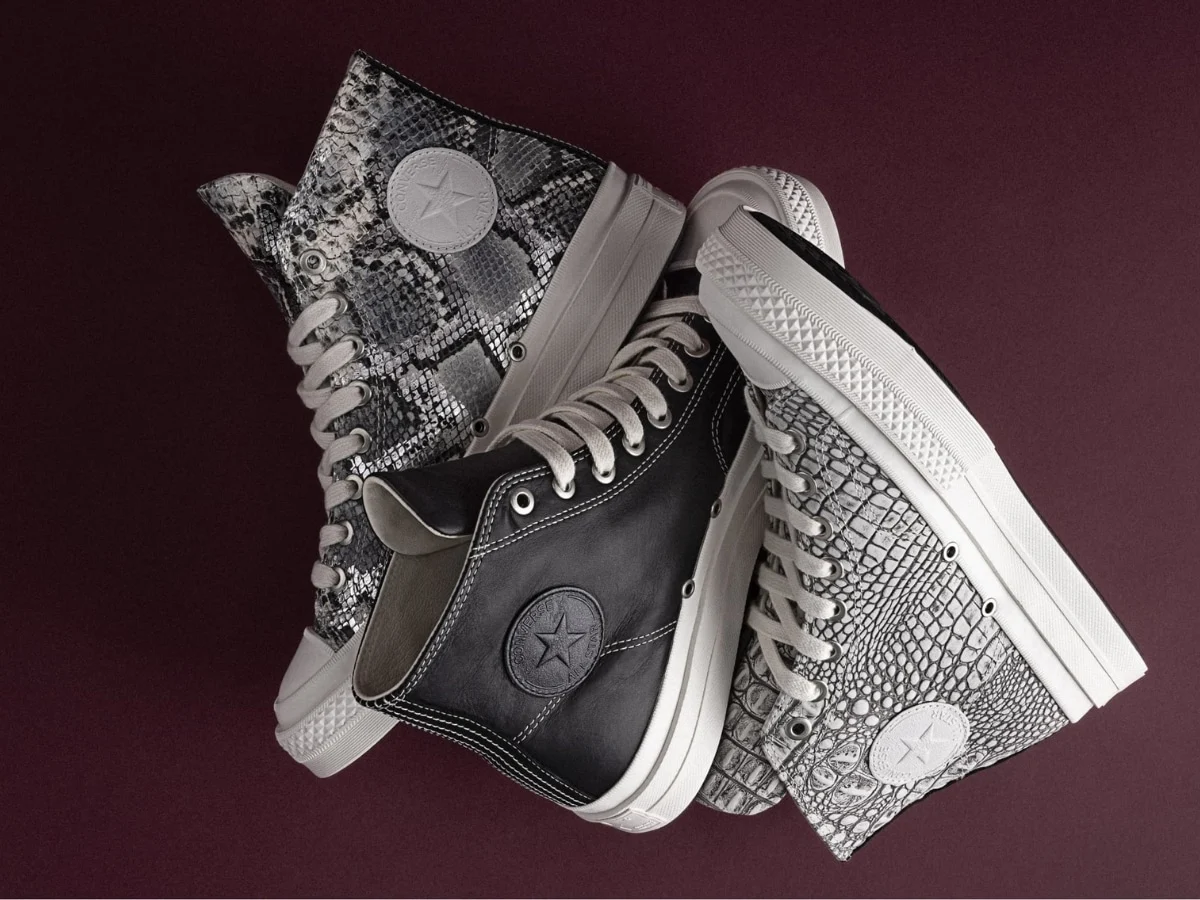
The global footwear landscape is witnessing a significant shift in the lifecycle of heritage products as Converse officially announces the return and expansion of its prestigious First String collection. Set for a global release on March 24, the latest iteration of the First String initiative represents a strategic pivot for the brand, moving away from the "disposable" reputation of the standard canvas sneaker toward a model of high-end craftsmanship and integrated performance technology. By incorporating Nike Air cushioning, CX foam midsoles, and Vibram outsoles, Converse is attempting to bridge the gap between the aesthetic purity of the 20th-century basketball shoe and the ergonomic demands of the modern consumer. This collection is positioned not merely as a seasonal update, but as a "crafted without compromise" reimagining of the Chuck Taylor All Star, a silhouette that has remained largely unchanged in the public consciousness for decades.
The Historical Evolution of the First String Initiative
To understand the significance of the 2025-2026 revival, one must look back to the program’s inception. Originally introduced in 2009, the Converse First String collection was conceived as a high-tier laboratory for the brand. It was designed to be a vehicle for limited-edition collaborations and experimental material applications, often distributed through a highly selective network of global boutiques. During its initial run, the program focused on elevated textiles and tighter production standards, but it remained a niche offering that rarely permeated the mainstream market.
The decision to bring the First String label back into the spotlight in 2025 followed a period of intense market analysis regarding consumer fatigue. While the standard Chuck Taylor and the more robust Chuck 70 remained staples of the brand’s portfolio, there was a growing demand for a "super-premium" tier that addressed the two primary complaints associated with the classic model: lack of long-term comfort and rapid sole wear. The first release of the revived line set a high bar, utilizing a sophisticated blend of vintage-grade canvas, premium brown leather, and a specialized Japanese tropical knit. This new drop, however, moves further into the luxury sector, utilizing exotic textures and heavy-duty performance components that signal a new era for the brand’s design language.
Engineering Comfort: The Integration of Nike Air and CX Foam
The most radical departures from the traditional Chuck Taylor architecture are found beneath the surface. Since the acquisition of Converse by Nike, Inc. in 2003, the cross-pollination of technology has been a slow but deliberate process. With the First String collection, this integration reaches a new zenith. The inclusion of an embedded Nike Air unit marks a historic transition for the silhouette. Traditionally, the Chuck Taylor featured a flat, vulcanized rubber sole with minimal internal padding, a design that offered excellent "board feel" for skaters but provided little in the way of impact protection for daily walking.
The new internal architecture features a dual-density system. A CX foam midsole—a proprietary material known for its high-rebound properties and lightweight profile—serves as the primary bed for the foot. Within this foam structure, a Nike Air unit is strategically placed to provide pressurized gas cushioning. This combination is designed to alleviate the foot fatigue typically associated with flat-soled sneakers, effectively transforming a 1917 design into a shoe capable of sustained modern wear. This technical upgrade is a direct response to the "comfort-first" trend that has dominated the footwear industry in the post-pandemic era, where consumers are less willing to sacrifice physical well-being for aesthetic style.
Durability and Traction: The Vibram Partnership
In a move that underscores the "anti-disposable" philosophy of the First String collection, Converse has replaced the traditional rubber outsole with a specialized compound from Vibram. As an Italian company world-renowned for producing high-performance outsoles for hiking and climbing, Vibram brings a level of durability and slip-resistance previously unseen in the lifestyle sneaker category.
The standard Chuck Taylor outsole, while iconic for its diamond pattern, is known to wear down relatively quickly with heavy urban use. The Vibram outsole featured in the First String drop is engineered to withstand significantly higher levels of abrasion. Furthermore, the updated tread pattern provides enhanced traction on wet and uneven surfaces, addressing a long-standing critique of the original design’s performance in inclement weather. By partnering with a third-party performance leader like Vibram, Converse is signaling that the First String collection is intended to be a long-term investment for the wearer, rather than a seasonal purchase.

Material Sophistication and Archival Design Cues
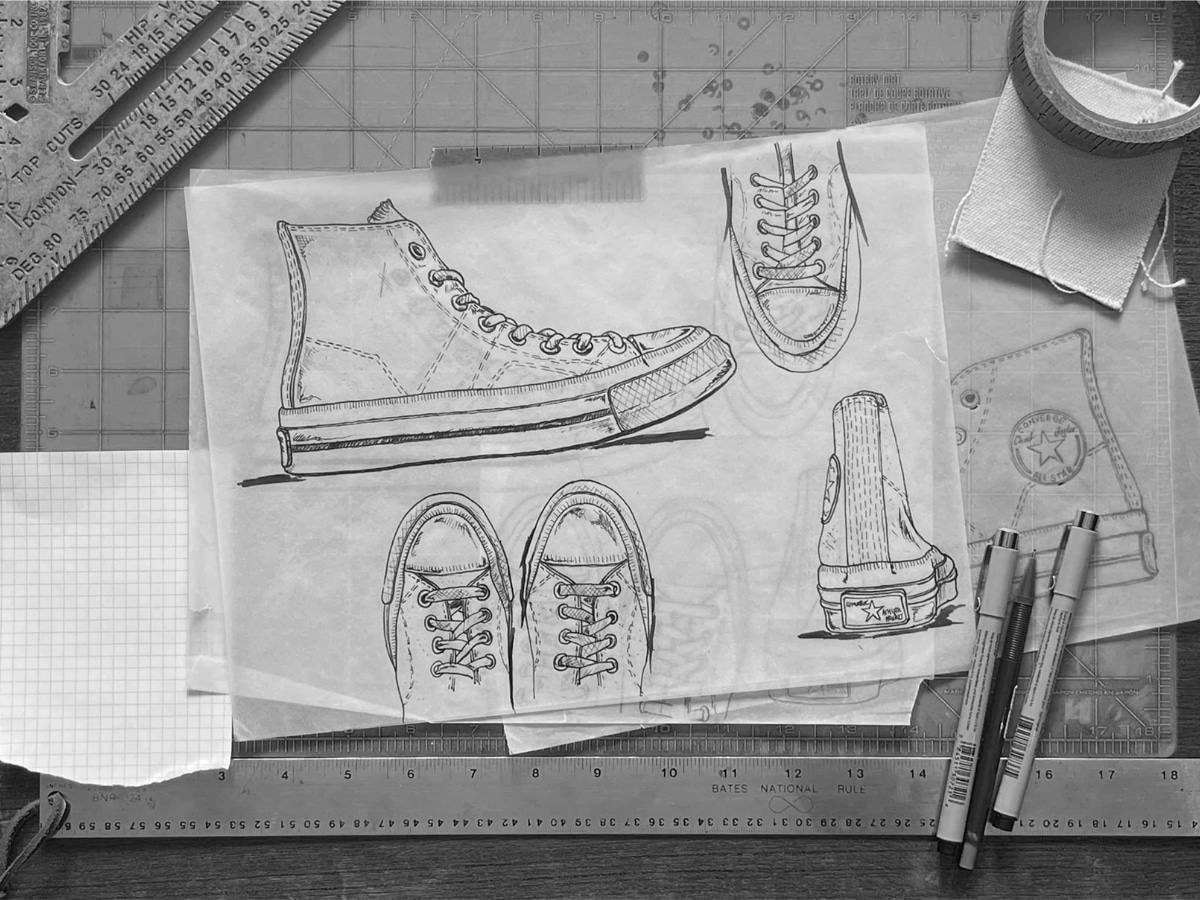
While the internal technology is forward-looking, the exterior of the First String collection is a masterclass in archival appreciation. The design team has meticulously analyzed versions of the shoe from the 1950s and 1970s to refine the silhouette. Key adjustments include a wider heelstay for increased structural integrity, an updated collar line that provides a more ergonomic fit around the ankle, and a refined, slightly more substantial toe cap. These details, described by the brand as being for the "detail-obsessed," serve to elevate the shoe’s profile from a basic utility item to a piece of designed footwear.
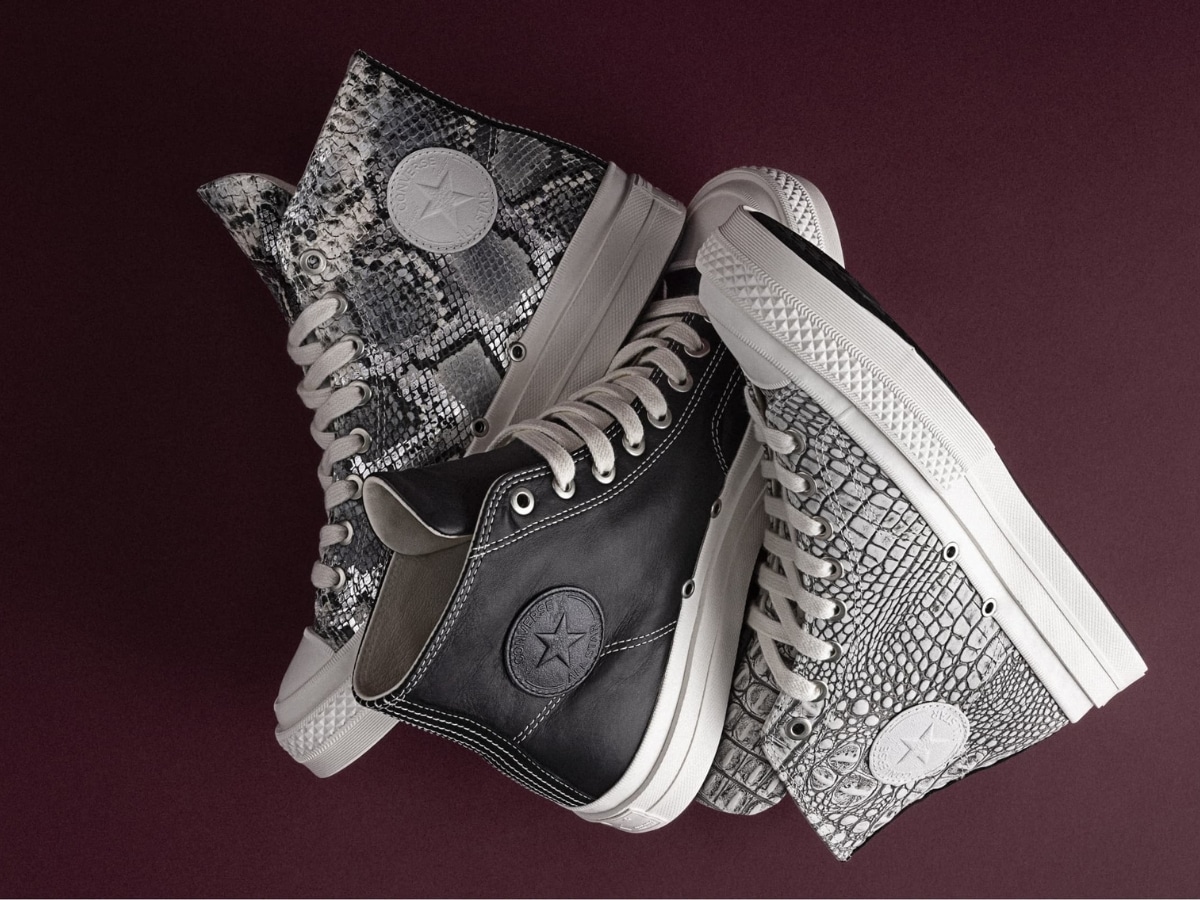
The material palette for the latest drop is notably more aggressive and luxurious than previous iterations. Moving beyond standard canvas, the collection features:
- Full-Grain Leather: High-grade hides that are designed to develop a unique patina over time, moving away from the "out-of-the-box" perfection of synthetic alternatives.
- Exotic Textures: The inclusion of snakeskin and crocodile-embossed leathers brings a high-fashion sensibility to the collection, positioning these shoes as viable alternatives to luxury sneakers from European fashion houses.
- Leather Linings: In a significant departure from the standard canvas interior, the First String models utilize smooth leather linings. This not only increases the shoe’s durability but also provides a more comfortable, "broken-in" feel from the first wear.
Market Analysis and Strategic Implications
The relaunch of the First String collection comes at a critical time for the global sneaker market. After years of "hype-driven" consumption fueled by limited-edition collaborations and the resale market, industry analysts have noted a shift toward "quiet luxury" and "heritage quality." Consumers are increasingly seeking products that offer longevity, both in terms of physical durability and timeless style.
By pricing the First String collection at a premium point and limiting its distribution, Converse is effectively protecting its brand equity. This strategy allows the brand to maintain its mass-market appeal with the standard All Star while simultaneously competing in the high-end "premium sneaker" segment. Industry experts suggest that this move is a defensive play against the rise of boutique brands that have successfully sold minimalist, high-quality leather sneakers for upwards of $400. The First String collection offers a similar level of material quality and improved comfort but retains the cultural capital of the original Chuck Taylor logo.
Environmental and Consumer Impact
While the official press materials focus on performance and style, the shift toward higher-quality materials and replaceable-sole-level durability has broader implications for footwear sustainability. The "disposable" nature of the traditional canvas sneaker—which often ends up in landfills after six to twelve months of heavy use—is a growing concern for environmentally conscious consumers. A sneaker built with a Vibram outsole and premium leather is, by definition, designed to last years rather than months.
Furthermore, the integration of Nike Air and CX foam addresses a demographic shift. As the original "sneakerhead" generation ages, the demand for shoes that provide orthopedic support without looking like traditional "comfort shoes" has skyrocketed. The First String collection successfully targets this aging but affluent demographic, offering the nostalgia of their youth with the physical support required for their current lifestyle.
Conclusion: A New Standard for Heritage Footwear
The Converse First String collection, arriving in global markets on March 24, represents a sophisticated synthesis of history and technology. By refusing to compromise on the classic aesthetic of the Chuck Taylor while simultaneously over-engineering the internal components, Converse has created a product that justifies its "First String" nomenclature.
This release marks a definitive moment in the brand’s 117-year history. It acknowledges that while the Chuck Taylor may be a perfect design from a visual standpoint, the expectations of the modern consumer have evolved. Through the use of Nike’s cushioning expertise, Vibram’s traction technology, and a uncompromising approach to material selection, Converse is not just selling a shoe; it is selling a version of the Chuck Taylor that is finally as durable and comfortable as its legacy is enduring. As the collection rolls out to select retailers and online platforms, it will serve as a benchmark for how heritage brands can modernize their most iconic assets without losing the soul of the original design.



 Yuyun Lusiyani
 Joko Widodo
 Eva Lovia
 Pevita Pearce
 admin
admin